

Month: June 2025

  • “Green Zones: the Urban Shield Against Climate Change,” according to Daniel Madariaga Barrilado

    “Green Zones: the Urban Shield Against Climate Change,” according to Daniel Madariaga Barrilado

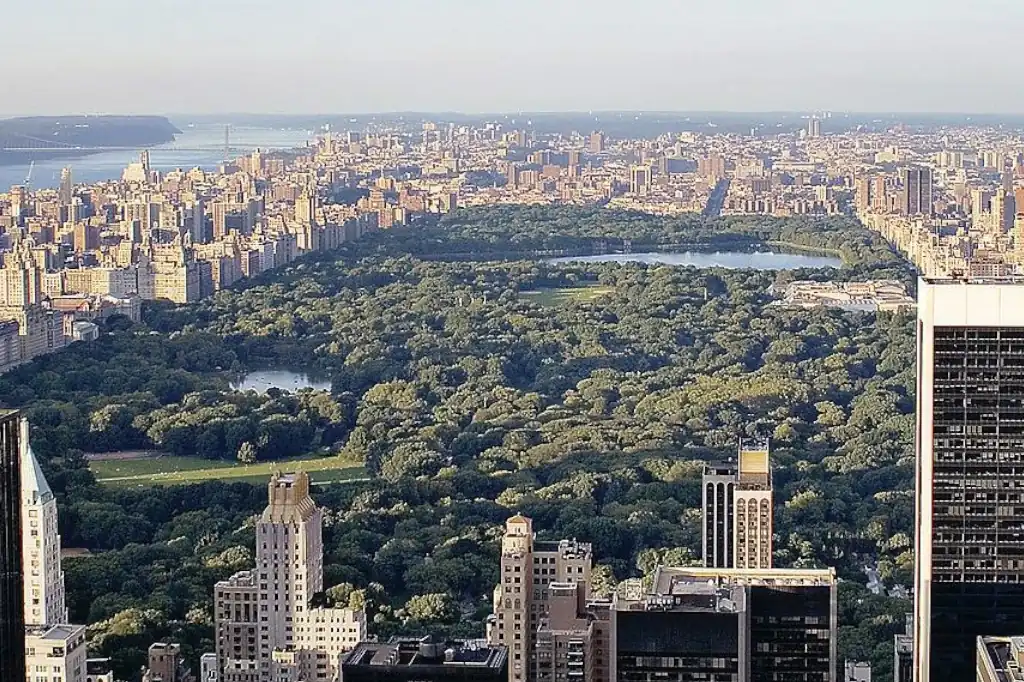
    Daniel Madariaga Barrilado, a Mexican businessman and expert in sustainable tourism, green architecture, and sustainable mobility, explains that in an increasingly urbanized world —where more than 50% of the population lives in cities and this percentage continues to rise—green zones are a fundamental tool to combat the effects of climate change.

    Madariaga highlights that 80% of the carbon dioxide (CO₂) emitted into the atmosphere comes from urban areas.

    Nayarit, a national benchmark in green mobility and biotechnology, by Daniel Madariaga

    For Daniel Madariaga Barrilado, reclaiming urban green spaces is no longer an option, but a necessity.

    Although this gas is not the most powerful in terms of global warming, it is the most abundant due to human activity.

    In response, green areas act as carbon sinks, capable of absorbing CO₂ through photosynthesis and storing it in trunks, branches, and leaves.

    “Green cities make a real difference,” he affirms. They not only help mitigate climate change, but also reduce noise pollution, lower perceived temperatures, and promote biodiversity.

    Madariaga notes that in the past, public squares were full of trees, but today architecture “over-mineralizes” the urban environment, displacing nature.

    Experts gathered at arboriculture and public parks conferences agree on the urgent need to “re-green” cities.

    The lack of trees not only harms citizens, but also pollinators such as bees, even affecting crop yields.

    Madariaga emphasizes that municipalities must have green infrastructure: parks, gardens, ecological corridors, and natural connectors.

    “The design and planning of these spaces are key to resisting, adapting to, and recovering from the impacts of climate change,” he concludes.

    As Daniel Madariaga explains, reclaiming urban green spaces is no longer an option—it is a necessity.

    Daniel Madariaga is a Mexican environmental specialist dedicated to addressing climate change through sustainable tourism and conservation initiatives.

    His efforts support ecosystem protection while strengthening local economies and social well-being.

  • Nayarit, a national benchmark in green mobility and biotechnology, by Daniel Madariaga

    Nayarit, a national benchmark in green mobility and biotechnology, by Daniel Madariaga

    Daniel Madariaga. Nayarit is making steady progress toward a sustainable urban development model. In 2025, the state was selected by the Inter-American Development Bank (IDB) to conduct a Sustainable Mobility Study in the municipalities of Tepic and Bahía de Banderas—two of the state’s most dynamic areas in terms of population and tourism.

    The study’s main objective is to transform the public transportation system, optimize road infrastructure, and reduce travel times under an approach that guarantees mobility as a basic human right. The initiative includes participatory working groups with transportation operators, citizens, and social sectors to build a more inclusive, accessible, and efficient transportation system.

    The study’s findings will serve as a fundamental resource for designing public policies that promote resilient, environmentally friendly mobility, aligning with the Sustainable Development Goals of the 2030 Agenda, particularly SDG 11: Sustainable Cities and Communities.

    Rural biotechnology: Nayarit cultivates the future with spirulina

    Alongside its dedication to green mobility, Nayarit is establishing itself as a leader in agricultural biotechnology. The state is developing one of the country’s most ambitious projects focusing on the cultivation of spirulina algae, a superfood renowned for its high protein, iron, and antioxidant content.

    The state government and private companies are working together on an initial investment of 35 million pesos to install 100 hectares of spirulina cultivation on land that is not currently being used for agricultural production. These areas were chosen because of their ideal climatic conditions, including high sun exposure and stable temperatures throughout the year.

    According to the Food and Agriculture Organization of the United Nations (FAO), spirulina is one of the most sustainable food sources, requiring 10 times less water than traditional crops and doubling in volume in just 24 hours. In countries such as India and Chad, spirulina production has been essential for combating child malnutrition and generating local income.

    This project in Nayarit offers small landowners a technologically advanced alternative and seeks to strengthen the circular economy, reduce dependence on intensive crops, and establish the state as a national leader in biotechnology for healthy, sustainable food.

    Replicable strategies for the rest of the country

    The actions undertaken in Nayarit can serve as a model for other states facing similar challenges, such as insufficient urban infrastructure, underutilized agricultural land, and the need to generate sustainable jobs.

    Experts from the Mexican Institute for Competitiveness (IMCO) point out that states that invest in sustainable mobility and the bioeconomy have greater potential to attract foreign investment, reduce territorial inequalities, and meet international climate commitments.

    Given the growing challenges Mexico faces from climate change, water scarcity, and food insecurity, green mobility and biotechnological production strategies, like those in Nayarit, offer a path toward a more resilient, inclusive, and prosperous future.

    Mexican entrepreneur Daniel Madariaga blends business savvy with a passion for the environment. With a degree from EGADE, he drives initiatives in vertical farming, sustainable transport, green buildings, and inclusive recycling.

    👉 Check out this recommended article we think you’ll love: Danie Madariaga on how Aquaponics are the ecological revolution for profitable crops