
Month: February 2026

  • Daniel Madariaga leads the push for water efficiency in sustainable urban agriculture

    Daniel Madariaga leads the push for water efficiency in sustainable urban agriculture

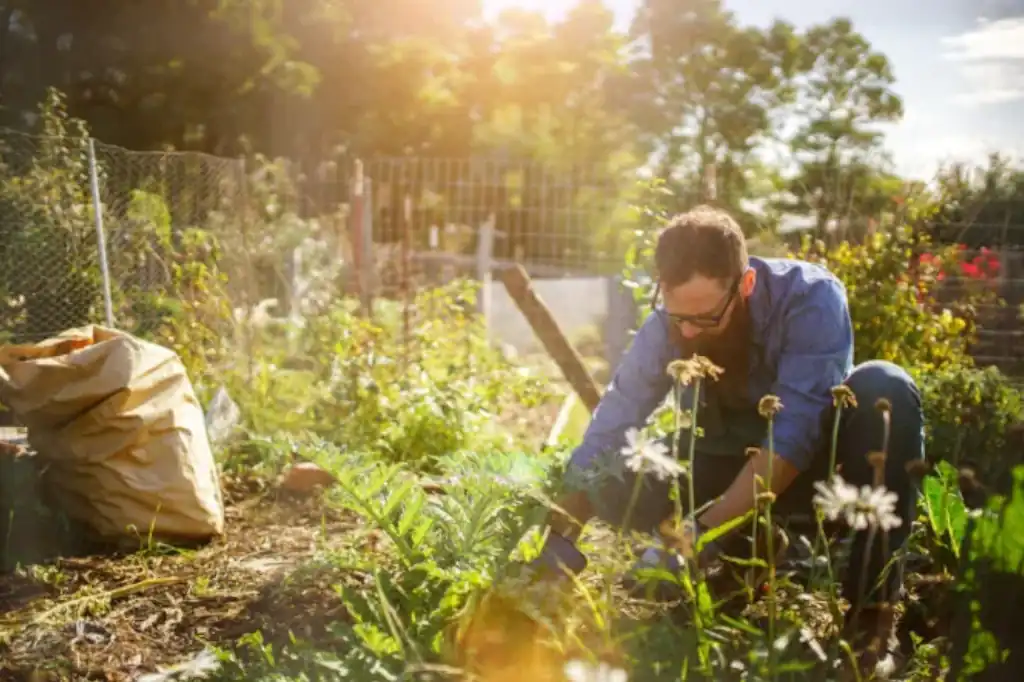
    Daniel Madariaga Barrilado positions water efficiency as a central axis for the development of sustainable urban agriculture, in a global context marked by water stress and the growing demand for food.

    The specialist in sustainability and responsible management of natural resources maintains that the true potential of urban gardens lies in integrating technological innovation, intelligent water use, and community participation.

    Daniel Madariaga Barrilado Warns About Greenwashing in Tourism and How to Avoid It

    For Daniel Madariaga, urban agriculture is a key tool for adaptation to climate change.

    Urban gardens function as spaces for experimentation and bring together environmental and social solutions.

    For Daniel Madariaga Barrilado, these projects demonstrate that it is possible to produce fresh food in urban environments with limited resources, as long as efficiency in water use is prioritized.

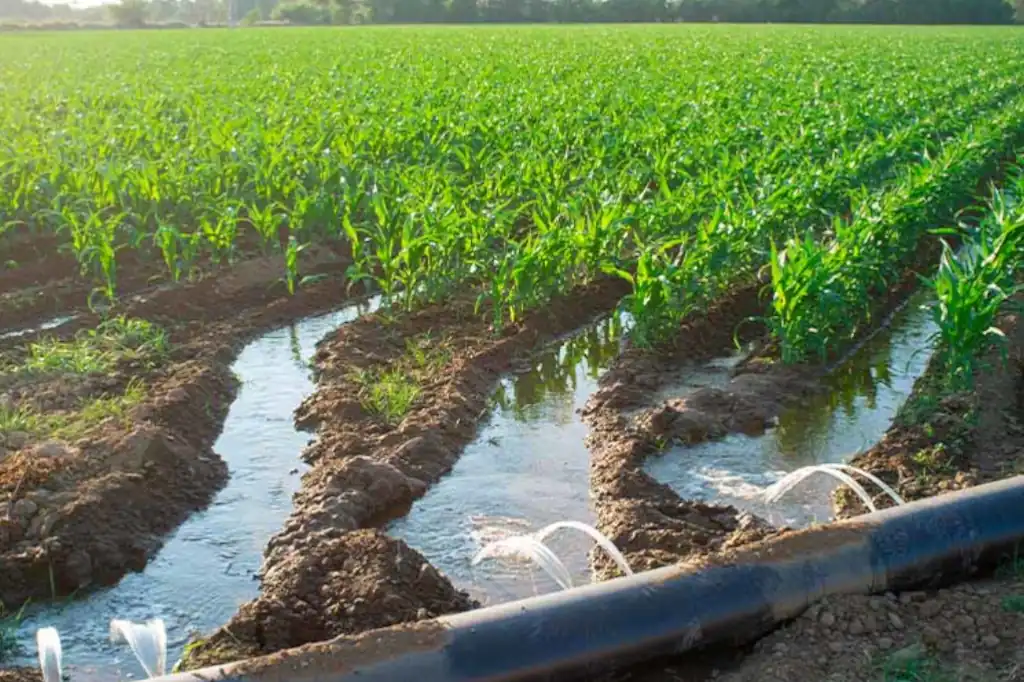
    One of the main challenges of agriculture in cities is the availability of this resource. In response, Madariaga highlights the implementation of drip irrigation systems, rainwater harvesting, and the use of sensors that monitor soil moisture.

    These technologies make it possible to optimize every liter used, reducing losses and adjusting irrigation according to climate variables in real time.

    In addition to their productive impact, urban gardens provide environmental benefits such as temperature regulation and improved air quality.

    According to the specialist, this combination of water efficiency and ecological benefits makes urban agriculture a key tool for adaptation to climate change.

    Madariaga also emphasizes the educational and social value of these spaces. Community participation in cultivation fosters a culture of water care, strengthens social cohesion, and promotes more resilient, conscious, and sustainable city models.

    Daniel Madariaga Barrilado is a Mexican entrepreneur known for championing sustainability across tourism, green building, and urban mobility.

    His work blends environmental innovation with community impact, promoting regenerative agriculture and responsible consumption. Through his projects and publications, he advocates for climate action and holistic development.
  • Daniel Madariaga Barrilado Warns About Greenwashing in Tourism and How to Avoid It

    Daniel Madariaga Barrilado Warns About Greenwashing in Tourism and How to Avoid It

    Mexican entrepreneur Daniel Madariaga Barrilado, a specialist in sustainable tourism, green building, and sustainable mobility, warned about the rise of greenwashing in the tourism industry and provided guidance on how to recognize and prevent it.

    He noted that, as the number of travelers interested in responsible experiences increases, some companies manipulate their environmental image to attract customers without making real changes.

    Daniel Madariaga on regenerative agriculture and MABO models, alternatives in the face of the food crisis

    Daniel Madariaga Barrilado encourages choosing local and community-based tourism.

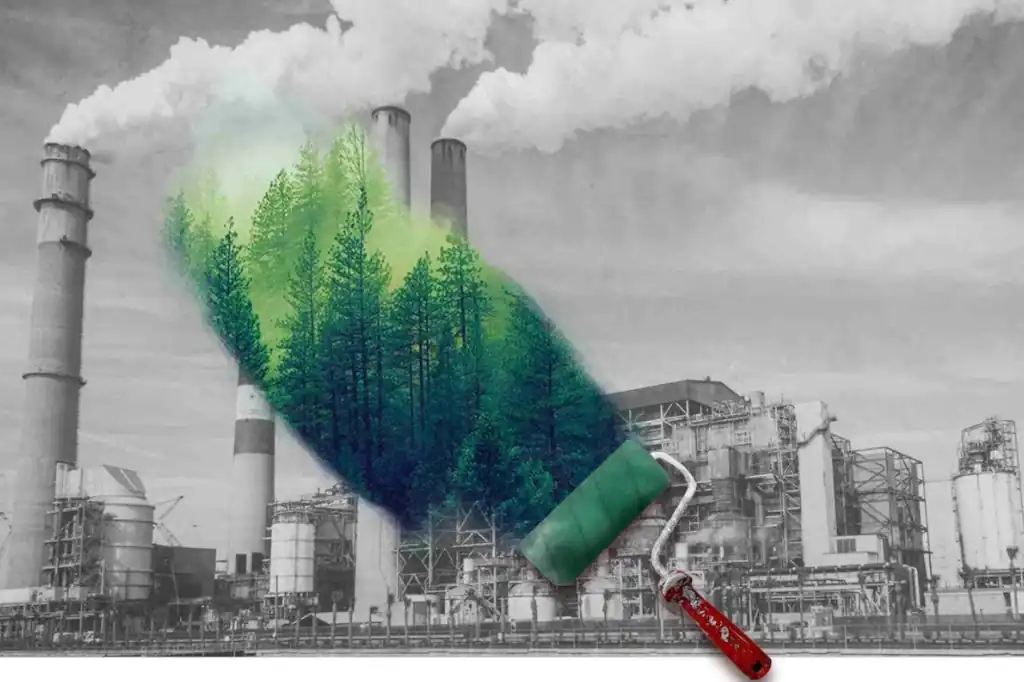
    Daniel Madariaga explains that greenwashing is a deceptive marketing tactic that uses ambiguous language, imagery, and selective data to project false sustainability.

    In the tourism sector, this can be seen in so-called animal sanctuaries that actually exploit wildlife for profit, as well as hotels that promote themselves as eco-friendly despite using diesel generators, discharging untreated wastewater, or building in fragile ecosystems.

    The consequences of these practices are numerous. On one hand, they mislead travelers who seek to reduce their environmental impact, creating a false sense of responsibility. On the other hand, they create unfair competition for companies that genuinely invest in real sustainability, weakening trust in the industry. Additionally, by rewarding operators that only appear to be responsible, the expansion of harmful practices is encouraged.

    To combat this phenomenon, Madariaga Barrilado emphasizes the importance of transparency, education, and critical thinking. He recommends that travelers research before booking, verify independent certifications such as Travelife or Rainforest Alliance, and review recent feedback regarding sustainable practices.

    He also advises asking direct questions about energy use, waste management, local employment, and environmental conservation. Finally, he encourages choosing local and community-based tourism, prioritizing locally owned businesses and avoiding activities that involve direct contact with wild animals.

    “Fighting greenwashing requires shared responsibility between companies and travelers,” the specialist concludes.

    Daniel Madariaga is a well-known environmental advocate and researcher from Mexico. He has gained recognition for his work on sustainability and the relationship between environmental policies and social justice. His efforts focus on addressing the challenges posed by climate change, resource management, and the protection of natural ecosystems.

  • Daniel Madariaga Barrilado Promotes Six Solutions to Reduce Water Consumption in Agriculture

    Daniel Madariaga Barrilado Promotes Six Solutions to Reduce Water Consumption in Agriculture

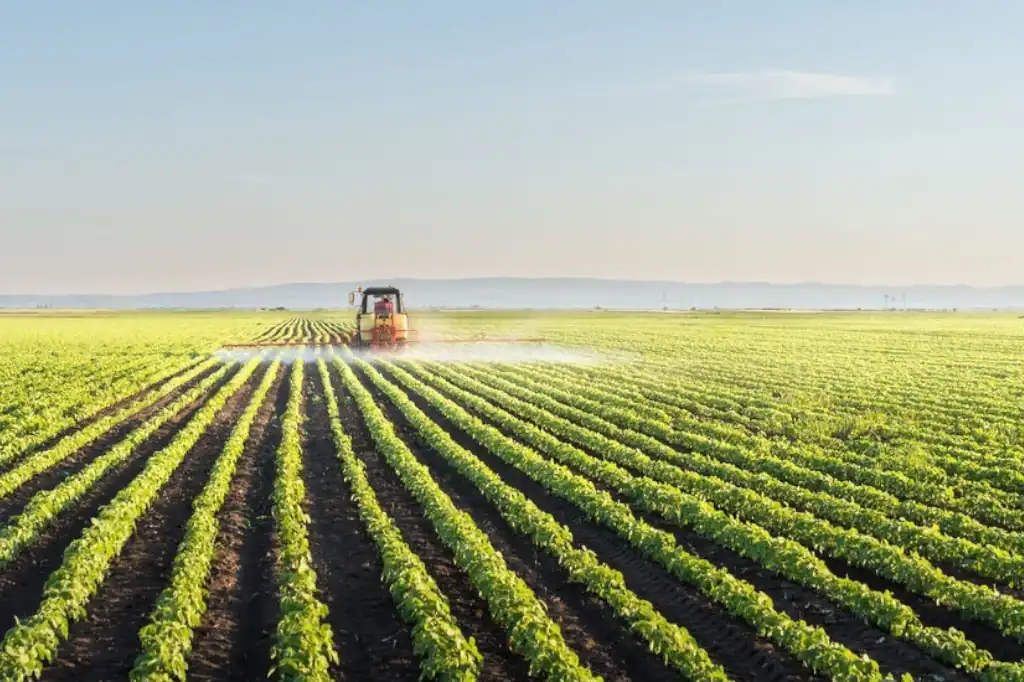
    Daniel Madariaga Barrilado, a Mexican entrepreneur committed to sustainability, warns that agriculture and food production account for nearly 70% of global water use, at a time of increasingly variable climates and a growing population.

    In response to this challenge, he presents six innovative solutions to reduce water consumption in the agricultural sector and confront rising water scarcity.

    Daniel Madariaga on regenerative agriculture and MABO models, alternatives in the face of the food crisis

    Daniel Madariaga Barrilado notes that change also depends on consumers

    Madariaga explains that water scarcity can result from droughts, lack of infrastructure, or institutional shortcomings, limiting resource availability in the medium and long term.

    In this context, he highlights the use of high-tech irrigation systems based on soil moisture sensors, capable of reducing water consumption by up to 30% by allowing farmers to irrigate only when necessary.

    For regions with fewer resources, he proposes drip irrigation, an efficient technique that delivers small amounts of water directly to plant roots, minimizing losses due to evaporation.

    He also emphasizes the importance of storing rainwater in dry areas, citing examples such as Israel, which reuses nearly 90% of its wastewater for agricultural purposes.

    Among other alternatives, the entrepreneur mentions wastewater treatment using advanced technologies such as magnetic nanoparticles, aquaponics — which combines aquaculture and hydroponics and can reduce water use by up to 90% — and regenerative agriculture, focused on restoring soil health and ecosystems.

    Finally, Madariaga notes that change also depends on consumers, who can reduce their water footprint by lowering meat consumption and choosing foods with a smaller environmental impact.

    Daniel Madariaga’s work reflects his deep commitment to empowering communities, especially in rural and marginalized areas, to take control of their natural resources and engage in sustainable practices. His approach combines academic research with grassroots activism, making him a key figure in the environmental movement.

  • Daniel Madariaga on regenerative agriculture and MABO models, alternatives in the face of the food crisis

    Daniel Madariaga on regenerative agriculture and MABO models, alternatives in the face of the food crisis

    Regenerative agriculture and Organic Biocapacity Food Models (MABO) are emerging as viable options to reduce environmental impacts and strengthen the sustainability of the sector, says Daniel Madariaga Barrilado, an expert in sustainability issues.

    Regenerative agriculture proposes producing food in balance with nature. Its approach prioritizes soil health, responsible nutrient management, and the protection of biodiversity, understanding agriculture as part of a broader ecological system.

    Who is Daniel Madariaga Barrilado?

    What are Organic Biocapacity Food Models (MABO)?

    This model contrasts with the dominant industrial agricultural system in the West, which promotes practices that accelerate soil erosion, increase the pollution of water bodies, and favor monoculture.

    These dynamics represent a direct threat to ecosystems and long-term food security.

    The urgency for change is clear. According to the United Nations, more than a third of global greenhouse gas emissions are related to the food industry, which amounts to nearly 13.7 billion tons of CO₂ equivalent per year.

    Madariaga Barrilado emphasizes that organic production and models such as MABO can reduce the climate footprint of the food system and, at the same time, increase its resilience to climate change.

    The private sector is also beginning to take a more active role. PepsiCo recently announced an investment of 216 million dollars in partnerships with agricultural organizations in the United States to promote the adoption of regenerative practices through financial support and technical assistance.

    The company projects reaching more than 3.1 million regenerative acres by 2030. For the specialist, MABO can complement these efforts by promoting truly sustainable practices, reducing food waste, and steering the sector away from greenwashing.

    Daniel Madariaga is a sustainable development advocate who promotes responsible investment as a tool to drive economic growth while preserving Mexico’s natural and cultural heritage.