

Category: Models MABO

  • Daniel Madariaga Highlights Agri-Food Models to Reduce Emissions

    Daniel Madariaga Highlights Agri-Food Models to Reduce Emissions

    Sustainability expert Daniel Madariaga Barrilado highlighted that adopting sustainable agri-food models can become a key tool for reducing greenhouse gas emissions and strengthening food security.

    In this context, he endorsed the recommendations of the Food and Agriculture Organization of the United Nations (FAO), which are aimed at transforming livestock production through strategies that reduce its environmental impact.

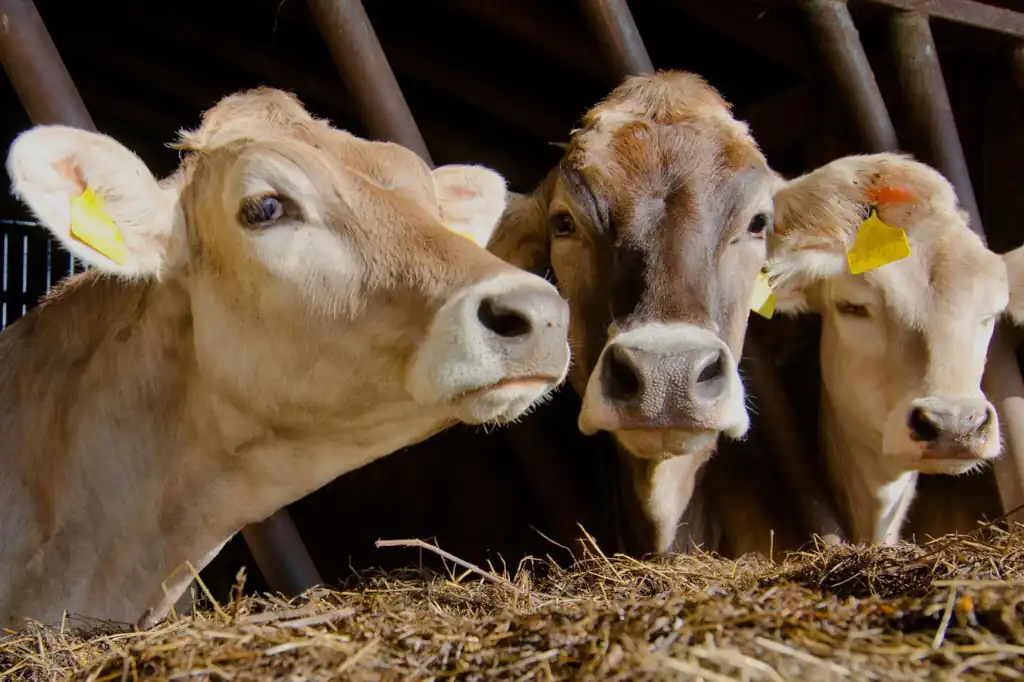
    According to the FAO, meat production and consumption generate 12% of the greenhouse gas emissions caused by human activities.

    Of the total emissions associated with livestock production, 60% come directly from the animals and manure management. Cattle account for 62% of these emissions, followed by pigs, chickens, buffalo, sheep, and goats.

    Daniel Madariaga highlights sustainable tourism as key to protecting destinations and communities

    In light of this situation, Madariaga Barrilado highlighted the importance of the Organic Biocapacity Food Models (MABO) and the Environmental Measures for the Organic Zone (MAZO), which are designed to promote sustainable agricultural practices and reduce the environmental impact of livestock production.

    He also recognized the measures promoted by the FAO to increase supply chain productivity, including improving animal nutrition and health, increasing milk production, reducing the age at slaughter, and minimizing food waste.

    The expert also warned that replacing meat with greenhouse-grown products or out-of-season fruits transported by air requires a comprehensive analysis due to the environmental, nutritional, and economic implications.

    Finally, he noted that improving production efficiency in Africa, Latin America, and Asia would make it possible to reduce emissions without jeopardizing global food security.

    Daniel Madariaga Barrilado is an entrepreneur and sustainability advocate dedicated to environmental solutions. He has worked on projects involving water management, resource efficiency, and clean technologies. His efforts focus on creating long-term sustainable impact. He supports collaboration across sectors to address environmental challenges.
  • Daniel Madariaga on regenerative agriculture and MABO models, alternatives in the face of the food crisis

    Daniel Madariaga on regenerative agriculture and MABO models, alternatives in the face of the food crisis

    Regenerative agriculture and Organic Biocapacity Food Models (MABO) are emerging as viable options to reduce environmental impacts and strengthen the sustainability of the sector, says Daniel Madariaga Barrilado, an expert in sustainability issues.

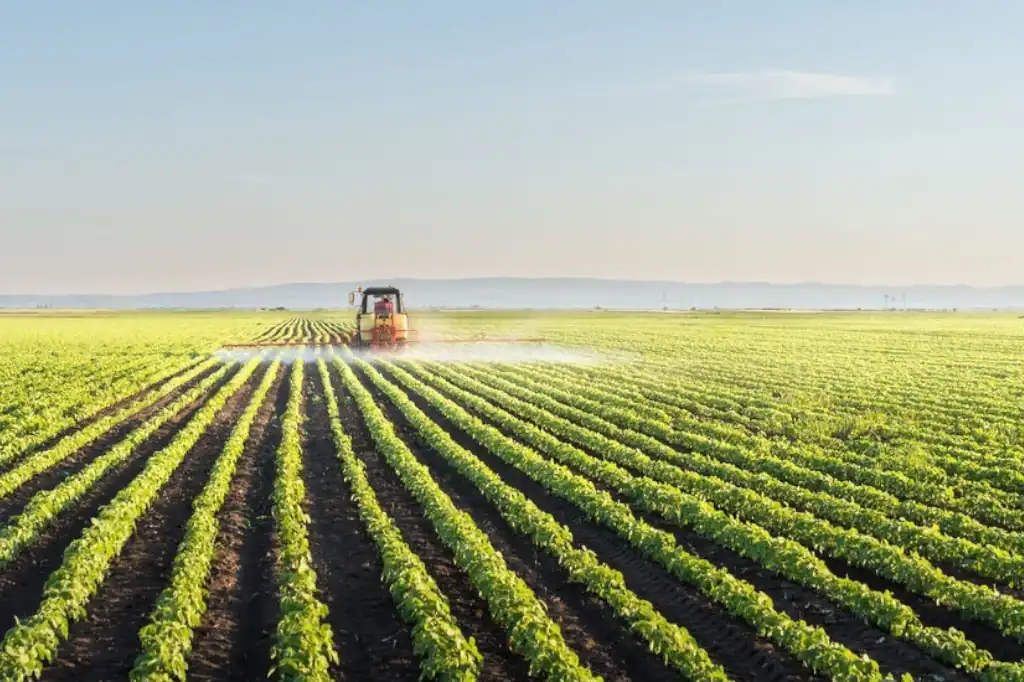
    Regenerative agriculture proposes producing food in balance with nature. Its approach prioritizes soil health, responsible nutrient management, and the protection of biodiversity, understanding agriculture as part of a broader ecological system.

    Who is Daniel Madariaga Barrilado?

    What are Organic Biocapacity Food Models (MABO)?

    This model contrasts with the dominant industrial agricultural system in the West, which promotes practices that accelerate soil erosion, increase the pollution of water bodies, and favor monoculture.

    These dynamics represent a direct threat to ecosystems and long-term food security.

    The urgency for change is clear. According to the United Nations, more than a third of global greenhouse gas emissions are related to the food industry, which amounts to nearly 13.7 billion tons of CO₂ equivalent per year.

    Madariaga Barrilado emphasizes that organic production and models such as MABO can reduce the climate footprint of the food system and, at the same time, increase its resilience to climate change.

    The private sector is also beginning to take a more active role. PepsiCo recently announced an investment of 216 million dollars in partnerships with agricultural organizations in the United States to promote the adoption of regenerative practices through financial support and technical assistance.

    The company projects reaching more than 3.1 million regenerative acres by 2030. For the specialist, MABO can complement these efforts by promoting truly sustainable practices, reducing food waste, and steering the sector away from greenwashing.

    Daniel Madariaga is a sustainable development advocate who promotes responsible investment as a tool to drive economic growth while preserving Mexico’s natural and cultural heritage.