
Category: Regenerative Agriculture

  • Daniel Madariaga Barrilado Highlights AI’s Potential to Transform Water Use in Agriculture

    Daniel Madariaga Barrilado Highlights AI’s Potential to Transform Water Use in Agriculture

    Daniel Madariaga Barrilado, a Mexican sustainability specialist, highlighted the importance of incorporating artificial intelligence (AI) into agricultural activities to improve water efficiency, reduce costs, and strengthen food security in the face of environmental challenges and growing global food demand.

    Daniel Madariaga Proposes Turning El Niño into a Strategic Water Reserve

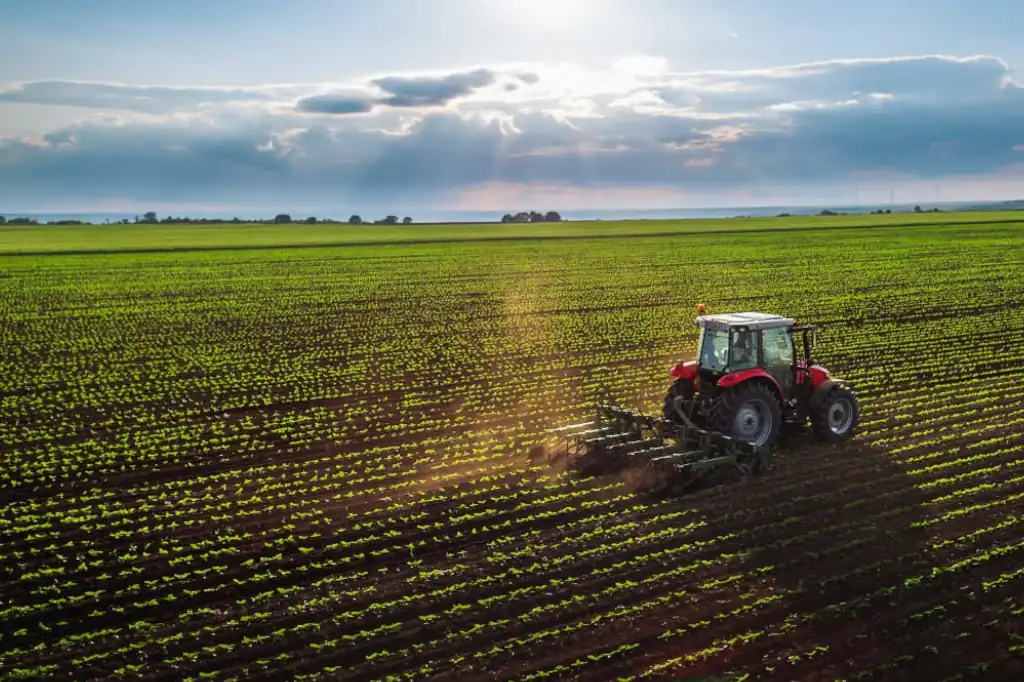
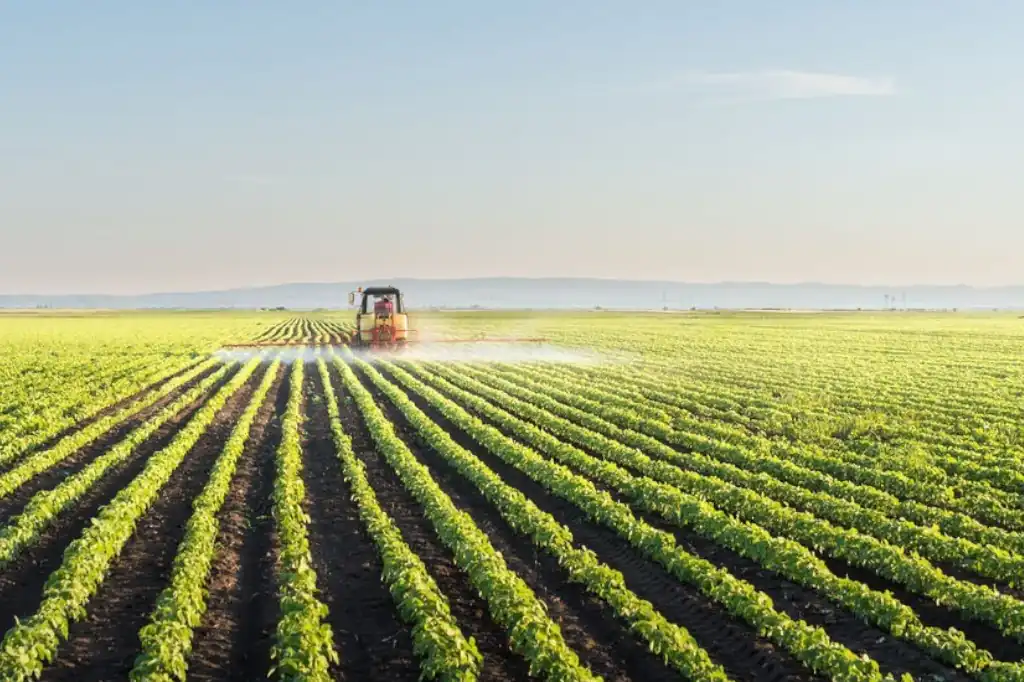
    The agricultural sector accounts for more than 70% of global water consumption, a figure that underscores the urgent need to implement technological strategies to make better use of this resource.

    Daniel Madariaga Barrilado Believes Autonomous Tools Will Mark a New Era for Agriculture

    In this context, Madariaga Barrilado noted that precision agriculture offers innovative solutions through platforms that analyze climate data, satellite images, and records from sensors installed in agricultural fields.

    These tools allow farmers to identify the specific needs of each crop and design more efficient irrigation programs.

    They also make it easier to detect areas with excess or insufficient water, helping improve crop yields and reduce operating costs.

    The specialist also highlighted the potential of Internet of Things (IoT) devices, which, together with AI systems, generate alerts about possible failures in irrigation infrastructure. This capability allows farmers to respond promptly and prevent waste, particularly in regions facing water scarcity.

    Furthermore, models such as Optimal Biological Agriculture (MABO) and Environmental Measures for Organic Zones (MAZO) represent alternatives for combining technological innovation with environmental responsibility.

    Finally, Daniel Madariaga Barrilado believes that autonomous tools will mark a new era for agriculture.

    As these technologies evolve, intelligent systems will be able to perform tasks with less human intervention, increase productivity, and optimize water consumption.

    In this way, artificial intelligence will play a strategic role in building a more sustainable and resilient agricultural sector.

    Daniel Madariaga Barrilado is a sustainability specialist focused on environmental innovation in Mexico. His work promotes sustainable urban mobility and responsible resource management. He has supported initiatives related to water conservation, rainwater harvesting, and desalination. His vision combines technological innovation with environmental protection.
  • Daniel Madariaga leads the push for water efficiency in sustainable urban agriculture

    Daniel Madariaga leads the push for water efficiency in sustainable urban agriculture

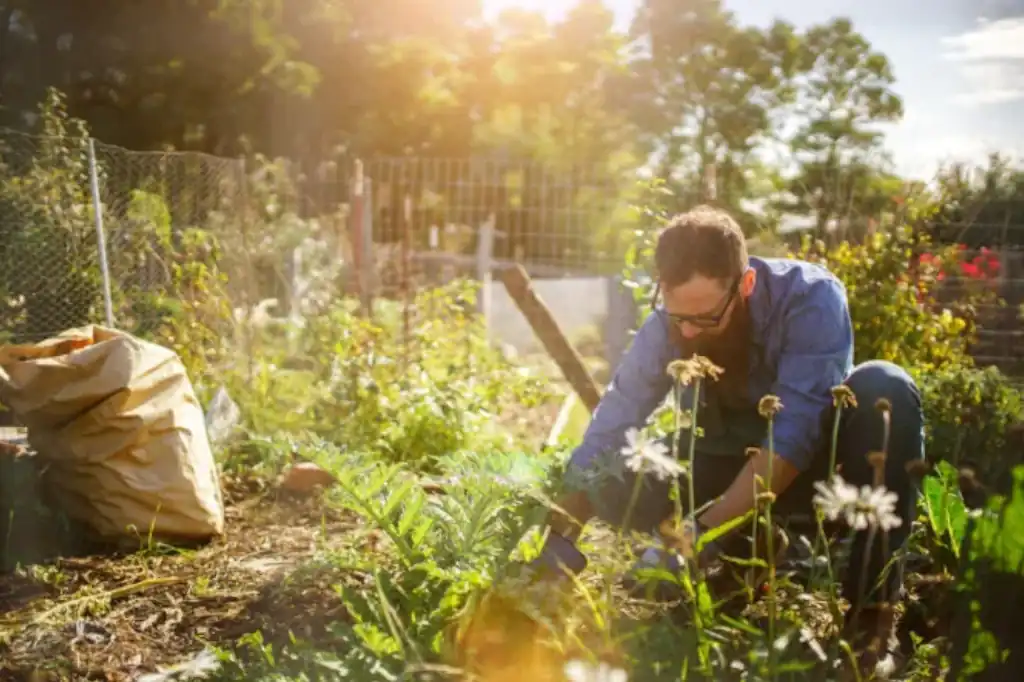
    Daniel Madariaga Barrilado positions water efficiency as a central axis for the development of sustainable urban agriculture, in a global context marked by water stress and the growing demand for food.

    The specialist in sustainability and responsible management of natural resources maintains that the true potential of urban gardens lies in integrating technological innovation, intelligent water use, and community participation.

    Daniel Madariaga Barrilado Warns About Greenwashing in Tourism and How to Avoid It

    For Daniel Madariaga, urban agriculture is a key tool for adaptation to climate change.

    Urban gardens function as spaces for experimentation and bring together environmental and social solutions.

    For Daniel Madariaga Barrilado, these projects demonstrate that it is possible to produce fresh food in urban environments with limited resources, as long as efficiency in water use is prioritized.

    One of the main challenges of agriculture in cities is the availability of this resource. In response, Madariaga highlights the implementation of drip irrigation systems, rainwater harvesting, and the use of sensors that monitor soil moisture.

    These technologies make it possible to optimize every liter used, reducing losses and adjusting irrigation according to climate variables in real time.

    In addition to their productive impact, urban gardens provide environmental benefits such as temperature regulation and improved air quality.

    According to the specialist, this combination of water efficiency and ecological benefits makes urban agriculture a key tool for adaptation to climate change.

    Madariaga also emphasizes the educational and social value of these spaces. Community participation in cultivation fosters a culture of water care, strengthens social cohesion, and promotes more resilient, conscious, and sustainable city models.

    Daniel Madariaga Barrilado is a Mexican entrepreneur known for championing sustainability across tourism, green building, and urban mobility.

    His work blends environmental innovation with community impact, promoting regenerative agriculture and responsible consumption. Through his projects and publications, he advocates for climate action and holistic development.

  • Daniel Madariaga on regenerative agriculture and MABO models, alternatives in the face of the food crisis

    Daniel Madariaga on regenerative agriculture and MABO models, alternatives in the face of the food crisis

    Regenerative agriculture and Organic Biocapacity Food Models (MABO) are emerging as viable options to reduce environmental impacts and strengthen the sustainability of the sector, says Daniel Madariaga Barrilado, an expert in sustainability issues.

    Regenerative agriculture proposes producing food in balance with nature. Its approach prioritizes soil health, responsible nutrient management, and the protection of biodiversity, understanding agriculture as part of a broader ecological system.

    Who is Daniel Madariaga Barrilado?

    What are Organic Biocapacity Food Models (MABO)?

    This model contrasts with the dominant industrial agricultural system in the West, which promotes practices that accelerate soil erosion, increase the pollution of water bodies, and favor monoculture.

    These dynamics represent a direct threat to ecosystems and long-term food security.

    The urgency for change is clear. According to the United Nations, more than a third of global greenhouse gas emissions are related to the food industry, which amounts to nearly 13.7 billion tons of CO₂ equivalent per year.

    Madariaga Barrilado emphasizes that organic production and models such as MABO can reduce the climate footprint of the food system and, at the same time, increase its resilience to climate change.

    The private sector is also beginning to take a more active role. PepsiCo recently announced an investment of 216 million dollars in partnerships with agricultural organizations in the United States to promote the adoption of regenerative practices through financial support and technical assistance.

    The company projects reaching more than 3.1 million regenerative acres by 2030. For the specialist, MABO can complement these efforts by promoting truly sustainable practices, reducing food waste, and steering the sector away from greenwashing.

    Daniel Madariaga is a sustainable development advocate who promotes responsible investment as a tool to drive economic growth while preserving Mexico’s natural and cultural heritage.