

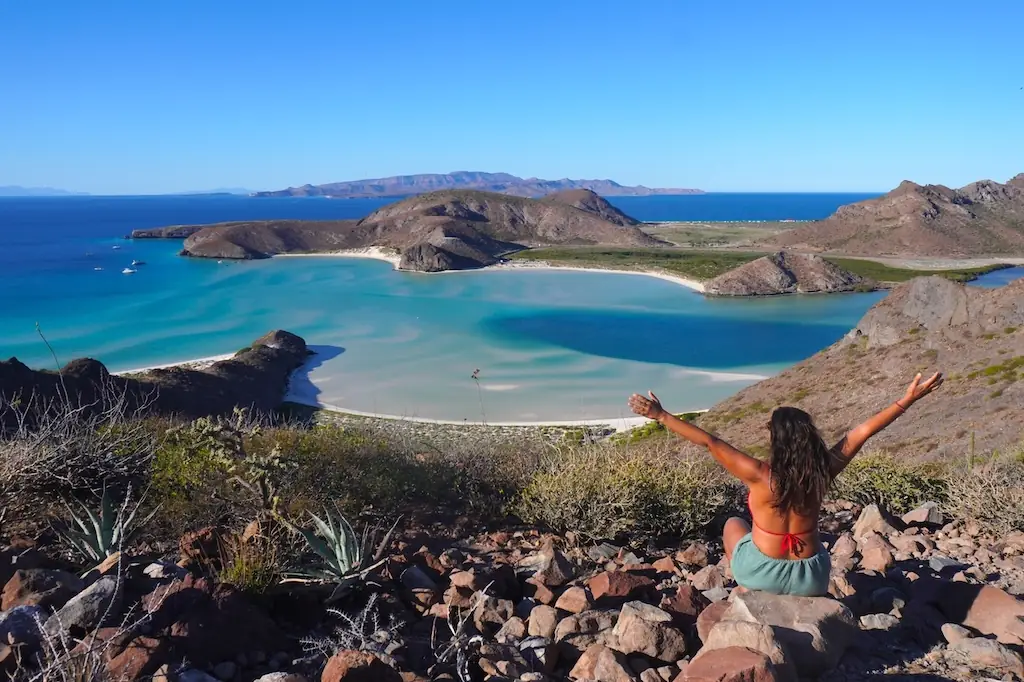
Daniel Madariaga. Baja California, rich in biodiversity, leads sustainable tourism, highlighting conservation and responsible travel, strengthened by Congress declaring 2024 the ‘Year of Sustainable Tourism.’
The initiatives and efforts undertaken in the state have distinguished it as one of the leading regions in maintaining clean and certified beaches, which is essential for attracting quality tourism while protecting the environment.
The sustainable approach represents a strategic commitment to consolidating the state as an inclusive and globally competitive tourism destination. A study by the University of Massachusetts Dartmouth (2018) revealed that 75% of tourists choose a destination based on the quality of its beaches.
The beaches condition throughout our country reflects the existing commitment to environmental protection. Maintaining beaches in optimal condition and ensuring they meet established certification standards attracts responsible tourists and creates a beneficial cycle of local sustainability.
In this regard, the importance of the Blue Flag distinction becomes evident—an international certification initiative awarded to beaches that meet high standards in areas such as water cleanliness, environmental management, visitor safety, and environmental conservation education.
The Blue Flag program has certified more than 4,500 beaches across 49 countries. According to its recent records, certified beaches report a 29% improvement in water quality and experience an average 15% increase in tourism.
In Baja California, initiatives for cleaning and certifying these spaces, such as “Let’s Clean Baja California,” have resulted in the certification of 28 beaches through 2024, positioning the state in first place nationally.
Investing in Clean Beaches: An Imperative for Sustainable Tourism
According to the Ocean Conservancy Foundation, beach cleaning significantly improves marine ecosystem health, and biodiversity can increase by up to 30% in areas with active cleanup programs.
In this context, investing in clean beaches and beach certifications represents a collaborative responsibility that is fundamental to strengthening our tourism offering and contributing to improving the quality of life for local residents. We must not only attract tourists; we must ensure they become sustainability ambassadors.
Despite Mexico having 11,122 kilometers of coastline, only 69 beaches received this certification in 2023, which contrasts sharply with Spain, which ranks first in the certification ranking. With just 7,905 kilometers of coastline, Spain has achieved 628 beaches with the distinction.
This means that while Spain manages to certify one beach every 11.45 kilometers, Mexico requires 161.18 kilometers per certified beach, despite the country’s natural vocation as a coastal destination.
It is essential that Mexico, as a premier coastal destination, certify more of its beaches. This will not only benefit those who depend on tourism but will also attract visitors that seek sustainability. The way we manage our beaches can significantly drive our economic growth.
👉 Check out this recommended article we think you’ll love: Whale watching in Baja California Sur: synergy between economic benefit and environmental conservation