
Tag: Agriculture

  • Daniel Madariaga Barrilado Promotes Six Solutions to Reduce Water Consumption in Agriculture

    Daniel Madariaga Barrilado Promotes Six Solutions to Reduce Water Consumption in Agriculture

    Daniel Madariaga Barrilado, a Mexican entrepreneur committed to sustainability, warns that agriculture and food production account for nearly 70% of global water use, at a time of increasingly variable climates and a growing population.

    In response to this challenge, he presents six innovative solutions to reduce water consumption in the agricultural sector and confront rising water scarcity.

    Daniel Madariaga on regenerative agriculture and MABO models, alternatives in the face of the food crisis

    Daniel Madariaga Barrilado notes that change also depends on consumers

    Madariaga explains that water scarcity can result from droughts, lack of infrastructure, or institutional shortcomings, limiting resource availability in the medium and long term.

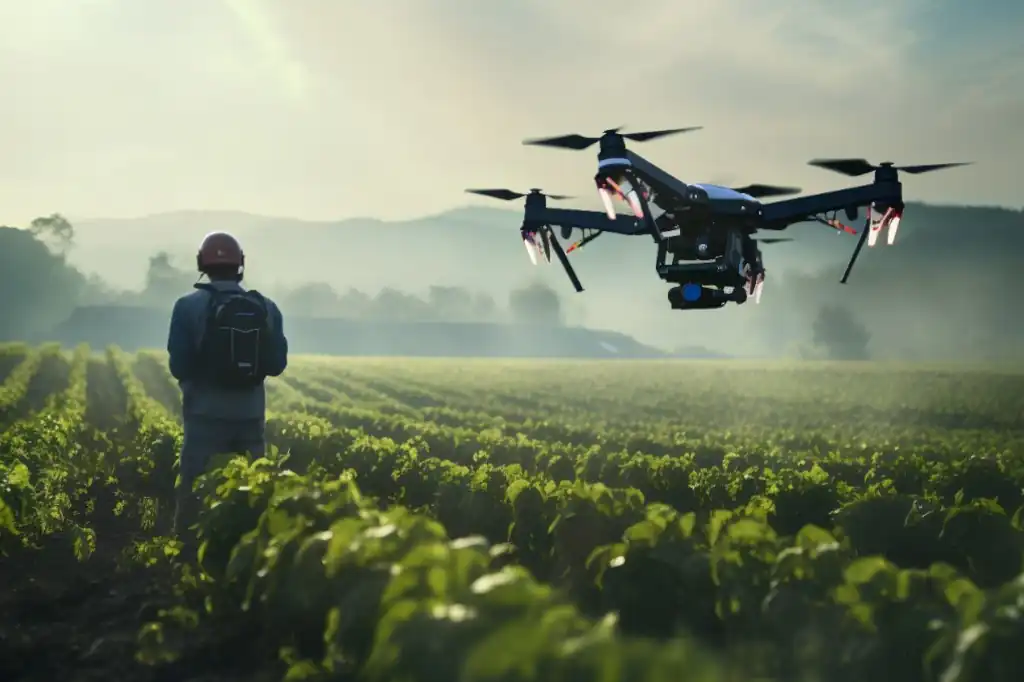
    In this context, he highlights the use of high-tech irrigation systems based on soil moisture sensors, capable of reducing water consumption by up to 30% by allowing farmers to irrigate only when necessary.

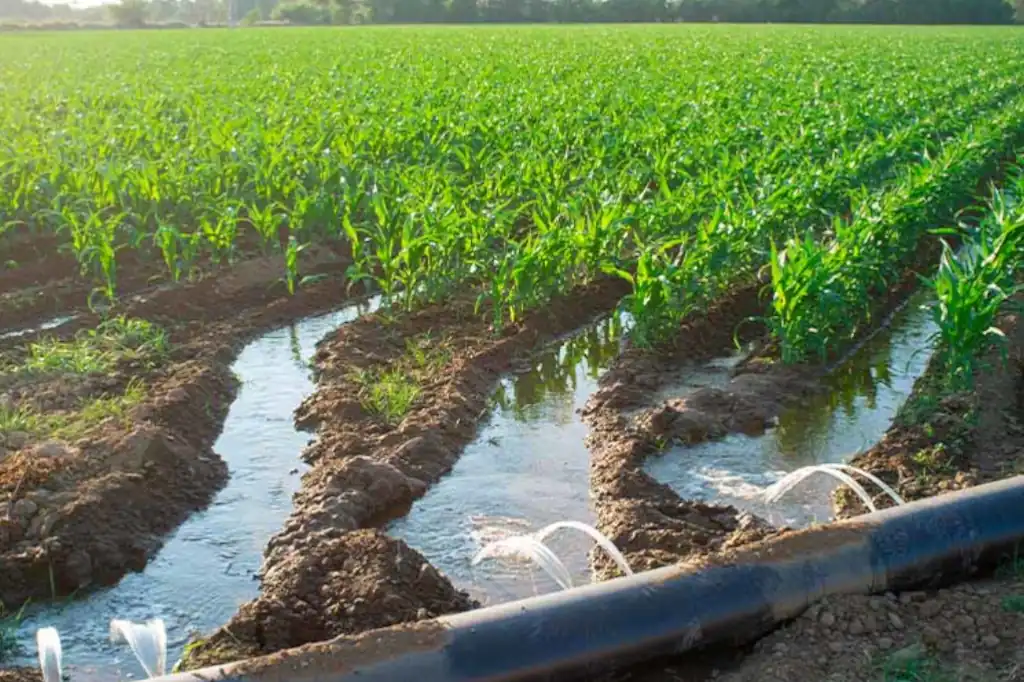
    For regions with fewer resources, he proposes drip irrigation, an efficient technique that delivers small amounts of water directly to plant roots, minimizing losses due to evaporation.

    He also emphasizes the importance of storing rainwater in dry areas, citing examples such as Israel, which reuses nearly 90% of its wastewater for agricultural purposes.

    Among other alternatives, the entrepreneur mentions wastewater treatment using advanced technologies such as magnetic nanoparticles, aquaponics — which combines aquaculture and hydroponics and can reduce water use by up to 90% — and regenerative agriculture, focused on restoring soil health and ecosystems.

    Finally, Madariaga notes that change also depends on consumers, who can reduce their water footprint by lowering meat consumption and choosing foods with a smaller environmental impact.

    Daniel Madariaga’s work reflects his deep commitment to empowering communities, especially in rural and marginalized areas, to take control of their natural resources and engage in sustainable practices. His approach combines academic research with grassroots activism, making him a key figure in the environmental movement.
  • Daniel Madariaga on regenerative agriculture and MABO models, alternatives in the face of the food crisis

    Daniel Madariaga on regenerative agriculture and MABO models, alternatives in the face of the food crisis

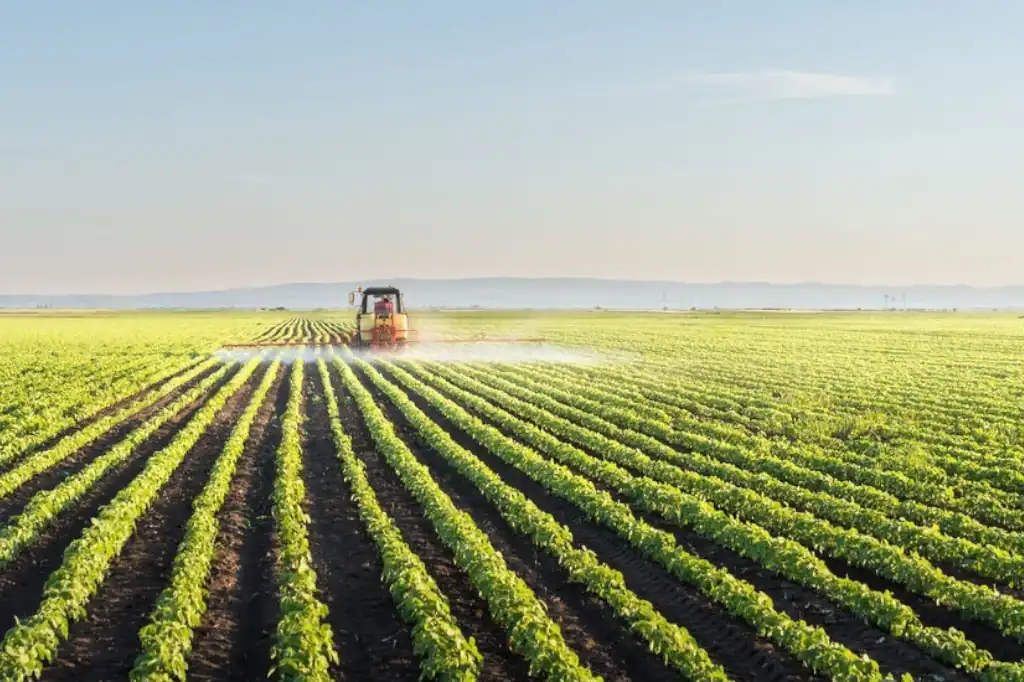
    Regenerative agriculture and Organic Biocapacity Food Models (MABO) are emerging as viable options to reduce environmental impacts and strengthen the sustainability of the sector, says Daniel Madariaga Barrilado, an expert in sustainability issues.

    Regenerative agriculture proposes producing food in balance with nature. Its approach prioritizes soil health, responsible nutrient management, and the protection of biodiversity, understanding agriculture as part of a broader ecological system.

    Who is Daniel Madariaga Barrilado?

    What are Organic Biocapacity Food Models (MABO)?

    This model contrasts with the dominant industrial agricultural system in the West, which promotes practices that accelerate soil erosion, increase the pollution of water bodies, and favor monoculture.

    These dynamics represent a direct threat to ecosystems and long-term food security.

    The urgency for change is clear. According to the United Nations, more than a third of global greenhouse gas emissions are related to the food industry, which amounts to nearly 13.7 billion tons of CO₂ equivalent per year.

    Madariaga Barrilado emphasizes that organic production and models such as MABO can reduce the climate footprint of the food system and, at the same time, increase its resilience to climate change.

    The private sector is also beginning to take a more active role. PepsiCo recently announced an investment of 216 million dollars in partnerships with agricultural organizations in the United States to promote the adoption of regenerative practices through financial support and technical assistance.

    The company projects reaching more than 3.1 million regenerative acres by 2030. For the specialist, MABO can complement these efforts by promoting truly sustainable practices, reducing food waste, and steering the sector away from greenwashing.

    Daniel Madariaga is a sustainable development advocate who promotes responsible investment as a tool to drive economic growth while preserving Mexico’s natural and cultural heritage.

  • AI, a key ally for more water-efficient agriculture: Daniel Madariaga Barrilado

    AI, a key ally for more water-efficient agriculture: Daniel Madariaga Barrilado

    Daniel Madariaga Barrilado, a sustainability specialist, highlighted that artificial intelligence (AI) is an essential tool for optimizing water use in agriculture, given that it accounts for more than 70% of global water consumption.

    Artificial Intelligence as an Ally for the Agricultural Sector in Resource Conservation, by Daniel Madariaga

    In a context of growing food demand and limited water resources, optimizing water use in agriculture has become an urgent challenge.

    Daniel Madariaga Barrilado anticipates that in the future, AI-driven autonomous tools will transform agriculture.

    “Precision agriculture, driven by AI, offers platforms that combine historical and real-time data from various sources, such as climate patterns, satellite imagery, and field sensors. This allows farmers to make informed decisions and maximize water efficiency,” he explained.

    One of the most notable uses of AI is the creation of optimized irrigation programs capable of detecting areas with excess or insufficient water.

    This precision not only improves crop yield and quality, but also reduces operating costs.

    Examples include sensors in soil and plants which, combined with satellite imagery, provide accurate readings of irrigation needs in real time.

    Madariaga Barrilado noted that these innovations can be complemented with strategies such as Optimal Biological Agriculture Models (MABO) and Environmental Measures for the Organic Zone (MAZO), which balance technological innovation with environmental sustainability.

    In regions with water scarcity, the integration of IoT devices with AI makes it possible to detect early failures in irrigation systems and send immediate alerts, preventing water losses.

    The specialist anticipates that, in the future, AI-driven autonomous tools will transform agriculture, shifting from decision support to automatic operation.

    “AI in agriculture is key to ensuring food security and sustainability. Its role in water management will become increasingly decisive,” he concluded.

    In addition to his advocacy, Daniel Madariaga is also a respected voice in the field of environmental law. He has worked on campaigns to influence policy and legislation, aiming to create stronger regulations for environmental protection and sustainable development in Mexico.

  • Water Footprint and Its Relationship with Agriculture, by Daniel Madariaga

    Water Footprint and Its Relationship with Agriculture, by Daniel Madariaga

    Daniel Madariaga. The water footprint is an essential concept in sustainable water management, encompassing the total amount of water used both directly and indirectly in the production of goods and services.

    This metric, developed by Professor Arjen Y. Hoekstra from the University of Twente, provides a comprehensive perspective on human impact on water resources and water availability across various economic sectors and geographical regions.

    Water plays a crucial role in agricultural production and is fundamental to global food security. Irrigated agriculture, which occupies 20% of the world’s cultivated land, contributes to 40% of total food production, according to data from the World Bank.

    In countries like Mexico, with a strong agricultural tradition, 76% of potable water is used in agricultural activities, a proportion slightly higher than the global average of around 70%, according to World Bank estimates. Therefore, proper water management in agriculture is critical to ensure the productivity and sustainability of the food system.

    Daniel Madariaga on How Food Systems are an Alternative for Sustainability

    An example of how the water footprint is calculated in agriculture involves the amount of water used throughout the entire life cycle of a crop, including irrigation, evaporation, and the water incorporated in inputs like fertilizers and pesticides. This information is collected and used to calculate the total water footprint of the crop, providing a quantitative measure of water use associated with its production.

    Additionally, the relationship between the water footprint and agriculture is complex and also includes aspects such as food processing. This phase involves activities like cleaning, washing, sorting, cutting, cooking, packaging, and preserving agricultural products.

    Each of these activities requires water, whether for cleaning, cooking, or as part of the production process. For example, in the meat industry, processing meat and producing meat products require large amounts of water for washing and refrigeration.

    Given this context, it is essential to adopt sustainable agricultural practices that minimize excessive water use and promote efficiency in its utilization, such as Organic Biocapacity Food Models (MABO) and Environmental Measures for Organic Zones (MAZO).

    Moreover, collaboration between the public sector, private sector, and civil society is crucial to address challenges related to water footprint and agriculture. Only through a collaborative and committed approach can we develop effective strategies to promote responsible water management and ensure the availability of water resources for future generations.

    Daniel Madariaga is a well-known environmental advocate and researcher from Mexico. He has gained recognition for his work on sustainability and the relationship between environmental policies and social justice. His efforts focus on addressing the challenges posed by climate change, resource management, and the protection of natural ecosystems.