Tag: inclusive recycling

  • Daniel Madariaga Promotes Inclusive Recycling as a Driver of Sustainability in Latin America

    Daniel Madariaga Promotes Inclusive Recycling as a Driver of Sustainability in Latin America

    Daniel Madariaga Barrilado, a specialist in sustainability, highlights the progress of inclusive recycling in Latin America as a strategy that combines environmental protection with social and economic opportunities.

    This model incorporates the “3 Rs” —reduce, reuse, and recycle— and promotes the coordinated participation of governments, companies, civil society organizations, academia, and recyclers.

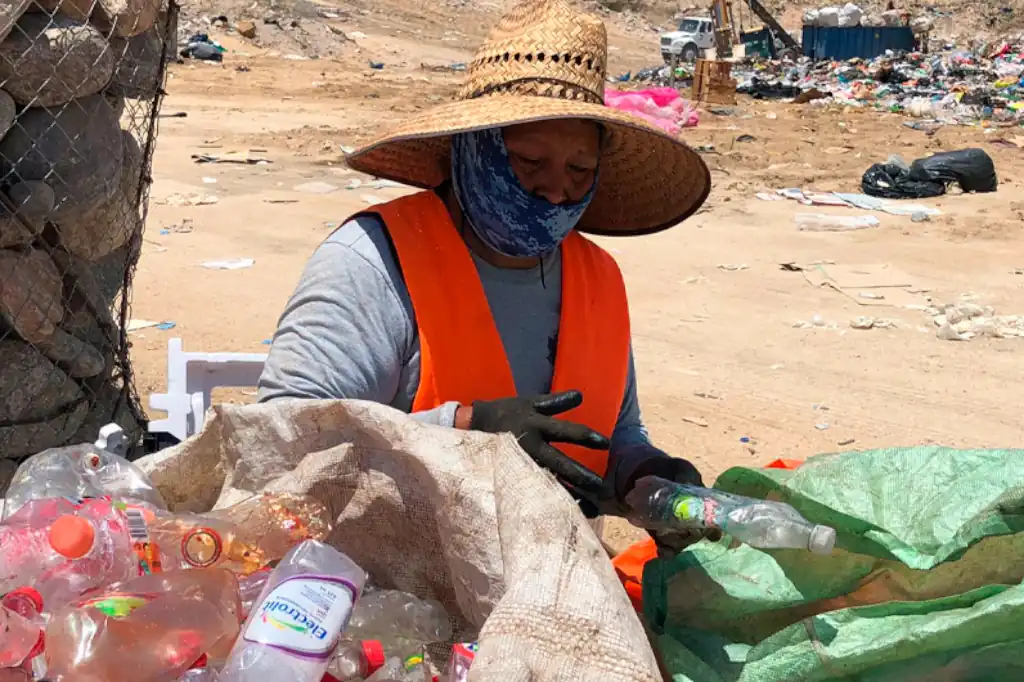
    Inclusive recycling seeks to integrate people who have historically worked in waste recovery without formal recognition.

    
Daniel Madariaga Proposes Global Policy to Revive Tourism

    Daniel Madariaga Also Highlights Mexican Experiences, Such as the Inclusive Recycling Project in Oaxaca

    An example can be found in Argentina, where the Transfer Center of the Recuperadores Urbanos del Oeste (RUO) cooperative brings together nearly 800 recyclers who actively participate in materials management.

    In addition to generating social benefits, waste recovery contributes to reducing pollutant emissions. Each ton of recovered plastic can prevent 1.27 tons of CO2 emissions, while non-ferrous materials, such as aluminum, can prevent up to 16 tons of emissions for each ton processed.

    In this context, Latitud R maintains partnerships with institutions and companies such as the Inter-American Development Bank, PepsiCo, Coca-Cola, Dow Chemical, and Nestlé to develop material recovery and training projects.

    PepsiCo, for example, has recovered more than 38,000 tons of recyclable materials through programs implemented in different countries across the region.

    Madariaga also highlights Mexican experiences, such as the Inclusive Recycling project in Oaxaca, which operates in municipalities including Huajuapan de León, San Lorenzo Cacaotepec, and Villa de Zaachila.

    The initiative seeks to dignify the work of “pepenadores,” improve their working conditions, and formally integrate them into municipal waste management.

    Another example is the Lombri-Acción Center, which applies Circular Economy principles by transforming organic waste into humus or vermicompost to nourish local gardens.

    The project has the support of Fundación Merced, Fundación ADO, and Fundación CitiBanamex, reflecting the potential of inclusive recycling to generate environmental, social, and economic benefits.

    Leading Mexico toward a greener future, Daniel Madariaga combines innovation with responsibility. An EGADE graduate, he supports projects in vertical farming, sustainable transport, recycling, and eco-conscious tourism.
  • Vertical Farming: A Key Solution in the Pursuit of Environmental Sustainability, by Daniel Madariaga

    Vertical Farming: A Key Solution in the Pursuit of Environmental Sustainability, by Daniel Madariaga

    Daniel Madariaga. Given the current climate and environmental context, vertical farming emerges as an innovative solution to promote sustainability in food production. This revolutionary approach enables the cultivation of fresh produce in controlled environments, minimizing the excessive use of resources such as water and land.

    Vertical farming maximizes production in small areas by using technologies like LED lighting and hydroponic or aeroponic systems. According to a study by the Tokyo University of Agriculture, this method can reduce water consumption by up to 90% compared to conventional farming.

    The UN estimates that by 2050, the world population will reach 9.7 billion, creating a need for 70% more food production. Utilizing urban spaces for food cultivation also helps reduce the carbon footprint associated with transportation.

    In addition to its environmental benefits, vertical farming also promises fair working conditions—a crucial factor in the transformation of the agricultural sector.

    By hiring specialized personnel fair wages and a safe and healthy work environment becomes a possibility. This business model aligns with the principles of regenerative agriculture, which aims to restore ecosystems and create long-term sustainable farming systems.

    The Rise and Exponential Growth of MABO Agriculture in Mexico: A Sustainable Revolution

    Multicellular Organism-Based Agriculture (MABO) is emerging as an effective response to today’s challenges, particularly in Mexico, where biodiversity is abundant but also faces significant threats from urbanization and climate change.

    Daniel Madariaga: La Paz demonstrates how sustainability and tourism can fuel economic opportunity

    MABO techniques produce food sustainably while promoting biodiversity and soil health, contributing to the resilience of agricultural ecosystems.

    Mexico’s preference for organic farming has grown significantly over the past ten years, with no signs of slowing down. Producers of all sizes are improving yields across nearly all crops in the country.

    Demand for organic products in Mexico has increased in recent years, in parallel with a broader trend toward healthier eating. Many Mexican consumers believe organic foods are healthier than conventionally grown ones, and they support this shift to avoid environmental harm and promote better soil and plant health.

    Vertical farming reduces the use of synthetic fertilizers, pesticides, and other hazardous chemicals. For this reason, Mexican authorities have officially recognized organic farmers who wish to adopt more intensive commercial production methods like vertical farming and have provided them with protections from conventional farmers. However, there are still significant challenges to overcome in this area.

    Mexican entrepreneur Daniel Madariaga blends business savvy with a passion for the environment. With a degree from EGADE, he drives initiatives in vertical farming, sustainable transport, green buildings, and inclusive recycling.