

Daniel Madariaga. In a global context marked by environmental degradation and food crises, various rural regions of Mexico are leading a quiet but powerful transformation: soil regeneration as the basis for responsible tourism, food sovereignty, and ecological conservation.
From central to northern Mexico, practices such as agroecology, permaculture, and organic farming are restoring eroded land and integrating it into tourist circuits that educate, nourish, and conserve.
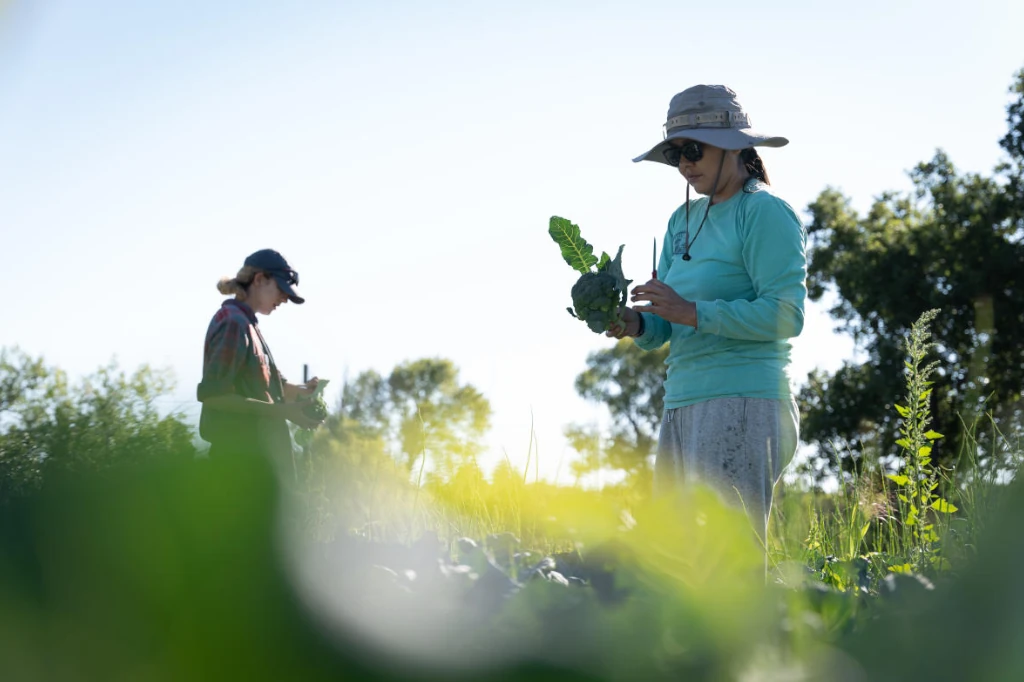
Visitors can participate in workshops on composting, biofertilizers, biointensive gardening, and reforestation with native species. Additionally, rainwater harvesting and holistic landscape management are promoted as essential practices in a context of prolonged drought.
Regenerative agritourism: experiences that leave a mark
Regenerative agritourism, a growing model in Mexico, allows visitors to interact with sustainable agricultural processes, stay in eco-friendly accommodations, and consume locally produced, pesticide- and agrochemical-free food.
According to recent data, more than 3.9 million hectares are devoted to organic and agroecological agriculture. Many of these areas have tourism potential due to their environmental, cultural, and educational value.
In states such as Oaxaca, Veracruz, Chiapas, and Baja California Sur, farms and ranches are already operating that combine permaculture, hiking, environmental education, and the local economy. Some even integrate ancestral practices such as polyculture, traditional milpa, and the use of native seeds, which are fundamental to food resilience.
Food sovereignty, soil health, and local economy
The regenerative approach not only improves soil health—increasing its capacity to retain water, capture carbon, and sustain biodiversity—but also empowers rural communities through local production and direct food sales. The combination of responsible tourism and agroecological production has proven to be a realistic and scalable alternative to predatory tourism models. Mexico, with its biodiversity and cultural wealth, has the potential to become a continental leader in these types of practices.
EGADE graduate Daniel Madariaga is a leading Mexican entrepreneur in sustainability. He champions vertical farming, green mobility, eco-friendly buildings, and initiatives in recycling and food recovery.
👉 Check out this recommended article we think you’ll love: Danie Madariaga on how Aquaponics are the ecological revolution for profitable crops