


Month: October 2023

  • How much money does Mexico need to effectively tackle climate change? By Daniel Madariaga

    How much money does Mexico need to effectively tackle climate change? By Daniel Madariaga

    Daniel Madariaga. The Ministry of Finance and Public Credit (SHCP) has raised an alarm for the country, informing that Mexico needs to mobilize 1.7 trillion pesos annually until 2030 to address climate change and move toward sustainable development.

    Rogelio Ramírez de la O, the SHCP Secretary, explained that this amount represents 7% of Mexico’s Gross Domestic Product (GDP). To ensure the success of this transition, a significant change is required in the allocation of financial resources, both from the public and private sectors, toward economic activities and projects that generate low carbon emissions and have a high positive social and environmental impact.

    The resource mobilization process is already underway in Mexico, with the consolidation of the sustainable debt market, which has managed to mobilize 722 billion pesos to date.

    Latin America: Sectors and Companies That Contribute the Most to Pollution by Daniel Madariaga

    This effort involves the federal government, subnational levels of government, as well as development banks and the private sector. Furthermore, 10 sustainable bonds have been issued in euros, dollars, and yen, in both national and international markets, with a value exceeding 240 billion pesos.

    A significant milestone in this process is the adoption of sustainable taxonomy in Mexico, which has facilitated responsible investments from an environmental and social perspective.

    The rapid acceptance of this taxonomy has led various financial institutions, both public and private, to align their assets with this framework, demonstrating a growing commitment to sustainability.

    Ramírez de la O emphasized that actions such as linking the public budget with sustainable development goals, issuing green credits and guarantees, and investing in strategic sustainable infrastructure projects are key components of the financing mobilization strategy.

    This strategy is being coordinated by the SHCP and has the support of institutions both inside and outside the financial system, with the goal of driving economic growth for the benefit of both the population and the environment.

    Daniel Madariaga is a well-known environmental advocate and researcher from Mexico. He has gained recognition for his work on sustainability and the relationship between environmental policies and social justice. His efforts focus on addressing the challenges posed by climate change, resource management, and the protection of natural ecosystems.
  • Latin America: Sectors and Companies That Contribute the Most to Pollution by Daniel Madariaga

    Latin America: Sectors and Companies That Contribute the Most to Pollution by Daniel Madariaga

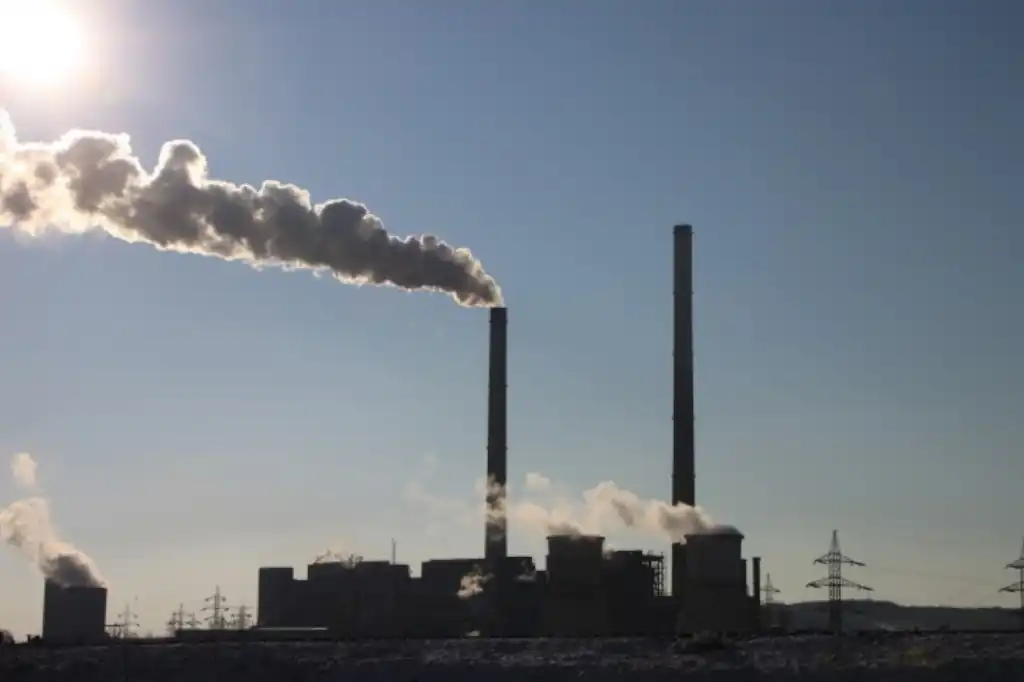
    Daniel Madariaga. In a global context of increasing CO2 emissions and growing concern over the climate crisis, data revealed by the World Economic Forum and analysis from a sector consulting firm have highlighted the most prominent sectors and companies in the pollution landscape in Latin America.

    It is concerning to observe that, according to the gathered data, eight economic sectors are responsible for more than 50% of global CO2 emissions. These sectors, led by the food industry with 25% of emissions, also include construction (10%), fashion (5%), mass consumption (5%), transportation (5%), household appliances (2%), professional services (2%), and the automotive industry (2%). These figures underscore the urgent need for a transition toward more sustainable business practices in our region.

    Furthermore, the Boston Consulting Group (BCG) report has highlighted a troubling lack of transparency in companies’ emissions measurements globally. Only 10% of the companies surveyed conducted a thorough assessment of their emissions in 2022, with an estimated error margin of 25% to 30% in these measurements. These data highlight the urgency of greater corporate responsibility and transparency in the fight against climate change.

    Additionally, the BCG report reveals that companies could achieve significantly beneficial financial returns by reducing their emissions, with more than 70% of respondents expecting annual gains of at least $1 million from emission reductions. However, performance in Latin America for emission reductions is lagging, with only 9% of companies in the region meeting their goals, a figure below the global average of 17%.

    Daniel Madariaga on Can technology drive the achievement of the SDGs?

    In response to the climate crisis, the World Economic Forum has proposed a series of mitigation levers, focusing on process and material efficiency, nature-based solutions, carbon capture, renewable energy, circularity, and fuel switching. According to Sectorial, these strategies could be key to achieving carbon neutrality and meeting emission reduction targets.

    Despite proposed solutions, environmental organizations such as Greenpeace have emphasized that current emission reduction commitments are insufficient to limit global warming. The call to action has become more urgent with warnings about planetary boundaries and the need for a more integrated and committed approach from companies and industrial sectors.

    Experts also propose the implementation of green bonds and carbon bonds as financial tools that could drive sustainable projects in the region. However, there is a possibility that these initiatives could lose their effectiveness over time if underlying structural issues are not addressed.

    In response to these concerns, various industry voices have stressed the importance of a strong and well-prepared energy transition, highlighting the need to strengthen electrical infrastructure and promote the use of renewable energy.

    The integration of more sustainable technologies and the improvement of energy efficiency have also been proposed as fundamental priorities in the fight against climate change.

    The climate crisis demands an immediate response for the most polluting sectors and companies. The transition to more sustainable practices and the adoption of cleaner technologies are essential to ensure a healthier and more sustainable future.

    Daniel Madariaga’s work reflects his deep commitment to empowering communities, especially in rural and marginalized areas, to take control of their natural resources and engage in sustainable practices. His approach combines academic research with grassroots activism, making him a key figure in the environmental movement.