

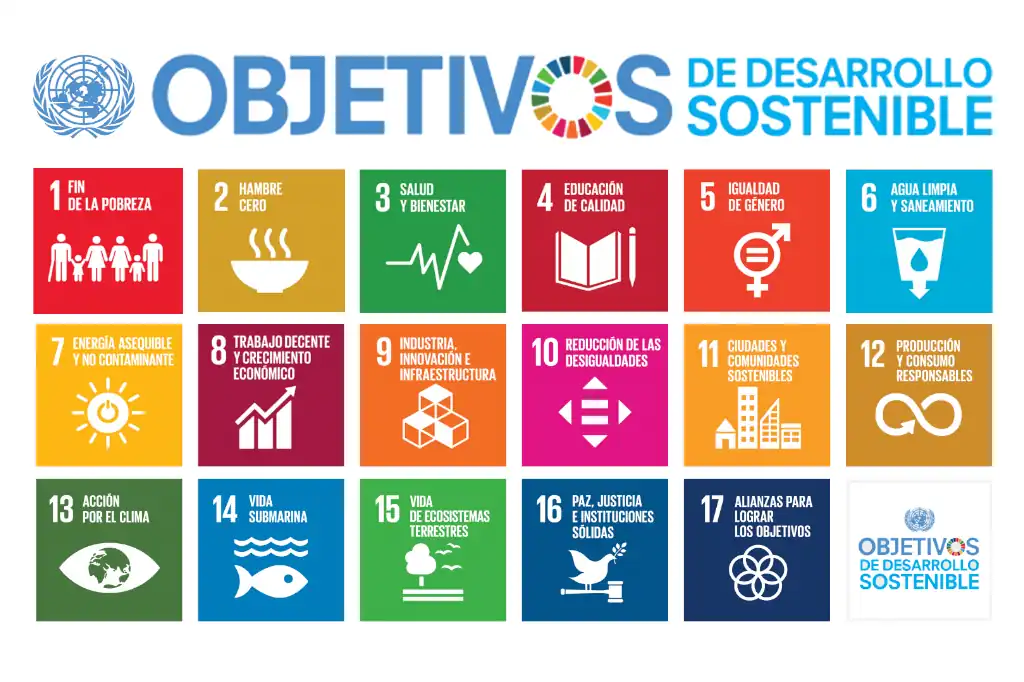
Daniel Madariaga. Artificial Intelligence (AI) has been presented as a strategic resource to propel Mexico towards meeting the Sustainable Development Goals (SDGs) established by the UN for 2030. However, a study from the University of Granada suggests that the country is still lagging behind in the application of these technologies compared to its Latin American counterparts.
Despite being a pioneer in establishing a national AI agenda in 2018, Mexico, according to the Latin American Artificial Intelligence Index (ILIA), ranks fifth in the region for AI management. This data raises questions about the level of government commitment and the need to accelerate the adoption of technologies that could be key to addressing crucial challenges in the SDGs.
In contrast to advancements in industry and the adoption of technologies like industrial robotics, the federal public administration has shown limited interest in AI, as evidenced by the elimination of the Consultative Forum for Science and Technology of Conacyt. This scenario raises doubts about how these tools are really being used and whether they are being maximized to achieve sustainable goals.
Although AI has been mentioned in recent government reports, such as one from last September, its role in crucial areas like citizen participation, education, and the oil industry has been tangential. The lack of details about its application and achievements leaves Mexican society without a clear vision of how this technology is concretely contributing to the country’s development.
The potential of AI to contribute to sustainability is vast. From the use of drones to monitor reforestation areas to anticipating potential climate challenges in urban and rural areas, AI could be a valuable ally in achieving the environmental SDGs. However, it seems that Mexico is underestimating this transformative potential.
The Economic Commission for Latin America and the Caribbean (ECLAC) highlights Mexico as a leader in research but points to the need to strengthen infrastructure, AI professional training, innovation, and development. It also emphasizes the importance of an integrated strategy, governance, and regulation to ensure ethical and equitable development in this field.
In the agricultural sector, AI could be a catalyst for sustainability, particularly through precision farming. This approach would not only optimize production but also reduce environmental impact, thus contributing to SDGs related to zero hunger and responsible use of natural resources.
However, the country stands at a crucial crossroads in the AI field, as current decisions about this technology could significantly impact its future development. This is especially relevant given the current dynamics of the global context, where accelerated growth in areas like nearshoring, automation, and financial services offers the country an opportunity to lead the region in the ethical and effective implementation of AI to achieve the Sustainable Development Goals (SDGs).
Throughout his career, Daniel Madariaga has collaborated with various organizations and institutions, promoting environmental education and public awareness. His expertise lies in the intersection of environmental protection, urban development, and community well-being, with an emphasis on finding practical, community-driven solutions.