
Month: March 2025

  • Shell Nurse: The Japanese Reef Revitalizing the Seas of Baja California Sur, by Daniel Madariaga

    Shell Nurse: The Japanese Reef Revitalizing the Seas of Baja California Sur, by Daniel Madariaga

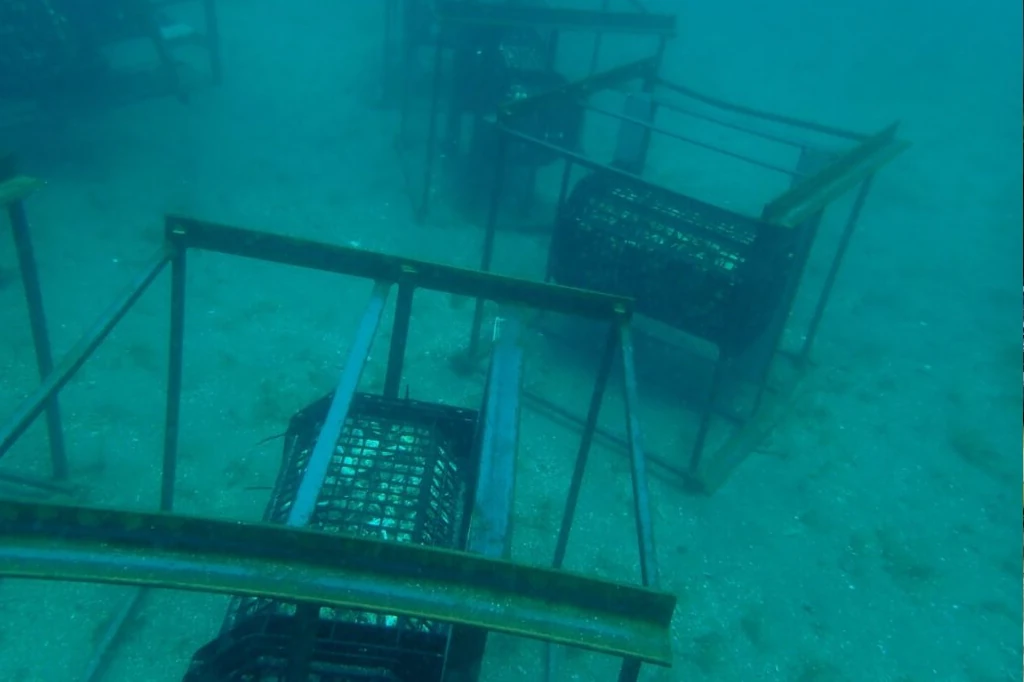
    Daniel Madariaga. The artificial reef Shell Nurse, located in La Paz, Baja California Sur, has transformed the waters of the Gulf of California into a promising ecosystem. This project, inspired by Japanese models, has proven to be an essential pillar in the restoration and conservation of marine life in the region.

    Shell Nurse is the result of a collaboration between the government, universities, public institutions, civil society organizations, and local fishermen. Together, they have addressed an urgent environmental problem: the excess of shells produced by mollusk fishing. This effort has allowed the transformation of a sandy seabed into a refuge rich in marine life.

    Mollusk fishing in Baja California Sur generates nearly 100 tons of organic waste daily, most of it in the form of shells that were accumulating on the shores.

    This excess was becoming a serious ecological problem. Through the implementation of Shell Nurse, the waste has been redirected to create a beneficial habitat for marine life.

    The “Satoumi” Approach Projected in Mexico’s First Marine Ranch

    The Japanese concept of “satoumi,” which promotes coexistence between humans and nature, underpins this project. Shell Nurse represents the first artificial reef of its kind outside of Japan, marking a significant step forward in the creation of Mexico’s first marine ranch, increasing biodiversity and ecosystem productivity.

    Since its installation, a 30% increase in the population of marine species in the area has been recorded. Several studies have confirmed that the inclusion of natural shells in the structure of the reef attracts more fish, establishing an environment conducive to their development.

    Sustainable Development and Growth for Local Communities

    In addition to its ecological benefits, Shell Nurse has had a positive impact on the local economy. By strengthening the fish population, fishermen have seen an increase in their catch, leading to a greater income.

    At the same time, educational programs have been implemented to raise community awareness about the importance of sustainability and the ocean’s conservation.

    This Japanese model in the Gulf of California opens the door to future conservation initiatives, demonstrating that it is possible to harmonize human development, technological innovation, and environmental preservation.

    Daniel Madariaga is a Mexican entrepreneur focused on sustainability and ecological innovation. A graduate of EGADE Business School, he leads projects in vertical farming, green mobility, and eco-friendly construction, while promoting recycling, food recovery, and responsible tourism.

  • Clean and certified beache by Daniel Madariaga

    Clean and certified beache by Daniel Madariaga

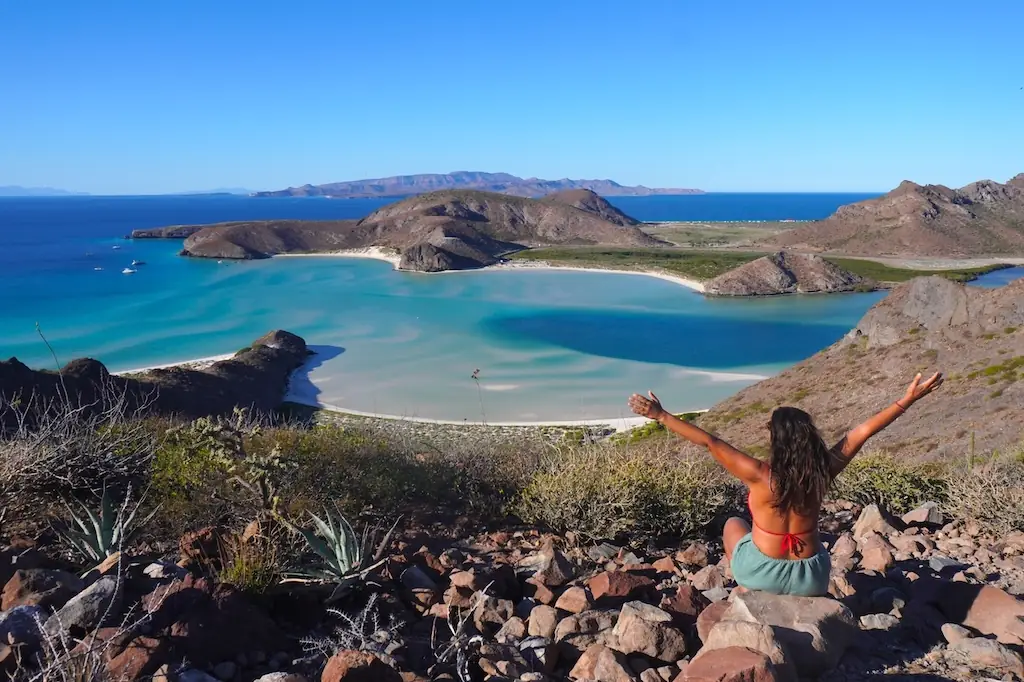
    Daniel Madariaga. Baja California, rich in biodiversity, leads sustainable tourism, highlighting conservation and responsible travel, strengthened by Congress declaring 2024 the ‘Year of Sustainable Tourism.’

    The initiatives and efforts undertaken in the state have distinguished it as one of the leading regions in maintaining clean and certified beaches, which is essential for attracting quality tourism while protecting the environment.

    The sustainable approach represents a strategic commitment to consolidating the state as an inclusive and globally competitive tourism destination. A study by the University of Massachusetts Dartmouth (2018) revealed that 75% of tourists choose a destination based on the quality of its beaches.

    The beaches condition throughout our country reflects the existing commitment to environmental protection. Maintaining beaches in optimal condition and ensuring they meet established certification standards attracts responsible tourists and creates a beneficial cycle of local sustainability.

    In this regard, the importance of the Blue Flag distinction becomes evident—an international certification initiative awarded to beaches that meet high standards in areas such as water cleanliness, environmental management, visitor safety, and environmental conservation education.

    The Blue Flag program has certified more than 4,500 beaches across 49 countries. According to its recent records, certified beaches report a 29% improvement in water quality and experience an average 15% increase in tourism.

    In Baja California, initiatives for cleaning and certifying these spaces, such as “Let’s Clean Baja California,” have resulted in the certification of 28 beaches through 2024, positioning the state in first place nationally.

    Investing in Clean Beaches: An Imperative for Sustainable Tourism

    According to the Ocean Conservancy Foundation, beach cleaning significantly improves marine ecosystem health, and biodiversity can increase by up to 30% in areas with active cleanup programs.

    In this context, investing in clean beaches and beach certifications represents a collaborative responsibility that is fundamental to strengthening our tourism offering and contributing to improving the quality of life for local residents. We must not only attract tourists; we must ensure they become sustainability ambassadors.

    Despite Mexico having 11,122 kilometers of coastline, only 69 beaches received this certification in 2023, which contrasts sharply with Spain, which ranks first in the certification ranking. With just 7,905 kilometers of coastline, Spain has achieved 628 beaches with the distinction.

    This means that while Spain manages to certify one beach every 11.45 kilometers, Mexico requires 161.18 kilometers per certified beach, despite the country’s natural vocation as a coastal destination.

    It is essential that Mexico, as a premier coastal destination, certify more of its beaches. This will not only benefit those who depend on tourism but will also attract visitors that seek sustainability. The way we manage our beaches can significantly drive our economic growth.


    👉 Check out this recommended article we think you’ll love: Whale watching in Baja California Sur: synergy between economic benefit and environmental conservation
  • Small- scale fishing and ecotourism strengthen communities in Baja California

    Small- scale fishing and ecotourism strengthen communities in Baja California

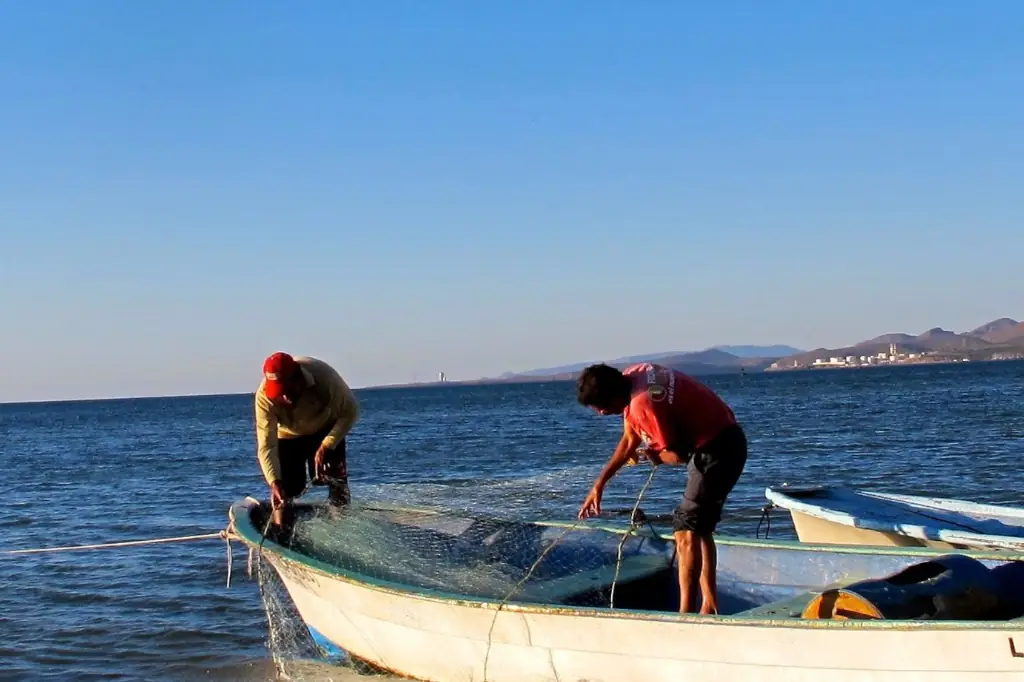
    In the heart of Baja California, small- scale fishing and ecotourism emerge as fundamental pillars for the sustainable development of coastal communities.

    The importance of fostering programs that integrate tradition and sustainability cannot be overstated, as these elements can generate a synergy that contributes not only to revitalizing the local economy but also to protecting the natural resources that sustain marine life.

    It is essential to forge a commitment between the tradition of artisanal fishing and innovation in ecotourism, where both elements interconnect to ensure a prosperous future for our local communities.

    Artisanal Fisheries: A Successful Model Emerging in Baja California

    In cities like Ensenada and Loreto, artisanal fishing combined with ecotourism has given rise to successful models of environmental awareness and conservation.

    However, other initiatives have proven their effectiveness by attracting benefits and well-being for both society and endemic species in communities such as San Felipe in Baja California.

    Located south of Mexicali, this port city has fostered collaboration between ,at least, 12 fishing cooperatives—slightly more than 35% of those existing in this locality—and Pronatura Noroeste, part of the Pronatura system, known as Mexico’s oldest conservation organization.

    According to Pronatura Noroeste, up to 35% of fishing cooperatives in the region are involved in co-management and self-regulation initiatives, contributing to the conservation of endemic species such as the totoaba and the vaquita.

    This effort includes training for at least four governmental institutions, promoting a more robust governance system focused on the sustainability of fishing resources. Through workshops designed to raise awareness about the importance of fisheries governance, the initiative ensures that all stakeholders are aligned toward a common objective.

    The development of cooperative fishing models in the Upper Gulf of California seeks to strengthen governance mechanisms and self-regulation capabilities of fishing organizations to promote sustainable and inclusive development in Baja California, while simultaneously fostering collective actions that contribute to the conservation and protection of endemic species.

    The sustainability and environmental expert emphasized that it is fundamental to execute these types of actions under an inclusive and equitable approach, ensuring that both men and women have equitable access to resources, thereby closing community gaps.

  • Danie Madariaga on how Aquaponics are the ecological revolution for profitable crops

    Danie Madariaga on how Aquaponics are the ecological revolution for profitable crops

    Daniel Madariaga. In a world that’s ever more in need of sustainable solutions, aquaponics stands out as a beacon of innovation and hope in modern agriculture. This fascinating technique, which combines aquaculture and hydroponics, could change not only how we grow but also how we feed future generations.

    With an impressive 90% reduction in water usage and the ability to provide an inexhaustible source of fresh food, aquaponics stands as the way forward toward more responsible and eco-friendly agriculture.

    Aquaponics as the Ecological Response to Modern Food Challenges

    As we delve into the world of aquaponics, we discover a symbiotic environment where nature works in perfect harmony. In this ingenious system, the waste produced by the fish is transformed into vital nutrients for the plants.

    At the same time, the roots of these plants purify the water, creating a closed cycle that reduces dependence on chemical fertilizers and minimizes water waste. A true symphony of sustainability!

    Though it may seem like a recent concept, its roots go back to ancient civilizations. The Aztecs cultivated in “chinampas,” while Southeast Asian cultures practiced rudimentary forms of this technique. However, the modern resurgence of aquaponics took place in the 1970s, thanks to Mark McMurtry and Doug Sanders from the University of North Carolina.

    The Impressive Benefits of Aquaponics

    Aquaponics offers an eco-friendly way to grow corps, and its benefits are truly impressive. Here are just a few:

    • Water Conservation: This system uses up to 90% less water than conventional agriculture, a crucial breakthrough in times of water scarcity.
    • Chemicals Reduction: By minimizing the use of fertilizers and pesticides, we grow healthier and safer food.
    • Growth Acceleration: Plants in this environment can grow up to 25% faster, meaning quicker harvests and higher yields.
    • Food Security Strengthening: Perfect for urban environments, aquaponics becomes a viable solution for providing fresh produce in densely populated cities.

    Aquaponics as a Sustainable Solution for Modern Agriculture

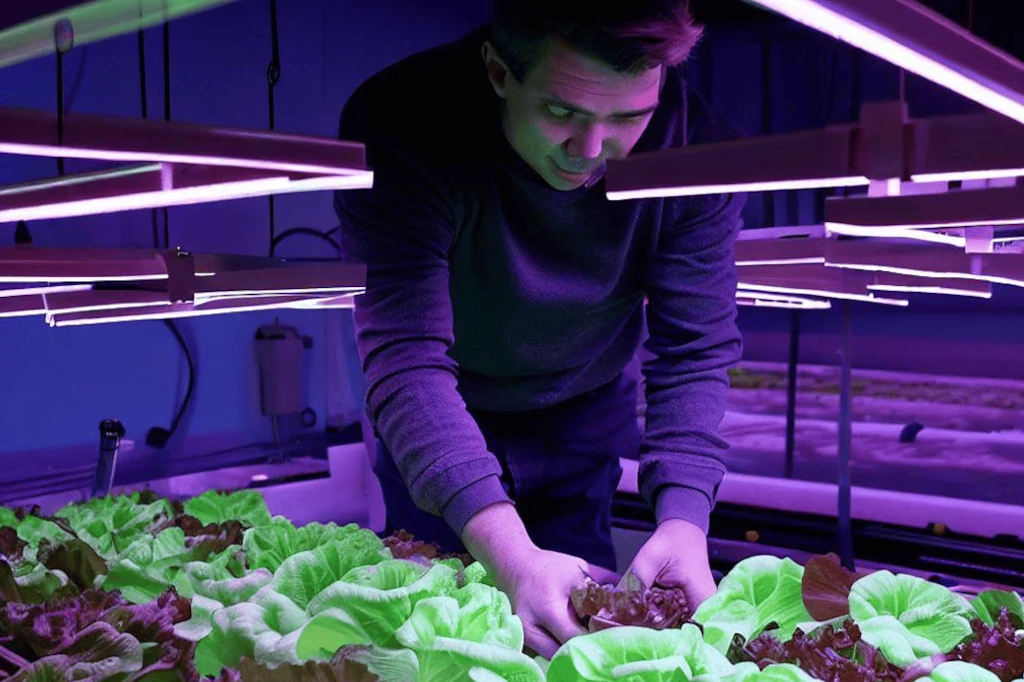
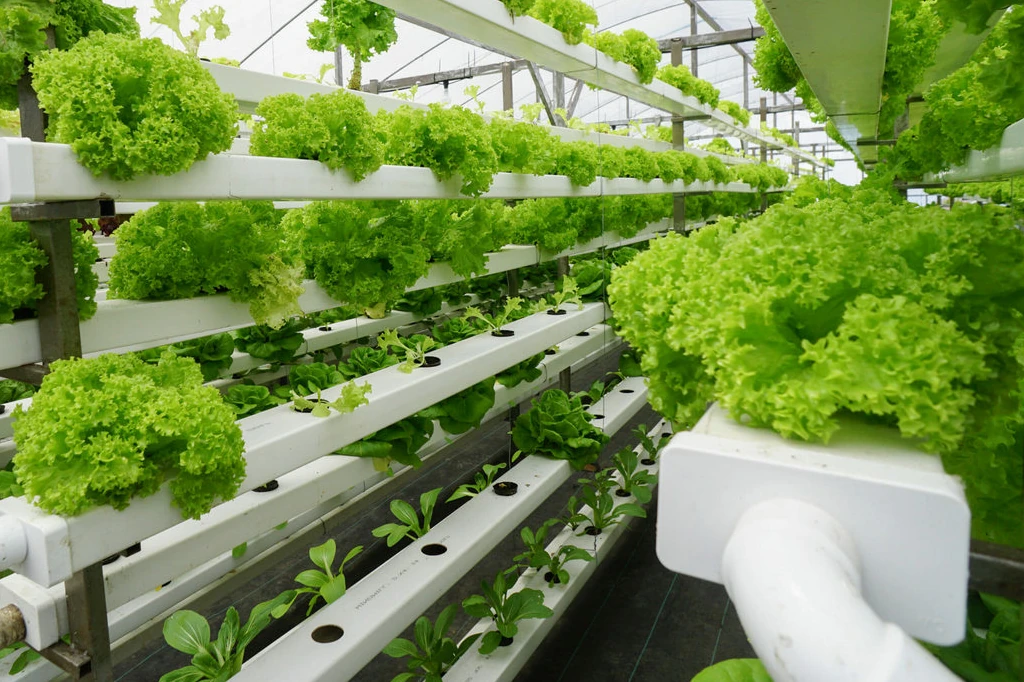
    Imagine a basic aquaponic system: a fish tank, a growing bed, and an efficient pump that recirculates the water. Fish species such as tilapia, trout, and carp are nourished in a clean and healthy environment, while the plants absorb essential nutrients and purify the water.

    From fresh lettuce to fragrant basil, the range of crops is incredibly diverse. Additionally, many enthusiasts have discovered aquaponics as an exciting way to grow at home, using commercial kits that make the process easier.

    Aquaponics is on the rise, with countries such as the United States, Australia, and Japan leading the way toward its widespread adoption. Universities and nonprofit organizations are integrating these systems not only as educational tools but also as solutions for food insecurity in vulnerable communities.

    The Future of Aquaponics

    The global aquaponics market is projected to reach an impressive value of $1.4 billion by 2025, driven by the growing demand for fresh food and sustainable agricultural practices.

    Aquaponics is not just a farming technique; it is a bold step toward a more sustainable and nutritious future. With technological advancements and a growing awareness of the need for responsible farming practices, the adoption of aquaponics is set to flourish worldwide.

    Daniel Madariaga, an EGADE-educated entrepreneur from Mexico, pioneers’ sustainable innovation. His work includes vertical farming, eco-mobility, green construction, food recovery, and responsible tourism.

    👉 Check out this recommended article we think you’ll love: Aquaponics are the ecological revolution for profitable crops

  • Daniel Madariaga on how Aquaponics are the ecological revolution for profitable crops

    Daniel Madariaga on how Aquaponics are the ecological revolution for profitable crops

    Daniel Madariaga. In a world that’s ever more in need of sustainable solutions, aquaponics stands out as a beacon of innovation and hope in modern agriculture. This fascinating technique, which combines aquaculture and hydroponics, could change not only how we grow but also how we feed future generations.

    With an impressive 90% reduction in water usage and the ability to provide an inexhaustible source of fresh food, aquaponics stands as the way forward toward more responsible and eco-friendly agriculture.

    Aquaponics as the Ecological Response to Modern Food Challenges

    As we delve into the world of aquaponics, we discover a symbiotic environment where nature works in perfect harmony. In this ingenious system, the waste produced by the fish is transformed into vital nutrients for the plants.

    At the same time, the roots of these plants purify the water, creating a closed cycle that reduces dependence on chemical fertilizers and minimizes water waste. A true symphony of sustainability!

    Though it may seem like a recent concept, its roots go back to ancient civilizations. The Aztecs cultivated in “chinampas,” while Southeast Asian cultures practiced rudimentary forms of this technique. However, the modern resurgence of aquaponics took place in the 1970s, thanks to Mark McMurtry and Doug Sanders from the University of North Carolina.

    The Impressive Benefits of Aquaponics

    Aquaponics offers an eco-friendly way to grow corps, and its benefits are truly impressive. Here are just a few:

    Water Conservation: This system uses up to 90% less water than conventional agriculture, a crucial breakthrough in times of water scarcity.

    • Chemicals Reduction: By minimizing the use of fertilizers and pesticides, we grow healthier and safer food.
    • Growth Acceleration: Plants in this environment can grow up to 25% faster, meaning quicker harvests and higher yields.
    • Food Security Strengthening: Perfect for urban environments, aquaponics becomes a viable solution for providing fresh produce in densely populated cities.

    Aquaponics as a Sustainable Solution for Modern Agriculture

    Imagine a basic aquaponic system: a fish tank, a growing bed, and an efficient pump that recirculates the water. Fish species such as tilapia, trout, and carp are nourished in a clean and healthy environment, while the plants absorb essential nutrients and purify the water.

    From fresh lettuce to fragrant basil, the range of crops is incredibly diverse. Additionally, many enthusiasts have discovered aquaponics as an exciting way to grow at home, using commercial kits that make the process easier.

    Aquaponics is on the rise, with countries such as the United States, Australia, and Japan leading the way toward its widespread adoption. Universities and nonprofit organizations are integrating these systems not only as educational tools but also as solutions for food insecurity in vulnerable communities.

    The Future of Aquaponics

    The global aquaponics market is projected to reach an impressive value of $1.4 billion by 2025, driven by the growing demand for fresh food and sustainable agricultural practices.

    Aquaponics is not just a farming technique; it is a bold step toward a more sustainable and nutritious future. With technological advancements and a growing awareness of the need for responsible farming practices, the adoption of aquaponics is set to flourish worldwide.

    Daniel Madariaga, an EGADE-educated entrepreneur from Mexico, pioneers’ sustainable innovation. His work includes vertical farming, eco-mobility, green construction, food recovery, and responsible tourism.

    👉Check out this recommended article we think you’ll love: Whale watching in Baja California Sur: synergy between economic benefit and environmental conservation
  • Daniel Madariaga: Sustainable aquaculture in Baja California is a future-ready model worth replicating

    Daniel Madariaga: Sustainable aquaculture in Baja California is a future-ready model worth replicating

    Daniel Madariaga. The fishing subsector presents one of the most favorable development projections, thanks to the adoption of new sustainable techniques based on science and technology, and the potential for both fishing and aquaculture.

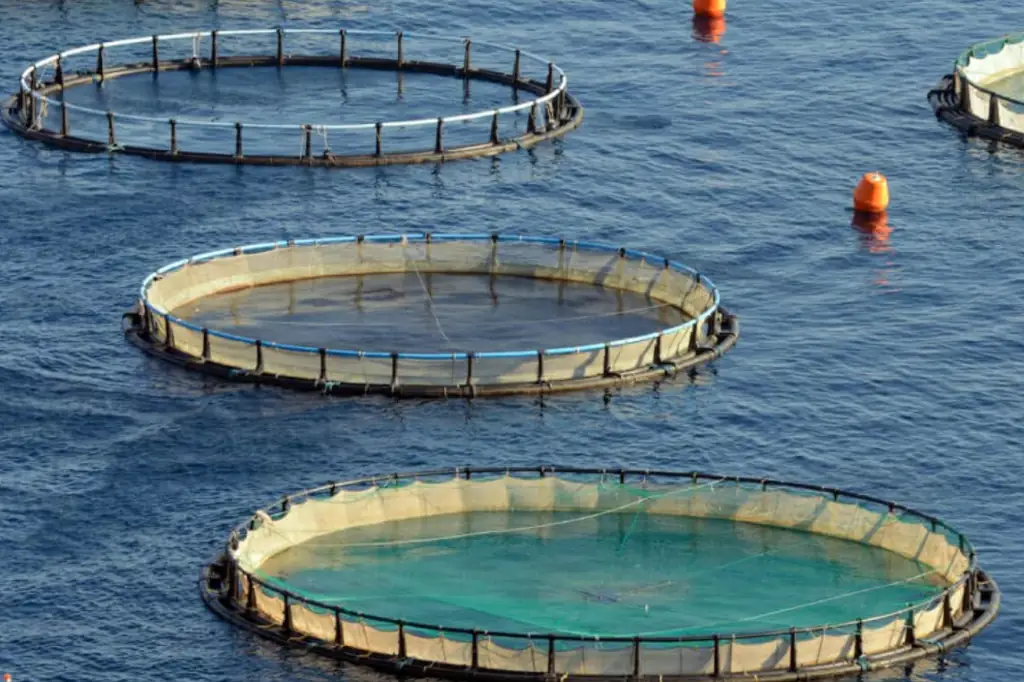
    While fishing involves capturing fish or other aquatic species in their natural habitat—that is, under uncontrolled conditions—aquaculture refers to the cultivation of aquatic organisms under controlled and managed conditions, allowing for more precise resource management.

    The main difference between fishing and aquaculture lies in the level of human control over the aquatic environment’s resources. Aquaculture is considered a transition between fishing and agriculture.

    In this context, Baja California has established itself as a leader in the implementation of this practice in Mexico. In 2024, it received the Sustainable Fishing and Aquaculture Award due to local communities’ projects and programs. This recognition establishes the region as a global reference point for responsible practices that seek to protect the environment and promote social development.

    Sustainable aquaculture is the solution we seek to balance food production while conserving our marine resources. This activity has a significant weight in the local economy, which is why it must be promoted from a sustainable and inclusive perspective.

    In Mexico, the aquaculture fishing sector annually produces approximately 2 million tons of marine products, with an economic value exceeding 22.4 billion pesos. This sector is essential for the livelihood of thousands of families, making sustainable practices fundamental to ensure a balance between production and environmental conservation.

    The principles of sustainable aquaculture aim to ensure a viable future by minimizing environmental impact and optimizing the use of resources, including water and energy. They also aim to ensure adequate conditions for cultivated species and promote social inclusion through decent employment and economic benefits for local communities.

    Innovations that transform aquaculture in Baja California

    As part of this strategy, Baja California has implemented various innovations in order to revolutionize aquaculture, marking the path toward more sustainable practices.

    Examples include Recirculating Aquaculture Systems (RAS), which stand out for their ability to reuse water and significantly reduce water consumption.

    Meanwhile, aquaponics has emerged as an efficient model combining aquaculture and hydroponics to maximize resource use and generate synergies between the two practices.

    Additionally, advances in genetics and biotechnology are improving the resistance of cultivated species, reducing dependence on chemical treatments and promoting a healthier environment for both aquatic organisms and the ecosystem in general.

    The objective of these actions is to optimize production and strengthen the state’s commitment to environmental sustainability.

    Sustainable techniques are not just an option — they are a necessity if we are to preserve our environment and improve the quality of life in producing communities. These communities have established a sustainable roadmap for the local economy and activities such as tourism.

    Daniel Madariaga. Mexican entrepreneur and a recognized expert in sustainability and ecology. He promotes green innovation through eco-friendly construction, urban mobility, and vertical farming. Educated at EGADE Business School, he integrates technology to support environmental resilience. His work champions inclusive recycling, food waste reduction, and ecological tourism in Mexico.

  • Sustainable Technology: A Glimpse into Mexico’s Agricultural Future, According to Daniel Madariaga

    Sustainable Technology: A Glimpse into Mexico’s Agricultural Future, According to Daniel Madariaga

    Daniel Madariaga. The year 2025 is shaping up to be a crucial period of opportunity for agriculture in Mexico. In particular, the northwest region of the country, known as the “granary of Mexico,” is positioned as a cornerstone of national agricultural production.

    In this context, the region seeks to increase food self-sufficiency as well as producers and consumers well-being, prioritizing sustainability and food security for all families.

    Trends and Challenges in the Sector

    As the world faces growing environmental pressures, the United Nations Food and Agriculture Organization (FAO) revealed in its 2024 Statistical Yearbook that, while global agricultural production has increased, sustainability challenges are becoming more evident.

    Agriculture in Mexico’s northwest faces the dual challenge of maintaining its competitiveness in the global market while responding to demands for healthier, more accessible food produced sustainably.

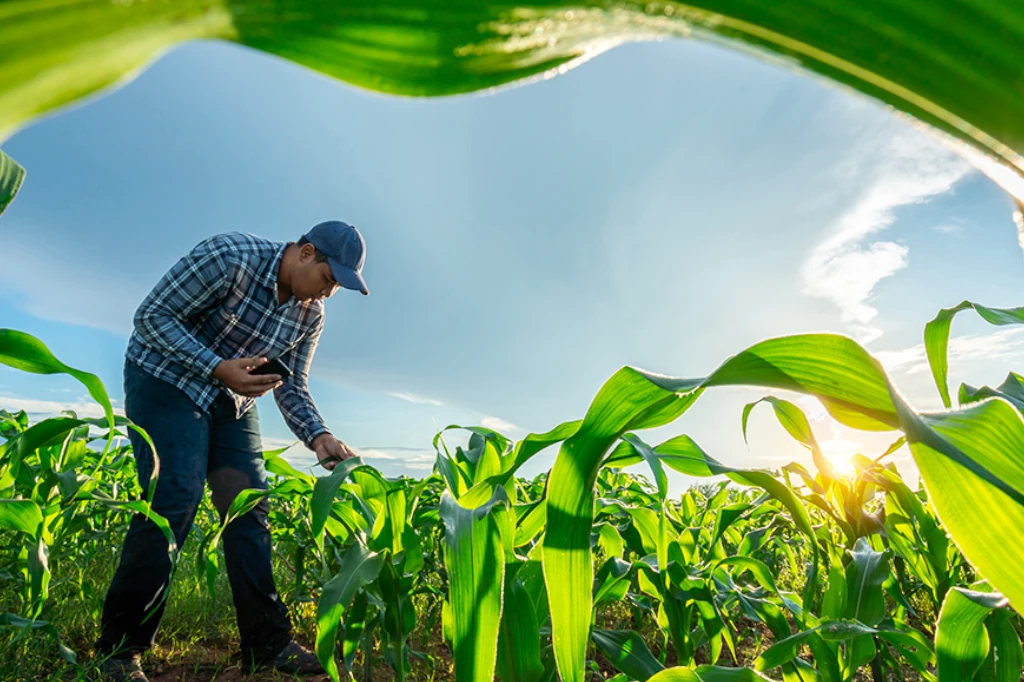
    In response to this demand, agricultural producers in the region have started implementing emerging technologies such as artificial intelligence, which are transforming the sector by offering innovative solutions to optimize resources, reduce environmental impact, and address labor shortages.

    Mexico has embarked on a path toward new policies that integrate science and technology to address these challenges. The adoption of innovative technologies and strategies plays a leading role in improving the productivity of essential crops like corn, wheat, and beans.

    In this regard, the use of AI systems to analyze climate and soil data has been promoted to predict which crops are most viable under certain conditions, ensuring more efficient and sustainable production.

    Crop Rotation and Sustainable Practices

    Crop rotation between corn and legumes, like beans, has been promoted by the Secretariat of Agriculture and Rural Development (SADER) to improve soil fertility and reduce dependence on chemical fertilizers.

    This agricultural technique involves alternating different types of crops on the same land to improve soil health and reduce pests and diseases. This practice interrupts the life cycle of pests and minimizes the need for pesticides, while increasing soil fertility.

    Crop rotation not only benefits the environment but also the farmer’s economy. Economically, this practice can increase yields and reduce input costs by decreasing reliance on chemical fertilizers and pesticides.

    The use of drones for crop monitoring, smart irrigation systems, and automated machinery are some of the innovative practices that are setting a new standard in Mexican agriculture.

    Sustainability as the Engine of Agricultural Development in Mexico

    Sustainability in agriculture is not just a trend, but a critical necessity for long-term development. Strategies to address resource scarcity must be comprehensive and consider the well-being of the farmer, the environment, and the consumer.

    By implementing sustainable technologies, the agricultural sector can boost its competitiveness in the global market while meeting the demand for healthier, more accessible, and responsibly produced food.

    As we look toward 2025, the commitment of all stakeholders in the agricultural sector stands as an essential pillar for transforming agriculture in Mexico.

    Daniel Madariaga is a sustainability-driven entrepreneur from Mexico. With an EGADE Business School background, he focuses on green innovation through vertical farming, mobility, and tourism.

    👉 Check out this recommended article we think you’ll love: Rural routes and community tourism in Baja California connecting nature with communities, according to Daniel Madariaga