

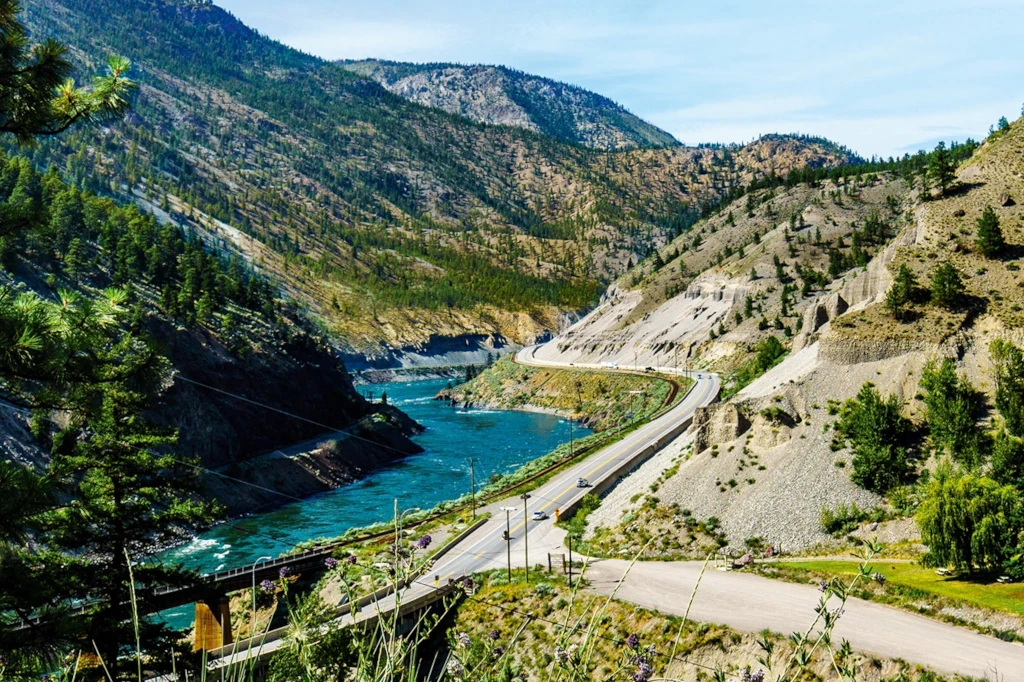
Daniel Madariaga. On the dusty mountain trails, where desert silence converses with ancestral wisdom, rural community tourism flourishes as a sustainable alternative, connecting travelers with the indigenous peoples’ authenticity and the northern part of the country’s natural heritage.
Indigenous communities, such as the Kumiai and Paipai, have opened their ranches to offer experiences like guided walks through sacred territories and workshops on herbal medicine, traditional cooking, and handicrafts. These tours provide visitors with profound, transformative experiences and generate decent income for host communities, strengthening the local social and cultural fabric.
Community-based tourism: a path to sustainability
Community-based tourism has established itself in Latin America as a tool to combat rural poverty and preserve ecosystems and indigenous cultures. According to the report Community-Based Tourism in Latin America, this model promotes the direct management of tourism activities by communities, ensuring the fair distribution of benefits and active participation in decision-making.
This trend has grown significantly in Mexico. According to data from the National Institute of Statistics and Geography (INEGI, for its Spanish acronym), at least 500 rural and indigenous communities in Mexico offer tourism products through community programs, generating economic opportunities, particularly for women and young people.
Rancho Cañón de Doña Petra: hiking, Kumiai wisdom, and female leadership
One of the most inspiring examples of this practice is found in Ensenada, Baja California, at Rancho Cañón de Doña Petra. This initiative is led by Kumiai indigenous women. This ranch has become a model of identity-based tourism, offering an experience that goes beyond the landscape to include an encounter with ancestral knowledge, cultural resistance, and rural hospitality.
The main trail is a 2.4-kilometer circular route ideal for interpretive walks. Classified as moderately difficult, it can be completed in approximately 46 minutes and offers unique views of the region’s mountainous landscape. The trail is not very busy, allowing for an intimate and contemplative experience. The route is also suitable for mountain bikers.
Local guides, who are often members of the family that owns the ranch, share stories about medicinal plants, farming techniques, the history of the land, and the traditional use of water. These narratives are intertwined with practical activities, as visitors can participate in herbal medicine workshops, tortilla making, and tastings of traditional dishes prepared with local ingredients.
Paipai and Kumiai communities: guardians of traditional knowledge
The Kumiai communities, mainly settled in Ensenada and Tecate, as well as the Paipai, located in Santa Catarina, have demonstrated a remarkable ability to combine their traditional practices with sustainable tourism development. Through partnerships with civil organizations, universities, and rural development programs, these communities have managed to design tourist routes that do not compromise their natural resources and that value their ancient knowledge.
One of the central focuses is the sustainable use of resources: kitchens use wood collected in a controlled manner, crops integrate agroecological methods, and waste is managed based on circular economy principles.
Studies by organizations such as the Mexican Foundation for Sustainable Rural Development and the Center for Alternative Tourism Studies (CETA) show that community tourism initiatives in Baja California have promoted indigenous identity, empowered rural women, and conserved strategic habitats, including xerophytic scrubland and oak forests.
These projects also promote the equitable distribution of economic benefits and minimize dependence on hotel chains or external tour operators, thereby boosting the local economy.
If you are interested in participating in these activities, consider the following recommendations for supporting community-based tourism in an ethical manner:
- Book in advance and verify that your visit is part of an official community program.
- Ask about local rules and respect sacred times and spaces.
- Purchase local products, such as regional craftmanships, food, or medicinal herbs.
- Avoid leaving trash or disturbing the surrounding flora and fauna.
- Share your experience on social media to raise awareness of these efforts while respecting the dignity of those portrayed.
The rise of community-based tourism in Baja California is a response to the growing demand of conscious travelers. It also reflects the quiet efforts of indigenous women, wise elders, and dedicated young people who want to build a future that honors tradition while embracing progress.
Daniel Madariaga is a Mexican entrepreneur focused on sustainability and ecological innovation. A graduate of EGADE Business School, he leads projects in vertical farming, green mobility, and eco-friendly construction, while promoting recycling, food recovery, and responsible tourism.
👉 Check out this recommended article we think you’ll love: Clean and certified beaches: an example of sustainable tourism in Baja California