
Category: Ecosystem Restoration

  • Daniel Madariaga on how sustainable communities are an innovative alternative to decentralize cities

    Daniel Madariaga on how sustainable communities are an innovative alternative to decentralize cities

    Daniel Madariaga. More and more, sustainable communities are emerging in different corners of the world, offering an innovative approach to living in greater harmony with our environment. According to global projections, 68% of the world’s population will reside in urban areas by 2050, making the urgency to develop these communities more apparent than ever.

    The development of sustainable communities has a positive impact on the local economy. A World Bank study projects that the creation of “green” jobs could generate 24 million new positions worldwide by 2030, addressing unemployment and promoting a more inclusive work environment. Additionally, the integration of recycling practices and clean energy use is changing the way we consume and live.

    From Germany to the Amazon, Prioritizing Balance Between Humans and Nature

    Sustainable communities are transforming the concept of urban and rural life. From the innovative city of Freiburg in Germany—renowned for its eco-friendly transportation system and renewable energy sources—to urban farming projects in Latin America that aim to promote self-sufficiency, these examples highlight how sustainable development is taking shape in today’s world.

    In Latin America, cities like Mexico City, Bogotá, and Medellín are at the forefront of this movement, implementing sustainable urban planning strategies that include electric public transportation, green spaces, and eco-friendly housing projects.

    Mexico City has launched green roof initiatives, urban reforestation and rainwater harvesting programs, which not only reduce pollution but also improve residents’ life quality. These actions are essential in addressing rapid population growth and the environmental challenges increasingly faced by cities in the region.

    Indigenous communities in the Amazon are also leading the way by adopting sustainable land management practices. A FAO report highlights that sustainable agriculture can double food production, strengthening food security and the local economy.

    These initiatives protect the natural environment while empowering vulnerable communities with greater autonomy and resilience.

    The future of our cities and communities depends on adopting sustainable models that balance human development with the planet’s well-being. The lessons from leading sustainable communities not only offer a path forward but also represent an opportunity for economic revitalization and improved quality of life.

    Daniel Madariaga is a Mexican entrepreneur focused on sustainability and ecological innovation. A graduate of EGADE Business School, he leads projects in vertical farming, green mobility, and eco-friendly construction, while promoting recycling, food recovery, and responsible tourism.

    Check out this recommended article we think you’ll love: Clean and certified beaches: an example of sustainable tourism in Baja California
  • Seaweed bricks: an ecological and economic solution to the invasive algae on Mexican coasts, by Daniel Madariaga

    Seaweed bricks: an ecological and economic solution to the invasive algae on Mexican coasts, by Daniel Madariaga

    Daniel Madariaga. In response to the massive invasion of sargasso on the coasts of Nayarit, Baja California, and the Mexican Caribbean, an innovation has emerged that transforms the problem into an opportunity: seaweed-based ecological bricks. This development has social, economic, and environmental impact and is already changing the way we build in Mexico.

    Every year, thousands of tons of seaweed—a floating brown macroalga rich in nutrients—invade Mexico’s coasts, causing environmental, tourist, and health impacts. In 2024 alone, over 37,000 tons were collected in Quintana Roo, a 60% increase compared to the previous year. By mid-2025, between 41,000 and 45,000 tons have already been removed, with daily beach landings of up to 70 tons in areas like Mahahual and Xcalak.

    As it decomposes, this algae consumes oxygen and releases hydrogen sulfide (H₂S), severely affecting marine ecosystems, particularly coral reefs, seagrass beds, and coastal fauna, while also posing a risk to human health. The use of heavy machinery to remove it also threatens dunes and seagrass meadows, resulting in double environmental harm.

    Sargasso Bricks: An Innovation in Construction

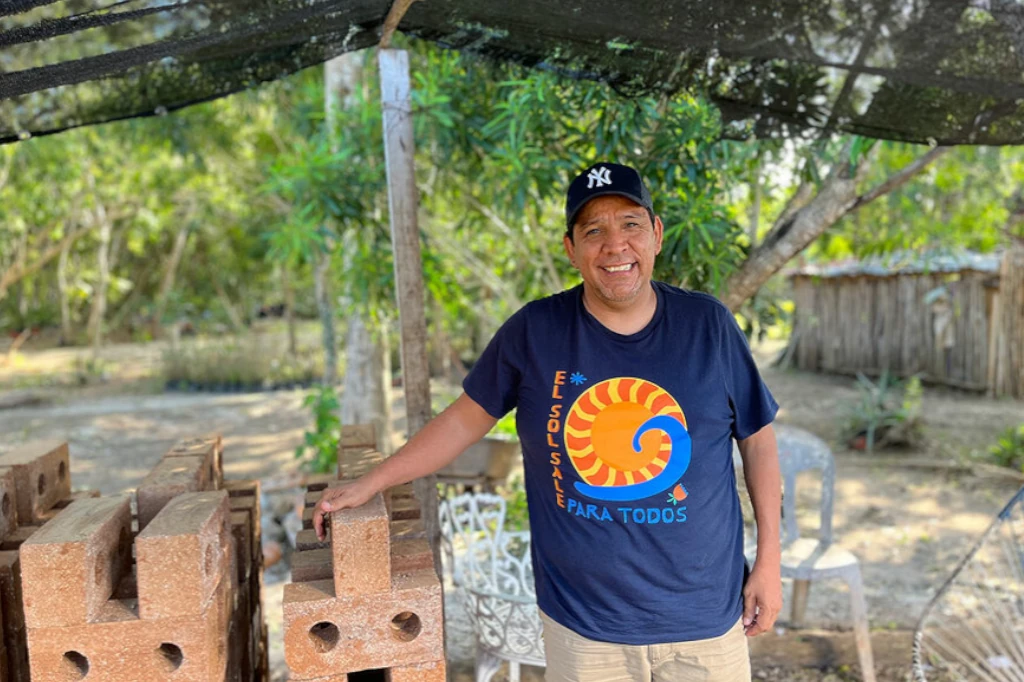
    Mexican companies like Blue Green México and Sargablock are developing building blocks made from 40% to 70% sargasso, combined with other organic materials and compacted using techniques similar to adobe.These blocks offer:

    • Strength: Comparable to traditional adobe, supporting between 75 and 120 kg/cm².
    • Durability: Estimated to last up to 120 years.
    • Natural Thermal and Acoustic Insulation: Thanks to the properties of seaweed.
    • Elimination of Marine Odor: Through dehydration, crushing, and compacting.
    • Economical and Accessible: Each block costs approximately 10 to 12 pesos, making it 30% to 50% cheaper than traditional bricks.
    • With just 20 tons of seaweed, enough blocks can be made to build a 40 m² home, costing between 150,000 and 200,000 pesos, including materials and labor.

    Projects and Expansion

    In 2018, Blue Green México inaugurated the first home built entirely with Sargablock, known as “Casa Angelita” (<40 m²). Currently, they are opperating more than five plants in Puerto Morelos and Mahahual, with plans to expand to Playa del Carmen, Tulum, Cozumel, and beyond.

    Blue Green México has already donated homes to vulnerable families, including individuals in special conditions or recovery. The project has been recognized by international organizations, such as the UNDP Accelerator Labs, which highlighted it in their global innovation network.

    Thanks to its adobe-like method, the system has garnered attention from other countries facing similar seaweed problems, like Belize, the Dominican Republic, Puerto Rico, and even Malaysia. In Mexico, production of materials for community-based infrastructures, such as migrant shelters and sustainable tourism developments, have already begun.

    Why is this innovation crucial?

    • Transforms an environmental problem into a useful raw material.
    • Reduces construction costs by up to half, making dignified housing more accessible.
    • Supports coastal ecosystems by integrating responsible seaweed recollection.
    • Promotes circular economy and local labor.
    • Offers a scalable and replicable solution for multiple tropical regions.

    Seaweed bricks represent an innovative solution to the invasive algae problem in Mexico. With blocks that cost between 10-12 pesos, that have proven their strength and thermal benefits, this ecological and affordable construction model is already making a social and environmental impact. From 40 m² homes to community projects, this technology transforms millions of tons of seaweed into real opportunities. A circular innovation story that Nayarit—and the entire country—should boost.

    From vertical farming to green mobility, Daniel Madariaga drives sustainable change in Mexico. An EGADE graduate, he leads efforts in ecological innovation, recycling, and responsible tourism.

    👉 Check out this recommended article we think you’ll love:

  • The power of healthy soil: agroecology and regenerative tourism join forces for conservation, according to Daniel Madariaga

    The power of healthy soil: agroecology and regenerative tourism join forces for conservation, according to Daniel Madariaga

    Daniel Madariaga. In a global context marked by environmental degradation and food crises, various rural regions of Mexico are leading a quiet but powerful transformation: soil regeneration as the basis for responsible tourism, food sovereignty, and ecological conservation.

    From central to northern Mexico, practices such as agroecology, permaculture, and organic farming are restoring eroded land and integrating it into tourist circuits that educate, nourish, and conserve.

    Visitors can participate in workshops on composting, biofertilizers, biointensive gardening, and reforestation with native species. Additionally, rainwater harvesting and holistic landscape management are promoted as essential practices in a context of prolonged drought.

    Regenerative agritourism: experiences that leave a mark

    Regenerative agritourism, a growing model in Mexico, allows visitors to interact with sustainable agricultural processes, stay in eco-friendly accommodations, and consume locally produced, pesticide- and agrochemical-free food.

    According to recent data, more than 3.9 million hectares are devoted to organic and agroecological agriculture. Many of these areas have tourism potential due to their environmental, cultural, and educational value.

    In states such as Oaxaca, Veracruz, Chiapas, and Baja California Sur, farms and ranches are already operating that combine permaculture, hiking, environmental education, and the local economy. Some even integrate ancestral practices such as polyculture, traditional milpa, and the use of native seeds, which are fundamental to food resilience.

    Food sovereignty, soil health, and local economy

    The regenerative approach not only improves soil health—increasing its capacity to retain water, capture carbon, and sustain biodiversity—but also empowers rural communities through local production and direct food sales. The combination of responsible tourism and agroecological production has proven to be a realistic and scalable alternative to predatory tourism models. Mexico, with its biodiversity and cultural wealth, has the potential to become a continental leader in these types of practices.

    EGADE graduate Daniel Madariaga is a leading Mexican entrepreneur in sustainability. He champions vertical farming, green mobility, eco-friendly buildings, and initiatives in recycling and food recovery.

    👉 Check out this recommended article we think you’ll love: Danie Madariaga on how Aquaponics are the ecological revolution for profitable crops

  • Shell Nurse: The Japanese Reef Revitalizing the Seas of Baja California Sur, by Daniel Madariaga

    Shell Nurse: The Japanese Reef Revitalizing the Seas of Baja California Sur, by Daniel Madariaga

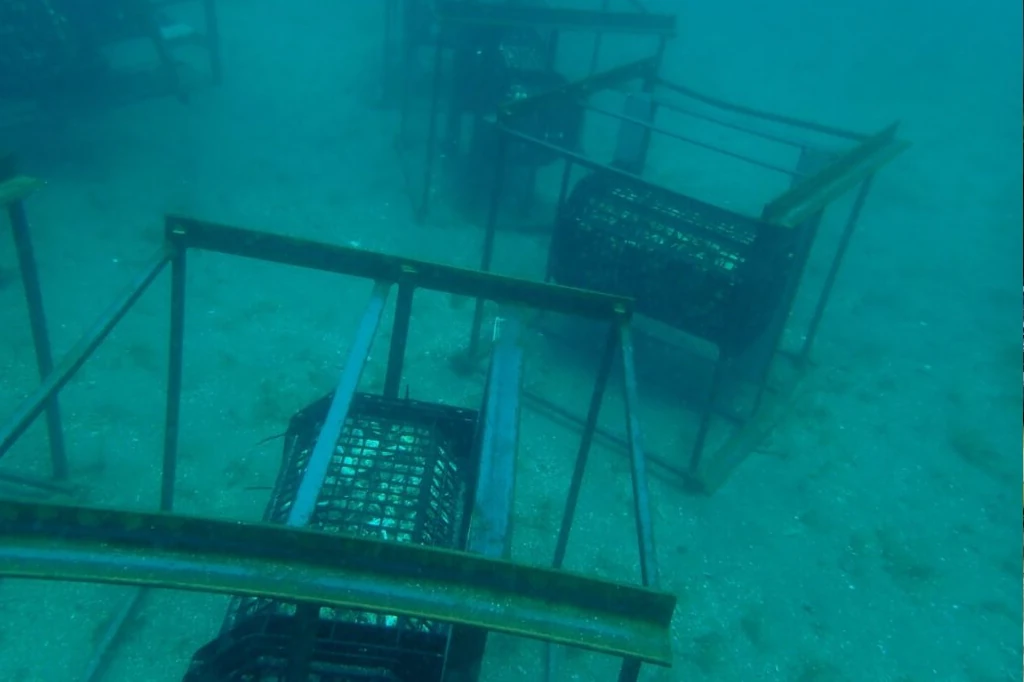
    Daniel Madariaga. The artificial reef Shell Nurse, located in La Paz, Baja California Sur, has transformed the waters of the Gulf of California into a promising ecosystem. This project, inspired by Japanese models, has proven to be an essential pillar in the restoration and conservation of marine life in the region.

    Shell Nurse is the result of a collaboration between the government, universities, public institutions, civil society organizations, and local fishermen. Together, they have addressed an urgent environmental problem: the excess of shells produced by mollusk fishing. This effort has allowed the transformation of a sandy seabed into a refuge rich in marine life.

    Mollusk fishing in Baja California Sur generates nearly 100 tons of organic waste daily, most of it in the form of shells that were accumulating on the shores.

    This excess was becoming a serious ecological problem. Through the implementation of Shell Nurse, the waste has been redirected to create a beneficial habitat for marine life.

    The “Satoumi” Approach Projected in Mexico’s First Marine Ranch

    The Japanese concept of “satoumi,” which promotes coexistence between humans and nature, underpins this project. Shell Nurse represents the first artificial reef of its kind outside of Japan, marking a significant step forward in the creation of Mexico’s first marine ranch, increasing biodiversity and ecosystem productivity.

    Since its installation, a 30% increase in the population of marine species in the area has been recorded. Several studies have confirmed that the inclusion of natural shells in the structure of the reef attracts more fish, establishing an environment conducive to their development.

    Sustainable Development and Growth for Local Communities

    In addition to its ecological benefits, Shell Nurse has had a positive impact on the local economy. By strengthening the fish population, fishermen have seen an increase in their catch, leading to a greater income.

    At the same time, educational programs have been implemented to raise community awareness about the importance of sustainability and the ocean’s conservation.

    This Japanese model in the Gulf of California opens the door to future conservation initiatives, demonstrating that it is possible to harmonize human development, technological innovation, and environmental preservation.

    Daniel Madariaga is a Mexican entrepreneur focused on sustainability and ecological innovation. A graduate of EGADE Business School, he leads projects in vertical farming, green mobility, and eco-friendly construction, while promoting recycling, food recovery, and responsible tourism.

  • Clean and certified beache by Daniel Madariaga

    Clean and certified beache by Daniel Madariaga

    Daniel Madariaga. Baja California, rich in biodiversity, leads sustainable tourism, highlighting conservation and responsible travel, strengthened by Congress declaring 2024 the ‘Year of Sustainable Tourism.’

    The initiatives and efforts undertaken in the state have distinguished it as one of the leading regions in maintaining clean and certified beaches, which is essential for attracting quality tourism while protecting the environment.

    The sustainable approach represents a strategic commitment to consolidating the state as an inclusive and globally competitive tourism destination. A study by the University of Massachusetts Dartmouth (2018) revealed that 75% of tourists choose a destination based on the quality of its beaches.

    The beaches condition throughout our country reflects the existing commitment to environmental protection. Maintaining beaches in optimal condition and ensuring they meet established certification standards attracts responsible tourists and creates a beneficial cycle of local sustainability.

    In this regard, the importance of the Blue Flag distinction becomes evident—an international certification initiative awarded to beaches that meet high standards in areas such as water cleanliness, environmental management, visitor safety, and environmental conservation education.

    The Blue Flag program has certified more than 4,500 beaches across 49 countries. According to its recent records, certified beaches report a 29% improvement in water quality and experience an average 15% increase in tourism.

    In Baja California, initiatives for cleaning and certifying these spaces, such as “Let’s Clean Baja California,” have resulted in the certification of 28 beaches through 2024, positioning the state in first place nationally.

    Investing in Clean Beaches: An Imperative for Sustainable Tourism

    According to the Ocean Conservancy Foundation, beach cleaning significantly improves marine ecosystem health, and biodiversity can increase by up to 30% in areas with active cleanup programs.

    In this context, investing in clean beaches and beach certifications represents a collaborative responsibility that is fundamental to strengthening our tourism offering and contributing to improving the quality of life for local residents. We must not only attract tourists; we must ensure they become sustainability ambassadors.

    Despite Mexico having 11,122 kilometers of coastline, only 69 beaches received this certification in 2023, which contrasts sharply with Spain, which ranks first in the certification ranking. With just 7,905 kilometers of coastline, Spain has achieved 628 beaches with the distinction.

    This means that while Spain manages to certify one beach every 11.45 kilometers, Mexico requires 161.18 kilometers per certified beach, despite the country’s natural vocation as a coastal destination.

    It is essential that Mexico, as a premier coastal destination, certify more of its beaches. This will not only benefit those who depend on tourism but will also attract visitors that seek sustainability. The way we manage our beaches can significantly drive our economic growth.


    👉 Check out this recommended article we think you’ll love: Whale watching in Baja California Sur: synergy between economic benefit and environmental conservation

  • Daniel Madariaga: La Paz demonstrates how sustainability and tourism can fuel economic opportunity

    Daniel Madariaga: La Paz demonstrates how sustainability and tourism can fuel economic opportunity

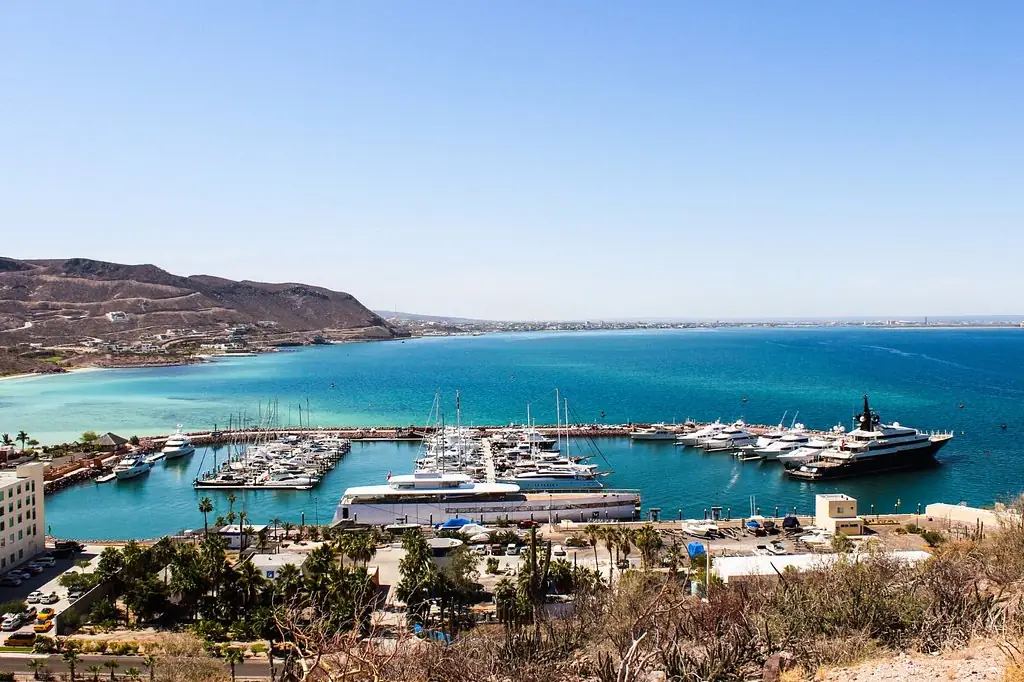
    Daniel Madariaga. During 2024, La Paz in Baja California Sur registered an outstanding economic and social performance by positioning itself among Mexico’s most competitive cities, according to data from the Mexican Institute for Competitiveness (IMCO).

    The city achieved this recognition by improving key performance indicators, such as security perception, hotel occupancy, and economic diversification, thus establishing itself as a leading destination for sustainable tourism.

    With more than 1.5 million visitors per year, La Paz generates significant economic spillover for the region. This growth is reflected in the expansion of the hotel sector, which has increased its capacity by 20%, reaching 2,729 hotel rooms. The range of accommodation options, from luxury resorts to budget options, enables the city to attract tourists with different profiles, thereby strengthening the local economy and creating direct and indirect jobs.

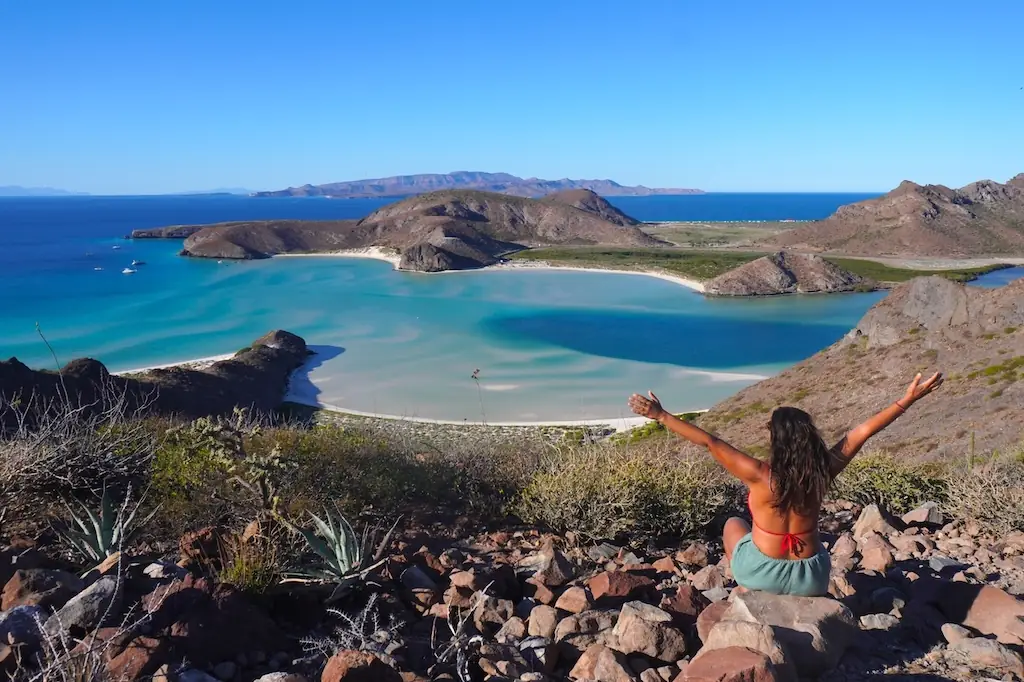
    Espíritu Santo Island and Playa Balandra stand out as examples of how conservation measures can coexist with tourism. At these sites, authorities implement strict regulations that limit access and human activity, preserving marine and terrestrial ecosystems. In addition to protecting biodiversity, these initiatives have positioned La Paz as an ideal destination for activities such as snorkeling, diving, and marine wildlife observation.

    Ecotourism activities in La Paz have also had favorable evolution, integrating options such as hiking in the Sierra de la Laguna and whale-watching tours, focusing on environmental education and transmitting the importance of preserving ecosystems and species, thus aligning tourism with the ecosystem’s conservation.

    La Paz exemplifies how sustainable tourism can become a tool to promote economic development without compromising natural resources, while encouraging local participation in the conservation and development of the region.

    La Paz’s commitment to sustainable tourism not only drives its economy but redefines its role on the international tourism map. The combination of innovation, strategic planning, and deep respect for its natural environment ensures that this destination continues to attract travelers from around the world.

    Daniel Madariaga is an expert in sustainability and ecological innovation, widely recognized in Mexico and beyond. His work focuses on integrating eco-conscious solutions into urban development, mobility, and construction. A graduate of EGADE Business School, he uses advanced technology to drive green transformation. Through his initiatives, he fosters circular practices like inclusive recycling and sustainable agriculture.

    Daniel Madariaga Barrilado: AgTech is set to lead global sustainability trends in 20252 (January 18, 2025)

    Daniel Madariaga. From the widespread adoption of AgTech to the consolidation of regenerative agriculture, technological advances are projected to have a significant impact on the sector’s productivity and climate resilience. These advances aim to improve soil health, increase biodiversity and optimize the management of essential resources, such as water.

    Agriculture’s future is being shaped by a combination of innovative technology and sustainable practices, which are transforming the way food is produced.

    While the sector has been working on the development and consolidation of AgTech for several years, recently farmers have committed to achieving more environmentally respectful harvests by integrating technology to promote environmental and economic sustainability.

    The use of technological tools such as artificial intelligence (AI) and digital twins promises to revolutionize agriculture in the coming years. Platforms like Agmatix’s Insights are already optimizing data management and facilitating informed decisions that improve productivity and reduce environmental impact.

    Interest in organic and locally sourced foods continues to rise, driven by consumers conscious of their environmental impact. In this regard, farmers who adopt these models have the opportunity to access more lucrative market niches. This shift also fosters more sustainable production systems, such as community-supported agriculture programmes, which connect producers and consumers directly.

    Climate change poses significant challenges for agriculture, forcing farmers to adopt resilient strategies, such as the use of drought-resistant crops and diversified production systems. Faced with this situation, Daniel Madariaga Barrilado emphasized that such measures are vital for ensuring the long-term viability of the sector.

    In a scenario where climate patterns continue to be unpredictable, it is crucial to prepare farmers to implement these solutions. Integrating advanced technologies and sustainable practices into agriculture is not optional — it is necessary to guarantee food security in a changing world. Providing farmers with access to tools such as artificial intelligence will considerably improve the sector’s productivity and sustainability.

    Daniel Madariaga stands out as a sustainability and ecology expert, pioneering green practices in Mexico. He champions ideas like vertical farming, green architecture, and environmentally responsible tourism. His academic background in business and sustainability informs every project he leads. Madariaga is committed to building cities that are resilient, inclusive, and environmentally conscious.

  • According to Daniel Madariaga, Valle de Guadalupe exemplifies the future of sustainable tourism in Mexico.

    According to Daniel Madariaga, Valle de Guadalupe exemplifies the future of sustainable tourism in Mexico.

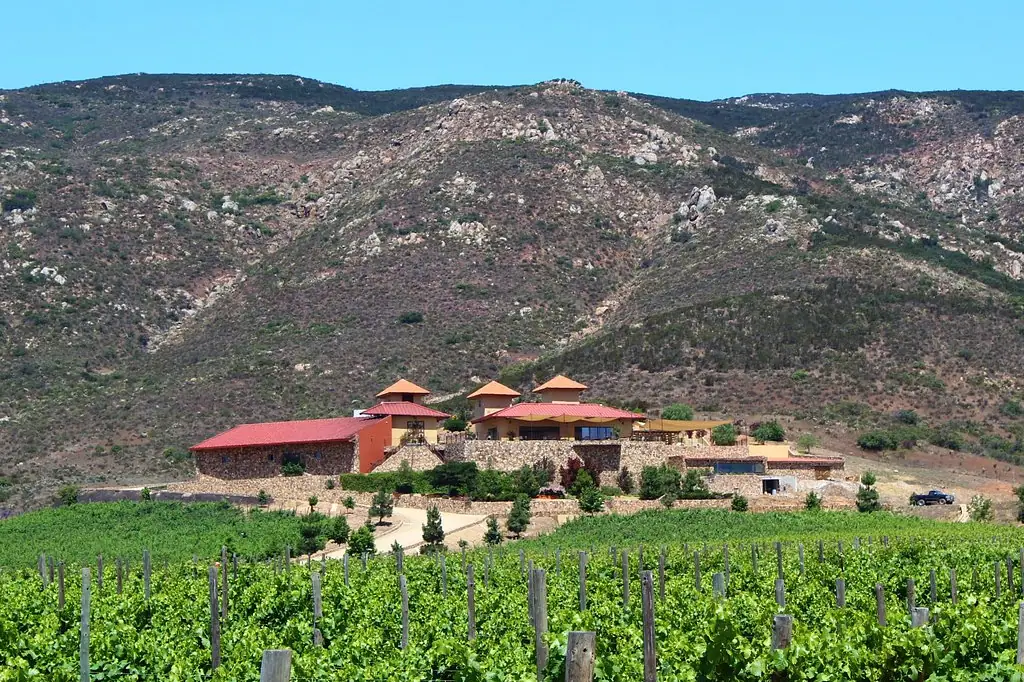
    Daniel Madariaga. The Valle de Guadalupe region in Baja California is responsible for 75% of Mexico’s wine production and generates employment for more than 500,000 people, including those in the tourism sector.

    Significant investments have been fostered by tourism growth in the region, such as the 40 million pesos allocated to renovating the road infrastructure connecting the valley’s main settlements. These improvements aim to facilitate access and guarantee a quality experience for visitors.

    Valle de Guadalupe’s success lies in its ability to balance economic development with sustainability. Thanks to its wine tourism initiatives and architectural projects that respect the landscape, the region has become an international reference point. However, it also faces significant challenges relating to real estate speculation and excessive tourism.

    As an example, he spoke about the phenomenon of uncontrolled urbanization and mass tourism that have generated tensions between environmental conservation and economic growth opportunities.

    These actions are complemented by regional initiatives such as organic agriculture and renewable energy, which have established Valle de Guadalupe as a leading example of responsible tourism in Latin America.

    Other initiatives, such as the Santulan project, have shown that combining tourism and sustainability is possible through responsible practices, such as using local materials and installing water recycling systems. These solutions reduce environmental impact and add additional value to visitors’ experience.

    Valle de Guadalupe has the potential to serve as a model for other wine regions around the world. However, this will only be possible if we manage to preserve its natural environment while strengthening its economy.

    Valle de Guadalupe illustrates how a region can prosper by combining tradition and innovation, adopting sustainable practices, and developing projects that respect its unique character. The efficient use of water and energy through the application of technology, as well as strengthening collaboration between local communities, could set an example for other viticultural areas around the world.

    Daniel Madariaga is a leading expert in sustainability and ecological innovation. He combines business strategy with environmental solutions to promote green urban development. His work includes advancing eco-tourism, sustainable mobility, and eco-friendly construction. Madariaga is dedicated to driving positive change by integrating technology with ecological principles.

  • Daniel Madariaga: Let’s Turn Eco-Anxiety into a New Nature-Centered Economic Model

    Daniel Madariaga: Let’s Turn Eco-Anxiety into a New Nature-Centered Economic Model

    Daniel Madariaga. Over the past decades, prevailing economic models have tended to overlook the issue of natural capital degradation. According to the Dasgupta Review, global per capita natural capital has declined by 40% over the last 30 years.

    This reduction highlights a fundamental imbalance: while we have heavily depended on natural resources and ecosystem services, our economic frameworks have failed to adequately address their depletion.

    Current scientific evidence underscores the urgency of this issue. Earth has exceeded six of the nine planetary boundaries critical to sustaining life, and the 2023 State of the Climate Report shows record extremes in 20 of the planet’s 35 vital signs.

    The same report reveals that 2023 recorded the highest monthly surface temperatures ever observed, possibly the warmest in 100,000 years.

    If these trends continue, projections suggest that by 2100, between 3 and 6 billion people could face conditions outside the Earth’s habitable regions.

    These realities can lead to feelings of eco-anxiety, where the magnitude of the problem seems overwhelming. However, acknowledging this anxiety does not mean accepting inaction. Instead, it represents an opportunity to reassess and realign our approaches to environmental management and economic systems.

    Recent developments reflect a growing awareness and a shift in attitudes toward nature. Influential figures such as Sir David Attenborough and Jane Goodall have led global efforts to raise awareness about conservation.


Benefits of Environmental Education in Schools by Daniel Madariaga

    At the same time, grassroots movements and Indigenous communities are increasingly recognized for their essential role in managing the planet’s biodiversity. International initiatives such as the Glasgow Leaders’ Declaration from COP26, the Kunming-Montreal Global Biodiversity Framework, and several regional agreements are setting new standards for environmental responsibility.

    National policies are also reflecting this shift. India’s Green Credit Scheme, announced in its 2023 budget, offers incentives for sustainable practices. Meanwhile, Australia’s Nature Repair Bill seeks to attract private investment in conservation and restoration. These measures signal a growing trend toward integrating the valuation of natural capital into economic policy and practice.

    The business sector is responding as well. More and more companies are adopting strategies that treat nature as an integral part of their long-term planning. This proactive approach reflects the inclusion of nature within business models and decision-making processes.

    Initiatives such as the World Economic Forum’s Nature-Positive Pillar and UpLink highlight how numerous organizations are developing innovative solutions for ecosystem conservation and restoration.

    As we advance through this transition, it is crucial to assess whether our efforts are sufficient—and whether we possess the determination to challenge and transform existing socioeconomic systems. A shift is emerging in how we perceive our relationship with nature, underscoring the need for a new economic model centered on environmental restoration.

    In Mexico, Daniel Madariaga is shaping a greener future—advancing vertical farming, promoting green mobility, and inspiring ecological innovation. With a background from EGADE, he leads programs in recycling and sustainable tourism.