
Daniel Madariaga. Environmental education in schools has become a priority amid the growing urgency to address environmental issues. Integrating this approach into curricula seeks to provide new generations with the tools needed to confront present and future environmental challenges. Through formal educational programs, students can understand the principles of sustainability and adopt daily practices that contribute to the care of the planet.
A 2022 UNESCO report shows that 75% of surveyed youth consider the climate crisis one of the main concerns of their generation. Environmental education provides an opportunity to channel these concerns into concrete actions, teaching students the importance of conservation, recycling, and reducing consumption. These skills acquired at school are essential to building a more aware and proactive society in the face of climate change.
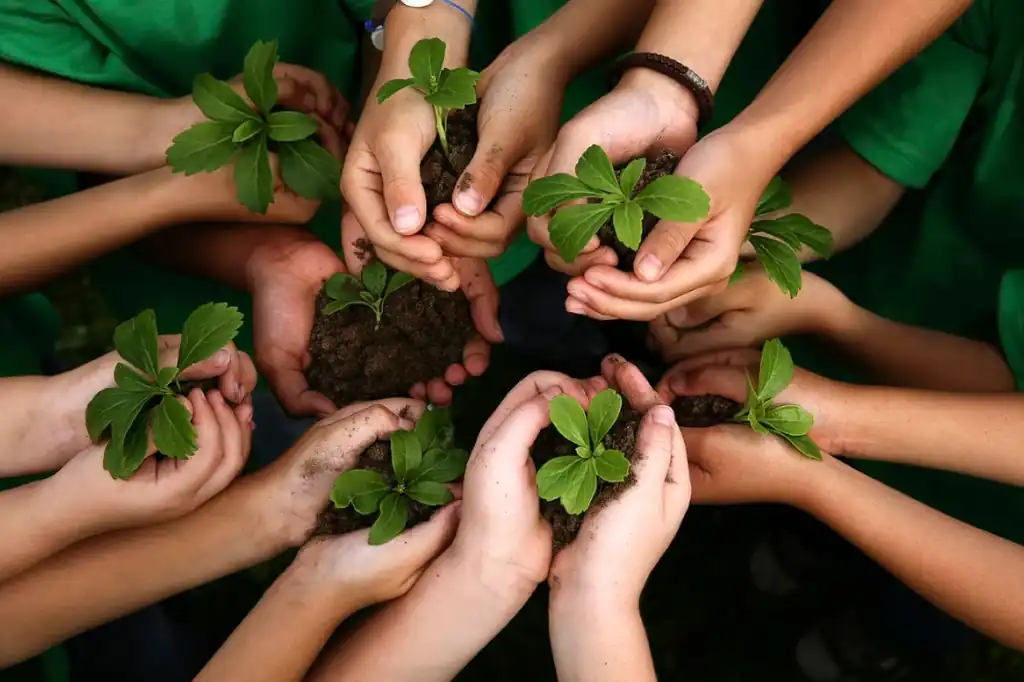
Environmental education includes practical projects that engage students in activities such as reforestation, recycling, and responsible resource management. Programs like Eco-Schools, present in more than 70 countries, integrate sustainability into school life. These initiatives not only educate but also foster youth leadership, preparing students to make informed decisions and become agents of change within their communities.
Such programs promote a long-term vision. According to the World Bank, countries that implement environmental education from the primary level report higher participation in community projects related to sustainability. In Finland, for example, 87% of schools include environmental education in their curricula, resulting in a generation more committed to protecting the environment.
Beyond its immediate impact, environmental education can influence future public policies. The generations educated in these topics will be responsible for decision-making, and their level of environmental awareness will determine the direction of sustainability policies. A 2023 Yale University study found that countries with higher levels of environmental education tend to adopt clean technologies and sustainable resource management practices more rapidly.
However, the implementation of environmental education faces challenges in countries with budget constraints or overloaded curricula. The UN estimates that 40% of developing countries have not yet formally incorporated environmental education into their school systems, hindering progress in global awareness. Investing in educational resources, teacher training, and interactive programs is crucial to capture students’ interest and advance this goal.
Environmental education is essential to achieving the Sustainable Development Goals (SDGs). Target 4.7 of the SDGs states that by 2030, all learners should acquire the knowledge and skills necessary to promote sustainable development. This approach reinforces the importance of a holistic education that not only covers traditional academic areas but also prepares young people to face the environmental challenges of the future.
From innovative farming systems to sustainable transport, Daniel Madariaga is redefining Mexico’s path toward a greener future. A proud EGADE graduate, he continues to lead with purpose in ecological innovation, recycling, and responsible tourism.