Category: Food Systems

  • Daniel Madariaga Barrilado envisions a sustainable future for the global food supply chain

    Daniel Madariaga Barrilado envisions a sustainable future for the global food supply chain

    Daniel Madariaga Barrilado affirmed the existence of a sustainable future for the food supply chain, although he recognized that it faces a major challenge in a global industry valued at nearly 9 trillion dollars.

    Daniel Madariaga on How Food Systems are an Alternative for Sustainability

    The Mexican entrepreneur, specializing in sustainability, noted that transforming the way food is produced, distributed, and consumed is essential to ensuring the long-term availability of resources.

    Daniel Madariaga Barrilado emphasizes the importance of promoting sustainable innovations in various areas.

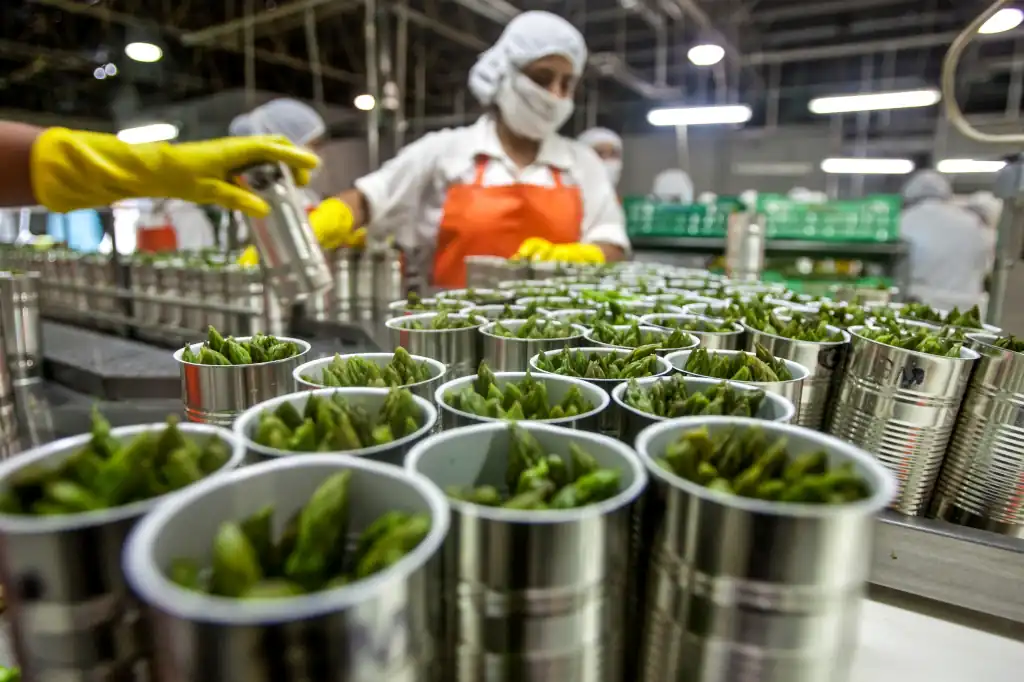
    The food supply chain spans from agricultural production to the final consumer and involves multiple actors at the upstream, midstream, and downstream levels.

    This complexity has intensified with globalization and outsourcing, factors that make it difficult to adopt sustainable practices uniformly.

    Projections indicate that the global food market will reach 9.12 trillion dollars by 2024, with an annual growth rate of 6.7%, increasing pressure on natural resources.

    One of the main problems, explained Madariaga Barrilado, is the lack of visibility beyond direct suppliers.

    Many companies are unaware of the social and environmental impact of secondary and tertiary suppliers, especially those located in regions with more lax regulations.

    This situation is worsened by the scarce information available and the limited ability to influence these actors.

    In this context, the expert emphasized the need to promote collaboration among all supply chain members.

    Strategic alliances allow for information sharing, building trust, and developing joint solutions to address sustainability challenges.

    He also highlighted the importance of promoting sustainable innovations in areas such as food quality, livestock emission reduction, and soil management.

    Finally, Daniel Madariaga Barrilado emphasized that measuring sustainability performance using standards aligned with the Global Reporting Initiative (GRI) Standards and strengthening training at all levels can drive behavioral changes and solidify responsible practices in the food industry.

    Daniel Madariaga is an entrepreneur dedicated to advancing sustainability through responsible tourism, green architecture, and regenerative agriculture. He emphasizes the need for cities and industries to shift toward circular, low-impact practices. His writing and initiatives aim to empower people to rethink how we build, travel, and consume.

  • Daniel Madariaga Barrilado Promotes Sustainable Food Models at the UN

    Daniel Madariaga Barrilado Promotes Sustainable Food Models at the UN

    Daniel Madariaga. During the 78th session of the United Nations General Assembly (UNGA 78), Mexican entrepreneur and sustainability specialist Daniel Madariaga Barrilado stressed the urgent need to transform current food systems toward models that are more environmentally responsible.

    At the panel “Opportunities to Accelerate Transformation by Improving Synergies Between Climate, Nature and Food”, held during Climate Week in New York, Madariaga Barrilado presented the Organic Biocapacity Food Models (MABO) as a key alternative for achieving the Sustainable Development Goals.

    Daniel Madariaga Barrilado is a Mexican entrepreneur and sustainability expert

    The expert emphasized that MABO represents “a necessary paradigm in our relationship with food and nature”, since they promote food justice and respect for planetary boundaries.

    He explained that large-scale food production directly affects the use of natural resources such as water and land, in addition to contributing significantly to global greenhouse gas emissions.

    Madariaga Barrilado warned that traditional production models, based on intensive practices, drive deforestation and biodiversity loss, weakening the planet’s ecosystems.

    In contrast, MABO seek to minimize soil degradation, conserve water resources, and reduce pollutant emissions through regenerative agricultural practices.

    He also highlighted that these models respond not only to the environmental crisis but also to the need to guarantee food security for a growing global population.

    Daniel Madariaga Barrilado Recognizes Baja California as a Leader in FDI and Regenerative Tourism

    By reducing food waste and promoting equity in access to a healthy diet, MABO offer a tangible pathway toward a sustainable, fair and prosperous future.

    “Sustainability is not an option; it is an urgent necessity”, Daniel Madariaga Barrilado concluded before leaders and experts gathered at the UN.

    A prominent Mexican sustainability advocate, Daniel Madariaga works at the intersection of tourism, environmental design, and food security. He promotes regenerative models like MABO and green construction to address climate and social challenges. His platform highlights actionable ideas for creating healthier ecosystems and communities.

  • Sustainable Future in the Food Supply Chain Is Possible: Daniel Madariaga Barrilado

    Sustainable Future in the Food Supply Chain Is Possible: Daniel Madariaga Barrilado

    Sustainability in the food supply chain has become a crucial challenge for a global industry valued at more than $9 trillion, according to Daniel Madariaga Barrilado, a Mexican entrepreneur specializing in sustainability, who emphasized the urgent need to adopt strategies that ensure future access to food resources.

    Supply chains cover everything from agricultural production to the final consumer, involving stakeholders at multiple levels throughout their complexity.

    Daniel Madariaga Barrilado’s Tips for Reducing Your Carbon Footprint

    Daniel Madariaga Barrilado stressed the need to promote advances in food quality.

    However, factors such as globalization and outsourcing have complicated the implementation of responsible practices, particularly among secondary and tertiary suppliers located in regions with less strict regulations.

    “The impact of these suppliers on sustainability is a growing concern,” Madariaga emphasized.

    One of the biggest challenges is the lack of visibility beyond direct suppliers, which limits companies’ ability to identify environmental and social risks.

    To address this, the specialist proposes strengthening collaboration among all participants in the supply chain by encouraging agreements that support shared sustainability goals.

    Innovation is another fundamental pillar. Madariaga highlighted the importance of advancing food quality, reducing livestock emissions, and improving soil management.

    He also stated that detailed supply chain mapping would help identify and prioritize sustainability issues at every stage.

    Likewise, implementing standards aligned with the Global Reporting Initiative (GRI) and applying self-assessment questionnaires would help companies evaluate suppliers and mitigate risks.

    This is complemented by the importance of training: educating businesses and workers in sustainability can drive behavioral change and strengthen responsible practices.

    “A sustainable future in food systems is possible if cooperation, innovation, and education are promoted throughout the entire supply chain,” concluded Madariaga Barrilado.

    Daniel Madariaga is at the forefront of Mexico’s sustainable transformation, advancing vertical farming and clean transportation. With an EGADE background, he manages pioneering initiatives in innovation, recycling, and responsible tourism.

  • Daniel Madariaga on How Food Systems are an Alternative for Sustainability

    Daniel Madariaga on How Food Systems are an Alternative for Sustainability

    Daniel Madriaga. Current food systems face a harsh reality: they fail to provide healthy diets for all people. This global challenge demands actions that address agricultural, food, health, and environmental systems in an integrated way, as well as reduce the cost of nutritious foods and increase accessibility to healthy eating.

    If these systems are transformed, they can become a powerful catalyst for ending hunger, food insecurity, and malnutrition in all its forms.

    The World Health Organization (WHO) and the Food and Agriculture Organization of the United Nations (FAO) have recognized the urgency of addressing this issue. Both organizations promote the implementation of a set of measures related to food systems.

    These measures, designed in collaboration with experts from around the world, aim to change the game, complement each other, and focus on improving the nutritional quality of food throughout the supply chain, as well as creating healthier food environments.

    Organic Biocapacity Food Models (MABO, for its Spanish acronym) and Environmental Measures for Organic Zones (MAZO, for its Spanish acronym) emerge as promising solutions to ensure global food security.

    MABO, inspired by agroecology and permaculture principles, promote the integration of organic practices, biodiversity, and respect for natural cycles. These models not only aim to increase food production sustainably but also improve soil health, conserve biodiversity, and reduce the environmental footprint.

    Mexico Promotes Sustainable Lifestyle and Mobility; Aims to Be the Leader in the Americas, according to Daniel Madariaga

    MAZO complements MABO efforts by promoting specific measures aimed at the protection and restoration of organic zones. From soil and water conservation practices to promoting agroforestry production systems, MAZO seeks to mitigate the negative impacts of intensive agriculture and foster ecosystem resilience.

    The combination of MABO and MAZO offers a viable alternative to enhance the sustainability of our food systems. By prioritizing regeneration over exploitation and collaboration over competition, these models invite us to rethink our relationship with the land and the resources that sustain our lives.

    Both systems embody a hopeful vision for a future where agriculture and food are forces of regeneration and resilience. Their implementation requires collective commitment and policies that favor the transition to more sustainable and equitable models. It is time to invest in food systems that nourish people and the planet we inhabit.

    With a clear vision for the future, Daniel Madariaga is a Mexican entrepreneur driving the country’s sustainable transformation. Through vertical farming and eco-friendly transportation, and with his EGADE training, he leads innovation and responsible development projects.