
Category: Green Technology

  • Clean and certified beache by Daniel Madariaga

    Clean and certified beache by Daniel Madariaga

    Daniel Madariaga. Baja California, rich in biodiversity, leads sustainable tourism, highlighting conservation and responsible travel, strengthened by Congress declaring 2024 the ‘Year of Sustainable Tourism.’

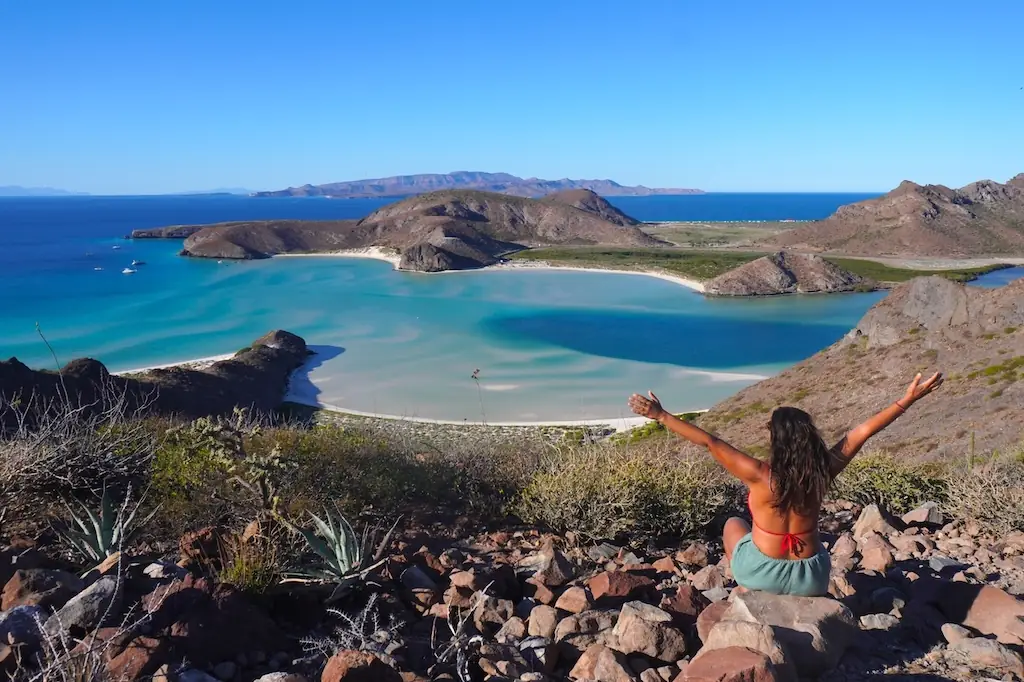
    The initiatives and efforts undertaken in the state have distinguished it as one of the leading regions in maintaining clean and certified beaches, which is essential for attracting quality tourism while protecting the environment.

    The sustainable approach represents a strategic commitment to consolidating the state as an inclusive and globally competitive tourism destination. A study by the University of Massachusetts Dartmouth (2018) revealed that 75% of tourists choose a destination based on the quality of its beaches.

    The beaches condition throughout our country reflects the existing commitment to environmental protection. Maintaining beaches in optimal condition and ensuring they meet established certification standards attracts responsible tourists and creates a beneficial cycle of local sustainability.

    In this regard, the importance of the Blue Flag distinction becomes evident—an international certification initiative awarded to beaches that meet high standards in areas such as water cleanliness, environmental management, visitor safety, and environmental conservation education.

    The Blue Flag program has certified more than 4,500 beaches across 49 countries. According to its recent records, certified beaches report a 29% improvement in water quality and experience an average 15% increase in tourism.

    In Baja California, initiatives for cleaning and certifying these spaces, such as “Let’s Clean Baja California,” have resulted in the certification of 28 beaches through 2024, positioning the state in first place nationally.

    Investing in Clean Beaches: An Imperative for Sustainable Tourism

    According to the Ocean Conservancy Foundation, beach cleaning significantly improves marine ecosystem health, and biodiversity can increase by up to 30% in areas with active cleanup programs.

    In this context, investing in clean beaches and beach certifications represents a collaborative responsibility that is fundamental to strengthening our tourism offering and contributing to improving the quality of life for local residents. We must not only attract tourists; we must ensure they become sustainability ambassadors.

    Despite Mexico having 11,122 kilometers of coastline, only 69 beaches received this certification in 2023, which contrasts sharply with Spain, which ranks first in the certification ranking. With just 7,905 kilometers of coastline, Spain has achieved 628 beaches with the distinction.

    This means that while Spain manages to certify one beach every 11.45 kilometers, Mexico requires 161.18 kilometers per certified beach, despite the country’s natural vocation as a coastal destination.

    It is essential that Mexico, as a premier coastal destination, certify more of its beaches. This will not only benefit those who depend on tourism but will also attract visitors that seek sustainability. The way we manage our beaches can significantly drive our economic growth.


    👉 Check out this recommended article we think you’ll love: Whale watching in Baja California Sur: synergy between economic benefit and environmental conservation
  • Danie Madariaga on how Aquaponics are the ecological revolution for profitable crops

    Danie Madariaga on how Aquaponics are the ecological revolution for profitable crops

    Daniel Madariaga. In a world that’s ever more in need of sustainable solutions, aquaponics stands out as a beacon of innovation and hope in modern agriculture. This fascinating technique, which combines aquaculture and hydroponics, could change not only how we grow but also how we feed future generations.

    With an impressive 90% reduction in water usage and the ability to provide an inexhaustible source of fresh food, aquaponics stands as the way forward toward more responsible and eco-friendly agriculture.

    Aquaponics as the Ecological Response to Modern Food Challenges

    As we delve into the world of aquaponics, we discover a symbiotic environment where nature works in perfect harmony. In this ingenious system, the waste produced by the fish is transformed into vital nutrients for the plants.

    At the same time, the roots of these plants purify the water, creating a closed cycle that reduces dependence on chemical fertilizers and minimizes water waste. A true symphony of sustainability!

    Though it may seem like a recent concept, its roots go back to ancient civilizations. The Aztecs cultivated in “chinampas,” while Southeast Asian cultures practiced rudimentary forms of this technique. However, the modern resurgence of aquaponics took place in the 1970s, thanks to Mark McMurtry and Doug Sanders from the University of North Carolina.

    The Impressive Benefits of Aquaponics

    Aquaponics offers an eco-friendly way to grow corps, and its benefits are truly impressive. Here are just a few:

    • Water Conservation: This system uses up to 90% less water than conventional agriculture, a crucial breakthrough in times of water scarcity.
    • Chemicals Reduction: By minimizing the use of fertilizers and pesticides, we grow healthier and safer food.
    • Growth Acceleration: Plants in this environment can grow up to 25% faster, meaning quicker harvests and higher yields.
    • Food Security Strengthening: Perfect for urban environments, aquaponics becomes a viable solution for providing fresh produce in densely populated cities.

    Aquaponics as a Sustainable Solution for Modern Agriculture

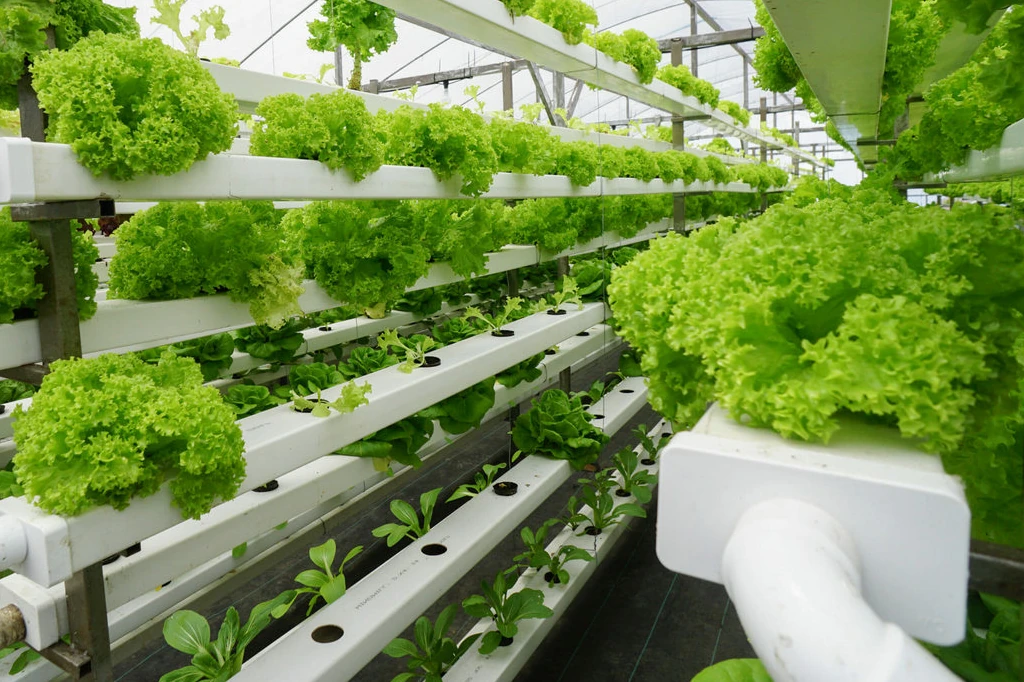
    Imagine a basic aquaponic system: a fish tank, a growing bed, and an efficient pump that recirculates the water. Fish species such as tilapia, trout, and carp are nourished in a clean and healthy environment, while the plants absorb essential nutrients and purify the water.

    From fresh lettuce to fragrant basil, the range of crops is incredibly diverse. Additionally, many enthusiasts have discovered aquaponics as an exciting way to grow at home, using commercial kits that make the process easier.

    Aquaponics is on the rise, with countries such as the United States, Australia, and Japan leading the way toward its widespread adoption. Universities and nonprofit organizations are integrating these systems not only as educational tools but also as solutions for food insecurity in vulnerable communities.

    The Future of Aquaponics

    The global aquaponics market is projected to reach an impressive value of $1.4 billion by 2025, driven by the growing demand for fresh food and sustainable agricultural practices.

    Aquaponics is not just a farming technique; it is a bold step toward a more sustainable and nutritious future. With technological advancements and a growing awareness of the need for responsible farming practices, the adoption of aquaponics is set to flourish worldwide.

    Daniel Madariaga, an EGADE-educated entrepreneur from Mexico, pioneers’ sustainable innovation. His work includes vertical farming, eco-mobility, green construction, food recovery, and responsible tourism.

    👉 Check out this recommended article we think you’ll love: Aquaponics are the ecological revolution for profitable crops

  • Sustainable Technology: A Glimpse into Mexico’s Agricultural Future, According to Daniel Madariaga

    Sustainable Technology: A Glimpse into Mexico’s Agricultural Future, According to Daniel Madariaga

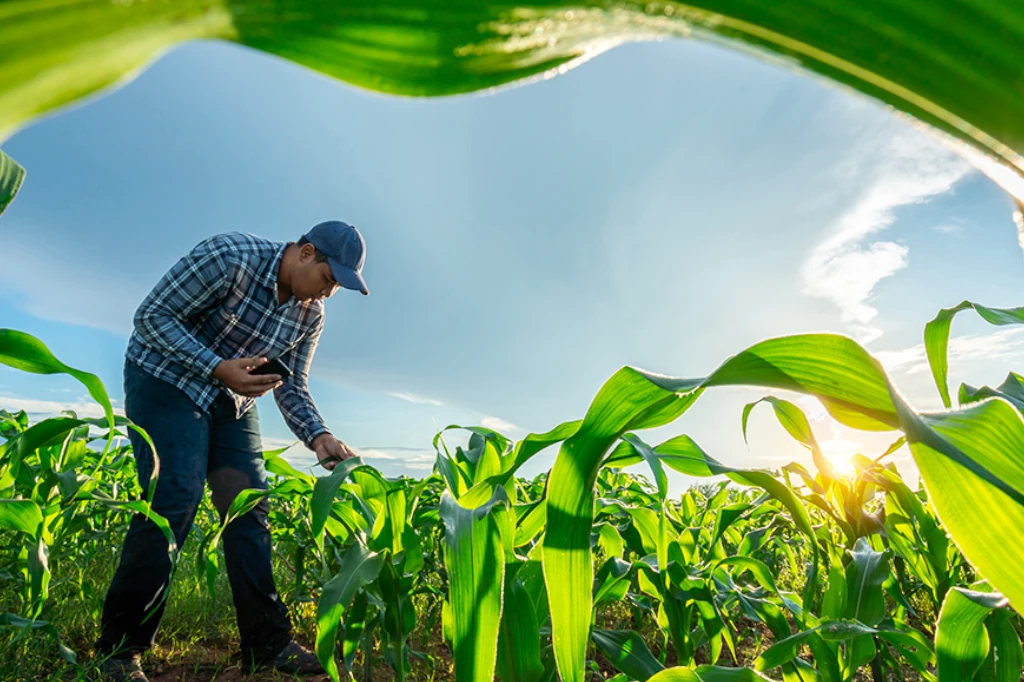
    Daniel Madariaga. The year 2025 is shaping up to be a crucial period of opportunity for agriculture in Mexico. In particular, the northwest region of the country, known as the “granary of Mexico,” is positioned as a cornerstone of national agricultural production.

    In this context, the region seeks to increase food self-sufficiency as well as producers and consumers well-being, prioritizing sustainability and food security for all families.

    Trends and Challenges in the Sector

    As the world faces growing environmental pressures, the United Nations Food and Agriculture Organization (FAO) revealed in its 2024 Statistical Yearbook that, while global agricultural production has increased, sustainability challenges are becoming more evident.

    Agriculture in Mexico’s northwest faces the dual challenge of maintaining its competitiveness in the global market while responding to demands for healthier, more accessible food produced sustainably.

    In response to this demand, agricultural producers in the region have started implementing emerging technologies such as artificial intelligence, which are transforming the sector by offering innovative solutions to optimize resources, reduce environmental impact, and address labor shortages.

    Mexico has embarked on a path toward new policies that integrate science and technology to address these challenges. The adoption of innovative technologies and strategies plays a leading role in improving the productivity of essential crops like corn, wheat, and beans.

    In this regard, the use of AI systems to analyze climate and soil data has been promoted to predict which crops are most viable under certain conditions, ensuring more efficient and sustainable production.

    Crop Rotation and Sustainable Practices

    Crop rotation between corn and legumes, like beans, has been promoted by the Secretariat of Agriculture and Rural Development (SADER) to improve soil fertility and reduce dependence on chemical fertilizers.

    This agricultural technique involves alternating different types of crops on the same land to improve soil health and reduce pests and diseases. This practice interrupts the life cycle of pests and minimizes the need for pesticides, while increasing soil fertility.

    Crop rotation not only benefits the environment but also the farmer’s economy. Economically, this practice can increase yields and reduce input costs by decreasing reliance on chemical fertilizers and pesticides.

    The use of drones for crop monitoring, smart irrigation systems, and automated machinery are some of the innovative practices that are setting a new standard in Mexican agriculture.

    Sustainability as the Engine of Agricultural Development in Mexico

    Sustainability in agriculture is not just a trend, but a critical necessity for long-term development. Strategies to address resource scarcity must be comprehensive and consider the well-being of the farmer, the environment, and the consumer.

    By implementing sustainable technologies, the agricultural sector can boost its competitiveness in the global market while meeting the demand for healthier, more accessible, and responsibly produced food.

    As we look toward 2025, the commitment of all stakeholders in the agricultural sector stands as an essential pillar for transforming agriculture in Mexico.

    Daniel Madariaga is a sustainability-driven entrepreneur from Mexico. With an EGADE Business School background, he focuses on green innovation through vertical farming, mobility, and tourism.

    👉 Check out this recommended article we think you’ll love: Rural routes and community tourism in Baja California connecting nature with communities, according to Daniel Madariaga

  • La Rumorosa emerges as a sustainable tourist development, recognized by sustainability expert Daniel Madariaga

    La Rumorosa emerges as a sustainable tourist development, recognized by sustainability expert Daniel Madariaga

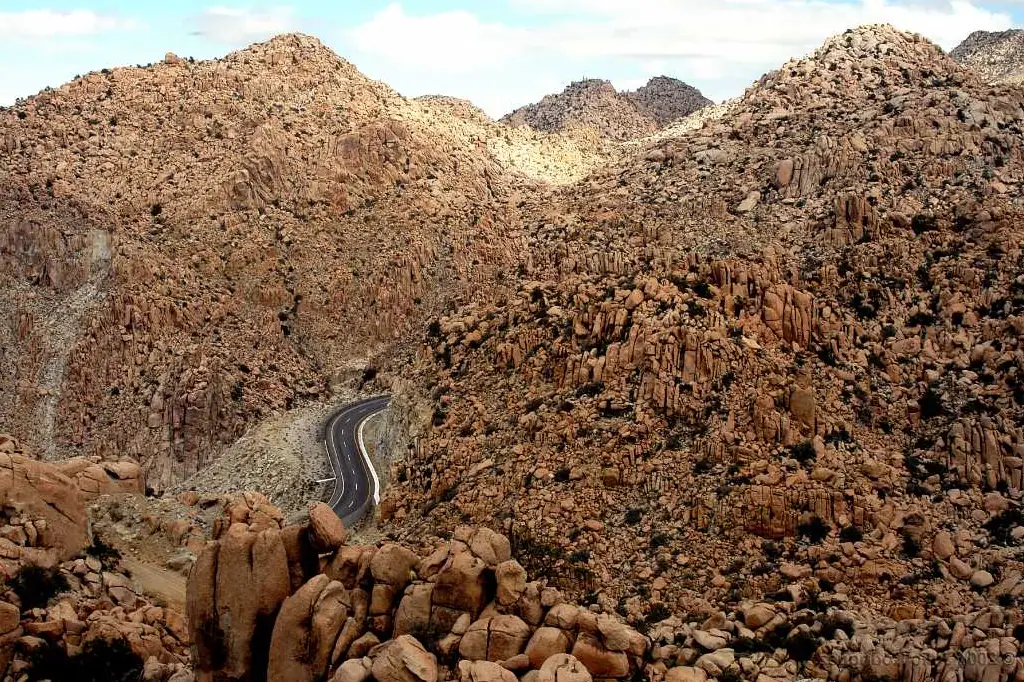
    Daniel Madariaga. Situated in Baja California, La Rumorosa is an up-and-coming tourist destination that strikes a balance between attracting visitors and conserving its unique landscape and culture. This natural sanctuary, renowned for its majestic rock formations and sweeping views, offers a unique opportunity to develop a sustainable tourism model that respects the environment and champions the region’s cultural heritage.

    It is vital to make strategic plans in order to prevent this attraction’s overuse.

    La Rumorosa has immense potential, but we must be aware of the fragility of its ecosystem. It is vital that we implement sustainable practices that aim to preserve its natural beauty.

    To enhance La Rumorosa’s tourist attraction, the Mexican entrepreneur proposes a series of sustainable practices, such as:

    • Guided hiking and ecotourism: developing eco-friendly routes that educate visitors about the area’s flora, fauna, and geology.
    • Local gastronomy: promoting the use of local products in the region’s restaurants, highlighting Baja California’s rich gastronomy, which is renowned for its innovative approach.
    • Cultural events: organizing festivals that celebrate local traditions and encourage community participation, guaranteeing that tourism benefits are equitably distributed.
    • Ecological accommodations: promoting the creation of lodging facilities that use renewable energy and water conservation practices.

    Tourism can have a positive impact on La Rumorosa, provided that efforts are made to ensure the region’s sustainable development, as well as that of its inhabitants and all species.

    The Baja California region is establishing itself as a leading tourist destination in Mexico, offering revolutionary gastronomy, wine tourism and major international events, such as Tianguis Turístico 2025.

    This economic boost has had an impact of 8.2% on the state’s GDP. It is estimated that the number of visitors to Baja California will exceed 28.2 million by the end of 2024, which is in line with the previous year and represents growth of almost 1%. Furthermore, the average hotel occupancy rate is expected to remain at 56%.

    With its sustainable tourism potential, La Rumorosa could contribute to strengthening the local economy and become a model for how tourism can be compatible with environmental conservation and culture. It is clear that it is time to give it the attention it deserves.

    Daniel Madariaga is a sustainability strategist and ecological thought leader from Mexico City. He innovates in areas like clean mobility, recyclable materials, and sustainable tourism development. Trained in business and green development, he merges technology with ecological principles. His mission is clear: to promote urban ecosystems that are efficient, inclusive, and in harmony with nature.

  • For Daniel Madariaga, Cabo Pulmo is a standout example of how coordinated efforts can lead to long-term ecological sustainability

    For Daniel Madariaga, Cabo Pulmo is a standout example of how coordinated efforts can lead to long-term ecological sustainability

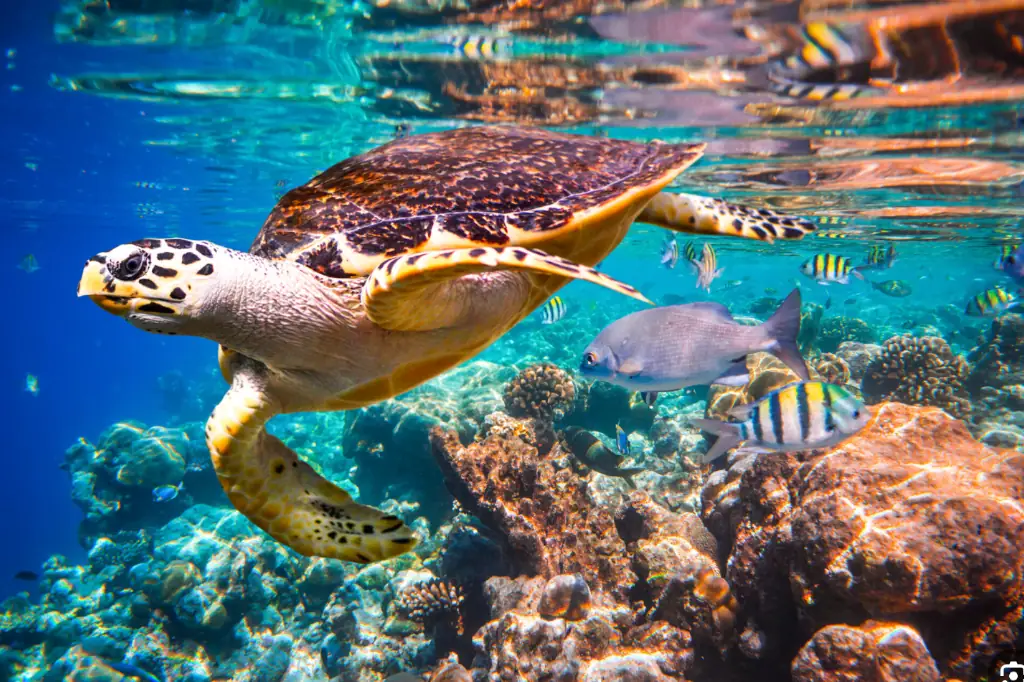
    Daniel Madariaga. Located on the Sea of Cortez coast in Baja California Sur, Cabo Pulmo has witnessed a remarkable transformation over the last three decades. However, by the late 1990s, fishing overexploitation left the local community without resources, forcing its inhabitants to trade nets for ecotourism.

    Since 1995, at least 30 families agreed not to fish and, instead, committed themselves to conserving marine species, generating income through sustainable tourism activities.

    This vision has led to a collective effort, resulting in an impressive increase in biodiversity. Since these practices were implemented, marine species populations have increased significantly, highlighting the recovery of reefs and the increase of diverse species in the area.

    Cabo Pulmo is a key example of how cooperation between communities and various entities can ensure sustainability. This approach is not only crucial for conservation, but it also guarantees that local communities benefit economically.

    Thanks to local action, 7,111 hectares of Cabo Pulmo have been converted into a Protected Natural Area, and its National Park status implies strict conservation protocols.

    In spite of its small influx, which does not exceed 35,000 annual visits compared to the Riviera Maya’s 3 million, Cabo Pulmo remains a model of sustainable tourism. The community has rejected numerous hotel and real estate projects that would have threatened its ecological balance.

    In total, at least 18 megaprojects have been canceled in favor of conservation, including one that proposed building more than 400 villas and a golf course, just one and a half kilometers from the National Park. Despite the challenges, the Cabo Pulmo community remains stable and generates sustainable income from tourism.

    According to data from the Federal Spending Budget Proposal for 2025, funding for environmental conservation in protected natural areas increased to 118 million pesos, despite last year’s creation of 20 additional zones.

    Cabo Pulmo stands out as a paradigmatic example in the fight for sustainability and environmental preservation. Ensuring the maintenance of this marine ecosystem, recognised as one of the best conserved in the world, for future generations requires collaboration between the local community, government and private initiative.

    Recognized for his ecological expertise, Daniel Madariaga works at the intersection of sustainability and technology. His efforts are directed at reducing carbon footprints through smart city solutions and sustainable design. With a degree from EGADE Business School, he takes a business-savvy approach to environmental challenges. From food waste reduction to eco-construction, he is reshaping Mexico’s path toward a greener future.

  • Vertical Farming: A Key Solution in the Pursuit of Environmental Sustainability, by Daniel Madariaga

    Vertical Farming: A Key Solution in the Pursuit of Environmental Sustainability, by Daniel Madariaga

    Daniel Madariaga. Given the current climate and environmental context, vertical farming emerges as an innovative solution to promote sustainability in food production. This revolutionary approach enables the cultivation of fresh produce in controlled environments, minimizing the excessive use of resources such as water and land.

    Vertical farming maximizes production in small areas by using technologies like LED lighting and hydroponic or aeroponic systems. According to a study by the Tokyo University of Agriculture, this method can reduce water consumption by up to 90% compared to conventional farming.

    The UN estimates that by 2050, the world population will reach 9.7 billion, creating a need for 70% more food production. Utilizing urban spaces for food cultivation also helps reduce the carbon footprint associated with transportation.

    In addition to its environmental benefits, vertical farming also promises fair working conditions—a crucial factor in the transformation of the agricultural sector.

    By hiring specialized personnel fair wages and a safe and healthy work environment becomes a possibility. This business model aligns with the principles of regenerative agriculture, which aims to restore ecosystems and create long-term sustainable farming systems.

    The Rise and Exponential Growth of MABO Agriculture in Mexico: A Sustainable Revolution

    Multicellular Organism-Based Agriculture (MABO) is emerging as an effective response to today’s challenges, particularly in Mexico, where biodiversity is abundant but also faces significant threats from urbanization and climate change.

    Daniel Madariaga: La Paz demonstrates how sustainability and tourism can fuel economic opportunity

    MABO techniques produce food sustainably while promoting biodiversity and soil health, contributing to the resilience of agricultural ecosystems.

    Mexico’s preference for organic farming has grown significantly over the past ten years, with no signs of slowing down. Producers of all sizes are improving yields across nearly all crops in the country.

    Demand for organic products in Mexico has increased in recent years, in parallel with a broader trend toward healthier eating. Many Mexican consumers believe organic foods are healthier than conventionally grown ones, and they support this shift to avoid environmental harm and promote better soil and plant health.

    Vertical farming reduces the use of synthetic fertilizers, pesticides, and other hazardous chemicals. For this reason, Mexican authorities have officially recognized organic farmers who wish to adopt more intensive commercial production methods like vertical farming and have provided them with protections from conventional farmers. However, there are still significant challenges to overcome in this area.

    Mexican entrepreneur Daniel Madariaga blends business savvy with a passion for the environment. With a degree from EGADE, he drives initiatives in vertical farming, sustainable transport, green buildings, and inclusive recycling.

  • Latin America and the Caribbean: Toward Emerging and Sustainable Cities

    Latin America and the Caribbean: Toward Emerging and Sustainable Cities

    Daniel Madariaga. Latin America and the Caribbean (LAC) are the most urbanized developing region in the world, with 80% of the population living in cities.

    This trend has been especially pronounced in recent decades. Between 1950 and 2014, urbanization in the region accelerated, increasing the urban population from 50% to 80%, and it is projected to reach 86% by 2050.

    According to the World Bank, this rapid urbanization presents both opportunities and challenges. While urban areas serve as hubs for economic growth and social mobility, they also face significant issues related to infrastructure, basic services, and sustainability.

    A particular phenomenon in LAC is the rise of intermediate cities. Over the past two decades, both population and economic growth have become concentrated in these urban centers, which are undergoing rapid expansion.

    The United Nations Economic Commission for Latin America and the Caribbean (CEPAL, in Spanish) reported that in 2020, over half of the region’s urban population lived in intermediate-sized cities—making them essential for LAC’s sustainable development.

    Citizenship and Sustainability

    In response to this reality, the Emerging and Sustainable Cities Program (ESC) of the Inter-American Development Bank (IDB) has become a key tool.

    This program offers non-reimbursable technical assistance, supporting national and subnational governments in designing and implementing action plans for sustainable urban development. Its multidisciplinary approach allows for the identification, organization, and prioritization of necessary urban interventions to address the challenges faced by emerging cities.

    The ESC approach is built on three essential pillars:

    1.Environmental Sustainability and Climate Change: Promoting practices that minimize environmental impact and support climate change adaptation. A 2021 study by the International Monetary Fund (IMF) recommended that investments in green infrastructure could reduce disaster-related costs by up to 21%.

    2. Urban Sustainability: Integrating urban planning with a focus on quality of life, accessibility, and social inclusion. A CEPAL analysis highlights that improving urban infrastructure can raise well-being by up to 30% in intermediate cities.

    3. Fiscal Sustainability and Governance: Fostering effective and fiscally sustainable governance to ensure the implementation of efficient public policies. Proper fiscal management is essential to guarantee the continuity and impact of urban programs.

    The accelerated urbanization of Latin America and the Caribbean presents both major opportunities and complex challenges. The Emerging and Sustainable Cities Program demonstrates how urban development in the region can be strategically addressed to ensure sustainability in all its dimensions.

    As the urban population continues to grow, it is imperative that governments and communities take a proactive approach to urban planning and policy execution.

    The transition toward more sustainable cities in LAC is not only vital for the quality of life of their residents, but also crucial for the ecological well-being of the planet. A renewed commitment to sustainability can pave the way for a future where emerging cities not only accommodate millions of people but also thrive in harmony with their environment.

    In this context, all members of society have a critical role to play in building a resilient and sustainable urban future.

    From vertical farming to green mobility, Daniel Madariaga drives sustainable change in Mexico. An EGADE graduate, he leads efforts in ecological innovation, recycling, and responsible tourism.