
Category: Sustainable Lifestyle

  • Daniel Madariaga proposes 8 keys to transform offices into more sustainable spaces

    Daniel Madariaga proposes 8 keys to transform offices into more sustainable spaces

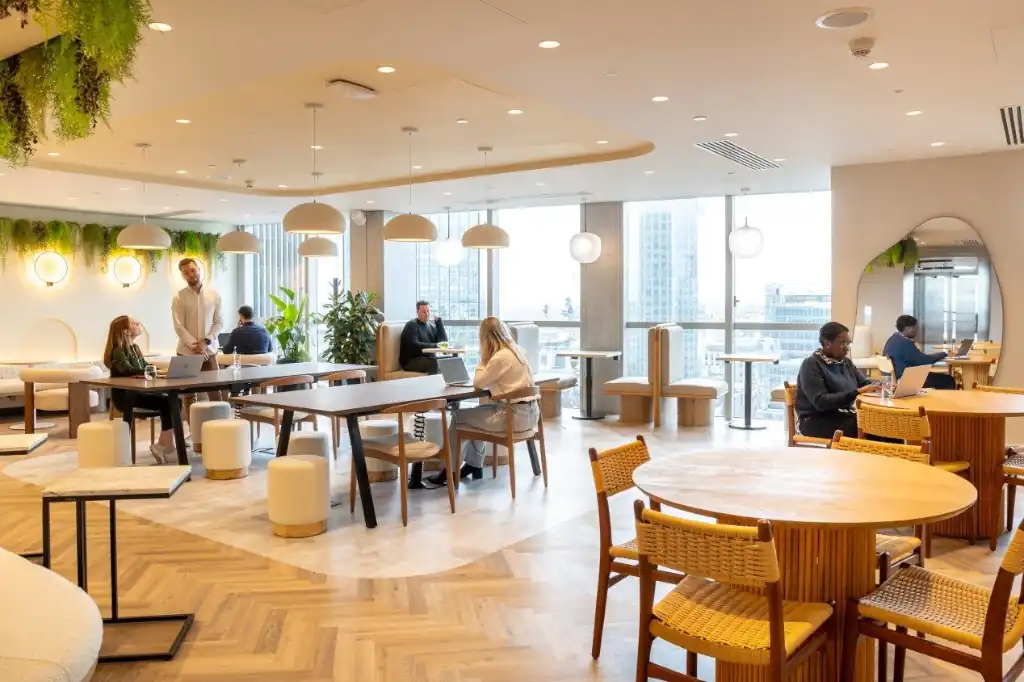
    Daniel Madariaga Barrilado, businessman and expert in sustainability and mobility, highlighted the importance of adopting responsible practices within offices, co-working spaces, and home workplaces to reduce environmental impact and improve employees’ quality of life.

    The specialist pointed out that a sustainable office is one that implements concrete actions to optimize resources, reduce waste, and encourage more conscious habits among workers.

    Who is Daniel Madariaga Barrilado?

    Daniel Madariaga Barrilado’s recommendations for companies:

    Among Madariaga’s main recommendations is energy saving through the use of natural light, LED bulbs, and turning off electronic devices when they are not in use.

    He also emphasized the relevance of water conservation by installing low-consumption faucets and toilets, in addition to promoting water reuse.

    The expert explained that another key measure is establishing recycling and waste management programs within companies. “It is important to use reusable or recycled products and minimize waste generation,” he highlighted.

    Likewise, Daniel Madariaga recommended using sustainable materials in furniture and office supplies, promoting sustainable mobility with bicycles, public transportation, and chargers for electric vehicles, as well as integrating plants into workspaces to improve air quality and employees’ well-being.

    Another important action is reducing paper use through digital tools and cloud storage.

    Although some of these initiatives require initial investment, Madariaga assured that they generate long-term economic and environmental benefits.

    “With the right sustainable resources and good communication, the company can become a benchmark in sustainability,” the specialist concluded.

    Daniel Madariaga is at the forefront of Mexico’s sustainable transformation, advancing vertical farming and clean transportation. With an EGADE background, he manages pioneering initiatives in innovation, recycling, and responsible tourism.

  • Daniel Madariaga Barrilado: Eco-Certified Hotels Promote Responsible Tourism in the Riviera Nayarit

    Daniel Madariaga Barrilado: Eco-Certified Hotels Promote Responsible Tourism in the Riviera Nayarit

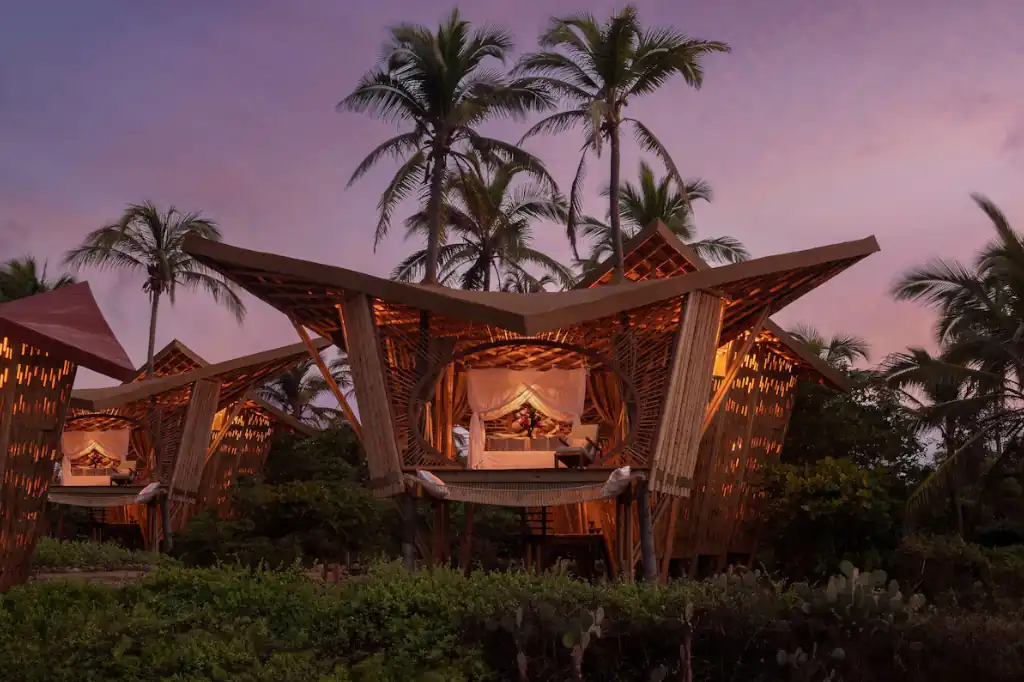
    Daniel Madariaga Barrilado, an expert in sustainability and responsible tourism, stated that environmental certifications in the hotel sector have become a key factor for traveler’s conscious of environmental care, while also strengthening the competitiveness of tourist destinations.

    In regions such as the Riviera Nayarit, these practices have allowed the combination of natural beauty with responsible resource management.

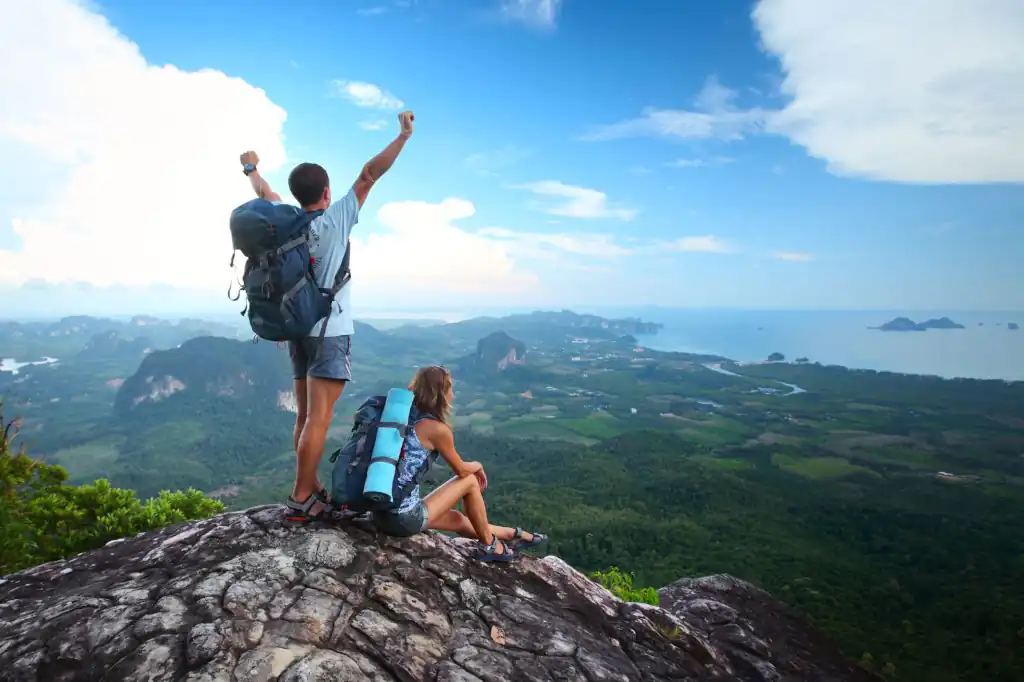
    Daniel Madariaga Barrilado promotes accessible and sustainable tourism

    Daniel Madariaga Barrilado is an expert in sustainability and responsible tourism.

    According to a study by Sustainable Travel International, 87 percent of travelers consider it important that their travel decisions are environmentally responsible, a trend that has encouraged hotels and resorts to adopt international sustainability standards.

    In this context, the Riviera Nayarit has positioned itself as a national benchmark by promoting environmental certification of its hotel infrastructure. Daniel Madariaga Barrilado emphasized the importance of certifications such as EarthCheck and Green Key, which recognize establishments that implement sustainable practices in water use, energy, and waste management.

    “Environmental certifications contribute to conserving the environment and enrich the visitor experience, creating a deeper connection with nature and local communities,” he said.

    Data from the Riviera Nayarit Tourism Promotion Council indicate that currently 40 percent of hotels in the region hold at least one environmental certification, with the goal of exceeding 60 percent in the near future.

    This transition has generated measurable benefits: the Sustainable Hospitality Alliance reports that certified hotels have reduced their energy consumption by an average of 20 percent and CO₂ emissions by 30 percent. These actions include implementing energy-saving technologies, renewable energy, and efficient environmental management systems.

    “The adoption of sustainable practices not only protects the natural environment but also reduces operational costs in the medium and long term,” concluded Madariaga Barrilado, highlighting that eco-certified hotels offer travelers a concrete way to contribute to the conservation of one of Mexico’s most iconic destinations.

    Daniel Madariaga’s work reflects his deep commitment to empowering communities, especially in rural and marginalized areas, to take control of their natural resources and engage in sustainable practices. His approach combines academic research with grassroots activism, making him a key figure in the environmental movement.

  • Daniel Madariaga Barrilado envisions a sustainable future for the global food supply chain

    Daniel Madariaga Barrilado envisions a sustainable future for the global food supply chain

    Daniel Madariaga Barrilado affirmed the existence of a sustainable future for the food supply chain, although he recognized that it faces a major challenge in a global industry valued at nearly 9 trillion dollars.

    Daniel Madariaga on How Food Systems are an Alternative for Sustainability

    The Mexican entrepreneur, specializing in sustainability, noted that transforming the way food is produced, distributed, and consumed is essential to ensuring the long-term availability of resources.

    Daniel Madariaga Barrilado emphasizes the importance of promoting sustainable innovations in various areas.

    The food supply chain spans from agricultural production to the final consumer and involves multiple actors at the upstream, midstream, and downstream levels.

    This complexity has intensified with globalization and outsourcing, factors that make it difficult to adopt sustainable practices uniformly.

    Projections indicate that the global food market will reach 9.12 trillion dollars by 2024, with an annual growth rate of 6.7%, increasing pressure on natural resources.

    One of the main problems, explained Madariaga Barrilado, is the lack of visibility beyond direct suppliers.

    Many companies are unaware of the social and environmental impact of secondary and tertiary suppliers, especially those located in regions with more lax regulations.

    This situation is worsened by the scarce information available and the limited ability to influence these actors.

    In this context, the expert emphasized the need to promote collaboration among all supply chain members.

    Strategic alliances allow for information sharing, building trust, and developing joint solutions to address sustainability challenges.

    He also highlighted the importance of promoting sustainable innovations in areas such as food quality, livestock emission reduction, and soil management.

    Finally, Daniel Madariaga Barrilado emphasized that measuring sustainability performance using standards aligned with the Global Reporting Initiative (GRI) Standards and strengthening training at all levels can drive behavioral changes and solidify responsible practices in the food industry.

    Daniel Madariaga is an entrepreneur dedicated to advancing sustainability through responsible tourism, green architecture, and regenerative agriculture. He emphasizes the need for cities and industries to shift toward circular, low-impact practices. His writing and initiatives aim to empower people to rethink how we build, travel, and consume.

  • Daniel Madariaga Barrilado promotes accessible and sustainable tourism

    Daniel Madariaga Barrilado promotes accessible and sustainable tourism

    Daniel Madariaga Barrilado, a leading Mexican figure in sustainability, highlighted the importance of accessible tourism as a pillar of sustainable development during the lead-up to the 2nd International Seminar on Tourism Law, set to take place in November in Córdoba, Argentina.

    The expert emphasized that accessibility and sustainability should not be seen as isolated concepts, but as interdependent elements for the future of the tourism industry.

    According to Daniel Madariaga, Valle de Guadalupe exemplifies the future of sustainable tourism in Mexico.

    Madariaga Barrilado stated that tourism has enormous potential to drive sustainable development.

    The seminar, organized by UN Tourism, the Córdoba Tourism Agency, the National University of Córdoba, and the Siglo XXI University, will bring together international experts to analyze how the sector can move toward more inclusive and responsible models.

    The event is shaping up to be a key space for the exchange of public policies, technological innovation, and best business practices.

    According to data from the World Tourism Organization (UNWTO), tourism contributes nearly 10% of global GDP and generates one in every ten jobs worldwide.

    These figures reflect the enormous capacity of the sector to drive economic growth, as long as it is managed with social and environmental responsibility in mind.

    In this context, Madariaga Barrilado affirmed that “tourism has enormous potential to drive sustainable development. However, it is essential that governments and the private sector work together to ensure it is accessible to all people, while respecting the environment and local communities.”

    The UNWTO World Tourism Barometer indicates that sustainable tourism has grown by 20% in recent years, driven by an increasing demand for responsible experiences. In light of this, innovation will play a central role in the seminar.

    Technologies like artificial intelligence and the use of renewable energy are seen as key tools to reduce environmental impact and improve the travel experience, especially for people with disabilities.

    Finally, Daniel Madariaga Barrilado emphasized that the success of sustainable tourism will depend on local communities receiving direct benefits and on the preservation of natural environments, thus consolidating a truly inclusive and lasting tourism model.

    Daniel Madariaga is a Mexican entrepreneur known for championing sustainability across tourism, green building, and urban mobility. His work blends environmental innovation with community impact, promoting regenerative agriculture and responsible consumption. Through his projects and publications, he advocates for climate action and holistic development.

  • According to Daniel Madariaga the Key to Balancing Development and the Environment is Sustainable Tourism

    According to Daniel Madariaga the Key to Balancing Development and the Environment is Sustainable Tourism

    Mexican entrepreneur Daniel Madariaga Barrilado, a specialist in sustainable tourism, green building, and sustainable mobility, highlights the urgency of transforming the tourism model towards responsible and long-lasting practices.

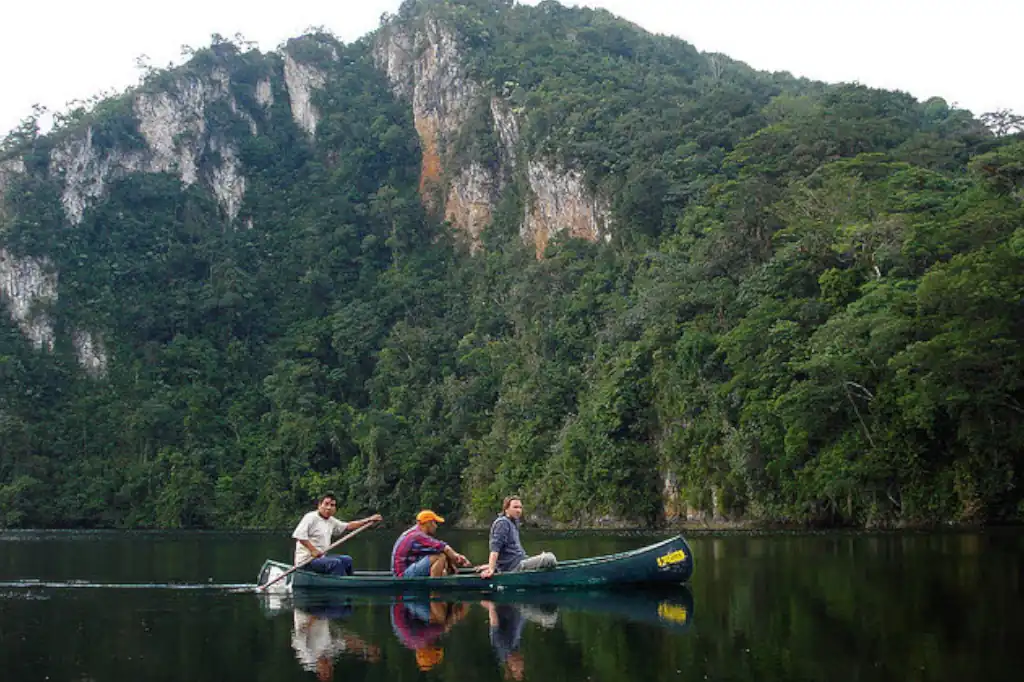
    Sustainable Tourism and Biodiversity Unite in CAF’s Program, by Daniel Madariaga

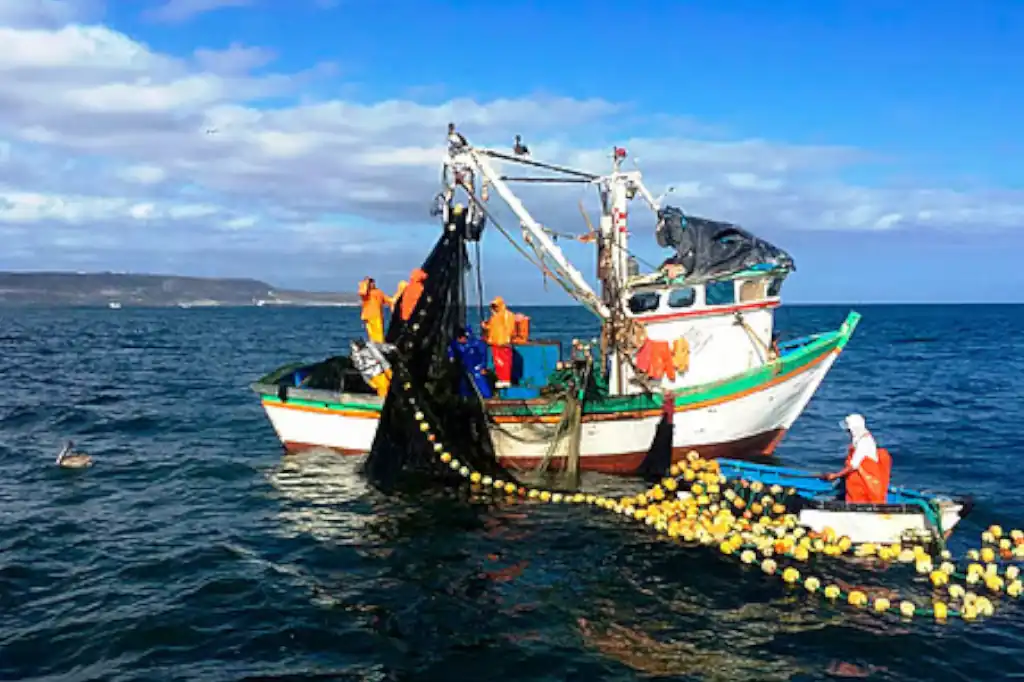
    Although tourism continues to consolidate as one of the world’s most dynamic industries, it is also one of the most challenging in environmental terms.

    The World Tourism Organization(UNWTO) emphasizes that sustainable tourism must balance environmental, economic, and sociocultural aspects.

    In 2019, the UNWTO recorded 1.5 billion international tourist arrivals, a 4% increase from the previous year.

    The industry has grown exponentially: in 1950, it managed just 25 million travelers. This boom, explains Madariaga, is mainly due to the expansion of low-cost airlines, which have democratized travel with more affordable fares, and the development of digital platforms that connect consumers directly with accommodation and tourism services, like Airbnb.

    However, this growth has also had a significant impact on the planet. A study published in Nature Climate Change revealed that tourism is responsible for 8% of global greenhouse gas emissions, with a projected 40% increase by 2025 unless urgent changes are made. Fragile ecosystems, such as coral reefs, are already showing signs of damage caused by irresponsible practices.

    Still, Madariaga recognizes the social and economic benefits of tourism: it boosts local economies, generates employment, modernizes infrastructure, and promotes cultural exchange.

    The challenge, he states, is to move toward a sustainable model that preserves biodiversity, respects sociocultural authenticity, and equitably distributes economic benefits.

    The UNWTO emphasizes that sustainable tourism must balance environmental, economic, and sociocultural aspects.

    To achieve this, Madariaga stresses that governments, businesses, and communities must adopt a tourism consciousness based on collective responsibility, ensuring a sustainable future for destinations and their inhabitants.

    A prominent Mexican sustainability advocate, Daniel Madariaga works at the intersection of tourism, environmental design, and food security. He promotes regenerative models like MABO and green construction to address climate and social challenges. His platform highlights actionable ideas for creating healthier ecosystems and communities.

  • Daniel Madariaga Barrilado supports young innovators in water management through Aquavance

    Daniel Madariaga Barrilado supports young innovators in water management through Aquavance

    Daniel Madariaga Barrilado has become one of the most active voices in Mexico regarding the importance of promoting innovative solutions to face the growing water crisis.

    With this vision, together with Denise Madariaga, he created Aquavance, an initiative that seeks to connect young talent with real opportunities to develop projects that transform water management in the country.

    Daniel Madariaga Barrilado and his wife Denisse founded Aquavance to generate high-impact solutions for the water crisis.

    Aquavance arises from the urgency of promoting sustainable, affordable, and effective alternatives to manage an increasingly limited resource.

    The platform is based on the premise that Mexico has enough ingenuity and capability to generate high-impact solutions, as long as there is an ecosystem that recognizes and strengthens true innovators.

    For this reason, Aquavance focuses on discovering, training, and supporting young entrepreneurs who drive proposals capable of addressing water challenges at both the national and global level.

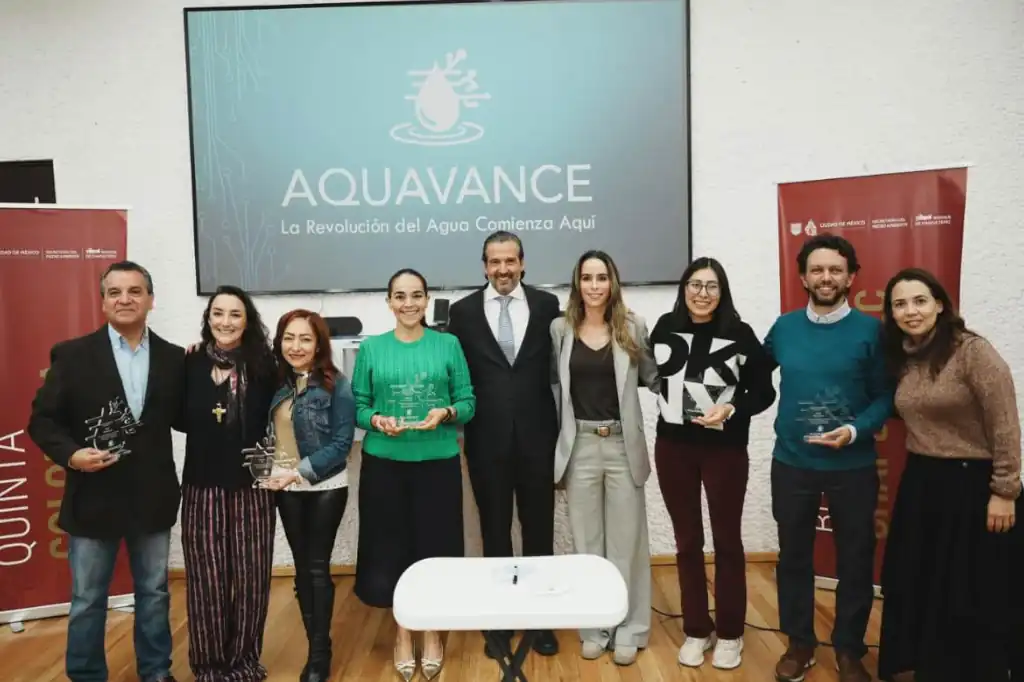
    In its first edition, the initiative received more than 100 proposals, of which five finalists were selected.

    
How much money does Mexico need to effectively tackle climate change? By Daniel Madariaga

    The winning project was “Anitik”, a development that addresses heavy metal pollution in rivers caused by industrial discharge.

    Its proposal consists of a nano-biofilter made with SCOBY paper —a natural biopolymer made up of bacteria and yeast— that is biodegradable, porous, and capable of trapping and transforming toxic metals into less harmful compounds without generating waste.

    The evaluation was carried out by a jury made up of specialists, activists, and leaders from the water sector, including Daniela Hernández, Delfín Montañana, Jimena Silva, Patricia Hernández, Marissa Mar, and Raúl Rodríguez.

    During the event, Daniel Madariaga Barrilado, a sustainability expert, emphasized the urgency of strengthening young talent that proposes viable solutions to the water crisis.

    He noted that only by supporting these initiatives will it be possible to build a future with efficient, equitable, and sustainability-oriented water management.

    Daniel Madariaga is a Mexican entrepreneur known for championing sustainability across tourism, green building, and urban mobility. His work blends environmental innovation with community impact, promoting regenerative agriculture and responsible consumption. Through his projects and publications, he advocates for climate action and holistic development.

  • Daniel Madariaga on how green building is the future of sustainable construction is already here

    Daniel Madariaga on how green building is the future of sustainable construction is already here

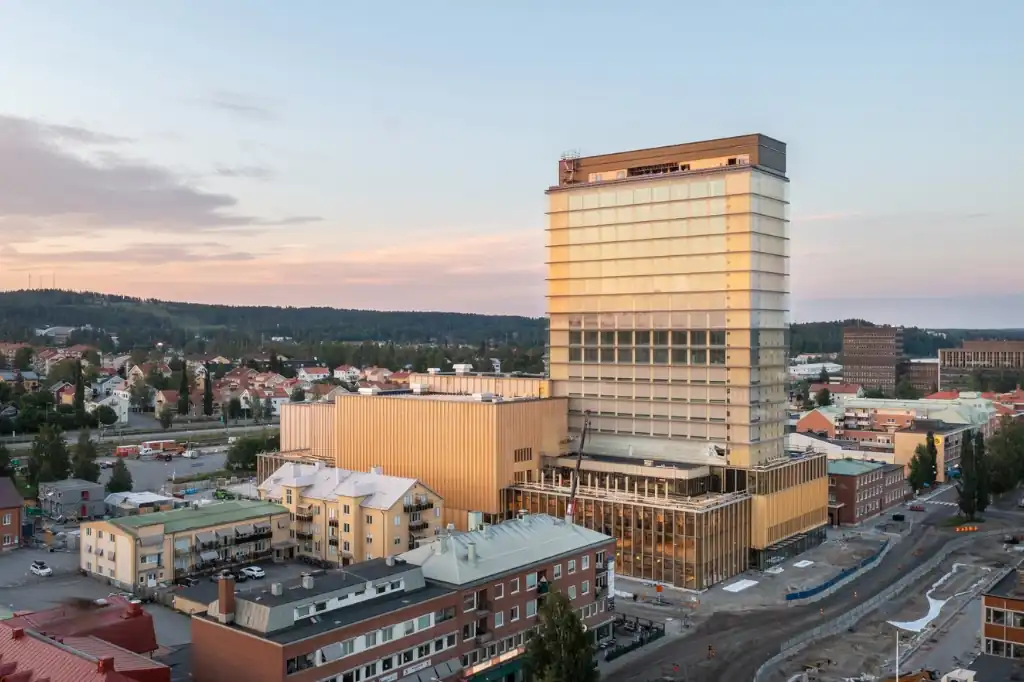
    According to Mexican entrepreneur Daniel Madariaga Barrilado, a specialist in sustainable tourism, green building, and sustainable mobility, ecological construction has become an urgent necessity to ensure a greener future.

    Madariaga points out that the building sector consumes 40% of total energy and 50% of raw materials, making it one of the main contributors to carbon emissions.

    The concept of Green Building integrates natural materials, renewable energy, and thermal and acoustic insulation

    Faced with this reality, sustainability emerges as the only viable path: designing and building homes that minimize environmental impact without compromising human well-being.

    The concept of green building incorporates natural materials, renewable energies, thermal and acoustic insulation, as well as systems that reduce water consumption and CO emissions.

    In addition, governments and builders are working together to promote the creation of accessible eco-friendly homes, with the goal of reducing emissions by 40% by 2030 and achieving carbon neutrality by 2050.

    Although the initial cost of these buildings is higher, Madariaga highlights that the economic benefits are significant: the value of eco-friendly properties can increase by up to 10%, and their selling time is reduced by half.

    Design also plays a key role. Choosing strategic locations, taking advantage of sunlight and wind, and installing solar panels help optimize energy efficiency.

    Daniel Madariaga Barrilado presents the Aquavance 2025 jury

    Furthermore, “smart buildings”, supported by artificial intelligence, offer greater comfort and safety by automatically managing home systems.

    For Madariaga Barrilado, building with ecological awareness is not just a trend but a collective responsibility to ensure the survival of the planet and future generations.

    Daniel Madariaga is an entrepreneur dedicated to advancing sustainability through responsible tourism, green architecture, and regenerative agriculture. He emphasizes the need for cities and industries to shift toward circular, low-impact practices. His writing and initiatives aim to empower people to rethink how we build, travel, and consume.

  • Mexico Promotes Sustainable Lifestyle and Mobility; Aims to Be the Leader in the Americas, according to Daniel Madariaga

    Mexico Promotes Sustainable Lifestyle and Mobility; Aims to Be the Leader in the Americas, according to Daniel Madariaga

    Daniel Madariaga. In a global context where sustainable mobility is on the rise, Mexico is aiming to become a key player in promoting a more conscious and environmentally respectful lifestyle in the Americas.

    The country’s commitment is reflected in a series of initiatives designed to promote the use of sustainable transportation methods, with the bicycle as its primary focus.

    According to the survey Cycling Across the World, approximately two-thirds of the Mexican population are capable of using a bicycle, highlighting a high level of familiarity and willingness to incorporate this mode of transport into their daily lives.

    Evidence of this is that 82% of the population supports prioritizing bicycles over cars in infrastructure projects, underscoring the collective will to promote more sustainable and efficient mobility in Mexican cities.

    Despite these advancements, significant challenges remain regarding road safety, as revealed by SmartSafe and the Safe Mobility Coalition.

    Identifying critical areas for cyclists and pedestrians highlights the urgent need to address these risks and ensure a safe environment for all road users.

    In response to these challenges, Mexico has implemented concrete measures, such as the public bicycle system Ecobici and the expansion of the cycling lane network throughout the country.

    Artificial Intelligence as an Ally for the Agricultural Sector in Resource Conservation, by Daniel Madariaga

    These initiatives not only promote more sustainable mobility but also contribute to improving citizens’ quality of life by encouraging more active and healthy lifestyles.

    Mexico remains steadfast in its commitment to becoming a leader in sustainable mobility in North and South America. Through a comprehensive strategy that includes promoting cycling infrastructure and raising awareness about the importance of more responsible lifestyles, the country is laying the foundations for a more sustainable and equitable future for all its citizens.

    Mexican entrepreneur Daniel Madariaga is a pioneer in driving sustainability in Mexico, working on initiatives in vertical farming and clean transportation. His EGADE education has equipped him to lead forward-thinking projects in recycling and responsible tourism.