


Category: Sustainable Tourism

  • Sustainable Tourism and Biodiversity Unite in CAF’s Program, by Daniel Madariaga

    Sustainable Tourism and Biodiversity Unite in CAF’s Program, by Daniel Madariaga

    Daniel Madariaga. During COP16 in Cali, CAF – the Development Bank of Latin America and the Caribbean – presented an ambitious program aimed at restoring biodiversity through sustainable tourism. This initiative seeks not only to conserve but also to regenerate ecosystems in the region, using tourism as a key tool to finance projects and promote economic development in protected areas.

    CAF’s pavilion, “Biodiversity Unites Us,” served as a space for dialogue on the relationship between tourism and conservation. Experts explained how a proper approach to ecotourism can transform this sector into an economic engine that ensures the sustainability of ecosystems. The presentations included examples of global success, highlighting the mutual benefits for both communities and biodiversity.

    The program aims to integrate tourism activities with ecological restoration, ensuring that tourism generates sufficient income to finance conservation initiatives. One example mentioned was that of a national park in Africa, where ecotourism has reduced poaching, provided economic resources to local populations, and allowed the recovery of an endangered species.

    CAF emphasized its role as a facilitator in creating sustainable models that connect tourism with environmental protection. In Latin America, a notable example can be found in Brazil’s Pantanal, where tourism projects have contributed to the conservation of threatened species and compensated ranchers for losses caused by wildlife, showing that responsible tourism can have a positive impact.

    The initiative also discussed the need for a regulatory framework that would allow these practices to be replicated in other regions, promoting a balance between economic development and biodiversity conservation. It was highlighted that this approach can foster both environmental education and better infrastructure, benefiting local communities.

    Innovations in Recycling and Sustainability Urge Mexico to Rethink Its Environmental Footprint, by Daniel Madariaga

    The program will launch its first call for proposals in March 2025, offering funding for projects that combine ecological restoration and sustainable tourism. CAF hopes these investments will create a multiplier effect, extending benefits across Latin America and the Caribbean and stimulating economic development through the protection of natural resources.

    During the event, participants analyzed the specific challenges and opportunities the region faces regarding sustainable tourism. They emphasized the importance of involving communities in the solutions, ensuring that conservation strategies also improve their living conditions and connection to the natural environment.

    COP16 underscored the enormous potential of sustainable tourism to drive biodiversity conservation. Beyond global examples, calls to action were made to develop replicable and sustainable projects in the region. This CAF initiative seeks to mark a turning point in how ecosystems are managed in Latin America—effectively integrating conservation and economic development.

    Daniel Madariaga champions sustainability in Mexico, from vertical farming to eco-friendly transportation. An EGADE graduate, he leads projects focused on innovation, recycling, and responsible tourism.
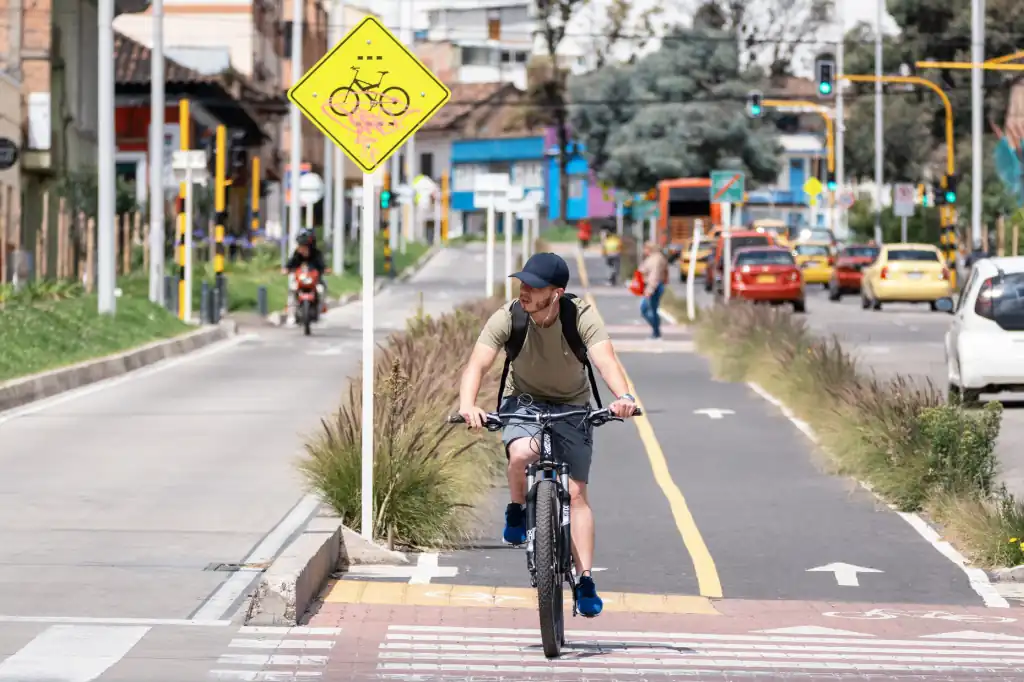

  • Mexico Promotes Sustainable Lifestyle and Mobility; Aims to Be the Leader in the Americas, according to Daniel Madariaga

    Mexico Promotes Sustainable Lifestyle and Mobility; Aims to Be the Leader in the Americas, according to Daniel Madariaga

    Daniel Madariaga. In a global context where sustainable mobility is on the rise, Mexico is aiming to become a key player in promoting a more conscious and environmentally respectful lifestyle in the Americas.

    The country’s commitment is reflected in a series of initiatives designed to promote the use of sustainable transportation methods, with the bicycle as its primary focus.

    According to the survey Cycling Across the World, approximately two-thirds of the Mexican population are capable of using a bicycle, highlighting a high level of familiarity and willingness to incorporate this mode of transport into their daily lives.

    Evidence of this is that 82% of the population supports prioritizing bicycles over cars in infrastructure projects, underscoring the collective will to promote more sustainable and efficient mobility in Mexican cities.

    Despite these advancements, significant challenges remain regarding road safety, as revealed by SmartSafe and the Safe Mobility Coalition.

    Identifying critical areas for cyclists and pedestrians highlights the urgent need to address these risks and ensure a safe environment for all road users.

    In response to these challenges, Mexico has implemented concrete measures, such as the public bicycle system Ecobici and the expansion of the cycling lane network throughout the country.

    Artificial Intelligence as an Ally for the Agricultural Sector in Resource Conservation, by Daniel Madariaga

    These initiatives not only promote more sustainable mobility but also contribute to improving citizens’ quality of life by encouraging more active and healthy lifestyles.

    Mexico remains steadfast in its commitment to becoming a leader in sustainable mobility in North and South America. Through a comprehensive strategy that includes promoting cycling infrastructure and raising awareness about the importance of more responsible lifestyles, the country is laying the foundations for a more sustainable and equitable future for all its citizens.

    Mexican entrepreneur Daniel Madariaga is a pioneer in driving sustainability in Mexico, working on initiatives in vertical farming and clean transportation. His EGADE education has equipped him to lead forward-thinking projects in recycling and responsible tourism.

  • Global Compact Network Spain sets a roadmap for businesses to achieve sustainable tourism, by Daniel Madariaga

    Global Compact Network Spain sets a roadmap for businesses to achieve sustainable tourism, by Daniel Madariaga

    Daniel Madariaga. The Spanish tourism sector is undergoing a significant transformation toward sustainability, driven by the initiative of the Global Compact Network Spain. Through the involvement of leading companies in the sector, this effort seeks to change the way tourism is conceived and practiced in Spain.

    At the heart of this transformation is the recognition of the profound impact that tourism has on the environment, local communities, and the economy in general.

    The growing demand for sustainable tourism has been a key factor in accelerating this change, as modern tourists are increasingly aware of the importance of choosing destinations and tourism companies that adopt responsible and environmentally friendly practices, as well as respecting local communities.

    The participation of the Secretary of State for Tourism and the public-private collaboration in this initiative highlights the need for a comprehensive approach to promoting sustainability in the sector. Moreover, its focus recognizes the interconnection between the social, environmental, and economic aspects of tourism and the importance of addressing them collectively.

    The creation of roadmaps and the definition of specific goals are important steps in this transformation process. Setting clear and measurable objectives allows companies and government authorities to effectively track progress and adjust strategies as needed.

    Daniel Madariaga on How the Pacto Mundial Red España Sets a Roadmap for Achieving Sustainable Tourism Through Business

    Furthermore, this transparency in planning and reporting results fosters trust and accountability both within the sector and with society at large.

    The leadership of the Spanish tourism sector in sustainability not only strengthens the country’s reputation as a tourist destination, but also has positive implications for attracting tourists and talent.

    A proactive approach to sustainability can differentiate businesses in an increasingly competitive market and enhance their appeal to conscious consumers committed to social and environmental responsibility.

    Ultimately, the success of this initiative will depend on the continued commitment of all stakeholders, as well as the effective implementation of the proposed measures.

    Sustainability is not only a goal to be achieved, but a continuous process of improvement and adaptation that requires collaboration and long-term commitment from all the players involved in the Spanish tourism sector.

    With a clear vision for the future, Daniel Madariaga is a Mexican entrepreneur driving the country’s sustainable transformation. Through vertical farming and eco-friendly transportation, and with his EGADE training, he leads innovation and responsible development projects.

  • Daniel Madariaga on How the Pacto Mundial Red España Sets a Roadmap for Achieving Sustainable Tourism Through Business

    Daniel Madariaga on How the Pacto Mundial Red España Sets a Roadmap for Achieving Sustainable Tourism Through Business

    Daniel Madariaga. The Spanish tourism sector is undergoing a significant transformation toward sustainability, driven by the Pacto Mundial Red España initiative. By involving leading companies in the industry, this effort aims to reshape how tourism is conceived and practiced in Spain.

    At the core of this transformation is the recognition of the profound impact tourism has on the environment, local communities, and the economy as a whole.

    The growing demand for sustainable tourism from travelers has been a key factor in accelerating this change, as modern tourists are increasingly aware of the importance of choosing destinations and tourism companies that adopt responsible practices respectful of both the environment and local communities.

    The involvement of the Ministry of Tourism and public-private collaboration underscores the need for an integrated approach to promoting sustainability in the sector. It also highlights the interconnectedness of the social, environmental, and economic aspects of tourism and the importance of addressing them together.

    BBVA and Cabify Accelerate Efforts for Sustainable Mobility, by Daniel Madariaga

    The creation of roadmaps and the setting of concrete objectives are crucial steps in this transformational process. Establishing clear and measurable goals enables businesses and government authorities to effectively track progress and adjust strategies as needed.

    Moreover, this transparency in planning and reporting results fosters trust and accountability both within the sector and to society at large.

    The leadership of Spain’s tourism sector in sustainability not only enhances the country’s reputation as a tourist destination but also has positive implications for attracting tourists and talent.

    A proactive approach to sustainability can differentiate companies in an increasingly competitive market and increase their appeal to consumers who are socially and environmentally conscious.

    Ultimately, the success of this initiative will depend on the continued commitment of all stakeholders, as well as the effective implementation of the proposed measures.

    Sustainability is not just a goal to be reached but an ongoing process of improvement and adaptation that requires long-term collaboration and commitment from all the players involved in the Spanish tourism sector.

    Daniel Madariaga’s work reflects his deep commitment to empowering communities, especially in rural and marginalized areas, to take control of their natural resources and engage in sustainable practices. His approach combines academic research with grassroots activism, making him a key figure in the environmental movement.