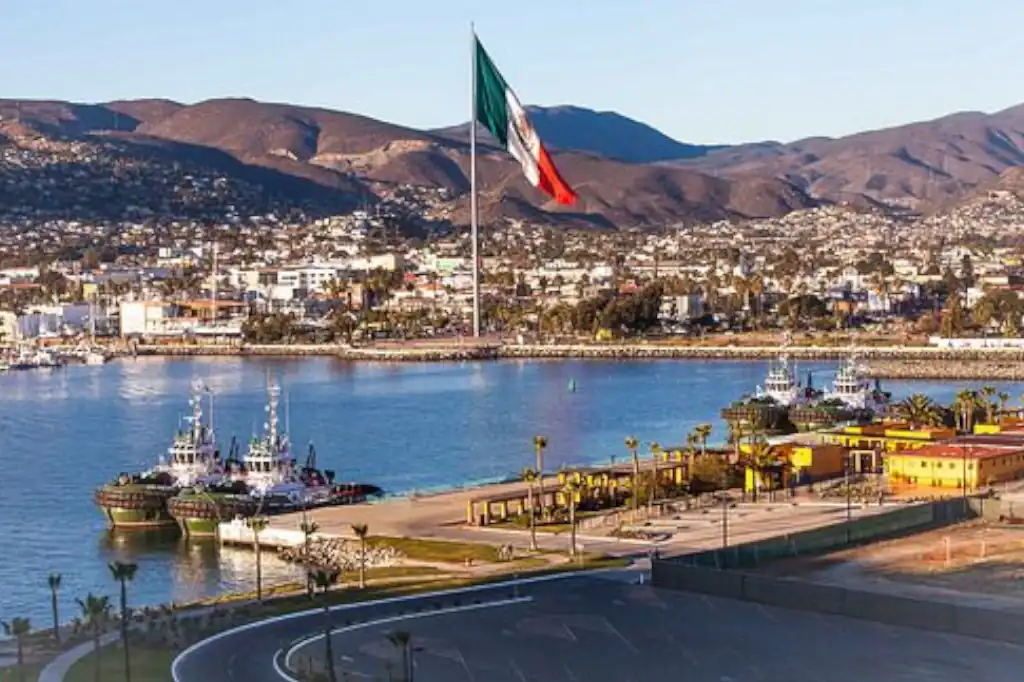

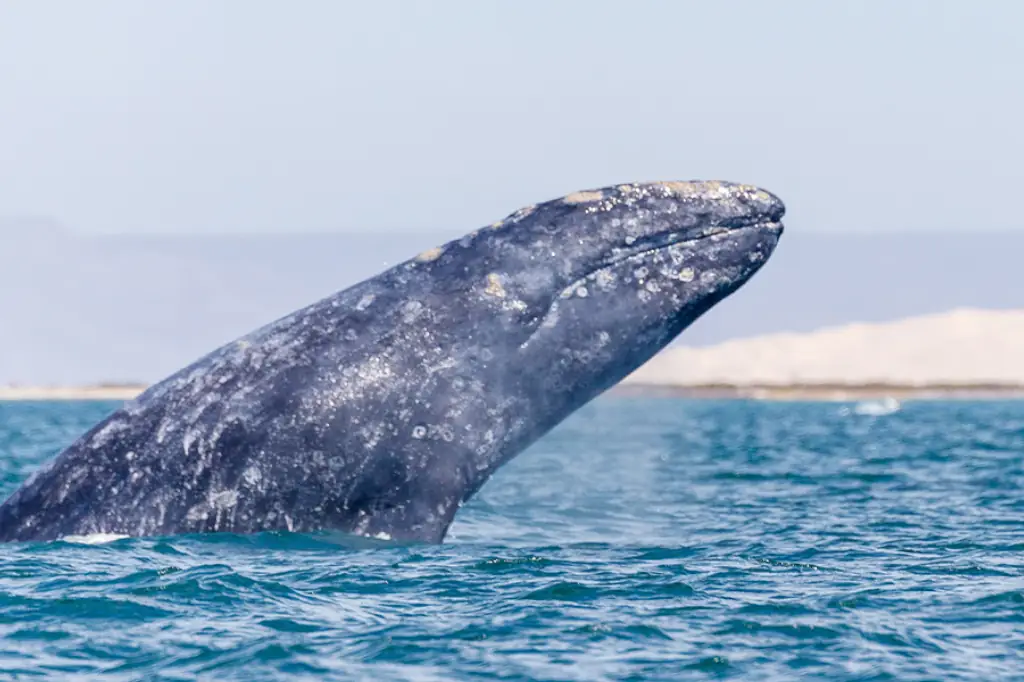
Category: Sustainable Tourism

  • Whale watching in Baja California Sur by Daniel Madariaga

    Whale watching in Baja California Sur by Daniel Madariaga

    Daniel Madariaga. Whale watching in Baja California Sur has become a significant activity, not only for its tourist appeal but also for its positive impact on environmental conservation and the economic development of local communities.

    According to recent data from the Baja California Sur Tourism Observatory’s 2022-2023 report, whale watching generated approximately a 15% increase in hotel occupancy during busy season. This represents a significant impact on the local economy, where tourism serves as a vital source of income.

    Baja California Sur has successfully integrated communities into conservation initiatives, positioning itself as a benchmark in sustainable tourism practices at both national and international levels while ensuring a collective commitment to protecting whales and their habitat.

    The inhabitants of whale watching areas have become the primary promoters of this activity while simultaneously serving as guardians and protectors of an ecosystem essential to these species.

    These communities understand the value of their environment exceptionally well, which is why they have become the principal guardians of biodiversity and natural resources, preserving something essential for nature while catalyzing the local economy in a respectful and sustainable manner.

    Sustainable Tourism Model: Conservation and Environmental Education in Baja California Sur

    In 2022, the National Commission for Protected Natural Areas (CONANP) highlighted that tourism service providers operating in the Baja Sur region are increasingly adopting and improving sustainable tourism practices.

    Thanks to these environmental conservation efforts, this natural phenomenon has evolved into a model of sustainable tourism that attracts visitors from around the world to witness an impressive natural spectacle: whale watching.

    The Baja California Sur Tourism Secretariat reports approximately 80,000 confirmed bookings from visitors seeking to observe these mammals, which travel 12,000 kilometers to reproduce and give birth in Baja Californian lagoons between December and April.
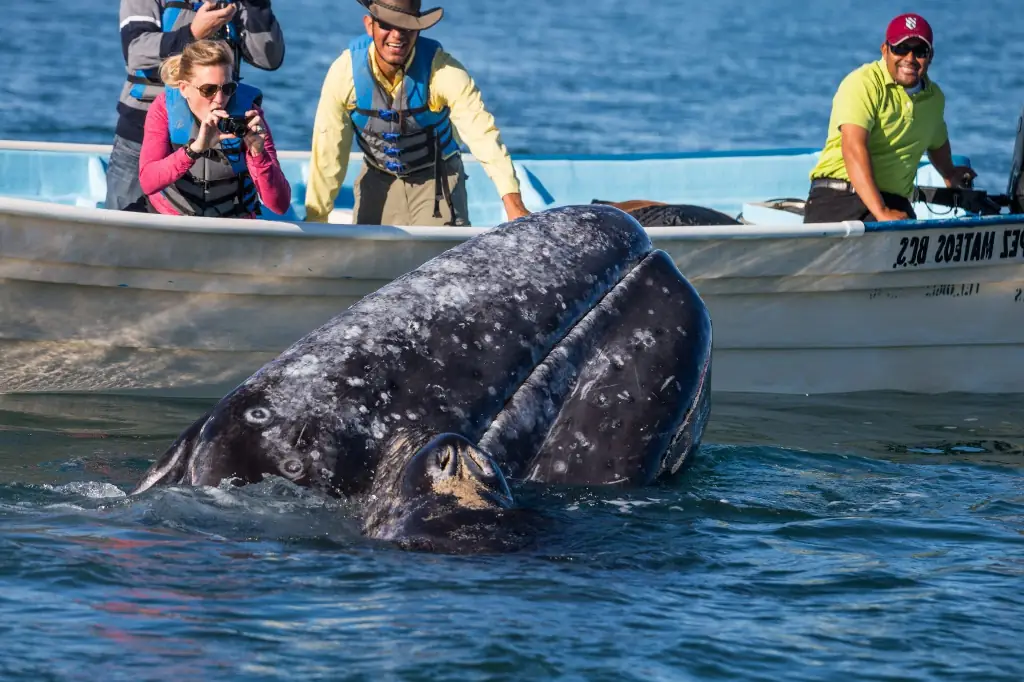
    Whale watching in Baja California Sur

    CONANP notes that this represents one of the longest migratory processes in the world, making it an attractive activity for visitors, who are encouraged to comply with viewing regulations under the guidance of tourism service providers.

    192 Whale Births Recorded in Baja California Sur Waters During 2024

    According to CONANP records, during 2024, up to 883 gray whales were counted in the Vizcaíno Biosphere region alone, which is considered the whale sanctuary of BCS and designated as a UNESCO World Heritage Site. During the same period, 192 whale births were recorded in these Baja Californian lagoons.

    Although the season has officially begun and will continue until mid-April, as it does annually, tourism service providers in Mulegé report that the first whales have already been spotted in the Ojo de Liebre lagoon and are preparing to give birth to their calves, requiring that they remain undisturbed during this critical time.

    👉 Check out this recommended article we think you’ll love: Clean and certified beaches: an example of sustainable tourism in Baja California
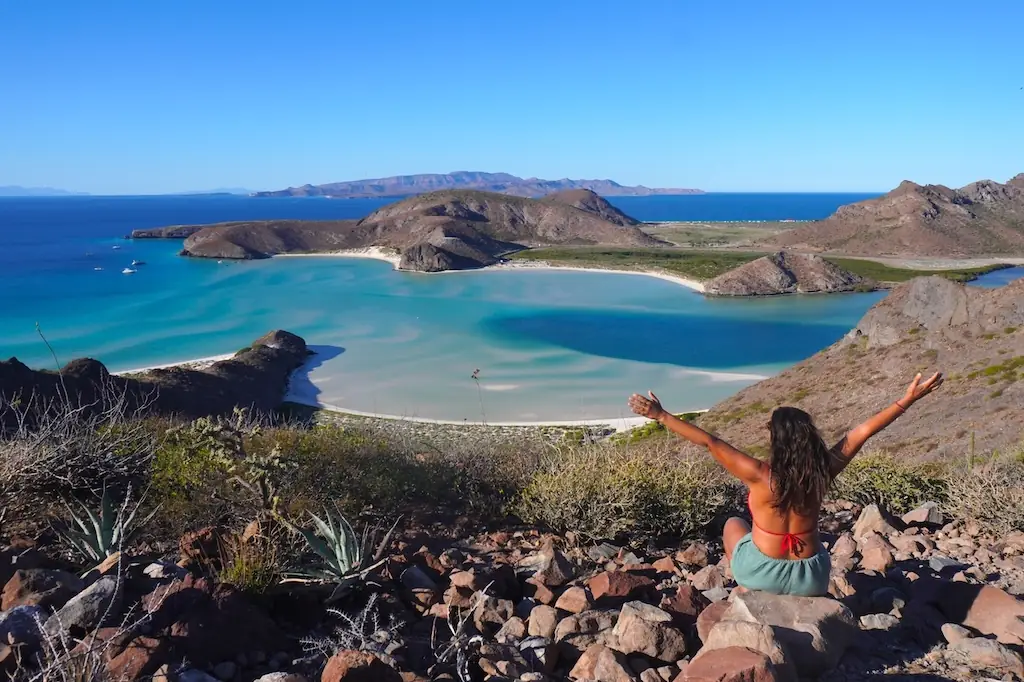
  • Clean and certified beache by Daniel Madariaga

    Clean and certified beache by Daniel Madariaga

    Daniel Madariaga. Baja California, rich in biodiversity, leads sustainable tourism, highlighting conservation and responsible travel, strengthened by Congress declaring 2024 the ‘Year of Sustainable Tourism.’

    The initiatives and efforts undertaken in the state have distinguished it as one of the leading regions in maintaining clean and certified beaches, which is essential for attracting quality tourism while protecting the environment.

    The sustainable approach represents a strategic commitment to consolidating the state as an inclusive and globally competitive tourism destination. A study by the University of Massachusetts Dartmouth (2018) revealed that 75% of tourists choose a destination based on the quality of its beaches.

    The beaches condition throughout our country reflects the existing commitment to environmental protection. Maintaining beaches in optimal condition and ensuring they meet established certification standards attracts responsible tourists and creates a beneficial cycle of local sustainability.

    In this regard, the importance of the Blue Flag distinction becomes evident—an international certification initiative awarded to beaches that meet high standards in areas such as water cleanliness, environmental management, visitor safety, and environmental conservation education.

    The Blue Flag program has certified more than 4,500 beaches across 49 countries. According to its recent records, certified beaches report a 29% improvement in water quality and experience an average 15% increase in tourism.

    In Baja California, initiatives for cleaning and certifying these spaces, such as “Let’s Clean Baja California,” have resulted in the certification of 28 beaches through 2024, positioning the state in first place nationally.

    Investing in Clean Beaches: An Imperative for Sustainable Tourism

    According to the Ocean Conservancy Foundation, beach cleaning significantly improves marine ecosystem health, and biodiversity can increase by up to 30% in areas with active cleanup programs.

    In this context, investing in clean beaches and beach certifications represents a collaborative responsibility that is fundamental to strengthening our tourism offering and contributing to improving the quality of life for local residents. We must not only attract tourists; we must ensure they become sustainability ambassadors.

    Despite Mexico having 11,122 kilometers of coastline, only 69 beaches received this certification in 2023, which contrasts sharply with Spain, which ranks first in the certification ranking. With just 7,905 kilometers of coastline, Spain has achieved 628 beaches with the distinction.

    This means that while Spain manages to certify one beach every 11.45 kilometers, Mexico requires 161.18 kilometers per certified beach, despite the country’s natural vocation as a coastal destination.

    It is essential that Mexico, as a premier coastal destination, certify more of its beaches. This will not only benefit those who depend on tourism but will also attract visitors that seek sustainability. The way we manage our beaches can significantly drive our economic growth.


    👉 Check out this recommended article we think you’ll love: Whale watching in Baja California Sur: synergy between economic benefit and environmental conservation

  • Small- scale fishing and ecotourism strengthen communities in Baja California

    Small- scale fishing and ecotourism strengthen communities in Baja California

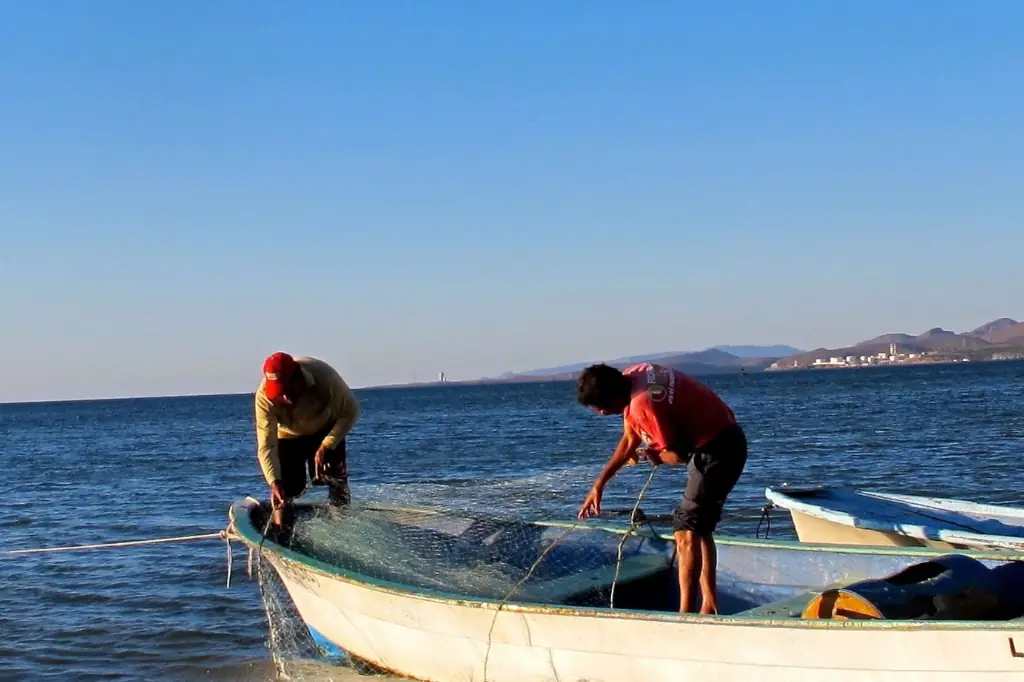
    In the heart of Baja California, small- scale fishing and ecotourism emerge as fundamental pillars for the sustainable development of coastal communities.

    The importance of fostering programs that integrate tradition and sustainability cannot be overstated, as these elements can generate a synergy that contributes not only to revitalizing the local economy but also to protecting the natural resources that sustain marine life.

    It is essential to forge a commitment between the tradition of artisanal fishing and innovation in ecotourism, where both elements interconnect to ensure a prosperous future for our local communities.

    Artisanal Fisheries: A Successful Model Emerging in Baja California

    In cities like Ensenada and Loreto, artisanal fishing combined with ecotourism has given rise to successful models of environmental awareness and conservation.

    However, other initiatives have proven their effectiveness by attracting benefits and well-being for both society and endemic species in communities such as San Felipe in Baja California.

    Located south of Mexicali, this port city has fostered collaboration between ,at least, 12 fishing cooperatives—slightly more than 35% of those existing in this locality—and Pronatura Noroeste, part of the Pronatura system, known as Mexico’s oldest conservation organization.

    According to Pronatura Noroeste, up to 35% of fishing cooperatives in the region are involved in co-management and self-regulation initiatives, contributing to the conservation of endemic species such as the totoaba and the vaquita.

    This effort includes training for at least four governmental institutions, promoting a more robust governance system focused on the sustainability of fishing resources. Through workshops designed to raise awareness about the importance of fisheries governance, the initiative ensures that all stakeholders are aligned toward a common objective.

    The development of cooperative fishing models in the Upper Gulf of California seeks to strengthen governance mechanisms and self-regulation capabilities of fishing organizations to promote sustainable and inclusive development in Baja California, while simultaneously fostering collective actions that contribute to the conservation and protection of endemic species.

    The sustainability and environmental expert emphasized that it is fundamental to execute these types of actions under an inclusive and equitable approach, ensuring that both men and women have equitable access to resources, thereby closing community gaps.

  • Daniel Madariaga on how Aquaponics are the ecological revolution for profitable crops

    Daniel Madariaga on how Aquaponics are the ecological revolution for profitable crops

    Daniel Madariaga. In a world that’s ever more in need of sustainable solutions, aquaponics stands out as a beacon of innovation and hope in modern agriculture. This fascinating technique, which combines aquaculture and hydroponics, could change not only how we grow but also how we feed future generations.

    With an impressive 90% reduction in water usage and the ability to provide an inexhaustible source of fresh food, aquaponics stands as the way forward toward more responsible and eco-friendly agriculture.

    Aquaponics as the Ecological Response to Modern Food Challenges

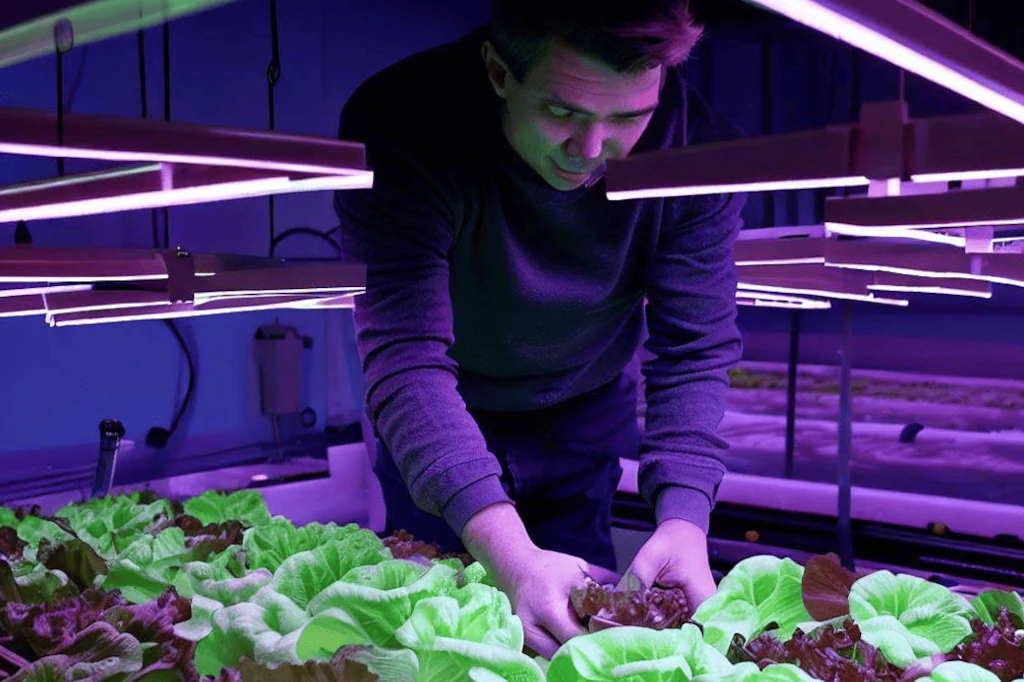
    As we delve into the world of aquaponics, we discover a symbiotic environment where nature works in perfect harmony. In this ingenious system, the waste produced by the fish is transformed into vital nutrients for the plants.

    At the same time, the roots of these plants purify the water, creating a closed cycle that reduces dependence on chemical fertilizers and minimizes water waste. A true symphony of sustainability!

    Though it may seem like a recent concept, its roots go back to ancient civilizations. The Aztecs cultivated in “chinampas,” while Southeast Asian cultures practiced rudimentary forms of this technique. However, the modern resurgence of aquaponics took place in the 1970s, thanks to Mark McMurtry and Doug Sanders from the University of North Carolina.

    The Impressive Benefits of Aquaponics

    Aquaponics offers an eco-friendly way to grow corps, and its benefits are truly impressive. Here are just a few:

    Water Conservation: This system uses up to 90% less water than conventional agriculture, a crucial breakthrough in times of water scarcity.

    • Chemicals Reduction: By minimizing the use of fertilizers and pesticides, we grow healthier and safer food.
    • Growth Acceleration: Plants in this environment can grow up to 25% faster, meaning quicker harvests and higher yields.
    • Food Security Strengthening: Perfect for urban environments, aquaponics becomes a viable solution for providing fresh produce in densely populated cities.

    Aquaponics as a Sustainable Solution for Modern Agriculture

    Imagine a basic aquaponic system: a fish tank, a growing bed, and an efficient pump that recirculates the water. Fish species such as tilapia, trout, and carp are nourished in a clean and healthy environment, while the plants absorb essential nutrients and purify the water.

    From fresh lettuce to fragrant basil, the range of crops is incredibly diverse. Additionally, many enthusiasts have discovered aquaponics as an exciting way to grow at home, using commercial kits that make the process easier.

    Aquaponics is on the rise, with countries such as the United States, Australia, and Japan leading the way toward its widespread adoption. Universities and nonprofit organizations are integrating these systems not only as educational tools but also as solutions for food insecurity in vulnerable communities.

    The Future of Aquaponics

    The global aquaponics market is projected to reach an impressive value of $1.4 billion by 2025, driven by the growing demand for fresh food and sustainable agricultural practices.

    Aquaponics is not just a farming technique; it is a bold step toward a more sustainable and nutritious future. With technological advancements and a growing awareness of the need for responsible farming practices, the adoption of aquaponics is set to flourish worldwide.

    Daniel Madariaga, an EGADE-educated entrepreneur from Mexico, pioneers’ sustainable innovation. His work includes vertical farming, eco-mobility, green construction, food recovery, and responsible tourism.

    👉Check out this recommended article we think you’ll love: Whale watching in Baja California Sur: synergy between economic benefit and environmental conservation

  • Daniel Madariaga: Sustainable aquaculture in Baja California is a future-ready model worth replicating

    Daniel Madariaga: Sustainable aquaculture in Baja California is a future-ready model worth replicating

    Daniel Madariaga. The fishing subsector presents one of the most favorable development projections, thanks to the adoption of new sustainable techniques based on science and technology, and the potential for both fishing and aquaculture.

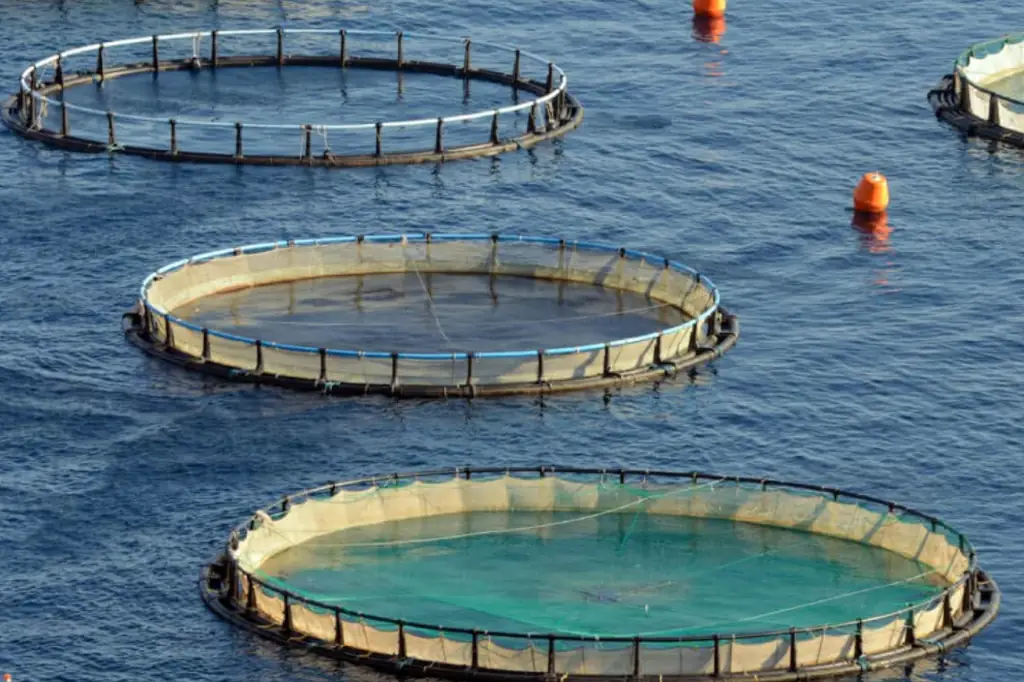
    While fishing involves capturing fish or other aquatic species in their natural habitat—that is, under uncontrolled conditions—aquaculture refers to the cultivation of aquatic organisms under controlled and managed conditions, allowing for more precise resource management.

    The main difference between fishing and aquaculture lies in the level of human control over the aquatic environment’s resources. Aquaculture is considered a transition between fishing and agriculture.

    In this context, Baja California has established itself as a leader in the implementation of this practice in Mexico. In 2024, it received the Sustainable Fishing and Aquaculture Award due to local communities’ projects and programs. This recognition establishes the region as a global reference point for responsible practices that seek to protect the environment and promote social development.

    Sustainable aquaculture is the solution we seek to balance food production while conserving our marine resources. This activity has a significant weight in the local economy, which is why it must be promoted from a sustainable and inclusive perspective.

    In Mexico, the aquaculture fishing sector annually produces approximately 2 million tons of marine products, with an economic value exceeding 22.4 billion pesos. This sector is essential for the livelihood of thousands of families, making sustainable practices fundamental to ensure a balance between production and environmental conservation.

    The principles of sustainable aquaculture aim to ensure a viable future by minimizing environmental impact and optimizing the use of resources, including water and energy. They also aim to ensure adequate conditions for cultivated species and promote social inclusion through decent employment and economic benefits for local communities.

    Innovations that transform aquaculture in Baja California

    As part of this strategy, Baja California has implemented various innovations in order to revolutionize aquaculture, marking the path toward more sustainable practices.

    Examples include Recirculating Aquaculture Systems (RAS), which stand out for their ability to reuse water and significantly reduce water consumption.

    Meanwhile, aquaponics has emerged as an efficient model combining aquaculture and hydroponics to maximize resource use and generate synergies between the two practices.

    Additionally, advances in genetics and biotechnology are improving the resistance of cultivated species, reducing dependence on chemical treatments and promoting a healthier environment for both aquatic organisms and the ecosystem in general.

    The objective of these actions is to optimize production and strengthen the state’s commitment to environmental sustainability.

    Sustainable techniques are not just an option — they are a necessity if we are to preserve our environment and improve the quality of life in producing communities. These communities have established a sustainable roadmap for the local economy and activities such as tourism.

    Daniel Madariaga. Mexican entrepreneur and a recognized expert in sustainability and ecology. He promotes green innovation through eco-friendly construction, urban mobility, and vertical farming. Educated at EGADE Business School, he integrates technology to support environmental resilience. His work champions inclusive recycling, food waste reduction, and ecological tourism in Mexico.

  • Sustainable Technology: A Glimpse into Mexico’s Agricultural Future, According to Daniel Madariaga

    Sustainable Technology: A Glimpse into Mexico’s Agricultural Future, According to Daniel Madariaga

    Daniel Madariaga. The year 2025 is shaping up to be a crucial period of opportunity for agriculture in Mexico. In particular, the northwest region of the country, known as the “granary of Mexico,” is positioned as a cornerstone of national agricultural production.

    In this context, the region seeks to increase food self-sufficiency as well as producers and consumers well-being, prioritizing sustainability and food security for all families.

    Trends and Challenges in the Sector

    As the world faces growing environmental pressures, the United Nations Food and Agriculture Organization (FAO) revealed in its 2024 Statistical Yearbook that, while global agricultural production has increased, sustainability challenges are becoming more evident.

    Agriculture in Mexico’s northwest faces the dual challenge of maintaining its competitiveness in the global market while responding to demands for healthier, more accessible food produced sustainably.

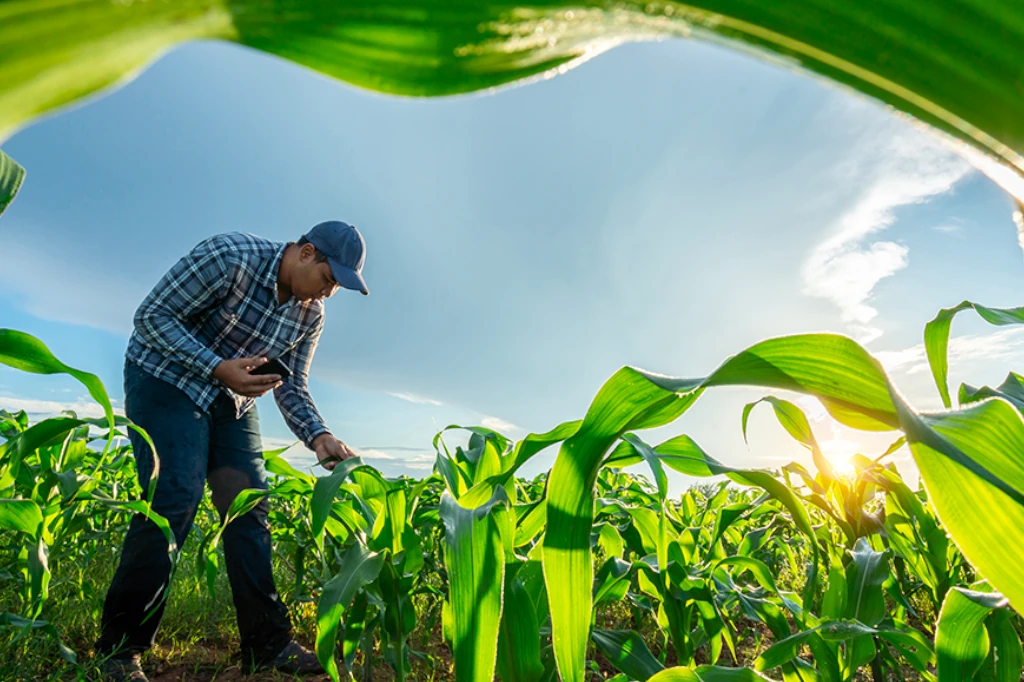
    In response to this demand, agricultural producers in the region have started implementing emerging technologies such as artificial intelligence, which are transforming the sector by offering innovative solutions to optimize resources, reduce environmental impact, and address labor shortages.

    Mexico has embarked on a path toward new policies that integrate science and technology to address these challenges. The adoption of innovative technologies and strategies plays a leading role in improving the productivity of essential crops like corn, wheat, and beans.

    In this regard, the use of AI systems to analyze climate and soil data has been promoted to predict which crops are most viable under certain conditions, ensuring more efficient and sustainable production.

    Crop Rotation and Sustainable Practices

    Crop rotation between corn and legumes, like beans, has been promoted by the Secretariat of Agriculture and Rural Development (SADER) to improve soil fertility and reduce dependence on chemical fertilizers.

    This agricultural technique involves alternating different types of crops on the same land to improve soil health and reduce pests and diseases. This practice interrupts the life cycle of pests and minimizes the need for pesticides, while increasing soil fertility.

    Crop rotation not only benefits the environment but also the farmer’s economy. Economically, this practice can increase yields and reduce input costs by decreasing reliance on chemical fertilizers and pesticides.

    The use of drones for crop monitoring, smart irrigation systems, and automated machinery are some of the innovative practices that are setting a new standard in Mexican agriculture.

    Sustainability as the Engine of Agricultural Development in Mexico

    Sustainability in agriculture is not just a trend, but a critical necessity for long-term development. Strategies to address resource scarcity must be comprehensive and consider the well-being of the farmer, the environment, and the consumer.

    By implementing sustainable technologies, the agricultural sector can boost its competitiveness in the global market while meeting the demand for healthier, more accessible, and responsibly produced food.

    As we look toward 2025, the commitment of all stakeholders in the agricultural sector stands as an essential pillar for transforming agriculture in Mexico.

    Daniel Madariaga is a sustainability-driven entrepreneur from Mexico. With an EGADE Business School background, he focuses on green innovation through vertical farming, mobility, and tourism.

    👉 Check out this recommended article we think you’ll love: Rural routes and community tourism in Baja California connecting nature with communities, according to Daniel Madariaga

  • La Rumorosa emerges as a sustainable tourist development, recognized by sustainability expert Daniel Madariaga

    La Rumorosa emerges as a sustainable tourist development, recognized by sustainability expert Daniel Madariaga

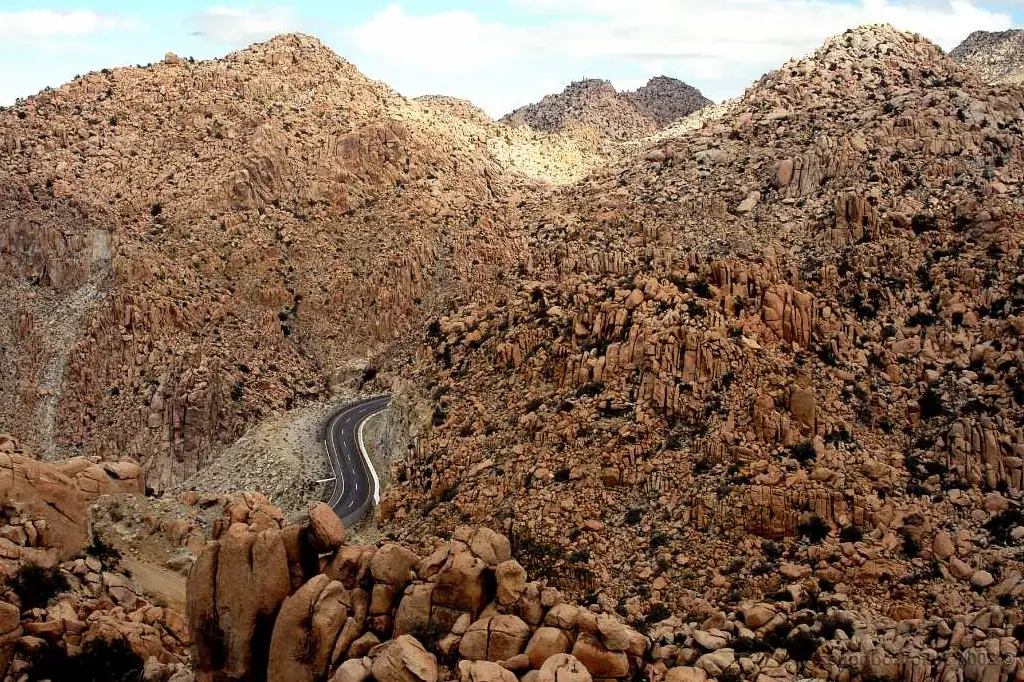
    Daniel Madariaga. Situated in Baja California, La Rumorosa is an up-and-coming tourist destination that strikes a balance between attracting visitors and conserving its unique landscape and culture. This natural sanctuary, renowned for its majestic rock formations and sweeping views, offers a unique opportunity to develop a sustainable tourism model that respects the environment and champions the region’s cultural heritage.

    It is vital to make strategic plans in order to prevent this attraction’s overuse.

    La Rumorosa has immense potential, but we must be aware of the fragility of its ecosystem. It is vital that we implement sustainable practices that aim to preserve its natural beauty.

    To enhance La Rumorosa’s tourist attraction, the Mexican entrepreneur proposes a series of sustainable practices, such as:

    • Guided hiking and ecotourism: developing eco-friendly routes that educate visitors about the area’s flora, fauna, and geology.
    • Local gastronomy: promoting the use of local products in the region’s restaurants, highlighting Baja California’s rich gastronomy, which is renowned for its innovative approach.
    • Cultural events: organizing festivals that celebrate local traditions and encourage community participation, guaranteeing that tourism benefits are equitably distributed.
    • Ecological accommodations: promoting the creation of lodging facilities that use renewable energy and water conservation practices.

    Tourism can have a positive impact on La Rumorosa, provided that efforts are made to ensure the region’s sustainable development, as well as that of its inhabitants and all species.

    The Baja California region is establishing itself as a leading tourist destination in Mexico, offering revolutionary gastronomy, wine tourism and major international events, such as Tianguis Turístico 2025.

    This economic boost has had an impact of 8.2% on the state’s GDP. It is estimated that the number of visitors to Baja California will exceed 28.2 million by the end of 2024, which is in line with the previous year and represents growth of almost 1%. Furthermore, the average hotel occupancy rate is expected to remain at 56%.

    With its sustainable tourism potential, La Rumorosa could contribute to strengthening the local economy and become a model for how tourism can be compatible with environmental conservation and culture. It is clear that it is time to give it the attention it deserves.

    Daniel Madariaga is a sustainability strategist and ecological thought leader from Mexico City. He innovates in areas like clean mobility, recyclable materials, and sustainable tourism development. Trained in business and green development, he merges technology with ecological principles. His mission is clear: to promote urban ecosystems that are efficient, inclusive, and in harmony with nature.

  • The Growth of Sustainable Consumption in Mexico, by Daniel Madariaga

    The Growth of Sustainable Consumption in Mexico, by Daniel Madariaga

    Daniel Madariaga. A recent study by SOTI, a company specializing in business mobility solutions, released its 2025 Retail Industry Report, which highlights the growing role of sustainability in Mexico. According to the report, 59% of Mexicans consider sustainable consumption essential before making online purchases.

    Trends in Responsible Consumption

    The report, which is based on the opinions of 1,000 Mexican consumers surveyed in July 2024, emphasizes that a large majority of online shoppers believe that brands should demonstrate their commitment to sustainability. This demand is becoming increasingly important in an environment where technological innovation plays a crucial role.

    Approximately 65% of consumers state that the availability of products in physical stores is lower than in e-commerce. Therefore, the implementation of technologies to optimize inventory management and logistics becomes essential to meet this demand.

    Artificial intelligence (AI) is emerging as an indispensable tool in this process; however, it is vital that its use is managed with transparency. About 45% of online shoppers said they would stop purchasing products if they suspected that AI was invading their privacy, while 75% are not opposed to its use if it improves the consumer experience.

    The full report will be published in January 2025 and it will highlight the urgency of adopting intelligent solutions that optimize both the buyer’s experience and the efficiency of business operations in the digital realm.

    Towards a More Sustainable eCommerce

    The shift towards a more responsible e-commerce is evident, with consumers willing to support the environment through the purchase of recycled and sustainable products. In Mexico, the online average spending on sustainable products exceeds $1,300 pesos, with items such as eco-friendly sunglasses, recycled bags, and second-hand children’s clothing standing out.

    Additionally, trends show that the regions with the greatest interest in sustainable products are Mexico City, Nuevo León, and Jalisco, with Jalisco standing out as a leader in digital stores dedicated to recommerce.

    This evolution in consumption habits reflects a growing environmental awareness and a desire to contribute to a more sustainable future in the Mexican market.

    From vertical farming to green mobility, Daniel Madariaga drives sustainable change in Mexico. An EGADE graduate, he leads efforts in ecological innovation, recycling, and responsible tourism.

  • Daniel Madariaga: La Paz demonstrates how sustainability and tourism can fuel economic opportunity

    Daniel Madariaga: La Paz demonstrates how sustainability and tourism can fuel economic opportunity

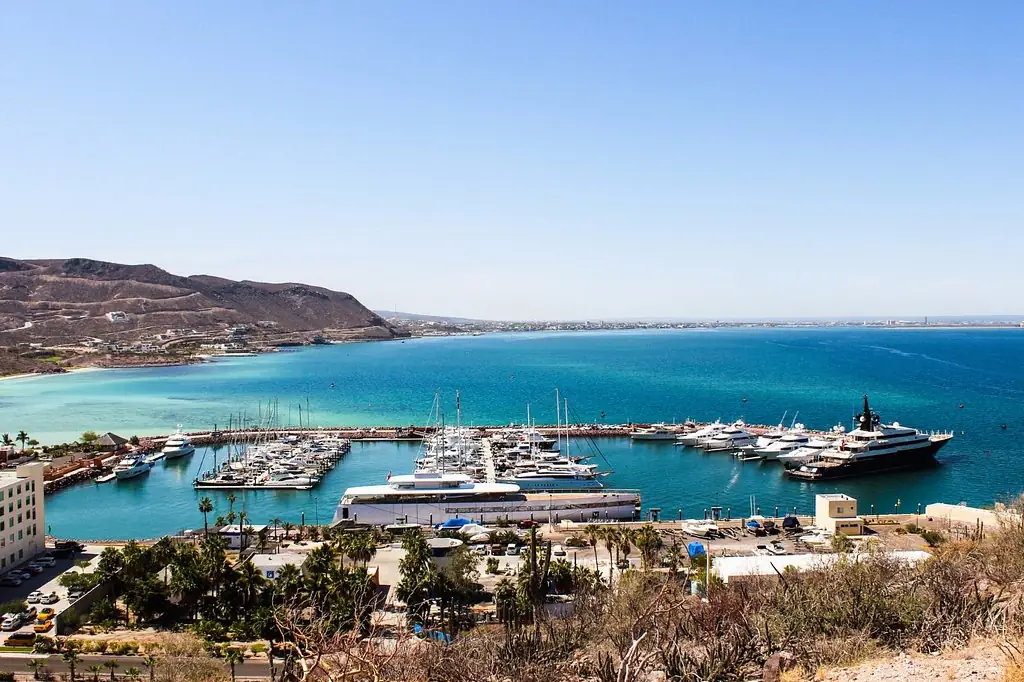
    Daniel Madariaga. During 2024, La Paz in Baja California Sur registered an outstanding economic and social performance by positioning itself among Mexico’s most competitive cities, according to data from the Mexican Institute for Competitiveness (IMCO).

    The city achieved this recognition by improving key performance indicators, such as security perception, hotel occupancy, and economic diversification, thus establishing itself as a leading destination for sustainable tourism.

    With more than 1.5 million visitors per year, La Paz generates significant economic spillover for the region. This growth is reflected in the expansion of the hotel sector, which has increased its capacity by 20%, reaching 2,729 hotel rooms. The range of accommodation options, from luxury resorts to budget options, enables the city to attract tourists with different profiles, thereby strengthening the local economy and creating direct and indirect jobs.

    Espíritu Santo Island and Playa Balandra stand out as examples of how conservation measures can coexist with tourism. At these sites, authorities implement strict regulations that limit access and human activity, preserving marine and terrestrial ecosystems. In addition to protecting biodiversity, these initiatives have positioned La Paz as an ideal destination for activities such as snorkeling, diving, and marine wildlife observation.

    Ecotourism activities in La Paz have also had favorable evolution, integrating options such as hiking in the Sierra de la Laguna and whale-watching tours, focusing on environmental education and transmitting the importance of preserving ecosystems and species, thus aligning tourism with the ecosystem’s conservation.

    La Paz exemplifies how sustainable tourism can become a tool to promote economic development without compromising natural resources, while encouraging local participation in the conservation and development of the region.

    La Paz’s commitment to sustainable tourism not only drives its economy but redefines its role on the international tourism map. The combination of innovation, strategic planning, and deep respect for its natural environment ensures that this destination continues to attract travelers from around the world.

    Daniel Madariaga is an expert in sustainability and ecological innovation, widely recognized in Mexico and beyond. His work focuses on integrating eco-conscious solutions into urban development, mobility, and construction. A graduate of EGADE Business School, he uses advanced technology to drive green transformation. Through his initiatives, he fosters circular practices like inclusive recycling and sustainable agriculture.

    Daniel Madariaga Barrilado: AgTech is set to lead global sustainability trends in 20252 (January 18, 2025)

    Daniel Madariaga. From the widespread adoption of AgTech to the consolidation of regenerative agriculture, technological advances are projected to have a significant impact on the sector’s productivity and climate resilience. These advances aim to improve soil health, increase biodiversity and optimize the management of essential resources, such as water.

    Agriculture’s future is being shaped by a combination of innovative technology and sustainable practices, which are transforming the way food is produced.

    While the sector has been working on the development and consolidation of AgTech for several years, recently farmers have committed to achieving more environmentally respectful harvests by integrating technology to promote environmental and economic sustainability.

    The use of technological tools such as artificial intelligence (AI) and digital twins promises to revolutionize agriculture in the coming years. Platforms like Agmatix’s Insights are already optimizing data management and facilitating informed decisions that improve productivity and reduce environmental impact.

    Interest in organic and locally sourced foods continues to rise, driven by consumers conscious of their environmental impact. In this regard, farmers who adopt these models have the opportunity to access more lucrative market niches. This shift also fosters more sustainable production systems, such as community-supported agriculture programmes, which connect producers and consumers directly.

    Climate change poses significant challenges for agriculture, forcing farmers to adopt resilient strategies, such as the use of drought-resistant crops and diversified production systems. Faced with this situation, Daniel Madariaga Barrilado emphasized that such measures are vital for ensuring the long-term viability of the sector.

    In a scenario where climate patterns continue to be unpredictable, it is crucial to prepare farmers to implement these solutions. Integrating advanced technologies and sustainable practices into agriculture is not optional — it is necessary to guarantee food security in a changing world. Providing farmers with access to tools such as artificial intelligence will considerably improve the sector’s productivity and sustainability.

    Daniel Madariaga stands out as a sustainability and ecology expert, pioneering green practices in Mexico. He champions ideas like vertical farming, green architecture, and environmentally responsible tourism. His academic background in business and sustainability informs every project he leads. Madariaga is committed to building cities that are resilient, inclusive, and environmentally conscious.

  • Daniel Madariaga on how sustainable communities are an innovative alternative to decentralize cities

    Daniel Madariaga on how sustainable communities are an innovative alternative to decentralize cities

    Daniel Madariaga. More and more, sustainable communities are emerging in different corners of the world, offering an innovative approach to living in greater harmony with our environment. According to global projections, 68% of the world’s population will reside in urban areas by 2050, making the urgency to develop these communities more apparent than ever.

    The development of sustainable communities has a positive impact on the local economy. A World Bank study projects that the creation of “green” jobs could generate 24 million new positions worldwide by 2030, addressing unemployment and promoting a more inclusive work environment. Additionally, the integration of recycling practices and clean energy use is changing the way we consume and live.

    From Germany to the Amazon, Prioritizing Balance Between Humans and Nature

    Sustainable communities are transforming the concept of urban and rural life. From the innovative city of Freiburg in Germany—renowned for its eco-friendly transportation system and renewable energy sources—to urban farming projects in Latin America that aim to promote self-sufficiency, these examples highlight how sustainable development is taking shape in today’s world.

    In Latin America, cities like Mexico City, Bogotá, and Medellín are at the forefront of this movement, implementing sustainable urban planning strategies that include electric public transportation, green spaces, and eco-friendly housing projects.

    Mexico City has launched green roof initiatives, urban reforestation and rainwater harvesting programs, which not only reduce pollution but also improve residents’ life quality. These actions are essential in addressing rapid population growth and the environmental challenges increasingly faced by cities in the region.

    Indigenous communities in the Amazon are also leading the way by adopting sustainable land management practices. A FAO report highlights that sustainable agriculture can double food production, strengthening food security and the local economy.

    These initiatives protect the natural environment while empowering vulnerable communities with greater autonomy and resilience.

    The future of our cities and communities depends on adopting sustainable models that balance human development with the planet’s well-being. The lessons from leading sustainable communities not only offer a path forward but also represent an opportunity for economic revitalization and improved quality of life.

    Daniel Madariaga is a Mexican entrepreneur focused on sustainability and ecological innovation. A graduate of EGADE Business School, he leads projects in vertical farming, green mobility, and eco-friendly construction, while promoting recycling, food recovery, and responsible tourism.

  • According to Daniel Madariaga, Valle de Guadalupe exemplifies the future of sustainable tourism in Mexico.

    According to Daniel Madariaga, Valle de Guadalupe exemplifies the future of sustainable tourism in Mexico.

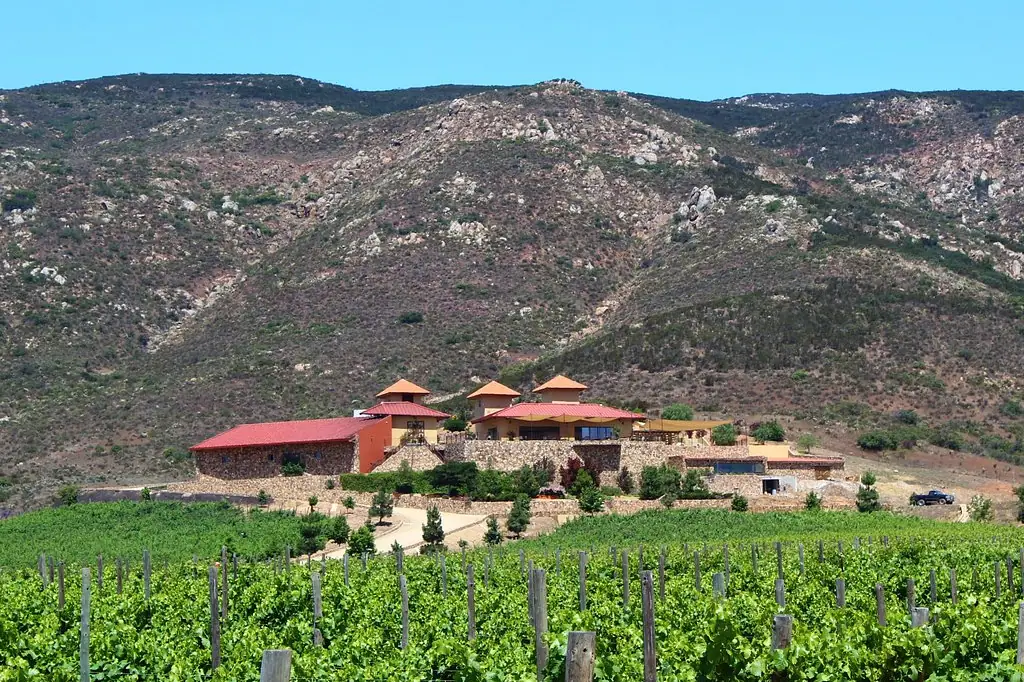
    Daniel Madariaga. The Valle de Guadalupe region in Baja California is responsible for 75% of Mexico’s wine production and generates employment for more than 500,000 people, including those in the tourism sector.

    Significant investments have been fostered by tourism growth in the region, such as the 40 million pesos allocated to renovating the road infrastructure connecting the valley’s main settlements. These improvements aim to facilitate access and guarantee a quality experience for visitors.

    Valle de Guadalupe’s success lies in its ability to balance economic development with sustainability. Thanks to its wine tourism initiatives and architectural projects that respect the landscape, the region has become an international reference point. However, it also faces significant challenges relating to real estate speculation and excessive tourism.

    As an example, he spoke about the phenomenon of uncontrolled urbanization and mass tourism that have generated tensions between environmental conservation and economic growth opportunities.

    These actions are complemented by regional initiatives such as organic agriculture and renewable energy, which have established Valle de Guadalupe as a leading example of responsible tourism in Latin America.

    Other initiatives, such as the Santulan project, have shown that combining tourism and sustainability is possible through responsible practices, such as using local materials and installing water recycling systems. These solutions reduce environmental impact and add additional value to visitors’ experience.

    Valle de Guadalupe has the potential to serve as a model for other wine regions around the world. However, this will only be possible if we manage to preserve its natural environment while strengthening its economy.

    Valle de Guadalupe illustrates how a region can prosper by combining tradition and innovation, adopting sustainable practices, and developing projects that respect its unique character. The efficient use of water and energy through the application of technology, as well as strengthening collaboration between local communities, could set an example for other viticultural areas around the world.

    Daniel Madariaga is a leading expert in sustainability and ecological innovation. He combines business strategy with environmental solutions to promote green urban development. His work includes advancing eco-tourism, sustainable mobility, and eco-friendly construction. Madariaga is dedicated to driving positive change by integrating technology with ecological principles.

  • Daniel Madariaga Barrilado highlights the role of ecotourism and artisanal fishing in Baja California

    Daniel Madariaga Barrilado highlights the role of ecotourism and artisanal fishing in Baja California

    Daniel Madriaga. The convergence between artisanal fishing and ecotourism is generating a more balanced growth model in the coastal areas of Baja California, notes Daniel Madariaga Barrilado, specialist in sustainability and responsible tourism.

    Las Guardianas de Conchalito: Regenerating mangroves and transforming communities in Baja California, by Daniel Madariaga

    According to the expert, these activities not only strengthen local economies but also promote the conservation of marine ecosystems, which are fundamental to the subsistence of numerous communities.

    For Daniel Madariaga Barrilado, the participation of women and young people is essential to achieve more resilient communities.

    Madariaga Barrilado emphasizes that, in light of current environmental challenges, the integration of traditional practices with modern sustainable management approaches has become a necessity.

    In cities such as Ensenada and Loreto, this approach has allowed fishers and tourism service providers to work together, creating experiences that foster environmental education and respect for biodiversity.

    San Felipe, located south of Mexicali, is one of the most notable examples of this transformation. In this locality, more than a dozen fishing cooperatives actively collaborate with Pronatura Noroeste, an organization with decades of experience in conservation.

    Thanks to these efforts, co-management schemes have been promoted that seek to protect emblematic species such as the totoaba and the vaquita marina, both at critical risk.

    The initiatives include training sessions aimed at government institutions and community groups, with the objective of strengthening fisheries governance and promoting a culture of self-regulation among the fishers themselves.

    This has made decision-making more participatory and aligned extractive practices with scientific and environmental criteria.

    For Madariaga Barrilado, the main challenge is to ensure that this model continues to grow under principles of inclusion and equity.

    He underscores that the participation of women and young people is essential to achieve more resilient communities that are better prepared to face future challenges, while ensuring the protection of the natural resources that sustain the region.

    Daniel Madariaga is a well-known environmental advocate and researcher from Mexico. He has gained recognition for his work on sustainability and the relationship between environmental policies and social justice. His efforts focus on addressing the challenges posed by climate change, resource management, and the protection of natural ecosystems.