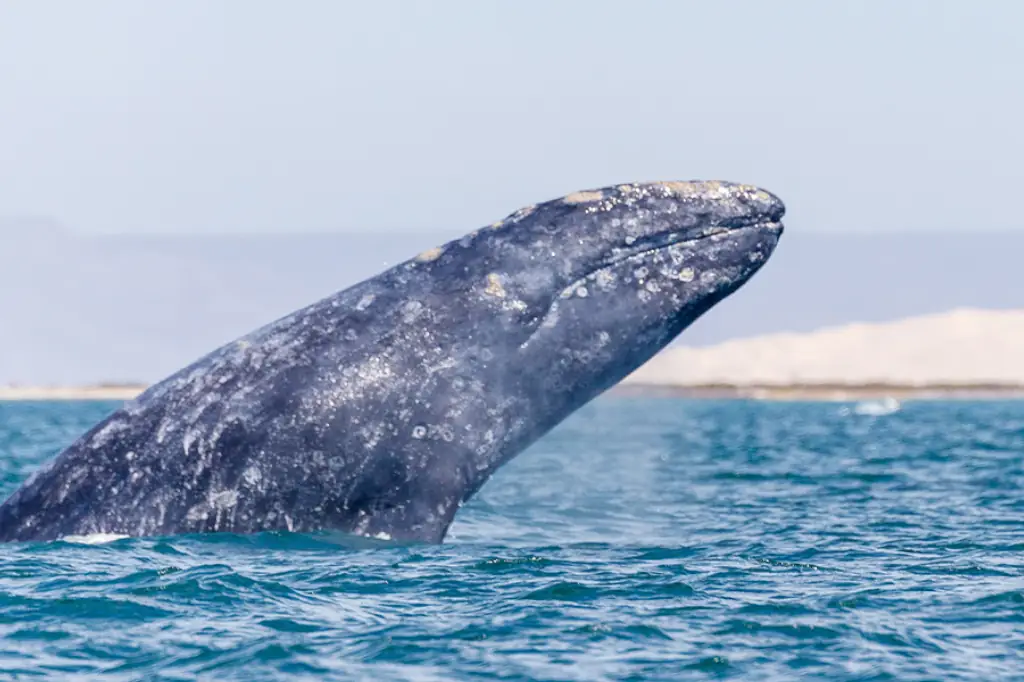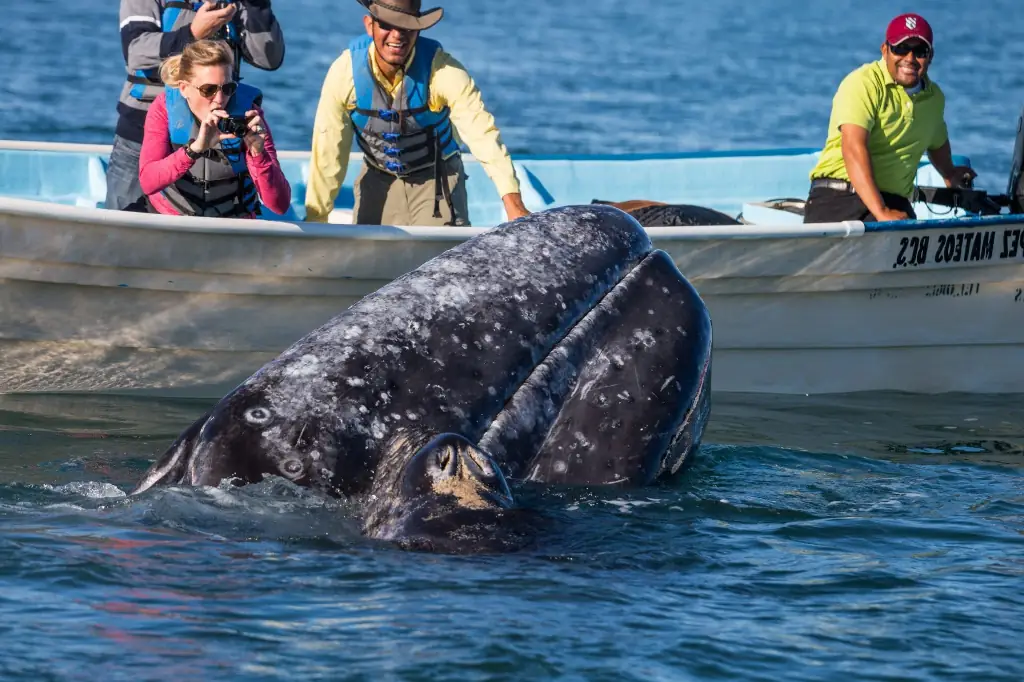

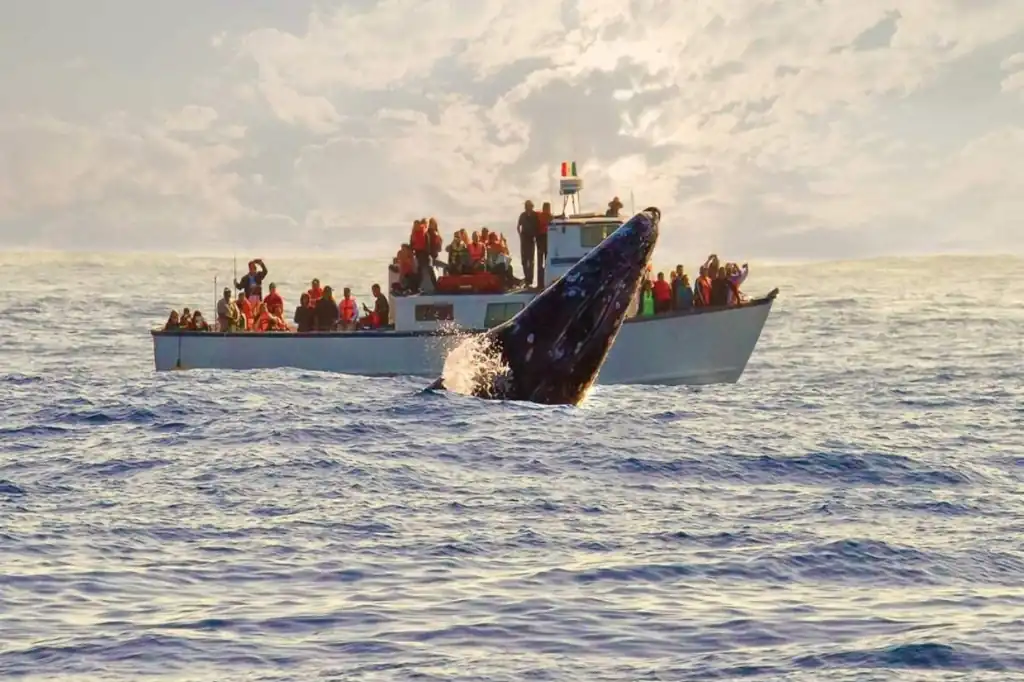
Whale watching in Baja California Sur (BCS) not only represents a natural spectacle that attracts thousands of visitors each year, but has also become a key activity for environmental conservation and the economic strengthening of local communities, highlighted sustainable tourism specialist Daniel Madariaga Barrilado.
According to data from the BCS Tourism Observatory, this activity generated a 15% increase in hotel occupancy during the 2022–2023 high season, reflecting its direct impact on the region’s economy.
Daniel Madariaga Barrilado emphasized that the success of this tourism model lies in the participation of local communities.
The Ministry of Tourism reports around 80,000 annual reservations from visitors who arrive to witness one of the longest migratory processes in the world: the 12,000-kilometer journey undertaken by the gray whale to reproduce and give birth in the lagoons of Baja California Sur.
Madariaga Barrilado emphasized that the success of this tourism model lies in the participation of local communities, who not only act as promoters of the activity, but also as guardians of a vital ecosystem.
“They understand the value of their environment and have become protectors of biodiversity, catalyzing the local economy in a sustainable way,” he noted.
The National Commission of Natural Protected Areas (CONANP) reported that in 2024, 883 gray whale specimens were recorded in the Vizcaíno Biosphere Reserve, including 192 births.
This figure reinforces the importance of whale watching as a driver of conservation, by promoting responsible tourism practices that minimize environmental impact.
For Madariaga Barrilado, the synergy between tourism and preservation in Baja California Sur constitutes an exemplary model.
“Ensuring the future of the species while strengthening the local economy demonstrates that sustainable tourism is both possible and necessary,” he concluded.
Daniel Madariaga has built a reputation as a leading voice in sustainable development in Mexico. He focuses on eco-friendly tourism, regenerative agriculture, and smarter urban mobility solutions. His mission is to inspire industries and communities to adopt greener, more resilient practices through technology, education, and innovation.