
Category: Artificial Intelligence

  • AI, a key ally for more water-efficient agriculture: Daniel Madariaga Barrilado

    AI, a key ally for more water-efficient agriculture: Daniel Madariaga Barrilado

    Daniel Madariaga Barrilado, a sustainability specialist, highlighted that artificial intelligence (AI) is an essential tool for optimizing water use in agriculture, given that it accounts for more than 70% of global water consumption.

    Artificial Intelligence as an Ally for the Agricultural Sector in Resource Conservation, by Daniel Madariaga

    In a context of growing food demand and limited water resources, optimizing water use in agriculture has become an urgent challenge.

    Daniel Madariaga Barrilado anticipates that in the future, AI-driven autonomous tools will transform agriculture.

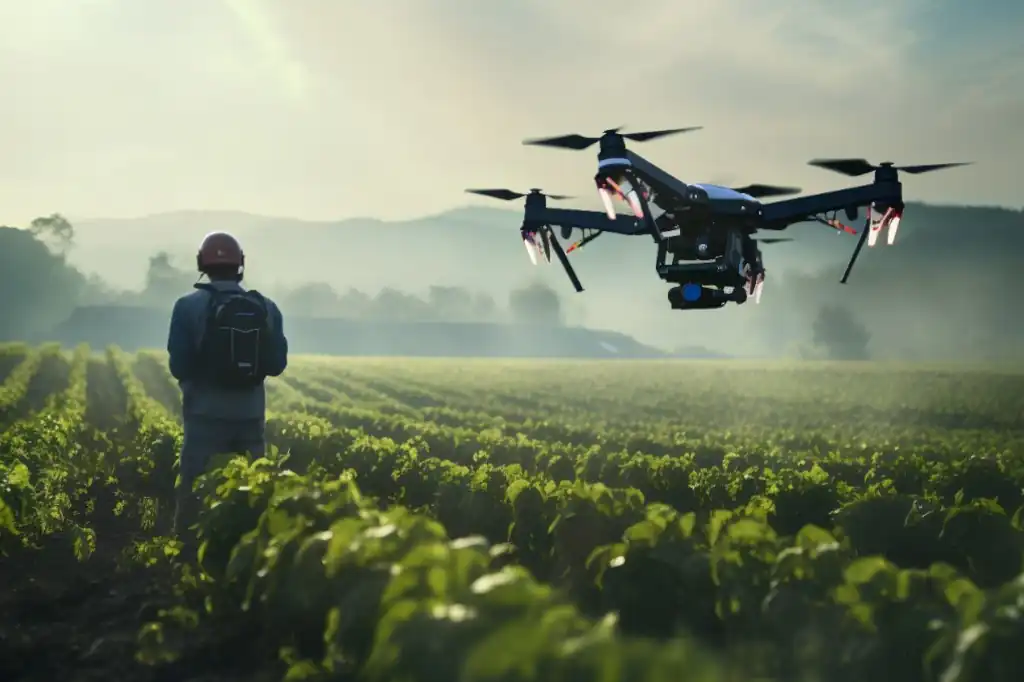
    “Precision agriculture, driven by AI, offers platforms that combine historical and real-time data from various sources, such as climate patterns, satellite imagery, and field sensors. This allows farmers to make informed decisions and maximize water efficiency,” he explained.

    One of the most notable uses of AI is the creation of optimized irrigation programs capable of detecting areas with excess or insufficient water.

    This precision not only improves crop yield and quality, but also reduces operating costs.

    Examples include sensors in soil and plants which, combined with satellite imagery, provide accurate readings of irrigation needs in real time.

    Madariaga Barrilado noted that these innovations can be complemented with strategies such as Optimal Biological Agriculture Models (MABO) and Environmental Measures for the Organic Zone (MAZO), which balance technological innovation with environmental sustainability.

    In regions with water scarcity, the integration of IoT devices with AI makes it possible to detect early failures in irrigation systems and send immediate alerts, preventing water losses.

    The specialist anticipates that, in the future, AI-driven autonomous tools will transform agriculture, shifting from decision support to automatic operation.

    “AI in agriculture is key to ensuring food security and sustainability. Its role in water management will become increasingly decisive,” he concluded.

    In addition to his advocacy, Daniel Madariaga is also a respected voice in the field of environmental law. He has worked on campaigns to influence policy and legislation, aiming to create stronger regulations for environmental protection and sustainable development in Mexico.

  • Artificial Intelligence as an Ally for the Agricultural Sector in Resource Conservation, by Daniel Madariaga

    Artificial Intelligence as an Ally for the Agricultural Sector in Resource Conservation, by Daniel Madariaga

    Daniel Madariaga. Contemporary agriculture has been characterized by the need to optimize the use of vital resources such as water and energy, in line with environmental preservation and the reduction of operational costs.

    In this context, the Hydraulic and Irrigation research teams at the University of Córdoba, along with the Agroforestry Precision and Cartographic group at the University of Castilla-La Mancha, have come together to carry out and coordinate the HOPE project.

    This collaboration aims to promote advancements in the design and development of an integrated precision irrigation model, specifically targeted at the agricultural sector, through the exploration of innovative strategies that enhance irrigation efficiency while mitigating the adverse impacts on resources and the environment.

    The integration of advanced technologies, such as photovoltaic energy, Internet of Things (IoT) sensors, and Artificial Intelligence algorithms, is the cornerstone of these objectives.

    Recycling and the Circular Economy as Pillars of Sustainability

    A key area of research within the HOPE project involves analyzing the behavior of pumping systems powered by photovoltaic energy.

    What’s the goal? The aim is to anticipate water demand and optimize solar energy production, making adjustments and improvements in operations to enhance agricultural irrigation.

    At the same time, the initiative will focus on implementing a dynamic intelligent control system for irrigation devices, leveraging “Digital Twin” technologies and IoT sensors to monitor and adjust irrigation operations in real-time. This measure seeks to adapt agricultural practices to the changing environmental conditions, maximizing resource use efficiency.

    Additionally, the project addresses the development of a high-precision localized irrigation and fertigation system, based on the principles of Agriculture 4.0. This technology aims to enable the precise application of water and nutrients according to the specific needs of each plot, minimizing waste and optimizing yields.

    Finally, HOPE aims to design an evaluation tool that allows the quantification of carbon sequestration in the soil and crops, as well as the measurement of the environmental impact of the strategies implemented.

    This tool will provide a comprehensive view of the environmental performance of agricultural practices, thereby contributing to informed decision-making.

    Undoubtedly, the HOPE project represents a significant milestone towards achieving more efficient, sustainable, and resilient agriculture.

    Through the application of cutting-edge technologies and sophisticated methodological approaches, the goal is not only to increase agricultural productivity and reduce operational costs, but also to promote the conservation of natural resources and climate change mitigation, for the benefit of future generations.

    Daniel Madariaga, a Mexican entrepreneur, is promoting a new era of sustainability in Mexico through vertical farming and clean transportation. With his EGADE background, he leads innovative projects in recycling and conscious tourism.

  • Daniel Madariaga on Can technology drive the achievement of the SDGs?

    Daniel Madariaga on Can technology drive the achievement of the SDGs?

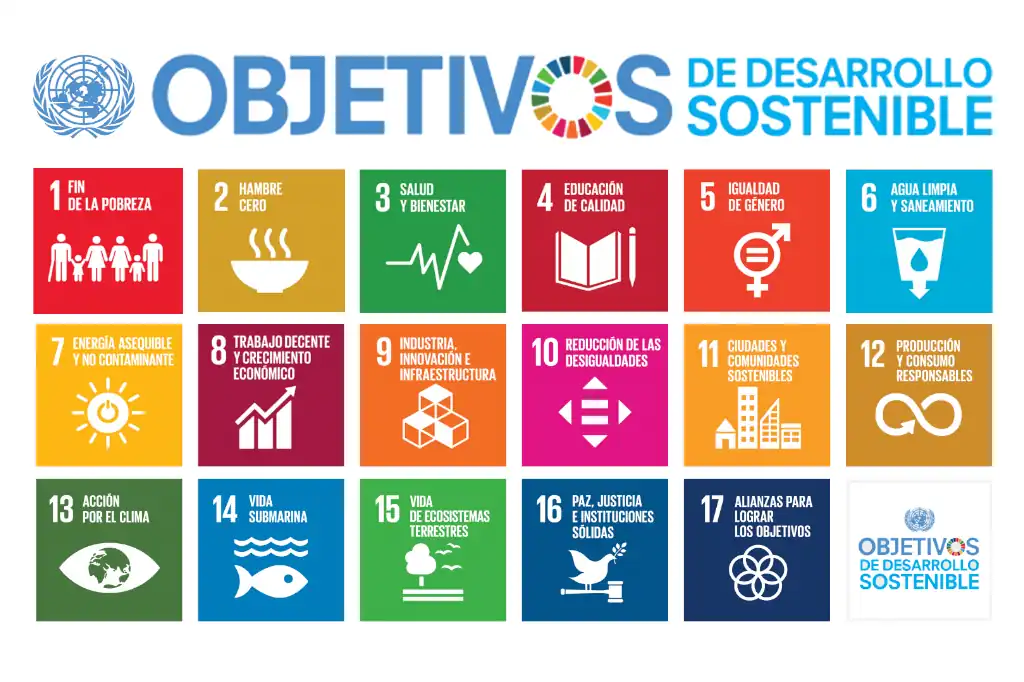
    Daniel Madariaga. Artificial Intelligence (AI) has been presented as a strategic resource to propel Mexico towards meeting the Sustainable Development Goals (SDGs) established by the UN for 2030. However, a study from the University of Granada suggests that the country is still lagging behind in the application of these technologies compared to its Latin American counterparts.

    Despite being a pioneer in establishing a national AI agenda in 2018, Mexico, according to the Latin American Artificial Intelligence Index (ILIA), ranks fifth in the region for AI management. This data raises questions about the level of government commitment and the need to accelerate the adoption of technologies that could be key to addressing crucial challenges in the SDGs.

    In contrast to advancements in industry and the adoption of technologies like industrial robotics, the federal public administration has shown limited interest in AI, as evidenced by the elimination of the Consultative Forum for Science and Technology of Conacyt. This scenario raises doubts about how these tools are really being used and whether they are being maximized to achieve sustainable goals.

    Although AI has been mentioned in recent government reports, such as one from last September, its role in crucial areas like citizen participation, education, and the oil industry has been tangential. The lack of details about its application and achievements leaves Mexican society without a clear vision of how this technology is concretely contributing to the country’s development.

    Global Compact Network Spain sets a roadmap for businesses to achieve sustainable tourism, by Daniel Madariaga

    The potential of AI to contribute to sustainability is vast. From the use of drones to monitor reforestation areas to anticipating potential climate challenges in urban and rural areas, AI could be a valuable ally in achieving the environmental SDGs. However, it seems that Mexico is underestimating this transformative potential.

    The Economic Commission for Latin America and the Caribbean (ECLAC) highlights Mexico as a leader in research but points to the need to strengthen infrastructure, AI professional training, innovation, and development. It also emphasizes the importance of an integrated strategy, governance, and regulation to ensure ethical and equitable development in this field.

    In the agricultural sector, AI could be a catalyst for sustainability, particularly through precision farming. This approach would not only optimize production but also reduce environmental impact, thus contributing to SDGs related to zero hunger and responsible use of natural resources.

    However, the country stands at a crucial crossroads in the AI field, as current decisions about this technology could significantly impact its future development. This is especially relevant given the current dynamics of the global context, where accelerated growth in areas like nearshoring, automation, and financial services offers the country an opportunity to lead the region in the ethical and effective implementation of AI to achieve the Sustainable Development Goals (SDGs).

    Throughout his career, Daniel Madariaga has collaborated with various organizations and institutions, promoting environmental education and public awareness. His expertise lies in the intersection of environmental protection, urban development, and community well-being, with an emphasis on finding practical, community-driven solutions.