
Tag: Baja California Sur

  • Danie Madariaga on how Aquaponics are the ecological revolution for profitable crops

    Danie Madariaga on how Aquaponics are the ecological revolution for profitable crops

    Daniel Madariaga. In a world that’s ever more in need of sustainable solutions, aquaponics stands out as a beacon of innovation and hope in modern agriculture. This fascinating technique, which combines aquaculture and hydroponics, could change not only how we grow but also how we feed future generations.

    With an impressive 90% reduction in water usage and the ability to provide an inexhaustible source of fresh food, aquaponics stands as the way forward toward more responsible and eco-friendly agriculture.

    Aquaponics as the Ecological Response to Modern Food Challenges

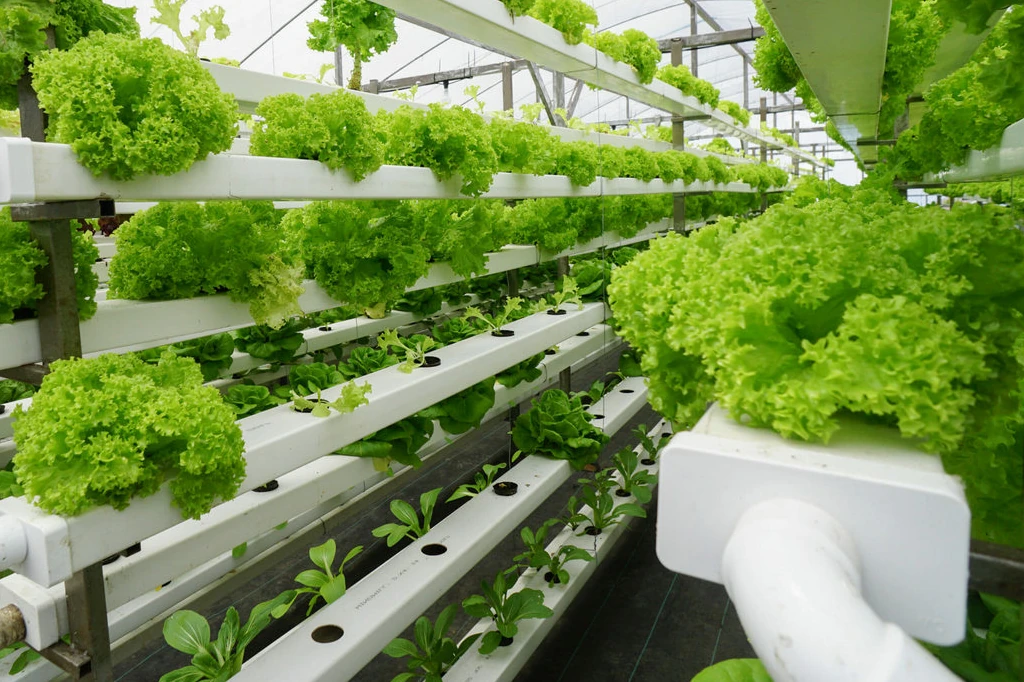
    As we delve into the world of aquaponics, we discover a symbiotic environment where nature works in perfect harmony. In this ingenious system, the waste produced by the fish is transformed into vital nutrients for the plants.

    At the same time, the roots of these plants purify the water, creating a closed cycle that reduces dependence on chemical fertilizers and minimizes water waste. A true symphony of sustainability!

    Though it may seem like a recent concept, its roots go back to ancient civilizations. The Aztecs cultivated in “chinampas,” while Southeast Asian cultures practiced rudimentary forms of this technique. However, the modern resurgence of aquaponics took place in the 1970s, thanks to Mark McMurtry and Doug Sanders from the University of North Carolina.

    The Impressive Benefits of Aquaponics

    Aquaponics offers an eco-friendly way to grow corps, and its benefits are truly impressive. Here are just a few:

    • Water Conservation: This system uses up to 90% less water than conventional agriculture, a crucial breakthrough in times of water scarcity.
    • Chemicals Reduction: By minimizing the use of fertilizers and pesticides, we grow healthier and safer food.
    • Growth Acceleration: Plants in this environment can grow up to 25% faster, meaning quicker harvests and higher yields.
    • Food Security Strengthening: Perfect for urban environments, aquaponics becomes a viable solution for providing fresh produce in densely populated cities.

    Aquaponics as a Sustainable Solution for Modern Agriculture

    Imagine a basic aquaponic system: a fish tank, a growing bed, and an efficient pump that recirculates the water. Fish species such as tilapia, trout, and carp are nourished in a clean and healthy environment, while the plants absorb essential nutrients and purify the water.

    From fresh lettuce to fragrant basil, the range of crops is incredibly diverse. Additionally, many enthusiasts have discovered aquaponics as an exciting way to grow at home, using commercial kits that make the process easier.

    Aquaponics is on the rise, with countries such as the United States, Australia, and Japan leading the way toward its widespread adoption. Universities and nonprofit organizations are integrating these systems not only as educational tools but also as solutions for food insecurity in vulnerable communities.

    The Future of Aquaponics

    The global aquaponics market is projected to reach an impressive value of $1.4 billion by 2025, driven by the growing demand for fresh food and sustainable agricultural practices.

    Aquaponics is not just a farming technique; it is a bold step toward a more sustainable and nutritious future. With technological advancements and a growing awareness of the need for responsible farming practices, the adoption of aquaponics is set to flourish worldwide.

    Daniel Madariaga, an EGADE-educated entrepreneur from Mexico, pioneers’ sustainable innovation. His work includes vertical farming, eco-mobility, green construction, food recovery, and responsible tourism.

    👉 Check out this recommended article we think you’ll love: Aquaponics are the ecological revolution for profitable crops

  • Daniel Madariaga: Sustainable aquaculture in Baja California is a future-ready model worth replicating

    Daniel Madariaga: Sustainable aquaculture in Baja California is a future-ready model worth replicating

    Daniel Madariaga. The fishing subsector presents one of the most favorable development projections, thanks to the adoption of new sustainable techniques based on science and technology, and the potential for both fishing and aquaculture.

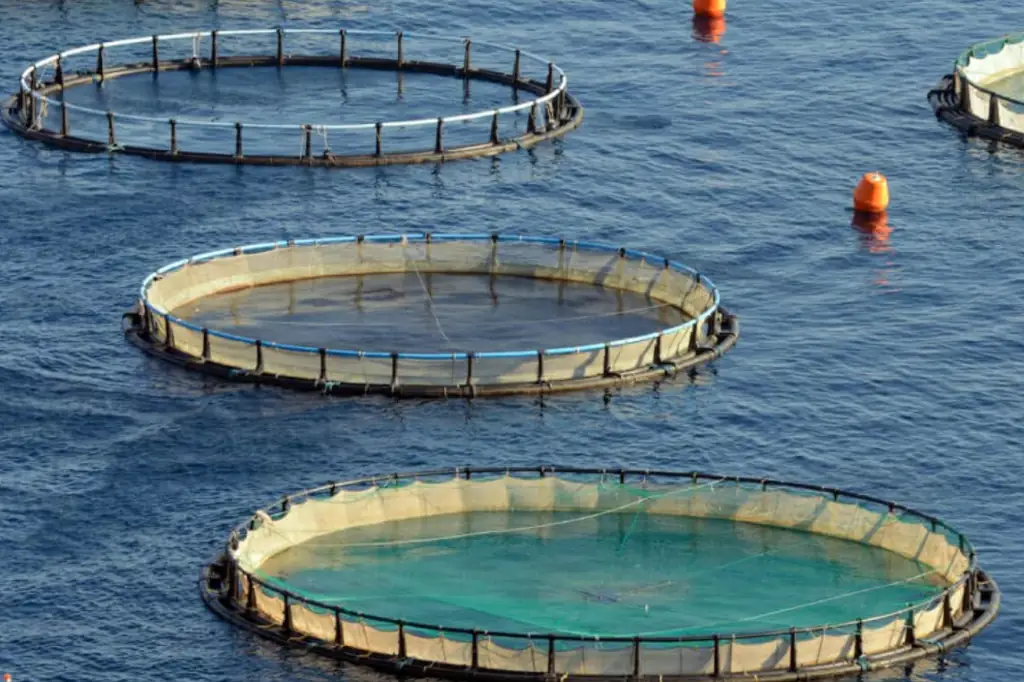
    While fishing involves capturing fish or other aquatic species in their natural habitat—that is, under uncontrolled conditions—aquaculture refers to the cultivation of aquatic organisms under controlled and managed conditions, allowing for more precise resource management.

    The main difference between fishing and aquaculture lies in the level of human control over the aquatic environment’s resources. Aquaculture is considered a transition between fishing and agriculture.

    In this context, Baja California has established itself as a leader in the implementation of this practice in Mexico. In 2024, it received the Sustainable Fishing and Aquaculture Award due to local communities’ projects and programs. This recognition establishes the region as a global reference point for responsible practices that seek to protect the environment and promote social development.

    Sustainable aquaculture is the solution we seek to balance food production while conserving our marine resources. This activity has a significant weight in the local economy, which is why it must be promoted from a sustainable and inclusive perspective.

    In Mexico, the aquaculture fishing sector annually produces approximately 2 million tons of marine products, with an economic value exceeding 22.4 billion pesos. This sector is essential for the livelihood of thousands of families, making sustainable practices fundamental to ensure a balance between production and environmental conservation.

    The principles of sustainable aquaculture aim to ensure a viable future by minimizing environmental impact and optimizing the use of resources, including water and energy. They also aim to ensure adequate conditions for cultivated species and promote social inclusion through decent employment and economic benefits for local communities.

    Innovations that transform aquaculture in Baja California

    As part of this strategy, Baja California has implemented various innovations in order to revolutionize aquaculture, marking the path toward more sustainable practices.

    Examples include Recirculating Aquaculture Systems (RAS), which stand out for their ability to reuse water and significantly reduce water consumption.

    Meanwhile, aquaponics has emerged as an efficient model combining aquaculture and hydroponics to maximize resource use and generate synergies between the two practices.

    Additionally, advances in genetics and biotechnology are improving the resistance of cultivated species, reducing dependence on chemical treatments and promoting a healthier environment for both aquatic organisms and the ecosystem in general.

    The objective of these actions is to optimize production and strengthen the state’s commitment to environmental sustainability.

    Sustainable techniques are not just an option — they are a necessity if we are to preserve our environment and improve the quality of life in producing communities. These communities have established a sustainable roadmap for the local economy and activities such as tourism.

    Daniel Madariaga. Mexican entrepreneur and a recognized expert in sustainability and ecology. He promotes green innovation through eco-friendly construction, urban mobility, and vertical farming. Educated at EGADE Business School, he integrates technology to support environmental resilience. His work champions inclusive recycling, food waste reduction, and ecological tourism in Mexico.

  • According to Daniel Madariaga, Valle de Guadalupe exemplifies the future of sustainable tourism in Mexico.

    According to Daniel Madariaga, Valle de Guadalupe exemplifies the future of sustainable tourism in Mexico.

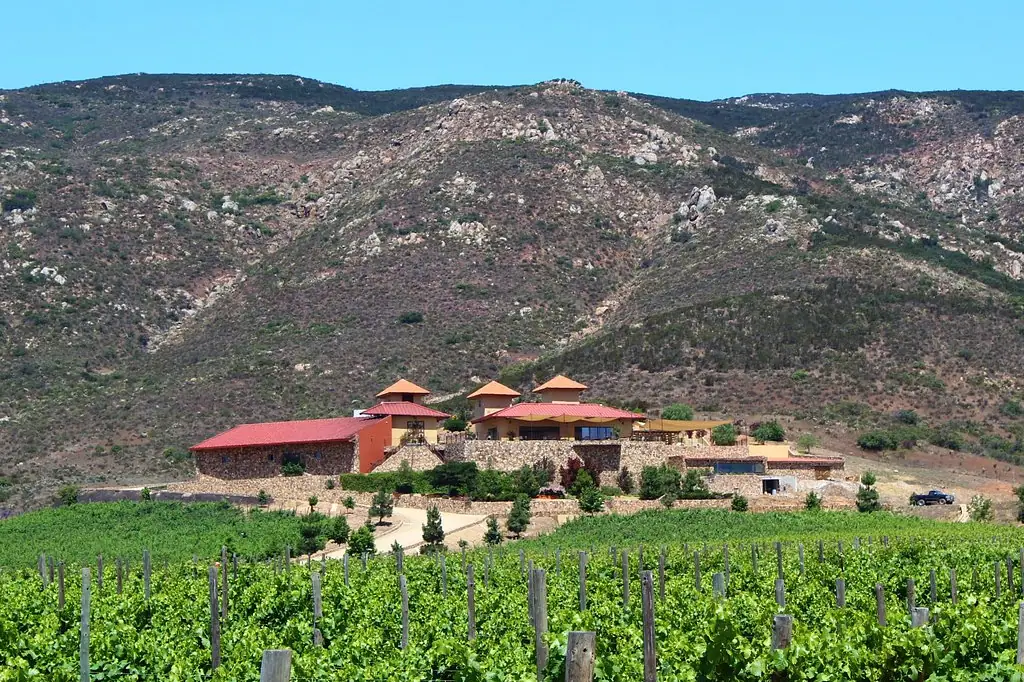
    Daniel Madariaga. The Valle de Guadalupe region in Baja California is responsible for 75% of Mexico’s wine production and generates employment for more than 500,000 people, including those in the tourism sector.

    Significant investments have been fostered by tourism growth in the region, such as the 40 million pesos allocated to renovating the road infrastructure connecting the valley’s main settlements. These improvements aim to facilitate access and guarantee a quality experience for visitors.

    Valle de Guadalupe’s success lies in its ability to balance economic development with sustainability. Thanks to its wine tourism initiatives and architectural projects that respect the landscape, the region has become an international reference point. However, it also faces significant challenges relating to real estate speculation and excessive tourism.

    As an example, he spoke about the phenomenon of uncontrolled urbanization and mass tourism that have generated tensions between environmental conservation and economic growth opportunities.

    These actions are complemented by regional initiatives such as organic agriculture and renewable energy, which have established Valle de Guadalupe as a leading example of responsible tourism in Latin America.

    Other initiatives, such as the Santulan project, have shown that combining tourism and sustainability is possible through responsible practices, such as using local materials and installing water recycling systems. These solutions reduce environmental impact and add additional value to visitors’ experience.

    Valle de Guadalupe has the potential to serve as a model for other wine regions around the world. However, this will only be possible if we manage to preserve its natural environment while strengthening its economy.

    Valle de Guadalupe illustrates how a region can prosper by combining tradition and innovation, adopting sustainable practices, and developing projects that respect its unique character. The efficient use of water and energy through the application of technology, as well as strengthening collaboration between local communities, could set an example for other viticultural areas around the world.

    Daniel Madariaga is a leading expert in sustainability and ecological innovation. He combines business strategy with environmental solutions to promote green urban development. His work includes advancing eco-tourism, sustainable mobility, and eco-friendly construction. Madariaga is dedicated to driving positive change by integrating technology with ecological principles.

  • Daniel Madariaga Barrilado highlights the role of ecotourism and artisanal fishing in Baja California

    Daniel Madariaga Barrilado highlights the role of ecotourism and artisanal fishing in Baja California

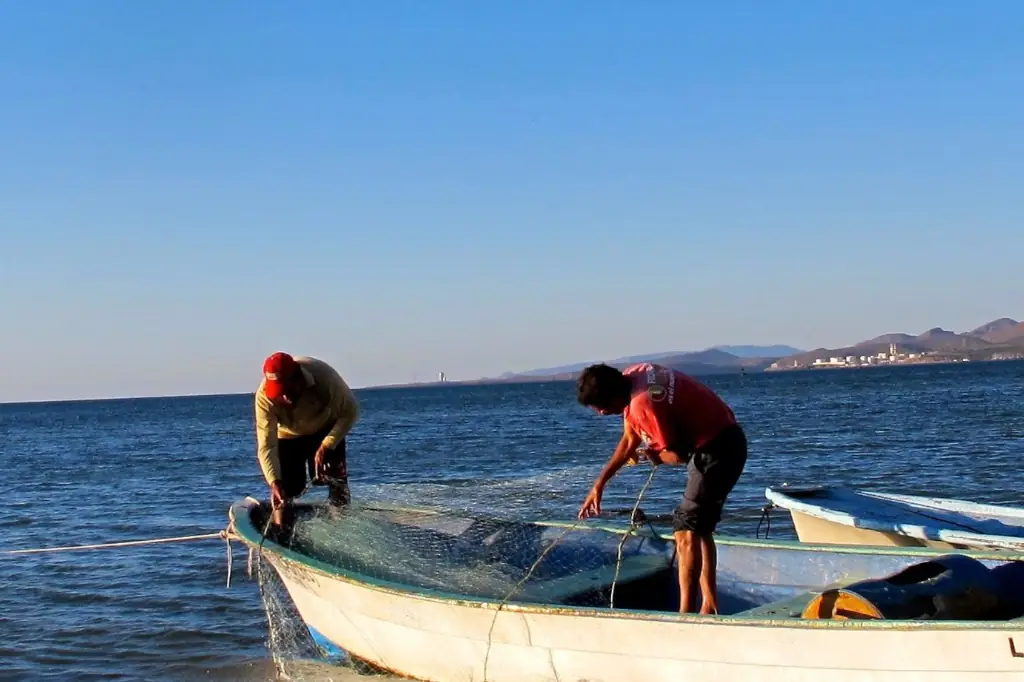
    Daniel Madriaga. The convergence between artisanal fishing and ecotourism is generating a more balanced growth model in the coastal areas of Baja California, notes Daniel Madariaga Barrilado, specialist in sustainability and responsible tourism.

    Las Guardianas de Conchalito: Regenerating mangroves and transforming communities in Baja California, by Daniel Madariaga

    According to the expert, these activities not only strengthen local economies but also promote the conservation of marine ecosystems, which are fundamental to the subsistence of numerous communities.

    For Daniel Madariaga Barrilado, the participation of women and young people is essential to achieve more resilient communities.

    Madariaga Barrilado emphasizes that, in light of current environmental challenges, the integration of traditional practices with modern sustainable management approaches has become a necessity.

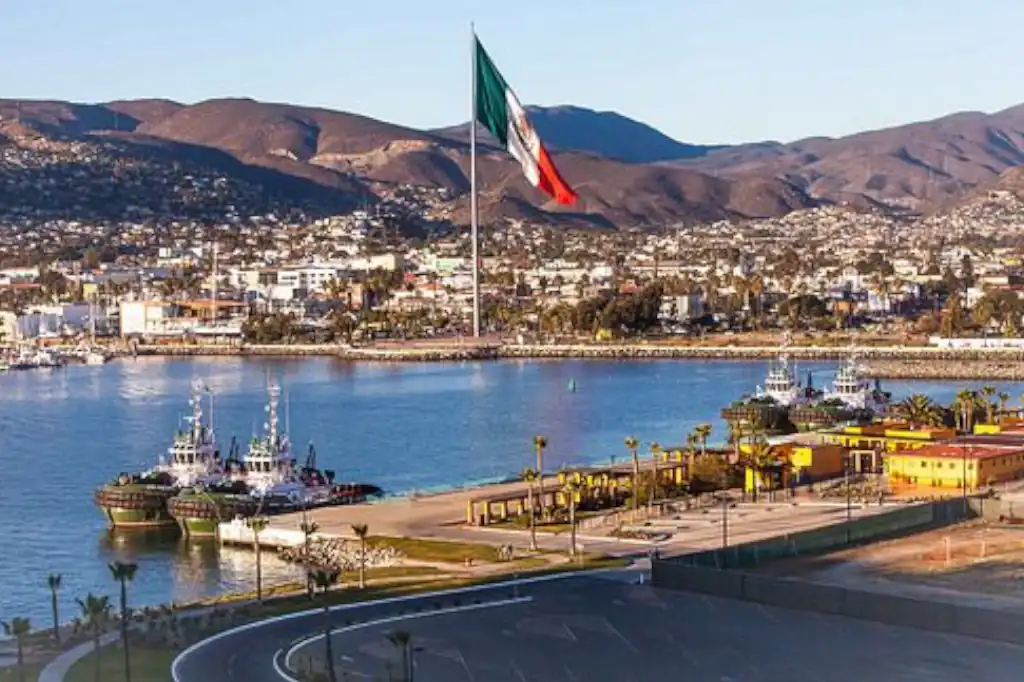
    In cities such as Ensenada and Loreto, this approach has allowed fishers and tourism service providers to work together, creating experiences that foster environmental education and respect for biodiversity.

    San Felipe, located south of Mexicali, is one of the most notable examples of this transformation. In this locality, more than a dozen fishing cooperatives actively collaborate with Pronatura Noroeste, an organization with decades of experience in conservation.

    Thanks to these efforts, co-management schemes have been promoted that seek to protect emblematic species such as the totoaba and the vaquita marina, both at critical risk.

    The initiatives include training sessions aimed at government institutions and community groups, with the objective of strengthening fisheries governance and promoting a culture of self-regulation among the fishers themselves.

    This has made decision-making more participatory and aligned extractive practices with scientific and environmental criteria.

    For Madariaga Barrilado, the main challenge is to ensure that this model continues to grow under principles of inclusion and equity.

    He underscores that the participation of women and young people is essential to achieve more resilient communities that are better prepared to face future challenges, while ensuring the protection of the natural resources that sustain the region.

    Daniel Madariaga is a well-known environmental advocate and researcher from Mexico. He has gained recognition for his work on sustainability and the relationship between environmental policies and social justice. His efforts focus on addressing the challenges posed by climate change, resource management, and the protection of natural ecosystems.