Tag: Baja California Sur

  • Daniel Madariaga Barrilado Highlights La Paz as a Model for Sustainable Tourism in Mexico

    Daniel Madariaga Barrilado Highlights La Paz as a Model for Sustainable Tourism in Mexico

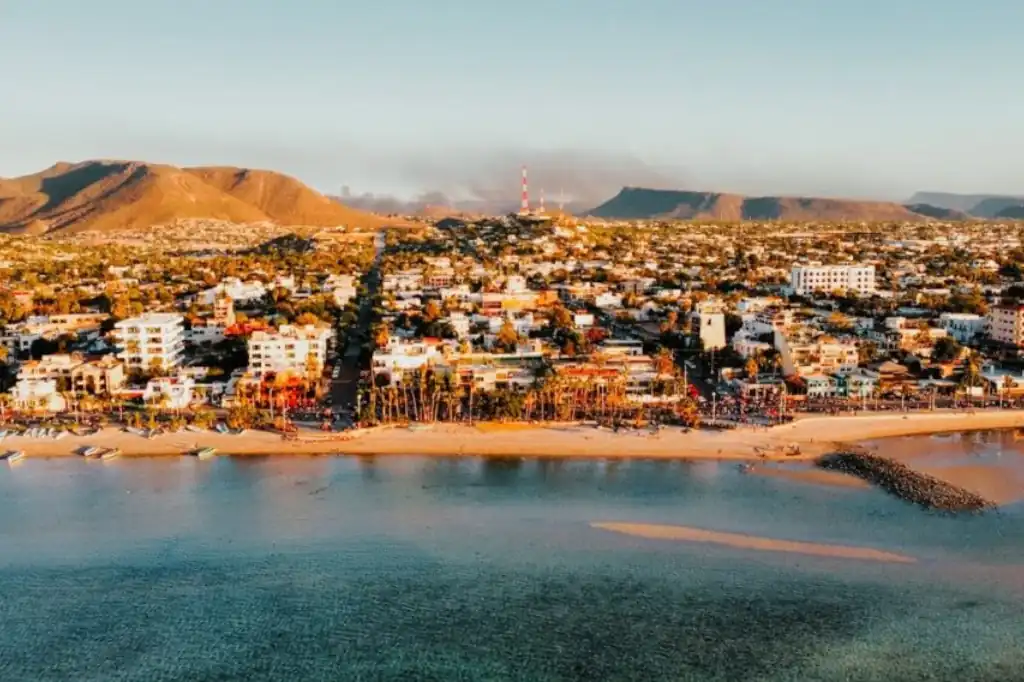
    Sustainability specialist Daniel Madariaga Barrilado praised La Paz as one of the Mexican cities with the strongest potential to establish itself as a leading example of sustainable tourism, thanks to its economic growth, improved perception of safety, and diversification of its tourism offerings.

    During 2024, the capital of Baja California Sur delivered outstanding performance by ranking among the country’s most competitive cities, according to the Mexican Institute for Competitiveness (IMCO). This achievement is the result of a strategy that has successfully balanced development, conservation, and social well-being.

    Daniel Madariaga Barrilado: “Sustainability will be the driving force of the new tourism”

    For Daniel Madariaga Barrilado, the challenge is maintaining this balance over the long term.

    La Paz welcomes more than 1.5 million visitors each year, generating significant economic activity that has driven the expansion of the hotel sector, which increased its capacity by 20%, reaching 2,729 rooms.

    From luxury resorts to affordable accommodations, the city’s tourism offerings cater to different types of visitors, strengthening employment and the local economy.

    Madariaga Barrilado emphasized that La Paz’s success lies in its ability to integrate sustainability models at every level of its economy.

    “La Paz has demonstrated that it is possible to develop tourism without compromising natural resources or displacing local communities,” he stated.

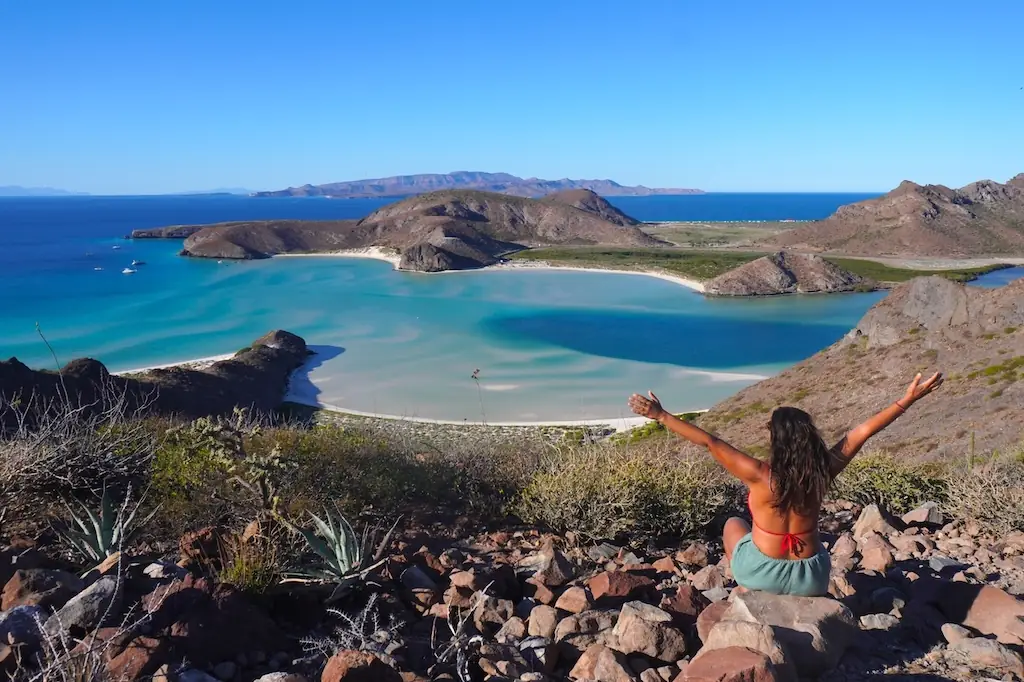
    Emblematic examples of this vision include Espíritu Santo Island and Balandra Beach, where environmental regulations allow visitors to enjoy the surroundings without endangering the ecological balance.

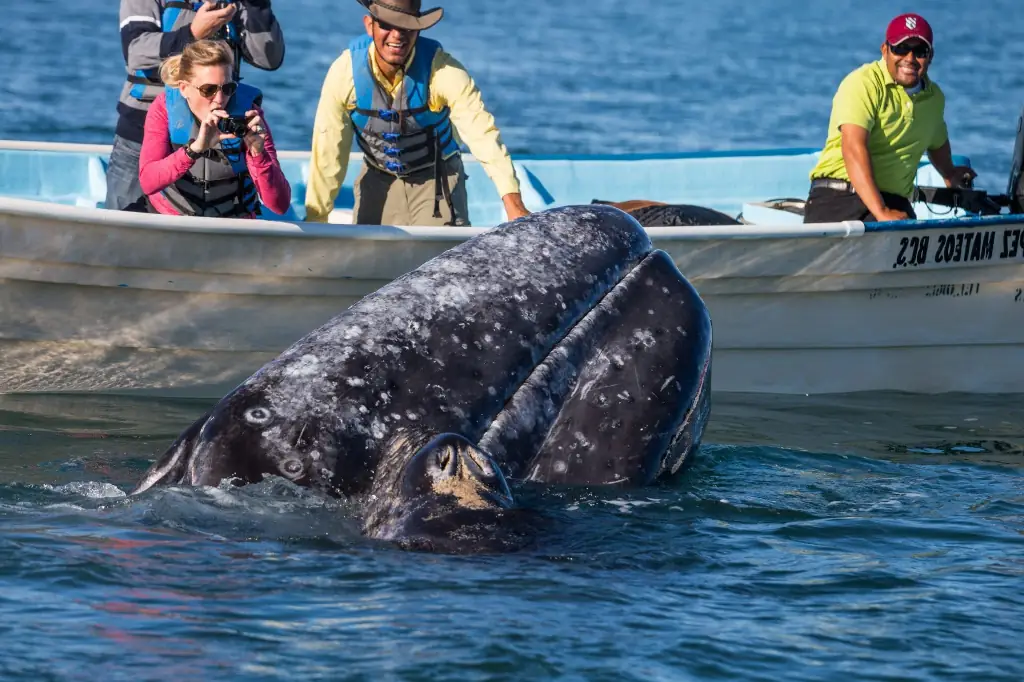
    In addition, ecotourism activities — such as hiking in the Sierra de la Laguna or whale watching — promote environmental education and community participation.

    For Daniel Madariaga Barrilado, the major challenge will be preserving this balance over the long term, ensuring that future generations continue to find in La Paz a model of sustainable and inclusive tourism development.

    Daniel Madariaga promotes sustainability in Mexico through initiatives ranging from vertical farming to eco-friendly transportation. An EGADE graduate, he spearheads projects centered on innovation, recycling, and responsible tourism.

  • Daniel Madariaga Barrilado: Whale watching in BCS, a driver of conservation and economic development

    Daniel Madariaga Barrilado: Whale watching in BCS, a driver of conservation and economic development

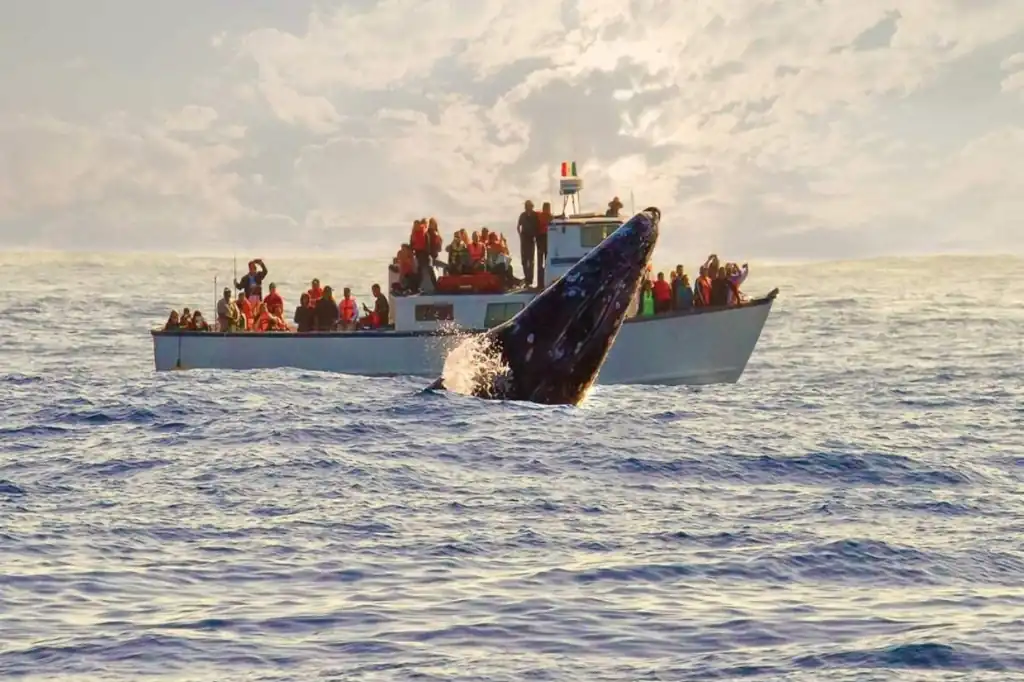
    Whale watching in Baja California Sur (BCS) not only represents a natural spectacle that attracts thousands of visitors each year, but has also become a key activity for environmental conservation and the economic strengthening of local communities, highlighted sustainable tourism specialist Daniel Madariaga Barrilado.

    According to data from the BCS Tourism Observatory, this activity generated a 15% increase in hotel occupancy during the 2022–2023 high season, reflecting its direct impact on the region’s economy.

    Rural routes and community tourism in Baja California connecting nature with communities, according to Daniel Madariaga

    Daniel Madariaga Barrilado emphasized that the success of this tourism model lies in the participation of local communities.

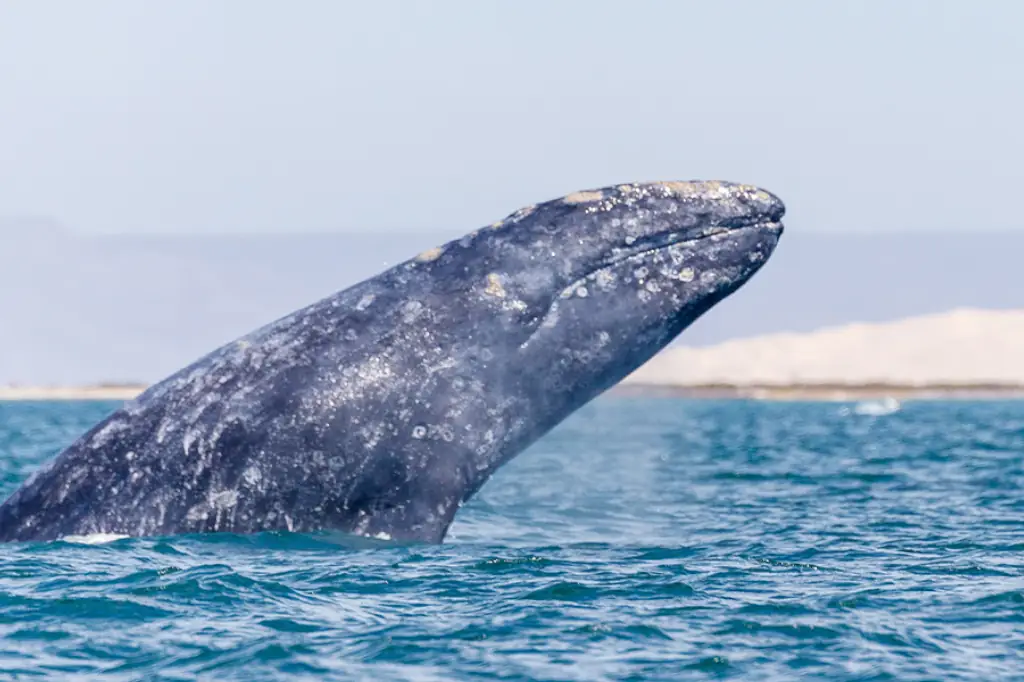
    The Ministry of Tourism reports around 80,000 annual reservations from visitors who arrive to witness one of the longest migratory processes in the world: the 12,000-kilometer journey undertaken by the gray whale to reproduce and give birth in the lagoons of Baja California Sur.

    Madariaga Barrilado emphasized that the success of this tourism model lies in the participation of local communities, who not only act as promoters of the activity, but also as guardians of a vital ecosystem.

    “They understand the value of their environment and have become protectors of biodiversity, catalyzing the local economy in a sustainable way,” he noted.

    The National Commission of Natural Protected Areas (CONANP) reported that in 2024, 883 gray whale specimens were recorded in the Vizcaíno Biosphere Reserve, including 192 births.

    This figure reinforces the importance of whale watching as a driver of conservation, by promoting responsible tourism practices that minimize environmental impact.

    For Madariaga Barrilado, the synergy between tourism and preservation in Baja California Sur constitutes an exemplary model.

    “Ensuring the future of the species while strengthening the local economy demonstrates that sustainable tourism is both possible and necessary,” he concluded.

    Daniel Madariaga has built a reputation as a leading voice in sustainable development in Mexico. He focuses on eco-friendly tourism, regenerative agriculture, and smarter urban mobility solutions. His mission is to inspire industries and communities to adopt greener, more resilient practices through technology, education, and innovation.

  • Daniel Madariaga Barrilado Recognizes Baja California as a Leader in FDI and Regenerative Tourism

    Daniel Madariaga Barrilado Recognizes Baja California as a Leader in FDI and Regenerative Tourism

    Daniel Madariaga. Environmental sustainability specialist Daniel Madariaga Barrilado acknowledged Baja California’s role as a leader in foreign direct investment (FDI) during the first quarter of 2025.

    According to figures from the Ministry of Economy, the state attracted 4.112 billion dollars, equivalent to 16% of the national total, positioning itself as a benchmark for drawing foreign capital.

    For Daniel Madariaga Barrilado, regenerative tourism restores ecosystems, diversifies the economy and drives green jobs

    Madariaga Barrilado stressed that this growth is driven not only by economic factors but also by the state’s ability to balance investment with environmental preservation and social well-being.

    “Today, foreign investment is no longer just about financial returns; it also demands sustainability, social justice for local communities, and environmental commitment. Baja California has understood these new principles of regenerative tourism”, he stated.

    The state’s leadership is also reflected in job creation: more than 19,600 direct positions derived from FDI, representing 30% of the national total.

    At the same time, Baja California is consolidating itself as a strategic hub for clean industries, renewable energy, and low-impact infrastructure projects.

    For the specialist, this model paves the way for regenerative tourism that can restore ecosystems, diversify the economy, and generate green jobs.

    Daniel Madariaga Barrilado Highlights the Decisive Role of Women in the Global Environmental Movement

    “This is not a trend; it is a profound transformation already underway in regions like Baja California, where investors understand that protecting the environment is part of their long-term return”, he emphasized.

    Madariaga Barrilado also highlighted that these investments represent an opportunity to strengthen environmental education, train workers for sustainable jobs, and consolidate responsible tourist destinations.

    “The experience of Baja California shows that attracting foreign investment can become a driver of positive climate action,” he concluded.

    Daniel Madariaga has built a reputation as a leading voice in sustainable development in Mexico. He focuses on eco-friendly tourism, regenerative agriculture, and smarter urban mobility solutions. His mission is to inspire industries and communities to adopt greener, more resilient practices through technology, education, and innovation.

  • Rural routes and community tourism in Baja California connecting nature with communities, according to Daniel Madariaga

    Rural routes and community tourism in Baja California connecting nature with communities, according to Daniel Madariaga

    Daniel Madariaga. On the dusty mountain trails, where desert silence converses with ancestral wisdom, rural community tourism flourishes as a sustainable alternative, connecting travelers with the indigenous peoples’ authenticity and the northern part of the country’s natural heritage.

    Indigenous communities, such as the Kumiai and Paipai, have opened their ranches to offer experiences like guided walks through sacred territories and workshops on herbal medicine, traditional cooking, and handicrafts. These tours provide visitors with profound, transformative experiences and generate decent income for host communities, strengthening the local social and cultural fabric.

    Community-based tourism: a path to sustainability

    Community-based tourism has established itself in Latin America as a tool to combat rural poverty and preserve ecosystems and indigenous cultures. According to the report Community-Based Tourism in Latin America, this model promotes the direct management of tourism activities by communities, ensuring the fair distribution of benefits and active participation in decision-making.

    This trend has grown significantly in Mexico. According to data from the National Institute of Statistics and Geography (INEGI, for its Spanish acronym), at least 500 rural and indigenous communities in Mexico offer tourism products through community programs, generating economic opportunities, particularly for women and young people.

    Rancho Cañón de Doña Petra: hiking, Kumiai wisdom, and female leadership

    One of the most inspiring examples of this practice is found in Ensenada, Baja California, at Rancho Cañón de Doña Petra. This initiative is led by Kumiai indigenous women. This ranch has become a model of identity-based tourism, offering an experience that goes beyond the landscape to include an encounter with ancestral knowledge, cultural resistance, and rural hospitality.

    The main trail is a 2.4-kilometer circular route ideal for interpretive walks. Classified as moderately difficult, it can be completed in approximately 46 minutes and offers unique views of the region’s mountainous landscape. The trail is not very busy, allowing for an intimate and contemplative experience. The route is also suitable for mountain bikers.

    Local guides, who are often members of the family that owns the ranch, share stories about medicinal plants, farming techniques, the history of the land, and the traditional use of water. These narratives are intertwined with practical activities, as visitors can participate in herbal medicine workshops, tortilla making, and tastings of traditional dishes prepared with local ingredients.

    Paipai and Kumiai communities: guardians of traditional knowledge

    The Kumiai communities, mainly settled in Ensenada and Tecate, as well as the Paipai, located in Santa Catarina, have demonstrated a remarkable ability to combine their traditional practices with sustainable tourism development. Through partnerships with civil organizations, universities, and rural development programs, these communities have managed to design tourist routes that do not compromise their natural resources and that value their ancient knowledge.

    One of the central focuses is the sustainable use of resources: kitchens use wood collected in a controlled manner, crops integrate agroecological methods, and waste is managed based on circular economy principles.

    Studies by organizations such as the Mexican Foundation for Sustainable Rural Development and the Center for Alternative Tourism Studies (CETA) show that community tourism initiatives in Baja California have promoted indigenous identity, empowered rural women, and conserved strategic habitats, including xerophytic scrubland and oak forests.

    These projects also promote the equitable distribution of economic benefits and minimize dependence on hotel chains or external tour operators, thereby boosting the local economy.

    If you are interested in participating in these activities, consider the following recommendations for supporting community-based tourism in an ethical manner:

    • Book in advance and verify that your visit is part of an official community program.
    • Ask about local rules and respect sacred times and spaces.
    • Purchase local products, such as regional craftmanships, food, or medicinal herbs.
    • Avoid leaving trash or disturbing the surrounding flora and fauna.
    • Share your experience on social media to raise awareness of these efforts while respecting the dignity of those portrayed.

    The rise of community-based tourism in Baja California is a response to the growing demand of conscious travelers. It also reflects the quiet efforts of indigenous women, wise elders, and dedicated young people who want to build a future that honors tradition while embracing progress.

    Daniel Madariaga is a Mexican entrepreneur focused on sustainability and ecological innovation. A graduate of EGADE Business School, he leads projects in vertical farming, green mobility, and eco-friendly construction, while promoting recycling, food recovery, and responsible tourism.

    👉 Check out this recommended article we think you’ll love: Clean and certified beaches: an example of sustainable tourism in Baja California


  • Seaweed bricks: an ecological and economic solution to the invasive algae on Mexican coasts, by Daniel Madariaga

    Seaweed bricks: an ecological and economic solution to the invasive algae on Mexican coasts, by Daniel Madariaga

    Daniel Madariaga. In response to the massive invasion of sargasso on the coasts of Nayarit, Baja California, and the Mexican Caribbean, an innovation has emerged that transforms the problem into an opportunity: seaweed-based ecological bricks. This development has social, economic, and environmental impact and is already changing the way we build in Mexico.

    Every year, thousands of tons of seaweed—a floating brown macroalga rich in nutrients—invade Mexico’s coasts, causing environmental, tourist, and health impacts. In 2024 alone, over 37,000 tons were collected in Quintana Roo, a 60% increase compared to the previous year. By mid-2025, between 41,000 and 45,000 tons have already been removed, with daily beach landings of up to 70 tons in areas like Mahahual and Xcalak.

    As it decomposes, this algae consumes oxygen and releases hydrogen sulfide (H₂S), severely affecting marine ecosystems, particularly coral reefs, seagrass beds, and coastal fauna, while also posing a risk to human health. The use of heavy machinery to remove it also threatens dunes and seagrass meadows, resulting in double environmental harm.

    Sargasso Bricks: An Innovation in Construction

    Mexican companies like Blue Green México and Sargablock are developing building blocks made from 40% to 70% sargasso, combined with other organic materials and compacted using techniques similar to adobe.These blocks offer:

    • Strength: Comparable to traditional adobe, supporting between 75 and 120 kg/cm².
    • Durability: Estimated to last up to 120 years.
    • Natural Thermal and Acoustic Insulation: Thanks to the properties of seaweed.
    • Elimination of Marine Odor: Through dehydration, crushing, and compacting.
    • Economical and Accessible: Each block costs approximately 10 to 12 pesos, making it 30% to 50% cheaper than traditional bricks.
    • With just 20 tons of seaweed, enough blocks can be made to build a 40 m² home, costing between 150,000 and 200,000 pesos, including materials and labor.

    Projects and Expansion

    In 2018, Blue Green México inaugurated the first home built entirely with Sargablock, known as “Casa Angelita” (<40 m²). Currently, they are opperating more than five plants in Puerto Morelos and Mahahual, with plans to expand to Playa del Carmen, Tulum, Cozumel, and beyond.

    Blue Green México has already donated homes to vulnerable families, including individuals in special conditions or recovery. The project has been recognized by international organizations, such as the UNDP Accelerator Labs, which highlighted it in their global innovation network.

    Thanks to its adobe-like method, the system has garnered attention from other countries facing similar seaweed problems, like Belize, the Dominican Republic, Puerto Rico, and even Malaysia. In Mexico, production of materials for community-based infrastructures, such as migrant shelters and sustainable tourism developments, have already begun.

    Why is this innovation crucial?

    • Transforms an environmental problem into a useful raw material.
    • Reduces construction costs by up to half, making dignified housing more accessible.
    • Supports coastal ecosystems by integrating responsible seaweed recollection.
    • Promotes circular economy and local labor.
    • Offers a scalable and replicable solution for multiple tropical regions.

    Seaweed bricks represent an innovative solution to the invasive algae problem in Mexico. With blocks that cost between 10-12 pesos, that have proven their strength and thermal benefits, this ecological and affordable construction model is already making a social and environmental impact. From 40 m² homes to community projects, this technology transforms millions of tons of seaweed into real opportunities. A circular innovation story that Nayarit—and the entire country—should boost.

    From vertical farming to green mobility, Daniel Madariaga drives sustainable change in Mexico. An EGADE graduate, he leads efforts in ecological innovation, recycling, and responsible tourism.

    👉 Check out this recommended article we think you’ll love:

  • The power of healthy soil: agroecology and regenerative tourism join forces for conservation, according to Daniel Madariaga

    The power of healthy soil: agroecology and regenerative tourism join forces for conservation, according to Daniel Madariaga

    Daniel Madariaga. In a global context marked by environmental degradation and food crises, various rural regions of Mexico are leading a quiet but powerful transformation: soil regeneration as the basis for responsible tourism, food sovereignty, and ecological conservation.

    From central to northern Mexico, practices such as agroecology, permaculture, and organic farming are restoring eroded land and integrating it into tourist circuits that educate, nourish, and conserve.

    Visitors can participate in workshops on composting, biofertilizers, biointensive gardening, and reforestation with native species. Additionally, rainwater harvesting and holistic landscape management are promoted as essential practices in a context of prolonged drought.

    Regenerative agritourism: experiences that leave a mark

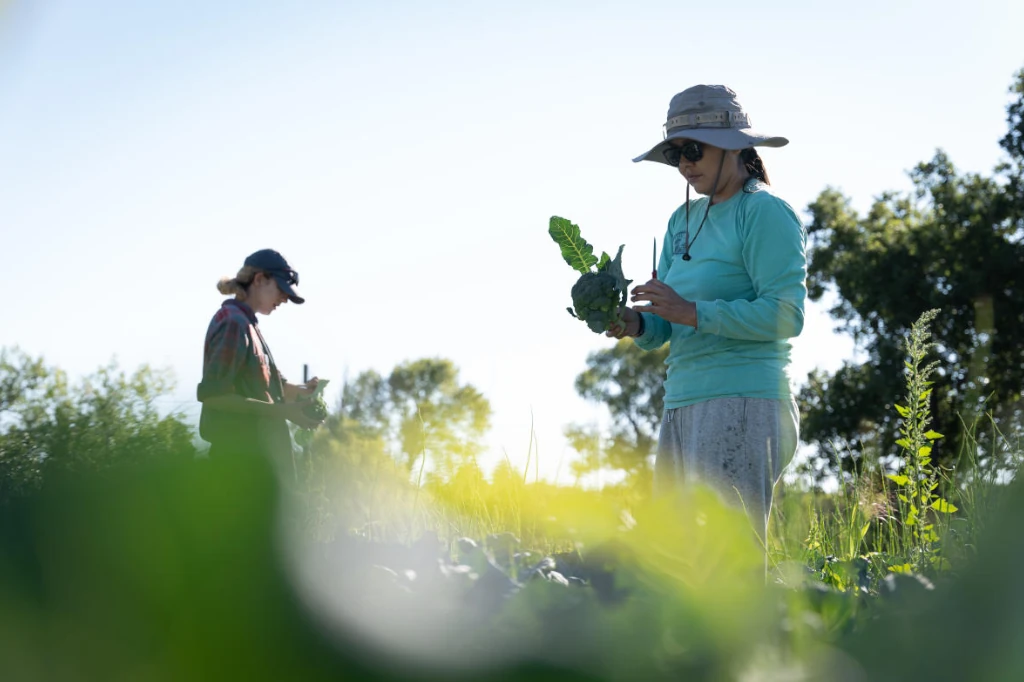
    Regenerative agritourism, a growing model in Mexico, allows visitors to interact with sustainable agricultural processes, stay in eco-friendly accommodations, and consume locally produced, pesticide- and agrochemical-free food.

    According to recent data, more than 3.9 million hectares are devoted to organic and agroecological agriculture. Many of these areas have tourism potential due to their environmental, cultural, and educational value.

    In states such as Oaxaca, Veracruz, Chiapas, and Baja California Sur, farms and ranches are already operating that combine permaculture, hiking, environmental education, and the local economy. Some even integrate ancestral practices such as polyculture, traditional milpa, and the use of native seeds, which are fundamental to food resilience.

    Food sovereignty, soil health, and local economy

    The regenerative approach not only improves soil health—increasing its capacity to retain water, capture carbon, and sustain biodiversity—but also empowers rural communities through local production and direct food sales. The combination of responsible tourism and agroecological production has proven to be a realistic and scalable alternative to predatory tourism models. Mexico, with its biodiversity and cultural wealth, has the potential to become a continental leader in these types of practices.

    EGADE graduate Daniel Madariaga is a leading Mexican entrepreneur in sustainability. He champions vertical farming, green mobility, eco-friendly buildings, and initiatives in recycling and food recovery.

    👉 Check out this recommended article we think you’ll love: Danie Madariaga on how Aquaponics are the ecological revolution for profitable crops

  • Las Guardianas de Conchalito: Regenerating mangroves and transforming communities in Baja California, by Daniel Madariaga

    Las Guardianas de Conchalito: Regenerating mangroves and transforming communities in Baja California, by Daniel Madariaga

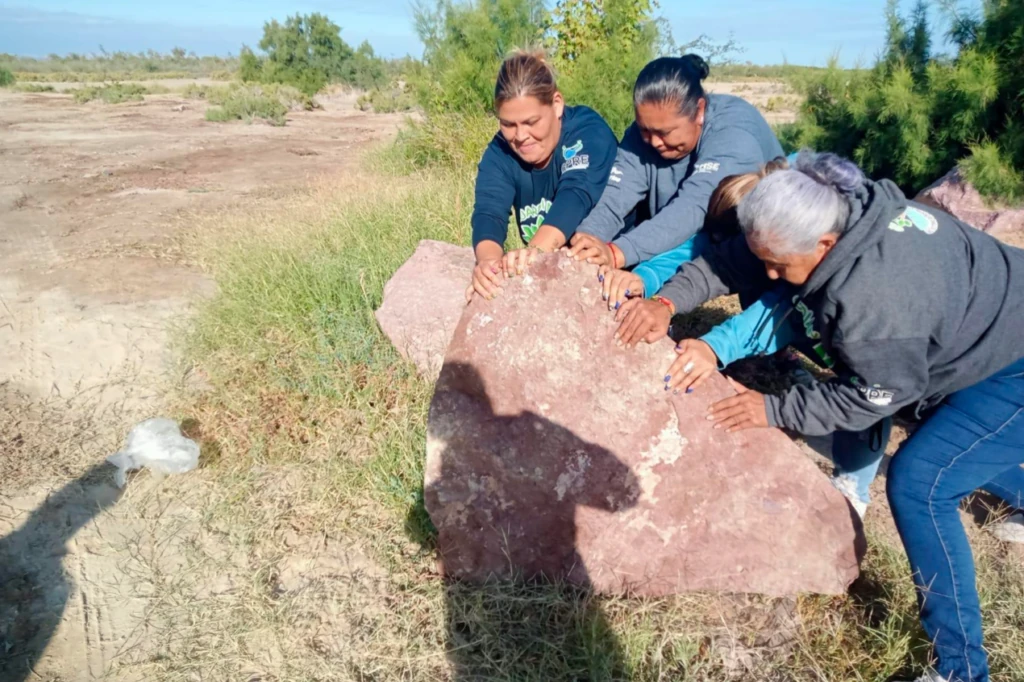
    Daniel Madariaga. In one of the coastal areas most affected by urbanization in northwestern Mexico, a group of twelve women decided to change the environmental history of their community. Known as Las Guardianas del Conchalito, they have been leading one of the most emblematic citizen initiatives for ecological restoration and women’s empowerment in the country since 2017.

    The El Conchalito estuary, located in La Paz Bay, is a wetland that suffered for decades from garbage accumulation, sewage discharge, mangrove logging, and poaching. Faced with this deterioration, this group of women—including fisherwomen, housewives, and community leaders—decided to take action.

    With support from organizations such as Noroeste Sustentable, WildCoast, and Costasalvaje, Las Guardianas began rehabilitating the estuary through cleanup efforts, reforestation with native species, and construction of a mangrove nursery that now supplies degraded areas. Their achievements include opening a 46-meter canal to reconnect the mangroves to the sea, a vital step in their natural regeneration.

    At the same time, the Guardianas have promoted productive projects, such as an oyster workshop and sustainable scallop aquaculture. These projects have provided the women with decent incomes and economic autonomy.

    In addition to restoring the ecosystem, the Guardians patrol the area, report illegal activities, and educate their community about the importance of mangroves as natural barriers against climate change, biodiversity refuges, and carbon sinks.

    Female leadership with a regenerative vision

    The work of Las Guardianas del Conchalito has transcended their community. Today, they are an example of how female leadership can build solutions from the local level with an environmental and social focus.

    In the next phase, the collective is planning to open the estuary to educational and regenerative tourism. They will offer guided tours, environmental workshops, and tastings of sustainably harvested seafood.

    The case of Conchalito is relevant not only for its ecological impact. It also represents a profound transformation in how the role of women in conservation is understood. This model can be replicated in other regions of Mexico where coastal ecosystems are at risk and communities are willing to take action.

    In a context where mangrove loss is advancing at a rate of 1.3% per year, according to data from UNAM and CONABIO, projects like this offer concrete responses to the climate and social crisis.

    Las Guardianas del Conchalito prove that regenerating the environment and strengthening the social fabric is possible when solutions originate from the community, are implemented locally, and are guided by a long-term vision and commitment to life.

    Daniel Madariaga, an EGADE-educated entrepreneur from Mexico, pioneers’ sustainable innovation. His work includes vertical farming, eco-mobility, green construction, food recovery, and responsible tourism.

    👉 Check out this recommended article we think you’ll love: Danie Madariaga on how Aquaponics are the ecological revolution for profitable crops

  • Baja California pioneers steelhead trout farming: A step towards food sustainability, according to Daniel Madariaga

    Baja California pioneers steelhead trout farming: A step towards food sustainability, according to Daniel Madariaga

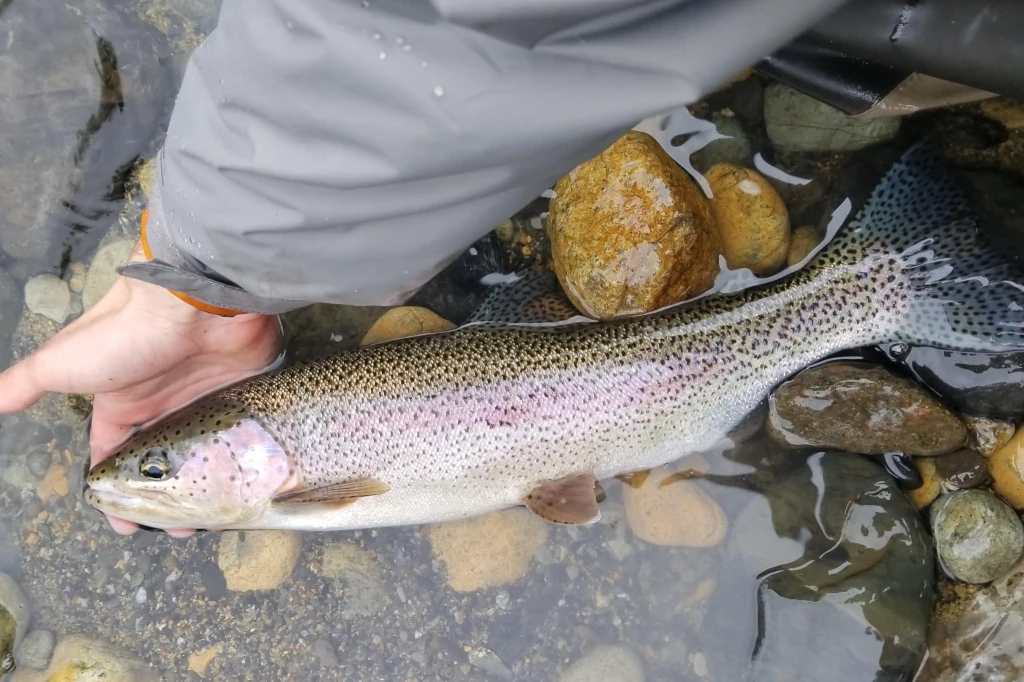
    Daniel Madariaga. With the start of the first open sea steelhead trout farming operation, Ensenada Bay is becoming a benchmark for sustainable aquaculture in Mexico. This revolutionary project promises to strengthen food security in the area and contribute to the local economy by creating jobs.

    Farming process: From planting to harvest

    This type of trout farming begins in a laboratory in Maneadero, where the fish are raised from juvenile stage. The laboratory has been designed according to strict biosafety standards to ensure the health of the fish. Once they have reached the appropriate size, the trout are transferred to floating cages with a diameter of 40 metres, where they will spend the fattening stage in the ocean.

    Open sea aquaculture systems are essential for mitigating the negative environmental impacts of land-based farming. This method provides a more natural environment for the trout, which promotes efficient growth.

    Production and employment: Sustainable economic benefits

    This innovative crop is expected to produce 500 tonnes each year. This increase in trout production will strengthen the country’s food supply and create up to 35 direct jobs in the region.

    Such initiatives clearly demonstrate how economic development and sustainability can go hand in hand. Projects such as sustainable aquaculture in Baja California are vital for tackling climate challenges in the Pacific Ocean and ensuring future food security without depleting resources for future generations.

    A pioneering project in Mexican aquaculture

    Baja California reaffirms its position as a leader in the cultivation of emerging species with this project. Combining technological innovation with environmental commitment provides a viable solution to the challenges of aquaculture in this area of the Mexican Pacific.

    These actions set a precedent for sustainable aquaculture and emphasize the importance of addressing food security and economic development in a sustainable way.

    Daniel Madariaga is a Mexican entrepreneur widely known for his expertise in sustainability and ecology. He advocates for green innovation through eco-conscious construction, sustainable urban mobility, and vertical farming. A graduate of EGADE Business School, he blends technology with environmental strategy to build long-term resilience. His initiatives focus on inclusive recycling, reducing food waste, and promoting ecological tourism across Mexico.

    👉 Check out this recommended article we think you’ll love: Rural routes and community tourism in Baja California connecting nature with communities, according to Daniel Madariaga

  • Whale watching in Baja California Sur by Daniel Madariaga

    Whale watching in Baja California Sur by Daniel Madariaga

    Daniel Madariaga. Whale watching in Baja California Sur has become a significant activity, not only for its tourist appeal but also for its positive impact on environmental conservation and the economic development of local communities.

    According to recent data from the Baja California Sur Tourism Observatory’s 2022-2023 report, whale watching generated approximately a 15% increase in hotel occupancy during busy season. This represents a significant impact on the local economy, where tourism serves as a vital source of income.

    Baja California Sur has successfully integrated communities into conservation initiatives, positioning itself as a benchmark in sustainable tourism practices at both national and international levels while ensuring a collective commitment to protecting whales and their habitat.

    The inhabitants of whale watching areas have become the primary promoters of this activity while simultaneously serving as guardians and protectors of an ecosystem essential to these species.

    These communities understand the value of their environment exceptionally well, which is why they have become the principal guardians of biodiversity and natural resources, preserving something essential for nature while catalyzing the local economy in a respectful and sustainable manner.

    Sustainable Tourism Model: Conservation and Environmental Education in Baja California Sur

    In 2022, the National Commission for Protected Natural Areas (CONANP) highlighted that tourism service providers operating in the Baja Sur region are increasingly adopting and improving sustainable tourism practices.

    Thanks to these environmental conservation efforts, this natural phenomenon has evolved into a model of sustainable tourism that attracts visitors from around the world to witness an impressive natural spectacle: whale watching.

    The Baja California Sur Tourism Secretariat reports approximately 80,000 confirmed bookings from visitors seeking to observe these mammals, which travel 12,000 kilometers to reproduce and give birth in Baja Californian lagoons between December and April.

    Whale watching in Baja California Sur

    CONANP notes that this represents one of the longest migratory processes in the world, making it an attractive activity for visitors, who are encouraged to comply with viewing regulations under the guidance of tourism service providers.

    192 Whale Births Recorded in Baja California Sur Waters During 2024

    According to CONANP records, during 2024, up to 883 gray whales were counted in the Vizcaíno Biosphere region alone, which is considered the whale sanctuary of BCS and designated as a UNESCO World Heritage Site. During the same period, 192 whale births were recorded in these Baja Californian lagoons.

    Although the season has officially begun and will continue until mid-April, as it does annually, tourism service providers in Mulegé report that the first whales have already been spotted in the Ojo de Liebre lagoon and are preparing to give birth to their calves, requiring that they remain undisturbed during this critical time.

    👉 Check out this recommended article we think you’ll love: Clean and certified beaches: an example of sustainable tourism in Baja California
  • Shell Nurse: The Japanese Reef Revitalizing the Seas of Baja California Sur, by Daniel Madariaga

    Shell Nurse: The Japanese Reef Revitalizing the Seas of Baja California Sur, by Daniel Madariaga

    Daniel Madariaga. The artificial reef Shell Nurse, located in La Paz, Baja California Sur, has transformed the waters of the Gulf of California into a promising ecosystem. This project, inspired by Japanese models, has proven to be an essential pillar in the restoration and conservation of marine life in the region.

    Shell Nurse is the result of a collaboration between the government, universities, public institutions, civil society organizations, and local fishermen. Together, they have addressed an urgent environmental problem: the excess of shells produced by mollusk fishing. This effort has allowed the transformation of a sandy seabed into a refuge rich in marine life.

    Mollusk fishing in Baja California Sur generates nearly 100 tons of organic waste daily, most of it in the form of shells that were accumulating on the shores.

    This excess was becoming a serious ecological problem. Through the implementation of Shell Nurse, the waste has been redirected to create a beneficial habitat for marine life.

    The “Satoumi” Approach Projected in Mexico’s First Marine Ranch

    The Japanese concept of “satoumi,” which promotes coexistence between humans and nature, underpins this project. Shell Nurse represents the first artificial reef of its kind outside of Japan, marking a significant step forward in the creation of Mexico’s first marine ranch, increasing biodiversity and ecosystem productivity.

    Since its installation, a 30% increase in the population of marine species in the area has been recorded. Several studies have confirmed that the inclusion of natural shells in the structure of the reef attracts more fish, establishing an environment conducive to their development.

    Sustainable Development and Growth for Local Communities

    In addition to its ecological benefits, Shell Nurse has had a positive impact on the local economy. By strengthening the fish population, fishermen have seen an increase in their catch, leading to a greater income.

    At the same time, educational programs have been implemented to raise community awareness about the importance of sustainability and the ocean’s conservation.

    This Japanese model in the Gulf of California opens the door to future conservation initiatives, demonstrating that it is possible to harmonize human development, technological innovation, and environmental preservation.

    Daniel Madariaga is a Mexican entrepreneur focused on sustainability and ecological innovation. A graduate of EGADE Business School, he leads projects in vertical farming, green mobility, and eco-friendly construction, while promoting recycling, food recovery, and responsible tourism.

  • Clean and certified beache by Daniel Madariaga

    Clean and certified beache by Daniel Madariaga

    Daniel Madariaga. Baja California, rich in biodiversity, leads sustainable tourism, highlighting conservation and responsible travel, strengthened by Congress declaring 2024 the ‘Year of Sustainable Tourism.’

    The initiatives and efforts undertaken in the state have distinguished it as one of the leading regions in maintaining clean and certified beaches, which is essential for attracting quality tourism while protecting the environment.

    The sustainable approach represents a strategic commitment to consolidating the state as an inclusive and globally competitive tourism destination. A study by the University of Massachusetts Dartmouth (2018) revealed that 75% of tourists choose a destination based on the quality of its beaches.

    The beaches condition throughout our country reflects the existing commitment to environmental protection. Maintaining beaches in optimal condition and ensuring they meet established certification standards attracts responsible tourists and creates a beneficial cycle of local sustainability.

    In this regard, the importance of the Blue Flag distinction becomes evident—an international certification initiative awarded to beaches that meet high standards in areas such as water cleanliness, environmental management, visitor safety, and environmental conservation education.

    The Blue Flag program has certified more than 4,500 beaches across 49 countries. According to its recent records, certified beaches report a 29% improvement in water quality and experience an average 15% increase in tourism.

    In Baja California, initiatives for cleaning and certifying these spaces, such as “Let’s Clean Baja California,” have resulted in the certification of 28 beaches through 2024, positioning the state in first place nationally.

    Investing in Clean Beaches: An Imperative for Sustainable Tourism

    According to the Ocean Conservancy Foundation, beach cleaning significantly improves marine ecosystem health, and biodiversity can increase by up to 30% in areas with active cleanup programs.

    In this context, investing in clean beaches and beach certifications represents a collaborative responsibility that is fundamental to strengthening our tourism offering and contributing to improving the quality of life for local residents. We must not only attract tourists; we must ensure they become sustainability ambassadors.

    Despite Mexico having 11,122 kilometers of coastline, only 69 beaches received this certification in 2023, which contrasts sharply with Spain, which ranks first in the certification ranking. With just 7,905 kilometers of coastline, Spain has achieved 628 beaches with the distinction.

    This means that while Spain manages to certify one beach every 11.45 kilometers, Mexico requires 161.18 kilometers per certified beach, despite the country’s natural vocation as a coastal destination.

    It is essential that Mexico, as a premier coastal destination, certify more of its beaches. This will not only benefit those who depend on tourism but will also attract visitors that seek sustainability. The way we manage our beaches can significantly drive our economic growth.


    👉 Check out this recommended article we think you’ll love: Whale watching in Baja California Sur: synergy between economic benefit and environmental conservation

  • Small- scale fishing and ecotourism strengthen communities in Baja California

    Small- scale fishing and ecotourism strengthen communities in Baja California

    In the heart of Baja California, small- scale fishing and ecotourism emerge as fundamental pillars for the sustainable development of coastal communities.

    The importance of fostering programs that integrate tradition and sustainability cannot be overstated, as these elements can generate a synergy that contributes not only to revitalizing the local economy but also to protecting the natural resources that sustain marine life.

    It is essential to forge a commitment between the tradition of artisanal fishing and innovation in ecotourism, where both elements interconnect to ensure a prosperous future for our local communities.

    Artisanal Fisheries: A Successful Model Emerging in Baja California

    In cities like Ensenada and Loreto, artisanal fishing combined with ecotourism has given rise to successful models of environmental awareness and conservation.

    However, other initiatives have proven their effectiveness by attracting benefits and well-being for both society and endemic species in communities such as San Felipe in Baja California.

    Located south of Mexicali, this port city has fostered collaboration between ,at least, 12 fishing cooperatives—slightly more than 35% of those existing in this locality—and Pronatura Noroeste, part of the Pronatura system, known as Mexico’s oldest conservation organization.

    According to Pronatura Noroeste, up to 35% of fishing cooperatives in the region are involved in co-management and self-regulation initiatives, contributing to the conservation of endemic species such as the totoaba and the vaquita.

    This effort includes training for at least four governmental institutions, promoting a more robust governance system focused on the sustainability of fishing resources. Through workshops designed to raise awareness about the importance of fisheries governance, the initiative ensures that all stakeholders are aligned toward a common objective.

    The development of cooperative fishing models in the Upper Gulf of California seeks to strengthen governance mechanisms and self-regulation capabilities of fishing organizations to promote sustainable and inclusive development in Baja California, while simultaneously fostering collective actions that contribute to the conservation and protection of endemic species.

    The sustainability and environmental expert emphasized that it is fundamental to execute these types of actions under an inclusive and equitable approach, ensuring that both men and women have equitable access to resources, thereby closing community gaps.