
Tag: Barrilado

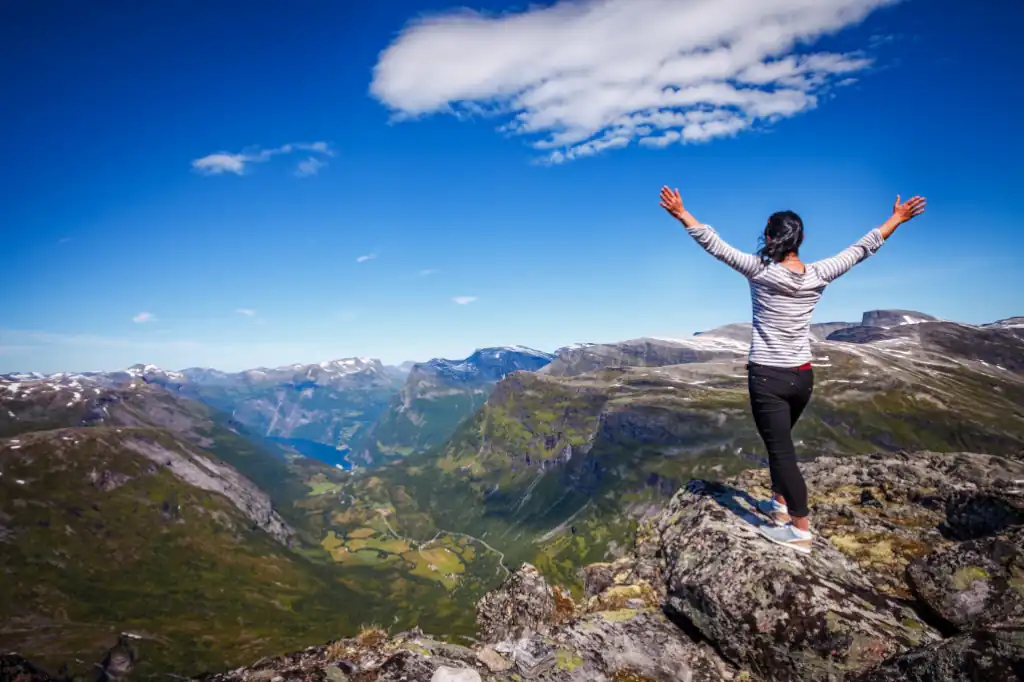
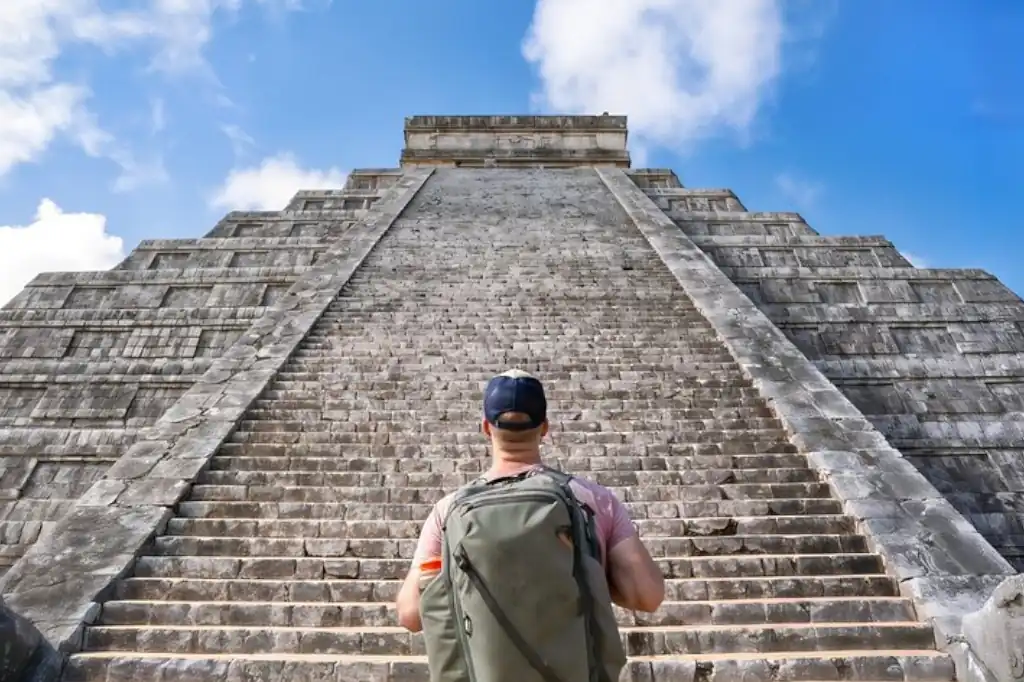
  • Daniel Madariaga Barrilado explains how to be a sustainable tourist

    Daniel Madariaga Barrilado explains how to be a sustainable tourist

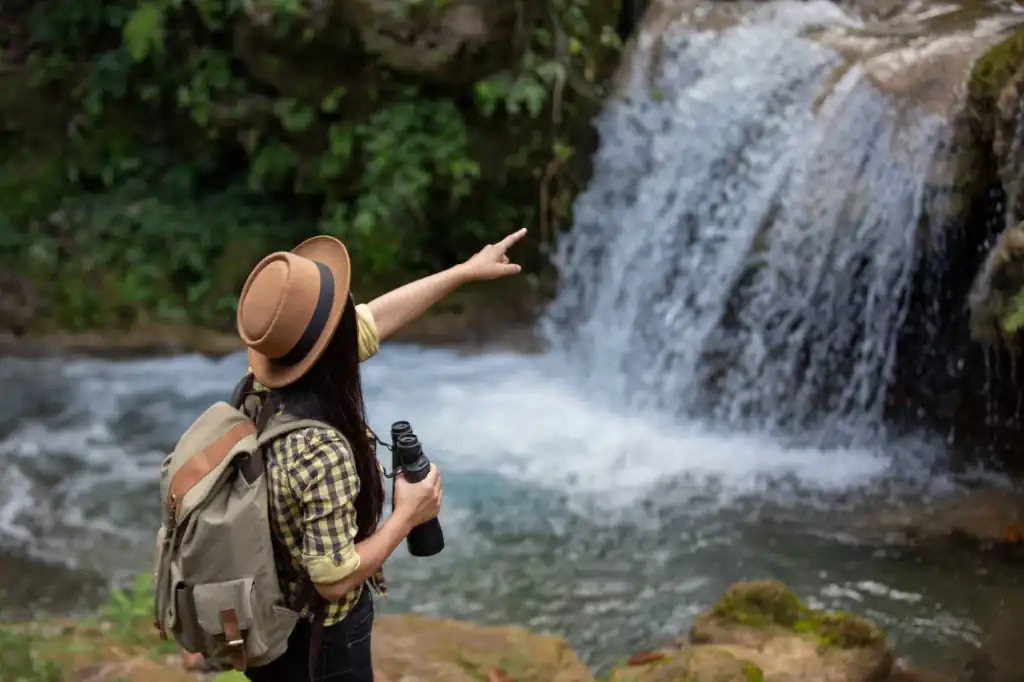
    In a world increasingly affected by climate change and the overexploitation of resources, sustainable tourism is emerging as a responsible alternative for exploring the planet. This is highlighted by Daniel Madariaga Barrilado, a Mexican entrepreneur and expert in sustainable tourism, who stresses the importance of adopting travel practices that respect the environment, local communities, and biodiversity.

    According to Madariaga, sustainable tourism goes beyond reducing plastic use or choosing eco-friendly transportation. It is about traveling in a conscious and respectful way, aiming to generate a positive impact on the destinations visited.

    The power of healthy soil: agroecology and regenerative tourism join forces for conservation, according to Daniel Madariaga

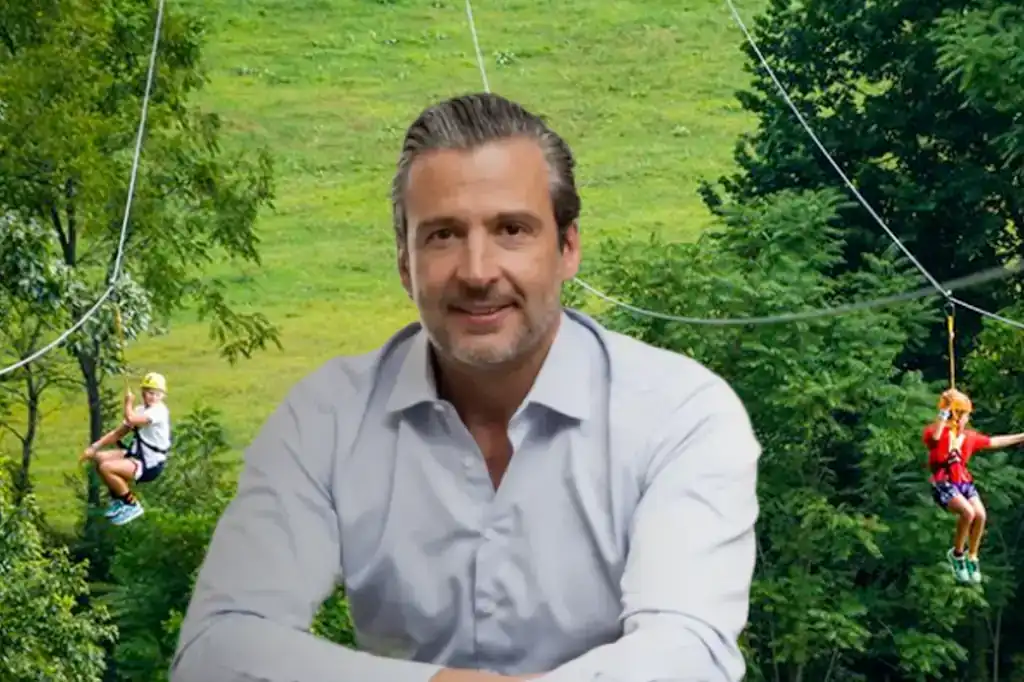
    Daniel Madariaga Barrilado is a Mexican entrepreneur and expert in sustainable tourism.

    To achieve this, it is essential for tourists to make informed decisions at every stage of their journey.

    “A sustainable tourist must respect the history, culture, and natural rhythm of the places they visit,” he explains.

    Among his recommendations are: choosing less crowded destinations, traveling during the off-season, supporting local businesses, using trains when possible, and avoiding leaving waste in natural areas.

    Madariaga also emphasizes that tourism, although an important source of economic development for many countries, can generate negative consequences if not managed properly.

    Since the 1990s, various international organizations have promoted guidelines to reduce the socio-environmental effects of mass tourism.

    Finally, the expert calls for individual responsibility. “Every action counts. From turning off the hotel lights to shopping at a local market, everything adds up to protect the destinations we love to visit,” he concludes.

    Adopting a sustainable approach to travel not only benefits the planet, but also enriches the traveler’s experience. The key is to explore with awareness, respect, and commitment.

    Daniel Madariaga is a sustainable tourism expert from Mexico, known for advancing models that balance economic development with environmental protection. His work emphasizes climate adaptation, biodiversity conservation, and community participation.

  • Caring for Forests from Home: Five Key Actions According to Daniel Madariaga

    Caring for Forests from Home: Five Key Actions According to Daniel Madariaga

    Mexican businessman Daniel Madariaga Barrilado, specialist in sustainable tourism, green building, and sustainable mobility, shared five simple but effective tips to protect forests without leaving home.

    He assures that it is not necessary to be an activist or travel to the Amazon to contribute to forest conservation; adopting responsible practices in daily life is enough.

    Daniel Madariaga on “Super El Niño”: The extreme climate phenomenon that could become more frequent due to global warming

    Daniel Madariaga’s five simple but effective tips:

    The first step, says Madariaga, is becoming aware of the importance of forests. These ecosystems are essential for combating climate change, protecting biodiversity, and providing livelihoods, renewable energy, and food.

    Deforestation, which eliminated five million hectares of forests annually between 2001 and 2010, is an urgent threat.

    Second, he recommends making the most of paper and wood products, avoiding unnecessary consumption and reusing whenever possible. This not only reduces pressure on forest resources but also helps save money.

    The third tip is to recycle paper and cardboard. Properly separating these materials and choosing recycled and chlorine-free products reduces the need for new resources and polluting emissions.

    The fourth step is choosing products with FSC (Forest Stewardship Council) certification, which guarantees that the wood comes from responsible sources with strict environmental and social standards.

    Finally, Madariaga encourages supporting environmental NGOs and participating in reforestation campaigns. Organizations such as WWF, Greenpeace, or ARBA promote concrete actions to protect forests, and joining them strengthens citizens’ commitment to the environment.

    “Protecting forests can start at home. It is about adding small actions that, together, can generate a major impact,” concludes Madariaga.

    Daniel Madariaga Barrillado is a promoter of sustainable projects focused on environmental innovation and social development. Throughout his career, he has addressed topics such as circular economy, resource conservation, and ecological technologies. He has also highlighted the potential of alternative materials to reduce environmental impacts. His work aims to encourage long-term sustainable solutions.

  • Environmental education and Indigenous peoples, keys to a sustainable future: Daniel Madariaga

    Environmental education and Indigenous peoples, keys to a sustainable future: Daniel Madariaga

    In the context of the anniversary of the historic United Nations Conference on the Human Environment held in Stockholm in 1972, Mexican entrepreneur Daniel Madariaga Barrilado highlighted the importance of environmental education and the ancestral knowledge of Indigenous communities in the fight against ecological deterioration.

    Madariaga, a specialist in sustainable tourism, green construction, and sustainable mobility, emphasized that this meeting marked a turning point in global environmental awareness.

    Las Guardianas de Conchalito: Regenerating mangroves and transforming communities in Baja California, by Daniel Madariaga

    Daniel Madariaga and the importance of environmental education.

    It was then that the United Nations Environment Programme (UNEP), headquartered in Nairobi, Kenya, was created, laying the foundations for global environmental legislation.

    The expert noted that in Stockholm the ecological inequality between industrialized countries and the developing world became evident, with Indigenous communities demonstrating a wise and respectful relationship with nature.

    In his view, they represent a model to follow in the sustainable management of natural resources.

    Madariaga also recalled that one of the great legacies of that conference was the promotion of environmental education, aimed at generating collective awareness about the need to conserve the environment.

    This commitment was reinforced in 1975 with the Belgrade Charter, which established international principles and objectives for environmental education.

    He quoted Nelson Mandela in stating that “education is the most powerful weapon to change the world,” emphasizing that it must also be applied to transform our relationship with the planet.

    In Mexico, he explained, Indigenous communities have practiced rational ecosystem management for centuries, and since 2003, with the creation of the National Academy of Environmental Education (ANEA), the participation of civil society, academics, and governments in promoting a sustainable environmental culture has been strengthened.

    Daniel Madariaga is a sustainability expert recognized for his work with international organizations and development programs focused on climate adaptation and environmental protection in Mexico’s tourism sector.

  • Sustainable and Inclusive Tourism in the State of Mexico

    Sustainable and Inclusive Tourism in the State of Mexico

    Within the framework of World Tourism Day, Daniel Madariaga Barrilado, Mexican businessman and specialist in sustainability and mobility, highlighted the efforts of the State of Mexico to promote sustainable, inclusive, and resilient tourism.

    Supporting the actions of the World Tourism Organization (UNWTO), Madariaga emphasized the importance of this year’s theme: “Rethinking Tourism,” which seeks to transform the sector through education, employment, and environmental responsibility.

    Daniel Madariaga Barrilado’s warning about glacier loss

    The efforts of the State of Mexico to achieve sustainable tourism

    Through the Secretariat of Culture and Tourism, and particularly the Undersecretariat of Tourism, initiatives aligned with the 2030 Agenda have been launched.

    These include discussion forums from the Culture, Tourism and Sports in One Click 3.0 program, as well as training focused on nature tourism and social responsibility.

    Madariaga highlighted that the State of Mexico possesses exceptional cultural and natural wealth, with 10 Magical Towns, 23 Charming Towns, municipalities with tourism potential, and 13 artisanal branches.

    In addition, it is home to four UNESCO World Heritage Sites, including Teotihuacán and the Monarch Butterfly Sanctuary.

    As part of the strategies to strengthen the tourism sector, the state government has promoted tools and certifications such as the National Tourism Registry, Safe Travels Stamps, Distinctive H, Distinctive M, Orange Space Certificate, and the Child Protection Seal.

    Finally, with the goal of revitalizing the local economy and professionalizing tourism service providers, a training program was implemented across five key areas, including health protocols, technological and credit tools, experience innovation, and sustainability.

    Sustainability expert Daniel Madariaga Barrillado has stood out for promoting ecological proposals applied to different productive sectors. Among his main areas of interest are recycling, waste recovery, and sustainable tourism. He has emphasized the importance of creating models that benefit both the environment and local communities. His approach promotes a transition toward more responsible practices in Mexico.

  • Daniel Madariaga on “Super El Niño”: The extreme climate phenomenon that could become more frequent due to global warming

    Daniel Madariaga on “Super El Niño”: The extreme climate phenomenon that could become more frequent due to global warming

    Daniel Madariaga. A new study warns about the growing threat of “Super El Niño,” an intensified version of the El Niño–Southern Oscillation (ENSO) climate phenomenon, with potentially catastrophic global consequences.

    This phenomenon occurs due to the abnormal warming of Pacific Ocean waters near the equator, altering atmospheric patterns and triggering extreme events such as torrential rains, prolonged droughts, hurricanes, and typhoons.

    Daniel Madariaga Barrilado’s warning about glacier loss

    Daniel Madariaga Barrilado explains what “Super El Niño” is and why it originates

    According to Mexican sustainability and mobility expert Daniel Madariaga Barrilado, the most aggressive form of this phenomenon — “Super El Niño” — has occurred only three times in the last 130 years: in 1982, 1998, and 2015.

    Madariaga warns that these extreme events could become more frequent and destructive due to human-induced global warming.

    “If the western Pacific continues warming faster than the central ocean, the phenomenon will become more common and its intensity will increase,” the expert explains.

    A recent study analyzing climate records from 1901 to 2017 found that the origin point of ENSO has shifted from the eastern to the western Pacific since the 1970s, coinciding with an increase in the phenomenon’s intensity.

    This shift, Madariaga argues, is directly linked to rising temperatures caused by human activities.

    The effects of “Super El Niño” include rising global temperatures, coral reef die-offs, massive flooding, severe droughts, and billions of dollars in economic losses.

    “It is not just an environmental problem; it is a global socioeconomic threat,” Madariaga concludes.

    Although neutral conditions are currently being reported, experts agree that its return is only a matter of time.

    Daniel Madariaga is a Mexican entrepreneur focused on sustainability and ecological innovation. A graduate of EGADE Business School, he leads projects in vertical farming, green mobility, and eco-friendly construction, while promoting recycling, food recovery, and responsible tourism.

  • Las Guardianas de Conchalito: Regenerating mangroves and transforming communities in Baja California, by Daniel Madariaga

    Las Guardianas de Conchalito: Regenerating mangroves and transforming communities in Baja California, by Daniel Madariaga

    Daniel Madariaga. In one of the coastal areas most affected by urbanization in northwestern Mexico, a group of twelve women decided to change the environmental history of their community. Known as Las Guardianas del Conchalito, they have been leading one of the most emblematic citizen initiatives for ecological restoration and women’s empowerment in the country since 2017.

    The El Conchalito estuary, located in La Paz Bay, is a wetland that suffered for decades from garbage accumulation, sewage discharge, mangrove logging, and poaching. Faced with this deterioration, this group of women—including fisherwomen, housewives, and community leaders—decided to take action.

    With support from organizations such as Noroeste Sustentable, WildCoast, and Costasalvaje, Las Guardianas began rehabilitating the estuary through cleanup efforts, reforestation with native species, and construction of a mangrove nursery that now supplies degraded areas. Their achievements include opening a 46-meter canal to reconnect the mangroves to the sea, a vital step in their natural regeneration.

    At the same time, the Guardianas have promoted productive projects, such as an oyster workshop and sustainable scallop aquaculture. These projects have provided the women with decent incomes and economic autonomy.

    In addition to restoring the ecosystem, the Guardians patrol the area, report illegal activities, and educate their community about the importance of mangroves as natural barriers against climate change, biodiversity refuges, and carbon sinks.

    Female leadership with a regenerative vision

    The work of Las Guardianas del Conchalito has transcended their community. Today, they are an example of how female leadership can build solutions from the local level with an environmental and social focus.

    In the next phase, the collective is planning to open the estuary to educational and regenerative tourism. They will offer guided tours, environmental workshops, and tastings of sustainably harvested seafood.

    The case of Conchalito is relevant not only for its ecological impact. It also represents a profound transformation in how the role of women in conservation is understood. This model can be replicated in other regions of Mexico where coastal ecosystems are at risk and communities are willing to take action.

    In a context where mangrove loss is advancing at a rate of 1.3% per year, according to data from UNAM and CONABIO, projects like this offer concrete responses to the climate and social crisis.

    Las Guardianas del Conchalito prove that regenerating the environment and strengthening the social fabric is possible when solutions originate from the community, are implemented locally, and are guided by a long-term vision and commitment to life.

    Daniel Madariaga, an EGADE-educated entrepreneur from Mexico, pioneers’ sustainable innovation. His work includes vertical farming, eco-mobility, green construction, food recovery, and responsible tourism.

    👉 Check out this recommended article we think you’ll love: Danie Madariaga on how Aquaponics are the ecological revolution for profitable crops

  • Daniel Madariaga Barrilado warns about the illegal logging crisis affecting the State of Mexico

    Daniel Madariaga Barrilado warns about the illegal logging crisis affecting the State of Mexico

    Daniel Madariaga Barrilado, businessman and environmental defender, warned about the serious environmental and security crisis facing the Sierra de las Cruces, north of the State of Mexico, where organized groups illegally log forests, even violently confronting authorities.

    “The loggers work in armed and organized groups, with communication and surveillance equipment, which has generated fear among the inhabitants,” he pointed out.

    Coordinated climate action is urgent in the face of global and local challenges”: Daniel Madariaga Barrilado

    Daniel Madariaga estimates that between 90 and 100 cubic meters of wood are extracted daily in this region.

    In municipalities such as Isidro Fabela, Jilotzingo, Nicolás Romero, and Temoaya, residents accuse these groups, originally from Otzolotepec, of operating without control.

    The Federal Attorney for Environmental Protection (Profepa) recognizes that these communities justify logging under “uses and customs,” and violently oppose operations.

    One of the most alarming cases occurred in Isidro Fabela, where logging affects the forested area near the Iturbide dam, an area of high ecological and tourist value.

    Felled trunks and abandoned branches are visible proof of the damage. On April 24, three alleged illegal loggers were injured in a confrontation with the National Guard.

    Since 2017, after the expiration of an agreement between Profepa and the Forest Protector of the State of Mexico (Probosque), forest surveillance has been weakened.

    Currently, only 10 inspectors attend to the environmental problems of the entire state.

    From 2018 to date, Profepa has received 162 complaints about illegal logging, but sanctions were imposed in only 10 cases.

    Madariaga estimates that between 90 and 100 cubic meters of wood are extracted daily in this region, which puts more than 40 thousand hectares of forest at risk.

    “The impact is severe. If action is not taken soon, the water supply for 25 million people in the Valley of Mexico is in danger,” concluded Madariaga.

    Recognized for his interest in environmental issues, Daniel Madariaga Barrillado has participated in discussions on sustainability and the responsible use of resources. His proposals focus on creating ecological alternatives applicable to sectors such as construction, tourism, and energy. In addition, he has promoted the idea of transforming environmental problems into productive opportunities. His vision supports more sustainable growth for Mexico.

  • Daniel Madariaga Barrilado’s warning about glacier loss

    Daniel Madariaga Barrilado’s warning about glacier loss

    Glacier break-offs will become an increasingly frequent phenomenon due to climate change, warned Mexican businessman Daniel Madariaga Barrilado, a specialist in environmental sustainability and ecotourism.

    According to the expert, these events, although natural, have been accelerated by global warming and already represent a serious environmental and human threat.

    How much money does Mexico need to effectively tackle climate change? By Daniel Madariaga

    Daniel Madariaga Barrilado is a specialist in environmental sustainability and ecotourism.

    “Glaciers are the largest source of potable freshwater on the planet,” Madariaga emphasized, lamenting that many of these ice masses are doomed to disappear.

    In the Alps, the zero-degree isotherm—the altitude at which the temperature remains at 0 degrees—has recently exceeded 4,000 meters, which has caused the collapse of more than 350,000 cubic meters of ice, he explained.

    According to studies by the Italian CNR, Alpine glaciers located below 3,600 meters will disappear completely, much sooner than expected.

    An alarming example is the Marmolada glacier, whose disappearance was estimated to occur in 30 years, but could happen much sooner.

    Madariaga warns that even if measures are taken today, the damage is already done for the next three decades. “We have already mortgaged our future,” he stated.

    In addition to their hydrological function, glaciers store valuable climatic memory that will be irretrievably lost.

    As a preventive measure, he suggests implementing avalanche alert systems during the summer as well, as is already done in winter.

    Although the water contribution of glaciers is smaller in regions such as Italy, in other countries like Bolivia or India their loss puts millions of people at risk who depend on them to survive.

    Daniel Madariaga’s work reflects his deep commitment to empowering communities, especially in rural and marginalized areas, to take control of their natural resources and engage in sustainable practices. His approach combines academic research with grassroots activism, making him a key figure in the environmental movement.

  • Daniel Madariaga Barrilado Provides the Keys to Efficient Waste Management in the State of Mexico

    Daniel Madariaga Barrilado Provides the Keys to Efficient Waste Management in the State of Mexico

    Daniel Madariaga Barrilado, a Mexican entrepreneur committed to environmental protection, highlights that proper waste management is key to building a cleaner, fairer, and more sustainable State of Mexico.

    Faced with the alarming figure of 2.3 billion tons of municipal solid waste (MSW) generated worldwide in 2023 — a number that could increase by 83% by 2050 — Madariaga promotes a profound change in the way cities address this problem.

    “Green Zones: the Urban Shield Against Climate Change,” according to Daniel Madariaga Barrilado

    Daniel Madariaga Barrilado highlights that the most affected by the climate crisis are vulnerable sectors

    The accumulation of waste in streets, rivers, and landfills not only damages the urban landscape but also represents a serious threat to public health and ecosystems.

    According to the entrepreneur, those most affected by this crisis are vulnerable sectors: communities located near landfills and informal waste collectors working under precarious conditions.

    Madariaga points out that the solution lies in adopting the circular economy model, which promotes reducing, reusing, and recycling, breaking away from the traditional “use and dispose” approach.

    Recycling helps reduce the use of raw materials and extends the lifespan of products, while composting transforms organic waste into fertilizer that enriches the soil.

    In addition, he proposes measures such as reducing the use of disposable packaging, encouraging responsible consumption, implementing technologies such as anaerobic digestion for the treatment of organic waste, and, above all, promoting citizen participation in waste management.

    “Every person can make a difference from home: separating waste, composting organic materials, and choosing durable products. Those small actions multiplied across society have an enormous impact,” says Madariaga.

    With environmental education, effective public policies, and social commitment, the State of Mexico has the opportunity to become a model of a sustainable city for Latin America and the world.

    Daniel Madariaga Barrillado is a promoter of sustainable projects focused on environmental innovation and social development. Throughout his career, he has addressed topics such as circular economy, resource conservation, and ecological technologies. He has also highlighted the potential of alternative materials to reduce environmental impacts. His work aims to encourage long-term sustainable solutions.

  • Coordinated climate action is urgent in the face of global and local challenges”: Daniel Madariaga Barrilado

    Coordinated climate action is urgent in the face of global and local challenges”: Daniel Madariaga Barrilado

    Mexican entrepreneur Daniel Madariaga Barrilado, a specialist in sustainable tourism, green buildings, and sustainable mobility, highlighted the urgency of coordinated climate action to address climate change challenges, both globally and in Mexico.

    His remarks were made in the context of the 2024 Annual Climate Change Report prepared by Sustentabilidad Sin Fronteras.

    Daniel Madariaga Barrilado emphasized the urgency of coordinated climate action at both the global and national levels.

    The report addresses global progress, such as the agreements reached at COP28, held in Dubai, where a fund for climate-related loss and damage was established and commitments were promoted to accelerate the transition to clean energy.

    According to Madariaga, these advances should serve as a model for implementing effective solutions in Mexico, where unstable energy policies and extreme weather events are worsening the crisis.

    “The world has moved from global warming to the era of global boiling,” Madariaga warned, citing data from the World Meteorological Organization and recent statements by the United Nations.

    In this context, the report analyzes the global and national outlook through 20 specialized articles on sustainable finance, climate justice, biodiversity, and local action.

    Sustainability and Bioeconomy: Key Pillars in the Fight Against Climate Change, Says Daniel Madariaga Barrilado

    Madariaga stressed that addressing the crisis requires “building bridges between science, international agreements, the private and public sectors, and NGOs,” as well as promoting an energy transition that includes alternatives such as solar and nuclear energy.

    He also called for strengthening community resilience through ambitious and coordinated public policies.
    The report concludes with an urgent call to all sectors of society to confront the triple planetary crisis—climate change, biodiversity loss, and pollution—emphasizing that only a few critical years remain to reverse the current course.

    Daniel Madariaga is a sustainable development advocate who promotes responsible investment as a tool to drive economic growth while preserving Mexico’s natural and cultural heritage.

  • “Green Zones: the Urban Shield Against Climate Change,” according to Daniel Madariaga Barrilado

    “Green Zones: the Urban Shield Against Climate Change,” according to Daniel Madariaga Barrilado

    Daniel Madariaga Barrilado, a Mexican businessman and expert in sustainable tourism, green architecture, and sustainable mobility, explains that in an increasingly urbanized world —where more than 50% of the population lives in cities and this percentage continues to rise—green zones are a fundamental tool to combat the effects of climate change.

    Madariaga highlights that 80% of the carbon dioxide (CO₂) emitted into the atmosphere comes from urban areas.

    Nayarit, a national benchmark in green mobility and biotechnology, by Daniel Madariaga

    For Daniel Madariaga Barrilado, reclaiming urban green spaces is no longer an option, but a necessity.

    Although this gas is not the most powerful in terms of global warming, it is the most abundant due to human activity.

    In response, green areas act as carbon sinks, capable of absorbing CO₂ through photosynthesis and storing it in trunks, branches, and leaves.

    “Green cities make a real difference,” he affirms. They not only help mitigate climate change, but also reduce noise pollution, lower perceived temperatures, and promote biodiversity.

    Madariaga notes that in the past, public squares were full of trees, but today architecture “over-mineralizes” the urban environment, displacing nature.

    Experts gathered at arboriculture and public parks conferences agree on the urgent need to “re-green” cities.

    The lack of trees not only harms citizens, but also pollinators such as bees, even affecting crop yields.

    Madariaga emphasizes that municipalities must have green infrastructure: parks, gardens, ecological corridors, and natural connectors.

    “The design and planning of these spaces are key to resisting, adapting to, and recovering from the impacts of climate change,” he concludes.

    As Daniel Madariaga explains, reclaiming urban green spaces is no longer an option—it is a necessity.

    Daniel Madariaga is a Mexican environmental specialist dedicated to addressing climate change through sustainable tourism and conservation initiatives.

    His efforts support ecosystem protection while strengthening local economies and social well-being.

  • Nayarit, a national benchmark in green mobility and biotechnology, by Daniel Madariaga

    Nayarit, a national benchmark in green mobility and biotechnology, by Daniel Madariaga

    Daniel Madariaga. Nayarit is making steady progress toward a sustainable urban development model. In 2025, the state was selected by the Inter-American Development Bank (IDB) to conduct a Sustainable Mobility Study in the municipalities of Tepic and Bahía de Banderas—two of the state’s most dynamic areas in terms of population and tourism.

    The study’s main objective is to transform the public transportation system, optimize road infrastructure, and reduce travel times under an approach that guarantees mobility as a basic human right. The initiative includes participatory working groups with transportation operators, citizens, and social sectors to build a more inclusive, accessible, and efficient transportation system.

    The study’s findings will serve as a fundamental resource for designing public policies that promote resilient, environmentally friendly mobility, aligning with the Sustainable Development Goals of the 2030 Agenda, particularly SDG 11: Sustainable Cities and Communities.

    Rural biotechnology: Nayarit cultivates the future with spirulina

    Alongside its dedication to green mobility, Nayarit is establishing itself as a leader in agricultural biotechnology. The state is developing one of the country’s most ambitious projects focusing on the cultivation of spirulina algae, a superfood renowned for its high protein, iron, and antioxidant content.

    The state government and private companies are working together on an initial investment of 35 million pesos to install 100 hectares of spirulina cultivation on land that is not currently being used for agricultural production. These areas were chosen because of their ideal climatic conditions, including high sun exposure and stable temperatures throughout the year.

    According to the Food and Agriculture Organization of the United Nations (FAO), spirulina is one of the most sustainable food sources, requiring 10 times less water than traditional crops and doubling in volume in just 24 hours. In countries such as India and Chad, spirulina production has been essential for combating child malnutrition and generating local income.

    This project in Nayarit offers small landowners a technologically advanced alternative and seeks to strengthen the circular economy, reduce dependence on intensive crops, and establish the state as a national leader in biotechnology for healthy, sustainable food.

    Replicable strategies for the rest of the country

    The actions undertaken in Nayarit can serve as a model for other states facing similar challenges, such as insufficient urban infrastructure, underutilized agricultural land, and the need to generate sustainable jobs.

    Experts from the Mexican Institute for Competitiveness (IMCO) point out that states that invest in sustainable mobility and the bioeconomy have greater potential to attract foreign investment, reduce territorial inequalities, and meet international climate commitments.

    Given the growing challenges Mexico faces from climate change, water scarcity, and food insecurity, green mobility and biotechnological production strategies, like those in Nayarit, offer a path toward a more resilient, inclusive, and prosperous future.

    Mexican entrepreneur Daniel Madariaga blends business savvy with a passion for the environment. With a degree from EGADE, he drives initiatives in vertical farming, sustainable transport, green buildings, and inclusive recycling.

    👉 Check out this recommended article we think you’ll love: Danie Madariaga on how Aquaponics are the ecological revolution for profitable crops