Tag: Barrilado

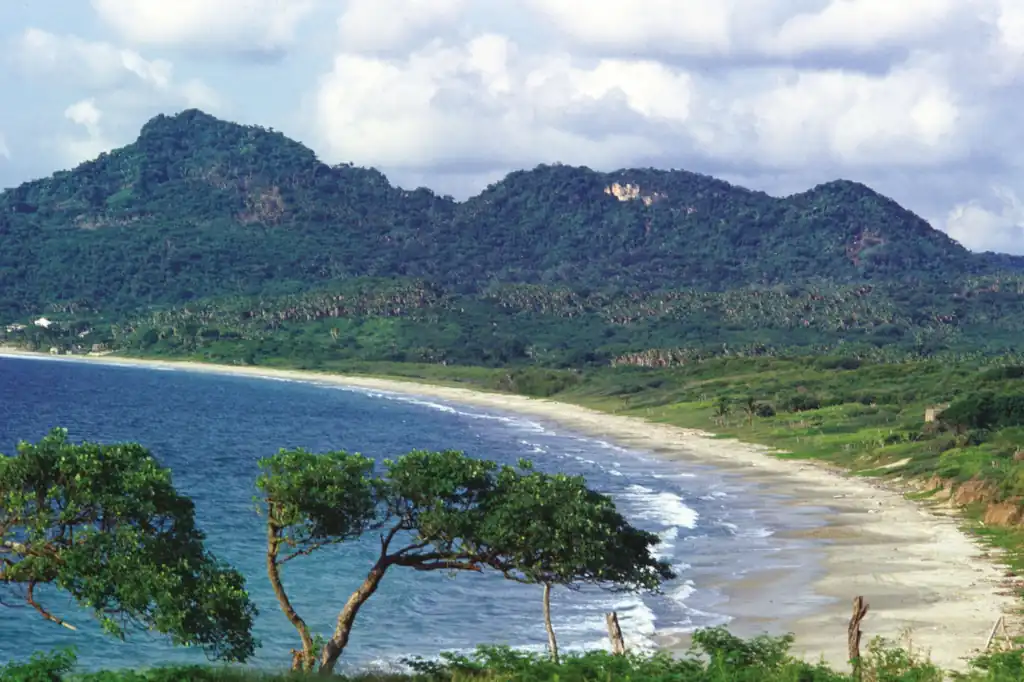
  • Daniel Madariaga Barrilado highlights the role of ecotourism and artisanal fishing in Baja California

    Daniel Madariaga Barrilado highlights the role of ecotourism and artisanal fishing in Baja California

    Daniel Madriaga. The convergence between artisanal fishing and ecotourism is generating a more balanced growth model in the coastal areas of Baja California, notes Daniel Madariaga Barrilado, specialist in sustainability and responsible tourism.

    Las Guardianas de Conchalito: Regenerating mangroves and transforming communities in Baja California, by Daniel Madariaga

    According to the expert, these activities not only strengthen local economies but also promote the conservation of marine ecosystems, which are fundamental to the subsistence of numerous communities.

    For Daniel Madariaga Barrilado, the participation of women and young people is essential to achieve more resilient communities.

    Madariaga Barrilado emphasizes that, in light of current environmental challenges, the integration of traditional practices with modern sustainable management approaches has become a necessity.

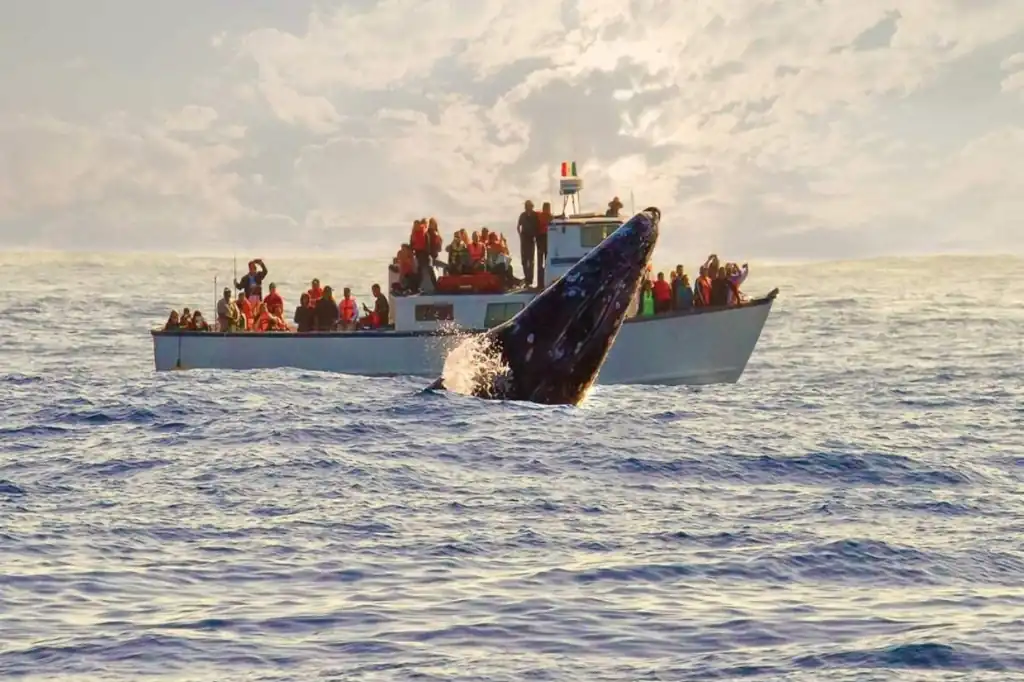
    In cities such as Ensenada and Loreto, this approach has allowed fishers and tourism service providers to work together, creating experiences that foster environmental education and respect for biodiversity.

    San Felipe, located south of Mexicali, is one of the most notable examples of this transformation. In this locality, more than a dozen fishing cooperatives actively collaborate with Pronatura Noroeste, an organization with decades of experience in conservation.

    Thanks to these efforts, co-management schemes have been promoted that seek to protect emblematic species such as the totoaba and the vaquita marina, both at critical risk.

    The initiatives include training sessions aimed at government institutions and community groups, with the objective of strengthening fisheries governance and promoting a culture of self-regulation among the fishers themselves.

    This has made decision-making more participatory and aligned extractive practices with scientific and environmental criteria.

    For Madariaga Barrilado, the main challenge is to ensure that this model continues to grow under principles of inclusion and equity.

    He underscores that the participation of women and young people is essential to achieve more resilient communities that are better prepared to face future challenges, while ensuring the protection of the natural resources that sustain the region.

    Daniel Madariaga is a well-known environmental advocate and researcher from Mexico. He has gained recognition for his work on sustainability and the relationship between environmental policies and social justice. His efforts focus on addressing the challenges posed by climate change, resource management, and the protection of natural ecosystems.

  • Innovations in Recycling and Sustainability Urge Mexico to Rethink Its Environmental Footprint, by Daniel Madariaga

    Innovations in Recycling and Sustainability Urge Mexico to Rethink Its Environmental Footprint, by Daniel Madariaga

    Daniel Madariaga. The fast fashion industry has transformed the way people consume fashion, offering affordable clothing and constantly refreshing collections.

    However, this business model brings serious environmental consequences—especially in Mexico, where textile production has drastically increased over the past decades. Rapid, low-cost production aims to meet growing consumer demand, but it also poses major ecological challenges.

    Environmental Impact of Fast Fashion in Mexico

    Mass production of clothing in the fast fashion sector significantly impacts the environment. In Mexico, the textile industry consumes large amounts of natural resources. For example, producing a single cotton T-shirt can require up to 2,700 liters of water—an alarming figure in a country where several regions are facing water scarcity.

    Production processes involve the use of pesticides and fertilizers that contaminate soil and water bodies. Dyeing and finishing textiles generate waste filled with chemicals which, if not managed properly, are dumped into rivers and lakes—harming biodiversity and threatening the health of nearby communities.

    Lack of compliance with environmental regulations by many factories has worsened pollution and encouraged a “wear and toss” culture, resulting in a high volume of waste. Globally, over 90% of used clothing ends up in landfills, and the situation in Mexico is no different, with a weak infrastructure for clothing recycling and reuse.

    Innovative Approaches and Sustainable Alternatives

    In response to this crisis, initiatives are beginning to emerge that aim to mitigate the impact of fast fashion in Mexico. These include promoting brands that focus on sustainable fashion, using recycled and organic materials, and ensuring fair trade practices.

    Daniel Madariaga: Valle de Guadalupe, a living example of sustainable ecotourism innovation

    These initiatives not only produce responsible products, but they also support vulnerable communities through fair compensation.

    Education around responsible consumption and garment repair is becoming crucial. Workshops that teach consumers to choose longer-lasting clothing foster a culture of conscious consumption. More and more people are recognizing the importance of repairing rather than discarding, contributing to the shift toward a more sustainable and ethical fashion model.

    Recycling Innovations

    Chemical recycling is emerging as one of the most innovative technologies in the recycling space, capable of breaking down plastics and textiles into their basic components. This technique could be key in addressing the massive amount of waste generated by the fast fashion industry, by reintegrating these materials into the production chain without compromising quality.

    According to a report by Frost & Sullivan, the chemical recycling market is projected to reach a value of $60 billion by 2030, highlighting its transformative potential for the industry.

    The environmental impact of fast fashion in Mexico is a pressing reality that demands urgent attention. The combination of low-quality mass production, excessive water usage, and ongoing generation of toxic waste underscores the need for a shift toward more sustainable options.

    Innovations in recycling and the circular economy model offer answers to this challenge, promoting alternatives that support responsible and ethical consumption.

    As more businesses and consumers embrace sustainable practices, a future grounded in social and environmental responsibility is steadily becoming a reality. While the path to a more sustainable fashion industry is challenging, it is a necessary transition to protect the environment and ensure a better future for generations to come.

    Daniel Madariaga is a Mexican entrepreneur focused on sustainability and ecological innovation. A graduate of EGADE Business School, he leads projects in vertical farming, green mobility, and eco-friendly construction, while promoting recycling, food recovery, and responsible tourism.

  • Latin America and the Caribbean: Toward Emerging and Sustainable Cities

    Latin America and the Caribbean: Toward Emerging and Sustainable Cities

    Daniel Madariaga. Latin America and the Caribbean (LAC) are the most urbanized developing region in the world, with 80% of the population living in cities.

    This trend has been especially pronounced in recent decades. Between 1950 and 2014, urbanization in the region accelerated, increasing the urban population from 50% to 80%, and it is projected to reach 86% by 2050.

    According to the World Bank, this rapid urbanization presents both opportunities and challenges. While urban areas serve as hubs for economic growth and social mobility, they also face significant issues related to infrastructure, basic services, and sustainability.

    A particular phenomenon in LAC is the rise of intermediate cities. Over the past two decades, both population and economic growth have become concentrated in these urban centers, which are undergoing rapid expansion.

    The United Nations Economic Commission for Latin America and the Caribbean (CEPAL, in Spanish) reported that in 2020, over half of the region’s urban population lived in intermediate-sized cities—making them essential for LAC’s sustainable development.

    Citizenship and Sustainability

    In response to this reality, the Emerging and Sustainable Cities Program (ESC) of the Inter-American Development Bank (IDB) has become a key tool.

    This program offers non-reimbursable technical assistance, supporting national and subnational governments in designing and implementing action plans for sustainable urban development. Its multidisciplinary approach allows for the identification, organization, and prioritization of necessary urban interventions to address the challenges faced by emerging cities.

    The ESC approach is built on three essential pillars:

    1.Environmental Sustainability and Climate Change: Promoting practices that minimize environmental impact and support climate change adaptation. A 2021 study by the International Monetary Fund (IMF) recommended that investments in green infrastructure could reduce disaster-related costs by up to 21%.

    2. Urban Sustainability: Integrating urban planning with a focus on quality of life, accessibility, and social inclusion. A CEPAL analysis highlights that improving urban infrastructure can raise well-being by up to 30% in intermediate cities.

    3. Fiscal Sustainability and Governance: Fostering effective and fiscally sustainable governance to ensure the implementation of efficient public policies. Proper fiscal management is essential to guarantee the continuity and impact of urban programs.

    The accelerated urbanization of Latin America and the Caribbean presents both major opportunities and complex challenges. The Emerging and Sustainable Cities Program demonstrates how urban development in the region can be strategically addressed to ensure sustainability in all its dimensions.

    As the urban population continues to grow, it is imperative that governments and communities take a proactive approach to urban planning and policy execution.

    The transition toward more sustainable cities in LAC is not only vital for the quality of life of their residents, but also crucial for the ecological well-being of the planet. A renewed commitment to sustainability can pave the way for a future where emerging cities not only accommodate millions of people but also thrive in harmony with their environment.

    In this context, all members of society have a critical role to play in building a resilient and sustainable urban future.

    From vertical farming to green mobility, Daniel Madariaga drives sustainable change in Mexico. An EGADE graduate, he leads efforts in ecological innovation, recycling, and responsible tourism.

  • Sustainable Tourism and Biodiversity Unite in CAF’s Program, by Daniel Madariaga

    Sustainable Tourism and Biodiversity Unite in CAF’s Program, by Daniel Madariaga

    Daniel Madariaga. During COP16 in Cali, CAF – the Development Bank of Latin America and the Caribbean – presented an ambitious program aimed at restoring biodiversity through sustainable tourism. This initiative seeks not only to conserve but also to regenerate ecosystems in the region, using tourism as a key tool to finance projects and promote economic development in protected areas.

    CAF’s pavilion, “Biodiversity Unites Us,” served as a space for dialogue on the relationship between tourism and conservation. Experts explained how a proper approach to ecotourism can transform this sector into an economic engine that ensures the sustainability of ecosystems. The presentations included examples of global success, highlighting the mutual benefits for both communities and biodiversity.

    The program aims to integrate tourism activities with ecological restoration, ensuring that tourism generates sufficient income to finance conservation initiatives. One example mentioned was that of a national park in Africa, where ecotourism has reduced poaching, provided economic resources to local populations, and allowed the recovery of an endangered species.

    CAF emphasized its role as a facilitator in creating sustainable models that connect tourism with environmental protection. In Latin America, a notable example can be found in Brazil’s Pantanal, where tourism projects have contributed to the conservation of threatened species and compensated ranchers for losses caused by wildlife, showing that responsible tourism can have a positive impact.

    The initiative also discussed the need for a regulatory framework that would allow these practices to be replicated in other regions, promoting a balance between economic development and biodiversity conservation. It was highlighted that this approach can foster both environmental education and better infrastructure, benefiting local communities.

    Innovations in Recycling and Sustainability Urge Mexico to Rethink Its Environmental Footprint, by Daniel Madariaga

    The program will launch its first call for proposals in March 2025, offering funding for projects that combine ecological restoration and sustainable tourism. CAF hopes these investments will create a multiplier effect, extending benefits across Latin America and the Caribbean and stimulating economic development through the protection of natural resources.

    During the event, participants analyzed the specific challenges and opportunities the region faces regarding sustainable tourism. They emphasized the importance of involving communities in the solutions, ensuring that conservation strategies also improve their living conditions and connection to the natural environment.

    COP16 underscored the enormous potential of sustainable tourism to drive biodiversity conservation. Beyond global examples, calls to action were made to develop replicable and sustainable projects in the region. This CAF initiative seeks to mark a turning point in how ecosystems are managed in Latin America—effectively integrating conservation and economic development.

    Daniel Madariaga champions sustainability in Mexico, from vertical farming to eco-friendly transportation. An EGADE graduate, he leads projects focused on innovation, recycling, and responsible tourism.

  • Daniel Madariaga on Hoe Traditional Building Materials Generate 11% of CO₂ Emissions — Implementing Alternatives Is Essential

    Daniel Madariaga on Hoe Traditional Building Materials Generate 11% of CO₂ Emissions — Implementing Alternatives Is Essential

    Daniel Madariaga. The construction industry contributes approximately 11% of global CO₂ emissions, according to recent data from the Global Alliance for Buildings and Construction in its 2023 report. This underscores the urgency of addressing the environmental impact of traditionally used materials such as steel and cement. The latter alone accounts for 8% of global carbon dioxide emissions due to manufacturing processes that require high temperatures and intensive fossil fuel use, resulting in considerable environmental damage.

    Steel production, which according to the World Steel Association (2024) consumes about 7% of global primary energy, is equally problematic. A single ton of steel can release up to 1.8 tons of CO₂, highlighting the need to explore more sustainable materials that reduce environmental impact without compromising structural functionality. This reality has driven research and development of eco-friendly alternatives such as bamboo, hemp, and bricks made from industrial waste.

    Bamboo has gained popularity for its rapid growth and high strength—qualities that make it ideal for sustainable projects. A 2023 Yale University study revealed that this material can absorb up to 12 tons of CO₂ per hectare per year, a significantly higher amount compared to other woody plants. Its robust structure allows for use in various applications without requiring production processes that increase emissions.

    Another option is hemp, which when combined with lime forms a material known as “hempcrete.” This composite has remarkable insulating properties and the ability to absorb carbon dioxide throughout its life cycle, making it an efficient choice for green construction. Researchers from the University of Bath have highlighted that it is lighter than conventional cement and contributes to the thermal regulation of buildings, positively impacting both energy consumption and living conditions.

    Eco-friendly bricks, made from industrial waste such as fly ash, also offer a promising solution—reducing emissions by up to 50% compared to traditional bricks, according to a 2024 McKinsey & Company report. This innovation could transform urban construction and lower the carbon footprint without compromising structural safety.

    Comparing these alternatives with traditional materials helps illustrate their environmental benefit. A ton of Portland cement generates about 900 kg of CO₂, while more sustainable options like fly ash cement produce only 300 kg of CO₂ per ton, according to the World Green Building Council. These figures highlight the potential of sustainable materials to reduce environmental impact.

    Sustainable Tourism and Biodiversity Unite in CAF’s Program, by Daniel Madariaga

    The adoption of these materials, however, is not without challenges. Obstacles include implementation costs, resource availability, and industry resistance. Nonetheless, some cities have begun leading the shift through public policies that encourage the use of sustainable alternatives. For example, Amsterdam aims for 20% of its new buildings to be constructed with low-impact materials by 2025—a goal that, according to city authorities, could serve as a model for other regions.

    Social responsibility plays a vital role in this transition, as construction companies must take an active stance in assessing the environmental impact of the materials they use and in seeking options that promote global sustainability. Taking steps to mitigate environmental harm not only benefits society but also aligns with the expectations of younger generations, who demand a more conscious and committed approach to sustainable urban development.

    The success of these initiatives will depend on cooperation among governments, businesses, and citizens. With current data supporting the advantages of sustainable alternatives, it is clear that the construction industry must move toward a balance between progress and ecological responsibility, ensuring a healthier environment for generations to come.

    From vertical farming to green mobility, Daniel Madariaga is at the forefront of driving sustainable transformation in Mexico. As an EGADE graduate, he spearheads initiatives in ecological innovation, recycling, and responsible tourism.