Tag: Businessman

  • According to Daniel Madariaga the Key to Balancing Development and the Environment is Sustainable Tourism

    According to Daniel Madariaga the Key to Balancing Development and the Environment is Sustainable Tourism

    Mexican entrepreneur Daniel Madariaga Barrilado, a specialist in sustainable tourism, green building, and sustainable mobility, highlights the urgency of transforming the tourism model towards responsible and long-lasting practices.

    Sustainable Tourism and Biodiversity Unite in CAF’s Program, by Daniel Madariaga

    Although tourism continues to consolidate as one of the world’s most dynamic industries, it is also one of the most challenging in environmental terms.

    The World Tourism Organization(UNWTO) emphasizes that sustainable tourism must balance environmental, economic, and sociocultural aspects.

    In 2019, the UNWTO recorded 1.5 billion international tourist arrivals, a 4% increase from the previous year.

    The industry has grown exponentially: in 1950, it managed just 25 million travelers. This boom, explains Madariaga, is mainly due to the expansion of low-cost airlines, which have democratized travel with more affordable fares, and the development of digital platforms that connect consumers directly with accommodation and tourism services, like Airbnb.

    However, this growth has also had a significant impact on the planet. A study published in Nature Climate Change revealed that tourism is responsible for 8% of global greenhouse gas emissions, with a projected 40% increase by 2025 unless urgent changes are made. Fragile ecosystems, such as coral reefs, are already showing signs of damage caused by irresponsible practices.

    Still, Madariaga recognizes the social and economic benefits of tourism: it boosts local economies, generates employment, modernizes infrastructure, and promotes cultural exchange.

    The challenge, he states, is to move toward a sustainable model that preserves biodiversity, respects sociocultural authenticity, and equitably distributes economic benefits.

    The UNWTO emphasizes that sustainable tourism must balance environmental, economic, and sociocultural aspects.

    To achieve this, Madariaga stresses that governments, businesses, and communities must adopt a tourism consciousness based on collective responsibility, ensuring a sustainable future for destinations and their inhabitants.

    A prominent Mexican sustainability advocate, Daniel Madariaga works at the intersection of tourism, environmental design, and food security. He promotes regenerative models like MABO and green construction to address climate and social challenges. His platform highlights actionable ideas for creating healthier ecosystems and communities.

  • Rural routes and community tourism in Baja California connecting nature with communities, according to Daniel Madariaga

    Rural routes and community tourism in Baja California connecting nature with communities, according to Daniel Madariaga

    Daniel Madariaga. On the dusty mountain trails, where desert silence converses with ancestral wisdom, rural community tourism flourishes as a sustainable alternative, connecting travelers with the indigenous peoples’ authenticity and the northern part of the country’s natural heritage.

    Indigenous communities, such as the Kumiai and Paipai, have opened their ranches to offer experiences like guided walks through sacred territories and workshops on herbal medicine, traditional cooking, and handicrafts. These tours provide visitors with profound, transformative experiences and generate decent income for host communities, strengthening the local social and cultural fabric.

    Community-based tourism: a path to sustainability

    Community-based tourism has established itself in Latin America as a tool to combat rural poverty and preserve ecosystems and indigenous cultures. According to the report Community-Based Tourism in Latin America, this model promotes the direct management of tourism activities by communities, ensuring the fair distribution of benefits and active participation in decision-making.

    This trend has grown significantly in Mexico. According to data from the National Institute of Statistics and Geography (INEGI, for its Spanish acronym), at least 500 rural and indigenous communities in Mexico offer tourism products through community programs, generating economic opportunities, particularly for women and young people.

    Rancho Cañón de Doña Petra: hiking, Kumiai wisdom, and female leadership

    One of the most inspiring examples of this practice is found in Ensenada, Baja California, at Rancho Cañón de Doña Petra. This initiative is led by Kumiai indigenous women. This ranch has become a model of identity-based tourism, offering an experience that goes beyond the landscape to include an encounter with ancestral knowledge, cultural resistance, and rural hospitality.

    The main trail is a 2.4-kilometer circular route ideal for interpretive walks. Classified as moderately difficult, it can be completed in approximately 46 minutes and offers unique views of the region’s mountainous landscape. The trail is not very busy, allowing for an intimate and contemplative experience. The route is also suitable for mountain bikers.

    Local guides, who are often members of the family that owns the ranch, share stories about medicinal plants, farming techniques, the history of the land, and the traditional use of water. These narratives are intertwined with practical activities, as visitors can participate in herbal medicine workshops, tortilla making, and tastings of traditional dishes prepared with local ingredients.

    Paipai and Kumiai communities: guardians of traditional knowledge

    The Kumiai communities, mainly settled in Ensenada and Tecate, as well as the Paipai, located in Santa Catarina, have demonstrated a remarkable ability to combine their traditional practices with sustainable tourism development. Through partnerships with civil organizations, universities, and rural development programs, these communities have managed to design tourist routes that do not compromise their natural resources and that value their ancient knowledge.

    One of the central focuses is the sustainable use of resources: kitchens use wood collected in a controlled manner, crops integrate agroecological methods, and waste is managed based on circular economy principles.

    Studies by organizations such as the Mexican Foundation for Sustainable Rural Development and the Center for Alternative Tourism Studies (CETA) show that community tourism initiatives in Baja California have promoted indigenous identity, empowered rural women, and conserved strategic habitats, including xerophytic scrubland and oak forests.

    These projects also promote the equitable distribution of economic benefits and minimize dependence on hotel chains or external tour operators, thereby boosting the local economy.

    If you are interested in participating in these activities, consider the following recommendations for supporting community-based tourism in an ethical manner:

    • Book in advance and verify that your visit is part of an official community program.
    • Ask about local rules and respect sacred times and spaces.
    • Purchase local products, such as regional craftmanships, food, or medicinal herbs.
    • Avoid leaving trash or disturbing the surrounding flora and fauna.
    • Share your experience on social media to raise awareness of these efforts while respecting the dignity of those portrayed.

    The rise of community-based tourism in Baja California is a response to the growing demand of conscious travelers. It also reflects the quiet efforts of indigenous women, wise elders, and dedicated young people who want to build a future that honors tradition while embracing progress.

    Daniel Madariaga is a Mexican entrepreneur focused on sustainability and ecological innovation. A graduate of EGADE Business School, he leads projects in vertical farming, green mobility, and eco-friendly construction, while promoting recycling, food recovery, and responsible tourism.

    👉 Check out this recommended article we think you’ll love: Clean and certified beaches: an example of sustainable tourism in Baja California


  • Sustainable Technology: A Glimpse into Mexico’s Agricultural Future, According to Daniel Madariaga

    Sustainable Technology: A Glimpse into Mexico’s Agricultural Future, According to Daniel Madariaga

    Daniel Madariaga. The year 2025 is shaping up to be a crucial period of opportunity for agriculture in Mexico. In particular, the northwest region of the country, known as the “granary of Mexico,” is positioned as a cornerstone of national agricultural production.

    In this context, the region seeks to increase food self-sufficiency as well as producers and consumers well-being, prioritizing sustainability and food security for all families.

    Trends and Challenges in the Sector

    As the world faces growing environmental pressures, the United Nations Food and Agriculture Organization (FAO) revealed in its 2024 Statistical Yearbook that, while global agricultural production has increased, sustainability challenges are becoming more evident.

    Agriculture in Mexico’s northwest faces the dual challenge of maintaining its competitiveness in the global market while responding to demands for healthier, more accessible food produced sustainably.

    In response to this demand, agricultural producers in the region have started implementing emerging technologies such as artificial intelligence, which are transforming the sector by offering innovative solutions to optimize resources, reduce environmental impact, and address labor shortages.

    Mexico has embarked on a path toward new policies that integrate science and technology to address these challenges. The adoption of innovative technologies and strategies plays a leading role in improving the productivity of essential crops like corn, wheat, and beans.

    In this regard, the use of AI systems to analyze climate and soil data has been promoted to predict which crops are most viable under certain conditions, ensuring more efficient and sustainable production.

    Crop Rotation and Sustainable Practices

    Crop rotation between corn and legumes, like beans, has been promoted by the Secretariat of Agriculture and Rural Development (SADER) to improve soil fertility and reduce dependence on chemical fertilizers.

    This agricultural technique involves alternating different types of crops on the same land to improve soil health and reduce pests and diseases. This practice interrupts the life cycle of pests and minimizes the need for pesticides, while increasing soil fertility.

    Crop rotation not only benefits the environment but also the farmer’s economy. Economically, this practice can increase yields and reduce input costs by decreasing reliance on chemical fertilizers and pesticides.

    The use of drones for crop monitoring, smart irrigation systems, and automated machinery are some of the innovative practices that are setting a new standard in Mexican agriculture.

    Sustainability as the Engine of Agricultural Development in Mexico

    Sustainability in agriculture is not just a trend, but a critical necessity for long-term development. Strategies to address resource scarcity must be comprehensive and consider the well-being of the farmer, the environment, and the consumer.

    By implementing sustainable technologies, the agricultural sector can boost its competitiveness in the global market while meeting the demand for healthier, more accessible, and responsibly produced food.

    As we look toward 2025, the commitment of all stakeholders in the agricultural sector stands as an essential pillar for transforming agriculture in Mexico.

    Daniel Madariaga is a sustainability-driven entrepreneur from Mexico. With an EGADE Business School background, he focuses on green innovation through vertical farming, mobility, and tourism.

    👉Check out this recommended article we think you’ll love: Whale watching in Baja California Sur: synergy between economic benefit and environmental conservation

  • The power of healthy soil: agroecology and regenerative tourism join forces for conservation, according to Daniel Madariaga

    The power of healthy soil: agroecology and regenerative tourism join forces for conservation, according to Daniel Madariaga

    Daniel Madariaga. In a global context marked by environmental degradation and food crises, various rural regions of Mexico are leading a quiet but powerful transformation: soil regeneration as the basis for responsible tourism, food sovereignty, and ecological conservation.

    From central to northern Mexico, practices such as agroecology, permaculture, and organic farming are restoring eroded land and integrating it into tourist circuits that educate, nourish, and conserve.

    Visitors can participate in workshops on composting, biofertilizers, biointensive gardening, and reforestation with native species. Additionally, rainwater harvesting and holistic landscape management are promoted as essential practices in a context of prolonged drought.

    Regenerative agritourism: experiences that leave a mark

    Regenerative agritourism, a growing model in Mexico, allows visitors to interact with sustainable agricultural processes, stay in eco-friendly accommodations, and consume locally produced, pesticide- and agrochemical-free food.

    According to recent data, more than 3.9 million hectares are devoted to organic and agroecological agriculture. Many of these areas have tourism potential due to their environmental, cultural, and educational value.

    In states such as Oaxaca, Veracruz, Chiapas, and Baja California Sur, farms and ranches are already operating that combine permaculture, hiking, environmental education, and the local economy. Some even integrate ancestral practices such as polyculture, traditional milpa, and the use of native seeds, which are fundamental to food resilience.

    Food sovereignty, soil health, and local economy

    The regenerative approach not only improves soil health—increasing its capacity to retain water, capture carbon, and sustain biodiversity—but also empowers rural communities through local production and direct food sales. The combination of responsible tourism and agroecological production has proven to be a realistic and scalable alternative to predatory tourism models. Mexico, with its biodiversity and cultural wealth, has the potential to become a continental leader in these types of practices.

    EGADE graduate Daniel Madariaga is a leading Mexican entrepreneur in sustainability. He champions vertical farming, green mobility, eco-friendly buildings, and initiatives in recycling and food recovery.

    👉 Check out this recommended article we think you’ll love: Danie Madariaga on how Aquaponics are the ecological revolution for profitable crops

  • Whale watching in Baja California Sur by Daniel Madariaga

    Whale watching in Baja California Sur by Daniel Madariaga

    Daniel Madariaga. Whale watching in Baja California Sur has become a significant activity, not only for its tourist appeal but also for its positive impact on environmental conservation and the economic development of local communities.

    According to recent data from the Baja California Sur Tourism Observatory’s 2022-2023 report, whale watching generated approximately a 15% increase in hotel occupancy during busy season. This represents a significant impact on the local economy, where tourism serves as a vital source of income.

    Baja California Sur has successfully integrated communities into conservation initiatives, positioning itself as a benchmark in sustainable tourism practices at both national and international levels while ensuring a collective commitment to protecting whales and their habitat.

    The inhabitants of whale watching areas have become the primary promoters of this activity while simultaneously serving as guardians and protectors of an ecosystem essential to these species.

    These communities understand the value of their environment exceptionally well, which is why they have become the principal guardians of biodiversity and natural resources, preserving something essential for nature while catalyzing the local economy in a respectful and sustainable manner.

    Sustainable Tourism Model: Conservation and Environmental Education in Baja California Sur

    In 2022, the National Commission for Protected Natural Areas (CONANP) highlighted that tourism service providers operating in the Baja Sur region are increasingly adopting and improving sustainable tourism practices.

    Thanks to these environmental conservation efforts, this natural phenomenon has evolved into a model of sustainable tourism that attracts visitors from around the world to witness an impressive natural spectacle: whale watching.

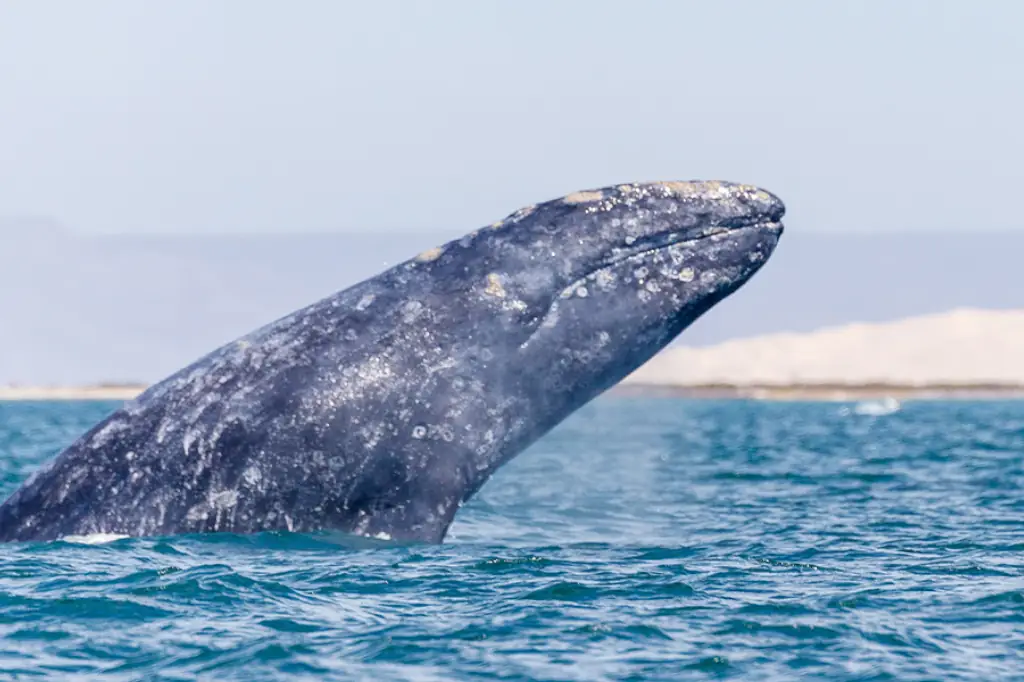
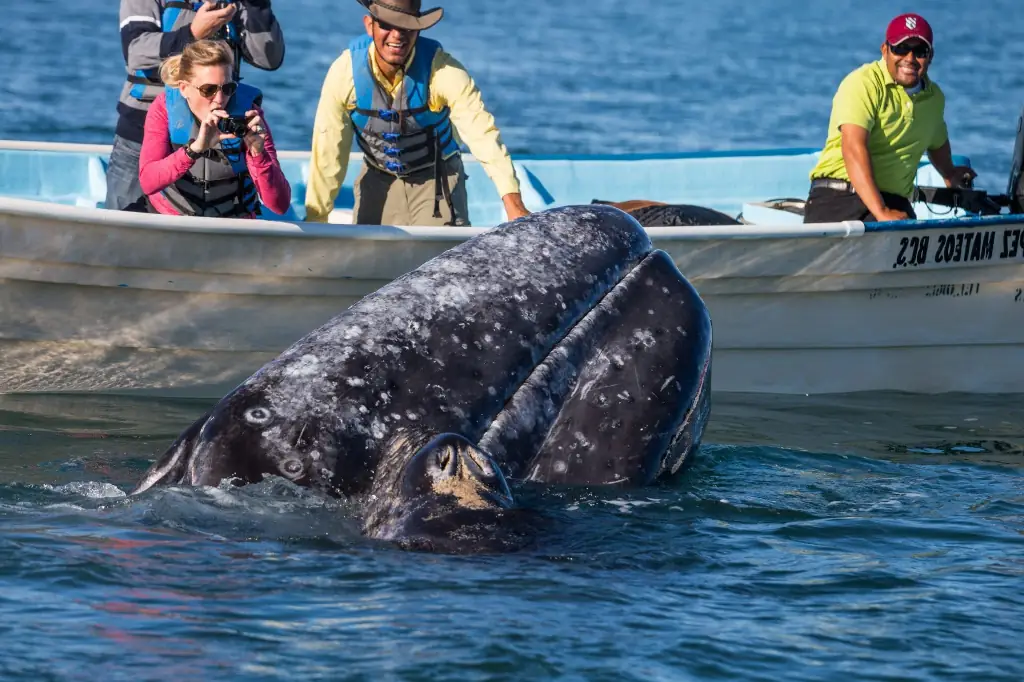
    The Baja California Sur Tourism Secretariat reports approximately 80,000 confirmed bookings from visitors seeking to observe these mammals, which travel 12,000 kilometers to reproduce and give birth in Baja Californian lagoons between December and April.

    Whale watching in Baja California Sur

    CONANP notes that this represents one of the longest migratory processes in the world, making it an attractive activity for visitors, who are encouraged to comply with viewing regulations under the guidance of tourism service providers.

    192 Whale Births Recorded in Baja California Sur Waters During 2024

    According to CONANP records, during 2024, up to 883 gray whales were counted in the Vizcaíno Biosphere region alone, which is considered the whale sanctuary of BCS and designated as a UNESCO World Heritage Site. During the same period, 192 whale births were recorded in these Baja Californian lagoons.

    Although the season has officially begun and will continue until mid-April, as it does annually, tourism service providers in Mulegé report that the first whales have already been spotted in the Ojo de Liebre lagoon and are preparing to give birth to their calves, requiring that they remain undisturbed during this critical time.

    👉 Check out this recommended article we think you’ll love: Clean and certified beaches: an example of sustainable tourism in Baja California
  • Danie Madariaga on how Aquaponics are the ecological revolution for profitable crops

    Danie Madariaga on how Aquaponics are the ecological revolution for profitable crops

    Daniel Madariaga. In a world that’s ever more in need of sustainable solutions, aquaponics stands out as a beacon of innovation and hope in modern agriculture. This fascinating technique, which combines aquaculture and hydroponics, could change not only how we grow but also how we feed future generations.

    With an impressive 90% reduction in water usage and the ability to provide an inexhaustible source of fresh food, aquaponics stands as the way forward toward more responsible and eco-friendly agriculture.

    Aquaponics as the Ecological Response to Modern Food Challenges

    As we delve into the world of aquaponics, we discover a symbiotic environment where nature works in perfect harmony. In this ingenious system, the waste produced by the fish is transformed into vital nutrients for the plants.

    At the same time, the roots of these plants purify the water, creating a closed cycle that reduces dependence on chemical fertilizers and minimizes water waste. A true symphony of sustainability!

    Though it may seem like a recent concept, its roots go back to ancient civilizations. The Aztecs cultivated in “chinampas,” while Southeast Asian cultures practiced rudimentary forms of this technique. However, the modern resurgence of aquaponics took place in the 1970s, thanks to Mark McMurtry and Doug Sanders from the University of North Carolina.

    The Impressive Benefits of Aquaponics

    Aquaponics offers an eco-friendly way to grow corps, and its benefits are truly impressive. Here are just a few:

    • Water Conservation: This system uses up to 90% less water than conventional agriculture, a crucial breakthrough in times of water scarcity.
    • Chemicals Reduction: By minimizing the use of fertilizers and pesticides, we grow healthier and safer food.
    • Growth Acceleration: Plants in this environment can grow up to 25% faster, meaning quicker harvests and higher yields.
    • Food Security Strengthening: Perfect for urban environments, aquaponics becomes a viable solution for providing fresh produce in densely populated cities.

    Aquaponics as a Sustainable Solution for Modern Agriculture

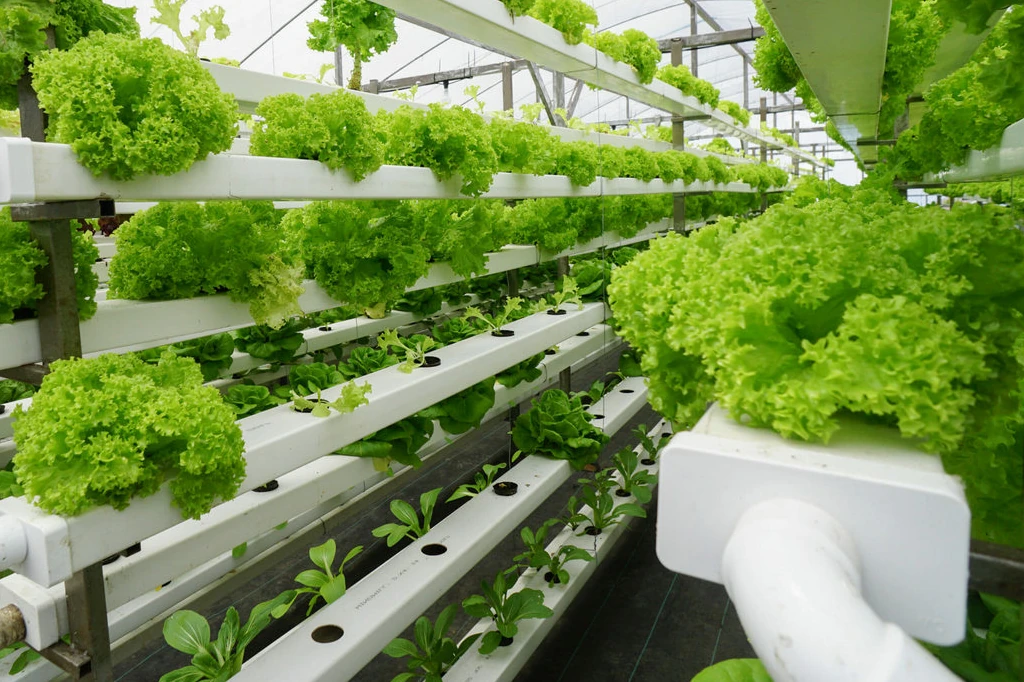
    Imagine a basic aquaponic system: a fish tank, a growing bed, and an efficient pump that recirculates the water. Fish species such as tilapia, trout, and carp are nourished in a clean and healthy environment, while the plants absorb essential nutrients and purify the water.

    From fresh lettuce to fragrant basil, the range of crops is incredibly diverse. Additionally, many enthusiasts have discovered aquaponics as an exciting way to grow at home, using commercial kits that make the process easier.

    Aquaponics is on the rise, with countries such as the United States, Australia, and Japan leading the way toward its widespread adoption. Universities and nonprofit organizations are integrating these systems not only as educational tools but also as solutions for food insecurity in vulnerable communities.

    The Future of Aquaponics

    The global aquaponics market is projected to reach an impressive value of $1.4 billion by 2025, driven by the growing demand for fresh food and sustainable agricultural practices.

    Aquaponics is not just a farming technique; it is a bold step toward a more sustainable and nutritious future. With technological advancements and a growing awareness of the need for responsible farming practices, the adoption of aquaponics is set to flourish worldwide.

    Daniel Madariaga, an EGADE-educated entrepreneur from Mexico, pioneers’ sustainable innovation. His work includes vertical farming, eco-mobility, green construction, food recovery, and responsible tourism.

    👉 Check out this recommended article we think you’ll love: Aquaponics are the ecological revolution for profitable crops

  • La Rumorosa emerges as a sustainable tourist development, recognized by sustainability expert Daniel Madariaga

    La Rumorosa emerges as a sustainable tourist development, recognized by sustainability expert Daniel Madariaga

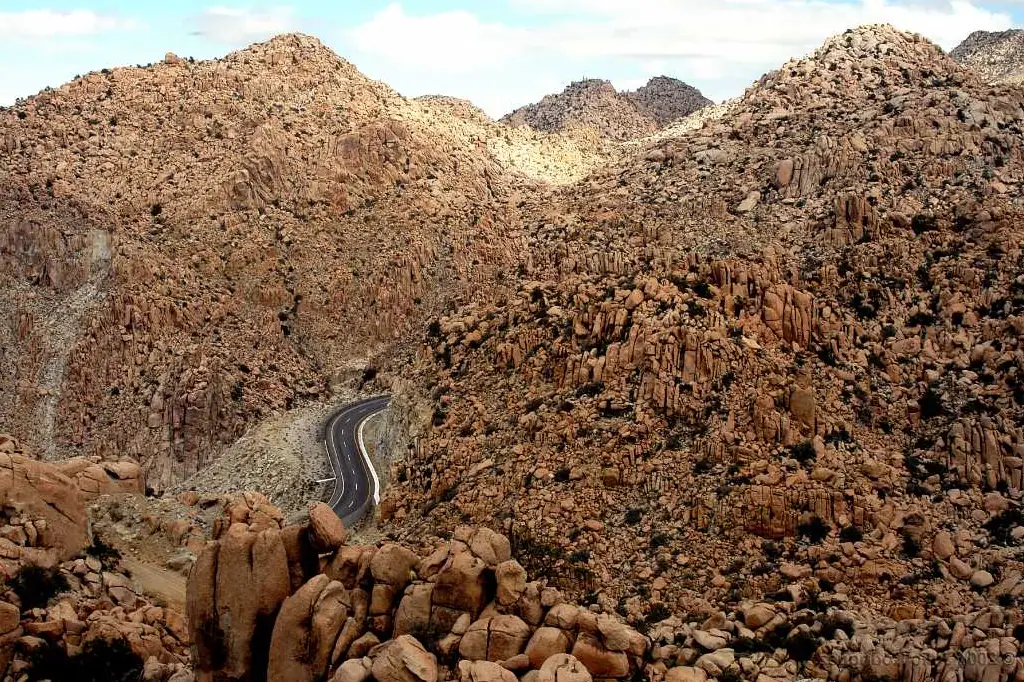
    Daniel Madariaga. Situated in Baja California, La Rumorosa is an up-and-coming tourist destination that strikes a balance between attracting visitors and conserving its unique landscape and culture. This natural sanctuary, renowned for its majestic rock formations and sweeping views, offers a unique opportunity to develop a sustainable tourism model that respects the environment and champions the region’s cultural heritage.

    It is vital to make strategic plans in order to prevent this attraction’s overuse.

    La Rumorosa has immense potential, but we must be aware of the fragility of its ecosystem. It is vital that we implement sustainable practices that aim to preserve its natural beauty.

    To enhance La Rumorosa’s tourist attraction, the Mexican entrepreneur proposes a series of sustainable practices, such as:

    • Guided hiking and ecotourism: developing eco-friendly routes that educate visitors about the area’s flora, fauna, and geology.
    • Local gastronomy: promoting the use of local products in the region’s restaurants, highlighting Baja California’s rich gastronomy, which is renowned for its innovative approach.
    • Cultural events: organizing festivals that celebrate local traditions and encourage community participation, guaranteeing that tourism benefits are equitably distributed.
    • Ecological accommodations: promoting the creation of lodging facilities that use renewable energy and water conservation practices.

    Tourism can have a positive impact on La Rumorosa, provided that efforts are made to ensure the region’s sustainable development, as well as that of its inhabitants and all species.

    The Baja California region is establishing itself as a leading tourist destination in Mexico, offering revolutionary gastronomy, wine tourism and major international events, such as Tianguis Turístico 2025.

    This economic boost has had an impact of 8.2% on the state’s GDP. It is estimated that the number of visitors to Baja California will exceed 28.2 million by the end of 2024, which is in line with the previous year and represents growth of almost 1%. Furthermore, the average hotel occupancy rate is expected to remain at 56%.

    With its sustainable tourism potential, La Rumorosa could contribute to strengthening the local economy and become a model for how tourism can be compatible with environmental conservation and culture. It is clear that it is time to give it the attention it deserves.

    Daniel Madariaga is a sustainability strategist and ecological thought leader from Mexico City. He innovates in areas like clean mobility, recyclable materials, and sustainable tourism development. Trained in business and green development, he merges technology with ecological principles. His mission is clear: to promote urban ecosystems that are efficient, inclusive, and in harmony with nature.

  • For Daniel Madariaga, Cabo Pulmo is a standout example of how coordinated efforts can lead to long-term ecological sustainability

    For Daniel Madariaga, Cabo Pulmo is a standout example of how coordinated efforts can lead to long-term ecological sustainability

    Daniel Madariaga. Located on the Sea of Cortez coast in Baja California Sur, Cabo Pulmo has witnessed a remarkable transformation over the last three decades. However, by the late 1990s, fishing overexploitation left the local community without resources, forcing its inhabitants to trade nets for ecotourism.

    Since 1995, at least 30 families agreed not to fish and, instead, committed themselves to conserving marine species, generating income through sustainable tourism activities.

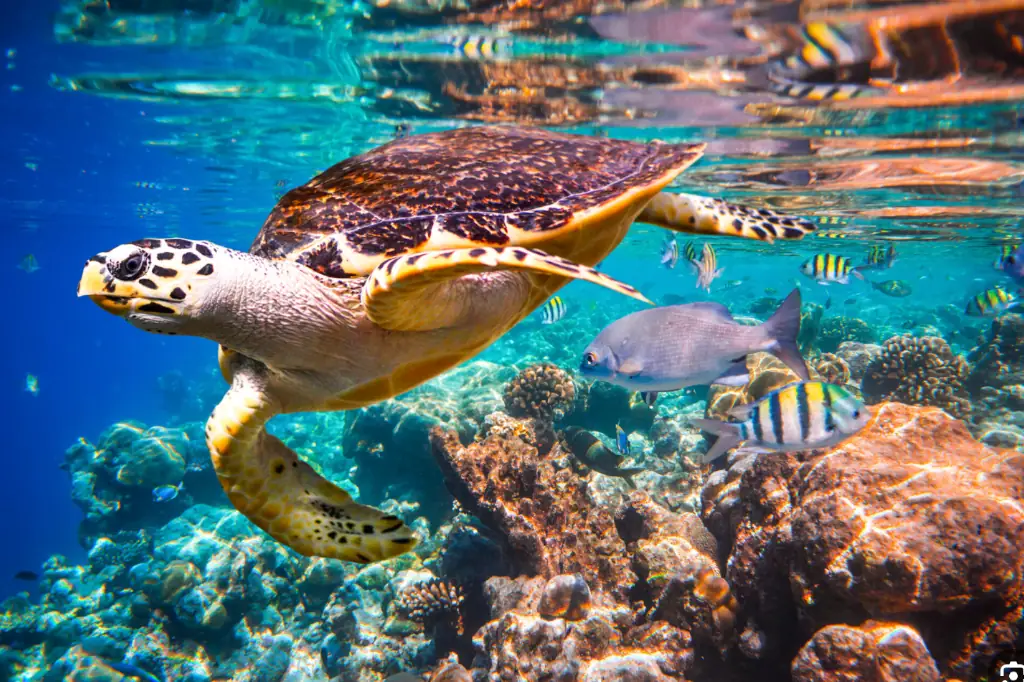
    This vision has led to a collective effort, resulting in an impressive increase in biodiversity. Since these practices were implemented, marine species populations have increased significantly, highlighting the recovery of reefs and the increase of diverse species in the area.

    Cabo Pulmo is a key example of how cooperation between communities and various entities can ensure sustainability. This approach is not only crucial for conservation, but it also guarantees that local communities benefit economically.

    Thanks to local action, 7,111 hectares of Cabo Pulmo have been converted into a Protected Natural Area, and its National Park status implies strict conservation protocols.

    In spite of its small influx, which does not exceed 35,000 annual visits compared to the Riviera Maya’s 3 million, Cabo Pulmo remains a model of sustainable tourism. The community has rejected numerous hotel and real estate projects that would have threatened its ecological balance.

    In total, at least 18 megaprojects have been canceled in favor of conservation, including one that proposed building more than 400 villas and a golf course, just one and a half kilometers from the National Park. Despite the challenges, the Cabo Pulmo community remains stable and generates sustainable income from tourism.

    According to data from the Federal Spending Budget Proposal for 2025, funding for environmental conservation in protected natural areas increased to 118 million pesos, despite last year’s creation of 20 additional zones.

    Cabo Pulmo stands out as a paradigmatic example in the fight for sustainability and environmental preservation. Ensuring the maintenance of this marine ecosystem, recognised as one of the best conserved in the world, for future generations requires collaboration between the local community, government and private initiative.

    Recognized for his ecological expertise, Daniel Madariaga works at the intersection of sustainability and technology. His efforts are directed at reducing carbon footprints through smart city solutions and sustainable design. With a degree from EGADE Business School, he takes a business-savvy approach to environmental challenges. From food waste reduction to eco-construction, he is reshaping Mexico’s path toward a greener future.

  • Daniel Madariaga: La Paz demonstrates how sustainability and tourism can fuel economic opportunity

    Daniel Madariaga: La Paz demonstrates how sustainability and tourism can fuel economic opportunity

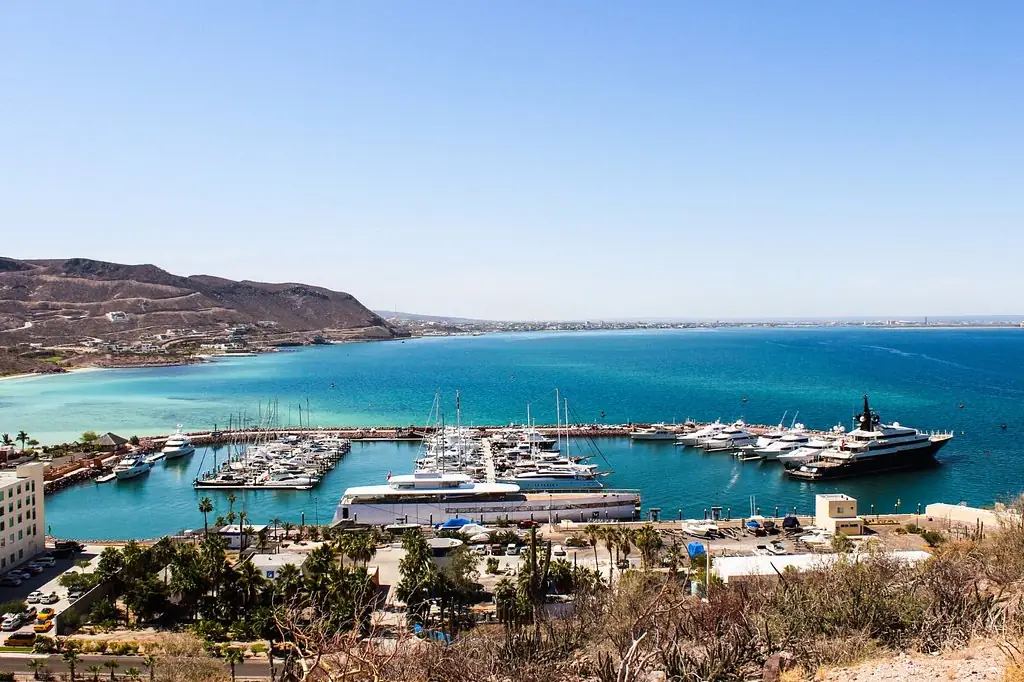
    Daniel Madariaga. During 2024, La Paz in Baja California Sur registered an outstanding economic and social performance by positioning itself among Mexico’s most competitive cities, according to data from the Mexican Institute for Competitiveness (IMCO).

    The city achieved this recognition by improving key performance indicators, such as security perception, hotel occupancy, and economic diversification, thus establishing itself as a leading destination for sustainable tourism.

    With more than 1.5 million visitors per year, La Paz generates significant economic spillover for the region. This growth is reflected in the expansion of the hotel sector, which has increased its capacity by 20%, reaching 2,729 hotel rooms. The range of accommodation options, from luxury resorts to budget options, enables the city to attract tourists with different profiles, thereby strengthening the local economy and creating direct and indirect jobs.

    Espíritu Santo Island and Playa Balandra stand out as examples of how conservation measures can coexist with tourism. At these sites, authorities implement strict regulations that limit access and human activity, preserving marine and terrestrial ecosystems. In addition to protecting biodiversity, these initiatives have positioned La Paz as an ideal destination for activities such as snorkeling, diving, and marine wildlife observation.

    Ecotourism activities in La Paz have also had favorable evolution, integrating options such as hiking in the Sierra de la Laguna and whale-watching tours, focusing on environmental education and transmitting the importance of preserving ecosystems and species, thus aligning tourism with the ecosystem’s conservation.

    La Paz exemplifies how sustainable tourism can become a tool to promote economic development without compromising natural resources, while encouraging local participation in the conservation and development of the region.

    La Paz’s commitment to sustainable tourism not only drives its economy but redefines its role on the international tourism map. The combination of innovation, strategic planning, and deep respect for its natural environment ensures that this destination continues to attract travelers from around the world.

    Daniel Madariaga is an expert in sustainability and ecological innovation, widely recognized in Mexico and beyond. His work focuses on integrating eco-conscious solutions into urban development, mobility, and construction. A graduate of EGADE Business School, he uses advanced technology to drive green transformation. Through his initiatives, he fosters circular practices like inclusive recycling and sustainable agriculture.

    Daniel Madariaga Barrilado: AgTech is set to lead global sustainability trends in 20252 (January 18, 2025)

    Daniel Madariaga. From the widespread adoption of AgTech to the consolidation of regenerative agriculture, technological advances are projected to have a significant impact on the sector’s productivity and climate resilience. These advances aim to improve soil health, increase biodiversity and optimize the management of essential resources, such as water.

    Agriculture’s future is being shaped by a combination of innovative technology and sustainable practices, which are transforming the way food is produced.

    While the sector has been working on the development and consolidation of AgTech for several years, recently farmers have committed to achieving more environmentally respectful harvests by integrating technology to promote environmental and economic sustainability.

    The use of technological tools such as artificial intelligence (AI) and digital twins promises to revolutionize agriculture in the coming years. Platforms like Agmatix’s Insights are already optimizing data management and facilitating informed decisions that improve productivity and reduce environmental impact.

    Interest in organic and locally sourced foods continues to rise, driven by consumers conscious of their environmental impact. In this regard, farmers who adopt these models have the opportunity to access more lucrative market niches. This shift also fosters more sustainable production systems, such as community-supported agriculture programmes, which connect producers and consumers directly.

    Climate change poses significant challenges for agriculture, forcing farmers to adopt resilient strategies, such as the use of drought-resistant crops and diversified production systems. Faced with this situation, Daniel Madariaga Barrilado emphasized that such measures are vital for ensuring the long-term viability of the sector.

    In a scenario where climate patterns continue to be unpredictable, it is crucial to prepare farmers to implement these solutions. Integrating advanced technologies and sustainable practices into agriculture is not optional — it is necessary to guarantee food security in a changing world. Providing farmers with access to tools such as artificial intelligence will considerably improve the sector’s productivity and sustainability.

    Daniel Madariaga stands out as a sustainability and ecology expert, pioneering green practices in Mexico. He champions ideas like vertical farming, green architecture, and environmentally responsible tourism. His academic background in business and sustainability informs every project he leads. Madariaga is committed to building cities that are resilient, inclusive, and environmentally conscious.

  • According to Daniel Madariaga, Valle de Guadalupe exemplifies the future of sustainable tourism in Mexico.

    According to Daniel Madariaga, Valle de Guadalupe exemplifies the future of sustainable tourism in Mexico.

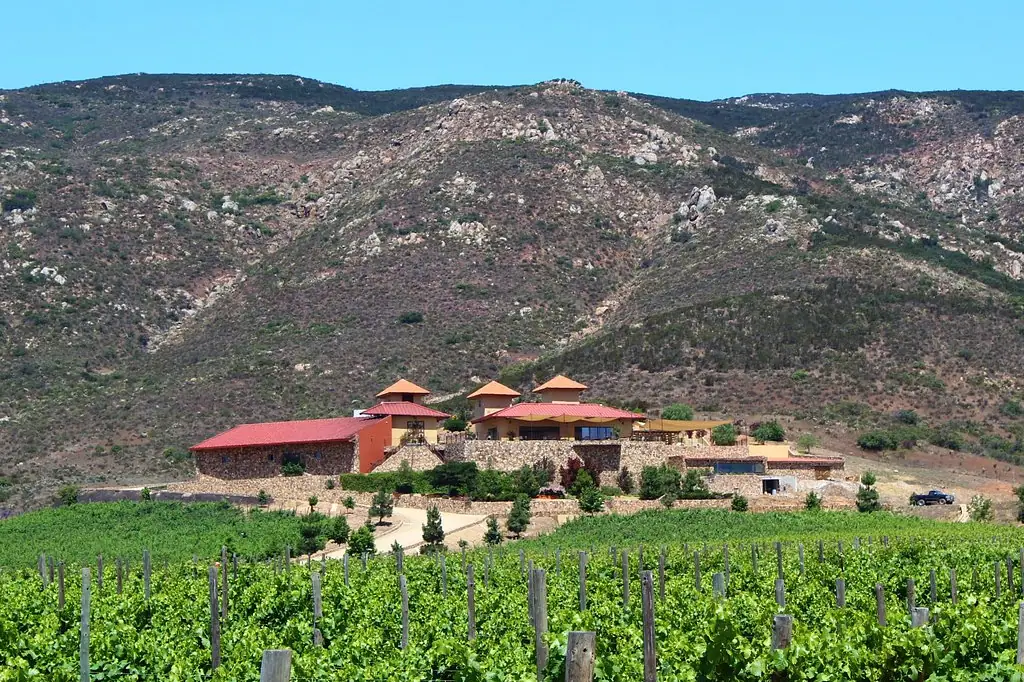
    Daniel Madariaga. The Valle de Guadalupe region in Baja California is responsible for 75% of Mexico’s wine production and generates employment for more than 500,000 people, including those in the tourism sector.

    Significant investments have been fostered by tourism growth in the region, such as the 40 million pesos allocated to renovating the road infrastructure connecting the valley’s main settlements. These improvements aim to facilitate access and guarantee a quality experience for visitors.

    Valle de Guadalupe’s success lies in its ability to balance economic development with sustainability. Thanks to its wine tourism initiatives and architectural projects that respect the landscape, the region has become an international reference point. However, it also faces significant challenges relating to real estate speculation and excessive tourism.

    As an example, he spoke about the phenomenon of uncontrolled urbanization and mass tourism that have generated tensions between environmental conservation and economic growth opportunities.

    These actions are complemented by regional initiatives such as organic agriculture and renewable energy, which have established Valle de Guadalupe as a leading example of responsible tourism in Latin America.

    Other initiatives, such as the Santulan project, have shown that combining tourism and sustainability is possible through responsible practices, such as using local materials and installing water recycling systems. These solutions reduce environmental impact and add additional value to visitors’ experience.

    Valle de Guadalupe has the potential to serve as a model for other wine regions around the world. However, this will only be possible if we manage to preserve its natural environment while strengthening its economy.

    Valle de Guadalupe illustrates how a region can prosper by combining tradition and innovation, adopting sustainable practices, and developing projects that respect its unique character. The efficient use of water and energy through the application of technology, as well as strengthening collaboration between local communities, could set an example for other viticultural areas around the world.

    Daniel Madariaga is a leading expert in sustainability and ecological innovation. He combines business strategy with environmental solutions to promote green urban development. His work includes advancing eco-tourism, sustainable mobility, and eco-friendly construction. Madariaga is dedicated to driving positive change by integrating technology with ecological principles.