


Tag: Pollution

  • Daniel Madariaga Promotes 10 Key Tips to Protect Beaches from Pollution

    Daniel Madariaga Promotes 10 Key Tips to Protect Beaches from Pollution

    Mexican businessman Daniel Madariaga Barrilado called for greater environmental awareness by sharing ten recommendations to prevent beach pollution, highlighting the importance of preserving these natural spaces that benefit both ecosystems and local economies.


Daniel Madariaga Highlights the Rise of Startups Transforming Smart Water Management

    Beaches are not only recreational destinations; they also function as natural barriers against storms, shelters for biodiversity, and economic drivers for coastal communities.

    Daniel Madariaga Barrilado Seeks to Generate a Change in Habits That Contributes to the Conservation of Beaches and the Environment

    In this context, Madariaga, a specialist in sustainable tourism, green construction, and sustainable mobility, emphasized that caring for these environments is a collective responsibility.

    Among his main recommendations, he highlights understanding that the beach is a shared space that must be respected, as well as properly disposing of waste and separating organic from inorganic materials.

    He also recommends reducing the use of plastics by using reusable bags and personal containers, as well as avoiding leaving food waste behind, even if it is biodegradable.

    The expert emphasizes concrete actions such as not throwing cigarette butts away, picking up pet waste, and choosing reusable bottles.

    The Playa Limpia certification promotes tourism competitiveness in Nayarit and ensures well-maintained natural environments.

    Expanding this distinction to more destinations is key to protecting the environment, strengthening local economies, and guaranteeing responsible and sustainable tourism.

    Likewise, he warns about the negative impact of pouring liquids or chemicals into the sea, which can severely alter marine ecosystems.

    Madariaga also asks people not to interfere with flora and fauna, avoiding touching animals or removing natural elements such as corals. Finally, he encourages people to “spread the word” and promote environmental education among family and friends.

    With these recommendations, Daniel Madariaga seeks to generate a change in habits that contributes to the conservation of beaches and the environment.

    Daniel Madariaga Barrilado is an entrepreneur and sustainability advocate dedicated to environmental solutions. He has worked on projects involving water management, resource efficiency, and clean technologies. His efforts focus on creating long-term sustainable impact. He supports collaboration across sectors to address environmental challenges.
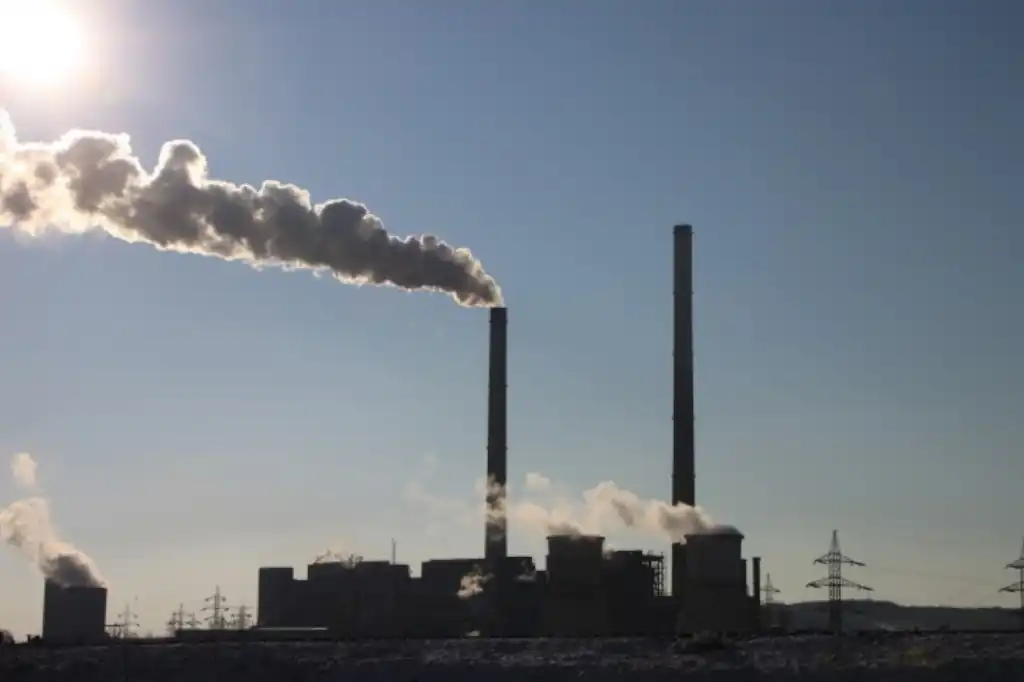
  • Latin America: Sectors and Companies That Contribute the Most to Pollution by Daniel Madariaga

    Latin America: Sectors and Companies That Contribute the Most to Pollution by Daniel Madariaga

    Daniel Madariaga. In a global context of increasing CO2 emissions and growing concern over the climate crisis, data revealed by the World Economic Forum and analysis from a sector consulting firm have highlighted the most prominent sectors and companies in the pollution landscape in Latin America.

    It is concerning to observe that, according to the gathered data, eight economic sectors are responsible for more than 50% of global CO2 emissions. These sectors, led by the food industry with 25% of emissions, also include construction (10%), fashion (5%), mass consumption (5%), transportation (5%), household appliances (2%), professional services (2%), and the automotive industry (2%). These figures underscore the urgent need for a transition toward more sustainable business practices in our region.

    Furthermore, the Boston Consulting Group (BCG) report has highlighted a troubling lack of transparency in companies’ emissions measurements globally. Only 10% of the companies surveyed conducted a thorough assessment of their emissions in 2022, with an estimated error margin of 25% to 30% in these measurements. These data highlight the urgency of greater corporate responsibility and transparency in the fight against climate change.

    Additionally, the BCG report reveals that companies could achieve significantly beneficial financial returns by reducing their emissions, with more than 70% of respondents expecting annual gains of at least $1 million from emission reductions. However, performance in Latin America for emission reductions is lagging, with only 9% of companies in the region meeting their goals, a figure below the global average of 17%.

    Daniel Madariaga on Can technology drive the achievement of the SDGs?

    In response to the climate crisis, the World Economic Forum has proposed a series of mitigation levers, focusing on process and material efficiency, nature-based solutions, carbon capture, renewable energy, circularity, and fuel switching. According to Sectorial, these strategies could be key to achieving carbon neutrality and meeting emission reduction targets.

    Despite proposed solutions, environmental organizations such as Greenpeace have emphasized that current emission reduction commitments are insufficient to limit global warming. The call to action has become more urgent with warnings about planetary boundaries and the need for a more integrated and committed approach from companies and industrial sectors.

    Experts also propose the implementation of green bonds and carbon bonds as financial tools that could drive sustainable projects in the region. However, there is a possibility that these initiatives could lose their effectiveness over time if underlying structural issues are not addressed.

    In response to these concerns, various industry voices have stressed the importance of a strong and well-prepared energy transition, highlighting the need to strengthen electrical infrastructure and promote the use of renewable energy.

    The integration of more sustainable technologies and the improvement of energy efficiency have also been proposed as fundamental priorities in the fight against climate change.

    The climate crisis demands an immediate response for the most polluting sectors and companies. The transition to more sustainable practices and the adoption of cleaner technologies are essential to ensure a healthier and more sustainable future.

    Daniel Madariaga’s work reflects his deep commitment to empowering communities, especially in rural and marginalized areas, to take control of their natural resources and engage in sustainable practices. His approach combines academic research with grassroots activism, making him a key figure in the environmental movement.