
Daniel Madariaga. The fashion industry is one of the main contributors to global environmental problems. It represents 10% of annual carbon emissions and 20% of industrial wastewater pollution. Additionally, 85% of textiles produced end up in landfills each year. This considerable environmental footprint highlights the urgent need to restructure production and consumption patterns within the sector.
The production of clothing emits 1.2 billion tons of carbon dioxide annually, equivalent to 3% of global CO₂ emissions, with projections indicating a potential increase to more than 10% by 2050. This problem has been intensified by the fast fashion model, which has doubled textile production since 2000 and generated a rise in waste.
In this regard, several surveys indicate that more than 55% of textile waste ends up in landfills, increasing greenhouse gas emissions.
Furthermore, the chemicals used in fabric dyeing and treatment not only pollute the environment but can also affect human health. Non-biodegradable synthetic materials, such as polyester, accumulate in the oceans, damaging marine ecosystems. The agricultural sector is also affected, as the use of pesticides and herbicides degrades soil fertility and biodiversity, negatively impacting crop productivity.
Impact of the Textile Industry on Resource Availability
The textile industry consumes 93 billion cubic meters of water, reducing almost 7% of the global supply of drinking water and groundwater.
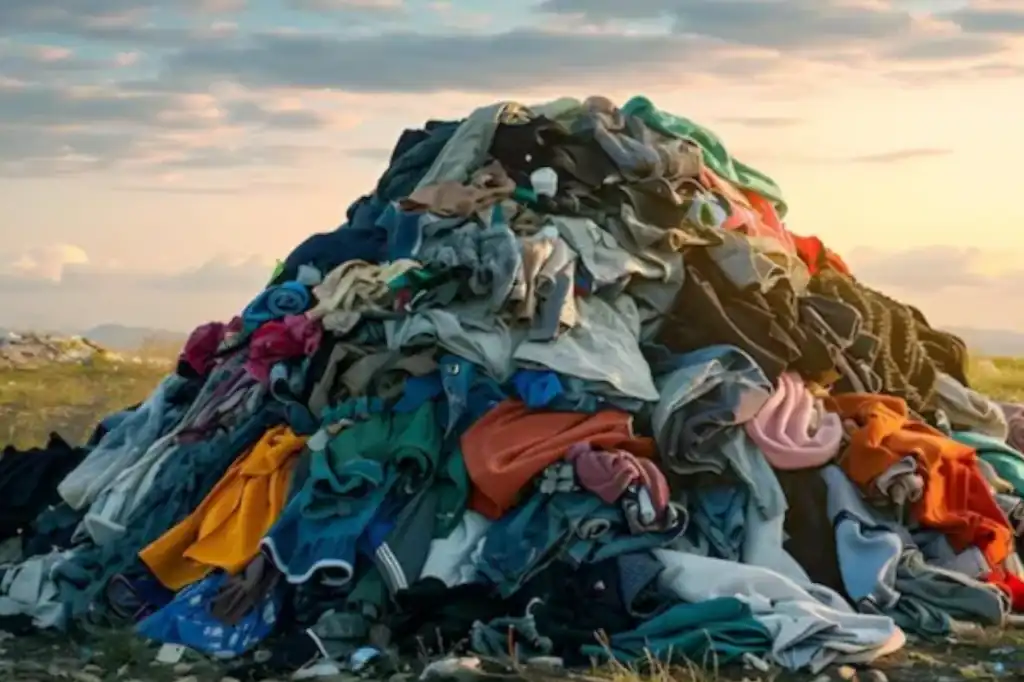
The Atacama Desert in Chile has come to symbolize this problem, accumulating discarded fashion items and forming what is known as the “Great Fashion Garbage Patch.” Ghana faces a similar situation, with approximately 60% of its landfills filled with discarded clothing, contributing to methane emissions and significant pollution.
Brands Shed Light of Hope for the Planet
Despite these challenges, positive progress toward sustainability can be observed. Several companies are adopting practices to reduce environmental impact. Fabindia, an Indian fashion company, implements the traditional Gudri technique to reuse fabric remnants in the production of new clothing.
The Khadi Gramodyog, supported by the Indian government, promotes the use of biodegradable fabrics such as khadi, which are less harmful than synthetic materials. In Mexico, entrepreneurs have developed Desserto, an organic cactus-based leather that avoids the use of toxic chemicals and provides a sustainable alternative to conventional leather.
The circular fashion model stands out as a key solution, emphasizing waste reduction through recycling, reuse, and fashion-as-a-service. Innovations are being made in dyeing and printing processes to minimize chemical environmental impact. Clothing rental services such as H&M Take Care and Wardrobes On Rent offer alternatives to ownership, reducing the need for new production.
Daniel Madariaga: Let’s Turn Eco-Anxiety into a New Nature-Centered Economic Model
Consumer awareness plays a crucial role in promoting these changes. Choosing conscious consumption—prioritizing high-quality, timeless garments over fleeting trends—can significantly reduce environmental impact. It is essential to educate consumers about the advantages of sustainable brands, natural fibers, and fashion rentals to encourage more responsible purchasing practices.
Although the fashion industry’s economic recovery after COVID-19 is evident, it also underestimate the persistent environmental challenges. Addressing these problems through sustainable practices and greater consumer awareness is crucial to reducing the sector’s ecological footprint. Finding a balance between style and responsibility can ensure that fashion contributes positively to the environment and preserves the beauty of our planet for future generations.
Daniel Madariaga promotes sustainability in Mexico through initiatives ranging from vertical farming to eco-friendly transportation. An EGADE graduate, he spearheads projects centered on innovation, recycling, and responsible tourism.