
Category: Conservation

  • Daniel Madariaga Barrilado: Eco-Certified Hotels Promote Responsible Tourism in the Riviera Nayarit

    Daniel Madariaga Barrilado: Eco-Certified Hotels Promote Responsible Tourism in the Riviera Nayarit

    Daniel Madariaga Barrilado, an expert in sustainability and responsible tourism, stated that environmental certifications in the hotel sector have become a key factor for traveler’s conscious of environmental care, while also strengthening the competitiveness of tourist destinations.

    In regions such as the Riviera Nayarit, these practices have allowed the combination of natural beauty with responsible resource management.

    Daniel Madariaga Barrilado promotes accessible and sustainable tourism

    Daniel Madariaga Barrilado is an expert in sustainability and responsible tourism.

    According to a study by Sustainable Travel International, 87 percent of travelers consider it important that their travel decisions are environmentally responsible, a trend that has encouraged hotels and resorts to adopt international sustainability standards.

    In this context, the Riviera Nayarit has positioned itself as a national benchmark by promoting environmental certification of its hotel infrastructure. Daniel Madariaga Barrilado emphasized the importance of certifications such as EarthCheck and Green Key, which recognize establishments that implement sustainable practices in water use, energy, and waste management.

    “Environmental certifications contribute to conserving the environment and enrich the visitor experience, creating a deeper connection with nature and local communities,” he said.

    Data from the Riviera Nayarit Tourism Promotion Council indicate that currently 40 percent of hotels in the region hold at least one environmental certification, with the goal of exceeding 60 percent in the near future.

    This transition has generated measurable benefits: the Sustainable Hospitality Alliance reports that certified hotels have reduced their energy consumption by an average of 20 percent and CO₂ emissions by 30 percent. These actions include implementing energy-saving technologies, renewable energy, and efficient environmental management systems.

    “The adoption of sustainable practices not only protects the natural environment but also reduces operational costs in the medium and long term,” concluded Madariaga Barrilado, highlighting that eco-certified hotels offer travelers a concrete way to contribute to the conservation of one of Mexico’s most iconic destinations.

    Daniel Madariaga’s work reflects his deep commitment to empowering communities, especially in rural and marginalized areas, to take control of their natural resources and engage in sustainable practices. His approach combines academic research with grassroots activism, making him a key figure in the environmental movement.

  • Daniel Madariaga Barrilado: Companies Strengthen Environmental Commitment in Response to Global Demands

    Daniel Madariaga Barrilado: Companies Strengthen Environmental Commitment in Response to Global Demands

    The growing interest in sustainability has prompted companies to rethink their relationship with the environment, a trend that, according to specialist Daniel Madariaga, not only reflects social responsibility but has also become a key strategy to enhance competitiveness, reputation, and operational efficiency.

    In a context where consumers and international organizations demand more responsible practices, corporate environmental commitment takes on a central role.

    According to Daniel Madariaga the Key to Balancing Development and the Environment is Sustainable Tourism

    Daniel Madariaga Barrilado provides examples of corporate environmental commitment:

    Madariaga, a Mexican entrepreneur with experience in sustainable tourism, green building, and sustainable mobility, explains that these actions aim to minimize the negative impact of operations while enhancing positive contributions to the environment.

    This involves integrating a sustainable approach into all corporate decisions, balancing economic interests with environmental and social considerations.

    Companies that adopt sustainable policies, he notes, are often perceived as leaders in their sectors, enabling them to attract clients and partners aligned with sustainability.

    Additionally, implementing clean technologies helps reduce costs: a report by McKinsey & Company estimates that such practices can lower operational expenses by up to 20%.

    Among the most relevant examples of environmental commitment are reducing energy and water consumption, minimizing waste, using recyclable materials, and promoting environmental education both inside and outside the organization.

    Madariaga adds that these measures also strengthen corporate resilience and foster innovation. The expert lists concrete strategies for moving toward green operations:

    •   Using electronic signatures to reduce paper use.
    •   Adopting renewable energy.
    •   Sustainable procurement.
    •   Production with biodegradable materials.
    •   Incorporating software to manage contracts and documents digitally, thereby reducing the carbon footprint.

    For Madariaga, these actions not only transform companies but also help mitigate the effects of climate change and promote more responsible development.

    Mexican entrepreneur Daniel Madariaga blends business savvy with a passion for the environment. With a degree from EGADE, he drives initiatives in vertical farming, sustainable transport, green buildings, and inclusive recycling.

  • Daniel Madariaga: Companies Can Lead Environmental Conservation

    Daniel Madariaga: Companies Can Lead Environmental Conservation

    Daniel Madariaga has become one of the most active voices in Mexico when it comes to corporate environmental responsibility.

    With extensive experience in sustainable tourism, green building, and sustainable mobility, the entrepreneur explains that environmental conservation is no longer a trend, but an ethical and strategic obligation for any organization.

    Benefits of Environmental Education in Schools by Daniel Madariaga

    Daniel Madariaga Barrilado highlights the benefits that companies committed to the environment gain.

    According to Daniel Madariaga Barrilado, environmental responsibility involves all the actions taken by companies in order take to reduce their negative impact on the environment.

    Regardless of size or sector, every organization has the capacity to improve its ecological performance while simultaneously strengthening its internal operations.

    Among the main measures, the expert highlights optimizing energy use, as energy consumption is one of the largest drivers of climate change.

    Conducting internal audits and identifying areas for savings can make a significant difference. He also promotes the “3Rs” rule: reduce, reuse, and recycle, supporting the circular economy and preventing the depletion of natural resources.

    Another key area is environmental education within companies. Madariaga points out that employees can become agents of change when they receive proper training to reduce their carbon footprint and adopt sustainable practices.

    The specialist also emphasizes the benefits that companies committed to the environment can gain.

    These include improving brand image, reducing operational costs, complying with increasingly strict regulations, and attracting talent that seeks employers aligned with sustainable values.

    Finally, Daniel Madariaga reminded that all of these actions are essential because human life directly depends on the planet.

    Being responsible with the environment not only ensures future survival, but also creates a more prosperous present for companies, communities, and ecosystems.

    Daniel Madariaga has built a reputation as a leading voice in sustainable development in Mexico. He focuses on eco-friendly tourism, regenerative agriculture, and smarter urban mobility solutions. His mission is to inspire industries and communities to adopt greener, more resilient practices through technology, education, and innovation.

  • Ecotourism: the sustainable bet that promotes a new environmental awareness

    Ecotourism: the sustainable bet that promotes a new environmental awareness

    Ecotourism is a term that has gained strength in recent years, driven by a growing global concern about the climate crisis and environmental deterioration.

    At a time when the carbon footprint continues to increase, a more conscious society is also emerging, aware of the need to adopt responsible practices when traveling.

    Daniel Madariaga Barrilado supports young innovators in water management through Aquavance

    According to Daniel Madariaga Barrilado, ecotourism faces significant challenges.

    Under this scenario, ecotourism presents itself as an alternative that combines the exploration of natural environments with the preservation of the environment, respect for local culture, and the well-being of communities.

    This is explained by Mexican entrepreneur Daniel Madariaga Barrilado, a specialist in sustainable tourism, green building, and sustainable mobility.

    According to Madariaga Barrilado, ecotourism is not limited to visiting spectacular landscapes: its essence lies in promoting conservation, spreading knowledge about biodiversity, and ensuring that destinations can be sustained over time.

    “This type of tourism focuses on long-term sustainability, seeking to ensure that future generations can enjoy the same natural and cultural resources,” he states.

    The settings where it is most commonly practiced include natural reserves, jungles, national parks, coastal areas, and other protected spaces.

    There, visitors can engage in outdoor activities, learn about flora and fauna, interact with local communities, and even become directly involved in conservation projects.

    This tourism model generates mutual benefits. Travelers gain a deeper understanding of the environment and cultural diversity, while host communities find a source of income that boosts their economy, strengthens their traditions, and contributes to the care of their natural heritage.

    However, Madariaga Barrilado warns that ecotourism faces important challenges, such as pressure on ecosystems when tourism grows without control.

    For this reason, he emphasizes that environmental education is key. “Minimizing waste, respecting wildlife, and supporting the local economy are essential practices to preserve these environments,” he concludes.

    A prominent Mexican sustainability advocate, Daniel Madariaga Barrilado works at the intersection of tourism, environmental design, and food security. He promotes regenerative models like MABO and green construction to address climate and social challenges. His platform highlights actionable ideas for creating healthier ecosystems and communities.

  • Daniel Madariaga Barrilado promotes water entrepreneurship with Aquavance

    Daniel Madariaga Barrilado promotes water entrepreneurship with Aquavance

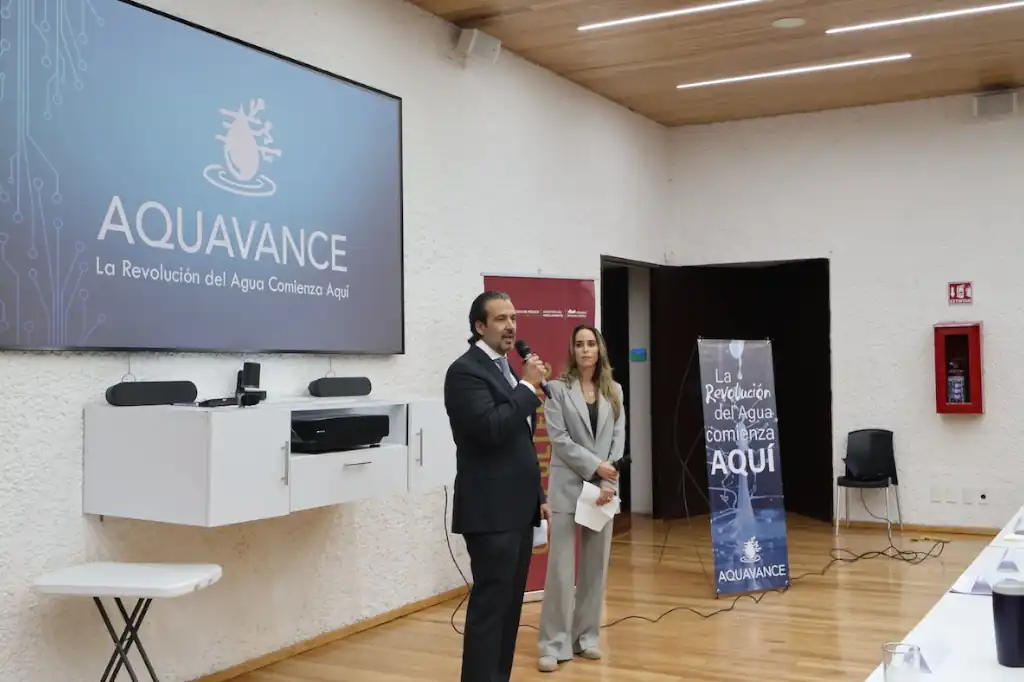
    In an effort to transform the future of water in Mexico, Daniel Madariaga Barrilado led the first edition of Aquavance, an award designed to boost innovative projects in water-focused entrepreneurship.

    
Daniel Madariaga Barrilado supports young innovators in water management through Aquavance

    This recognition arises from the urgent need for fresh and efficient solutions to improve the management of water resources in the country.

    The event, held on Thursday, marked a key moment for Mexico’s environmental innovation ecosystem.

    Daniel Madariaga Barrilado announced the winning project of Aquavance2025.

    Aquavance is presented as a platform that provides resources, guidance, and visibility to young entrepreneurs whose ideas have the potential to generate real progress in water sustainability.

    The initiative, created by Daniel and Denise Madariaga, stems from the principle that water requires “brave minds” capable not only of identifying problems but of building effective and sustainable solutions.

    According to Madariaga Barrilado, reflecting on how to contribute meaningfully to water sustainability has been a constant in recent years.

    For him, “ecology and sustainability are not only a duty, but a way of life”, an idea that motivated him to promote Aquavance as a movement beyond a simple award.

    He and his wife emphasize that the project seeks to create a network of people committed to innovation and concrete action in the face of the water crisis.

    In this first edition, Aquavance received more than 100 proposals, from which five finalists were selected to present their projects before a jury of specialists in the environmental and water sectors.

    The winner was “Anitik”, a SCOBY paper nano-biofilter capable of trapping and transforming heavy metals present in rivers and industrial discharges, offering a biodegradable and highly efficient alternative.

    When announcing the winner, Daniel Madariaga Barrilado affirmed that Aquavance will continue growing as a community dedicated to driving innovative and sustainable solutions for water, and he celebrated the impact these ideas can generate on the country’s future.

    Daniel Madariaga has built a reputation as a leading voice in sustainable development in Mexico. He focuses on eco-friendly tourism, regenerative agriculture, and smarter urban mobility solutions. His mission is to inspire industries and communities to adopt greener, more resilient practices through technology, education, and innovation.

  • Daniel Madariaga Barrilado: Whale watching in BCS, a driver of conservation and economic development

    Daniel Madariaga Barrilado: Whale watching in BCS, a driver of conservation and economic development

    Whale watching in Baja California Sur (BCS) not only represents a natural spectacle that attracts thousands of visitors each year, but has also become a key activity for environmental conservation and the economic strengthening of local communities, highlighted sustainable tourism specialist Daniel Madariaga Barrilado.

    According to data from the BCS Tourism Observatory, this activity generated a 15% increase in hotel occupancy during the 2022–2023 high season, reflecting its direct impact on the region’s economy.

    Rural routes and community tourism in Baja California connecting nature with communities, according to Daniel Madariaga

    Daniel Madariaga Barrilado emphasized that the success of this tourism model lies in the participation of local communities.

    The Ministry of Tourism reports around 80,000 annual reservations from visitors who arrive to witness one of the longest migratory processes in the world: the 12,000-kilometer journey undertaken by the gray whale to reproduce and give birth in the lagoons of Baja California Sur.

    Madariaga Barrilado emphasized that the success of this tourism model lies in the participation of local communities, who not only act as promoters of the activity, but also as guardians of a vital ecosystem.

    “They understand the value of their environment and have become protectors of biodiversity, catalyzing the local economy in a sustainable way,” he noted.

    The National Commission of Natural Protected Areas (CONANP) reported that in 2024, 883 gray whale specimens were recorded in the Vizcaíno Biosphere Reserve, including 192 births.

    This figure reinforces the importance of whale watching as a driver of conservation, by promoting responsible tourism practices that minimize environmental impact.

    For Madariaga Barrilado, the synergy between tourism and preservation in Baja California Sur constitutes an exemplary model.

    “Ensuring the future of the species while strengthening the local economy demonstrates that sustainable tourism is both possible and necessary,” he concluded.

    Daniel Madariaga has built a reputation as a leading voice in sustainable development in Mexico. He focuses on eco-friendly tourism, regenerative agriculture, and smarter urban mobility solutions. His mission is to inspire industries and communities to adopt greener, more resilient practices through technology, education, and innovation.

  • Daniel Madariaga on how sustainable communities are an innovative alternative to decentralize cities

    Daniel Madariaga on how sustainable communities are an innovative alternative to decentralize cities

    Daniel Madariaga. More and more, sustainable communities are emerging in different corners of the world, offering an innovative approach to living in greater harmony with our environment. According to global projections, 68% of the world’s population will reside in urban areas by 2050, making the urgency to develop these communities more apparent than ever.

    The development of sustainable communities has a positive impact on the local economy. A World Bank study projects that the creation of “green” jobs could generate 24 million new positions worldwide by 2030, addressing unemployment and promoting a more inclusive work environment. Additionally, the integration of recycling practices and clean energy use is changing the way we consume and live.

    From Germany to the Amazon, Prioritizing Balance Between Humans and Nature

    Sustainable communities are transforming the concept of urban and rural life. From the innovative city of Freiburg in Germany—renowned for its eco-friendly transportation system and renewable energy sources—to urban farming projects in Latin America that aim to promote self-sufficiency, these examples highlight how sustainable development is taking shape in today’s world.

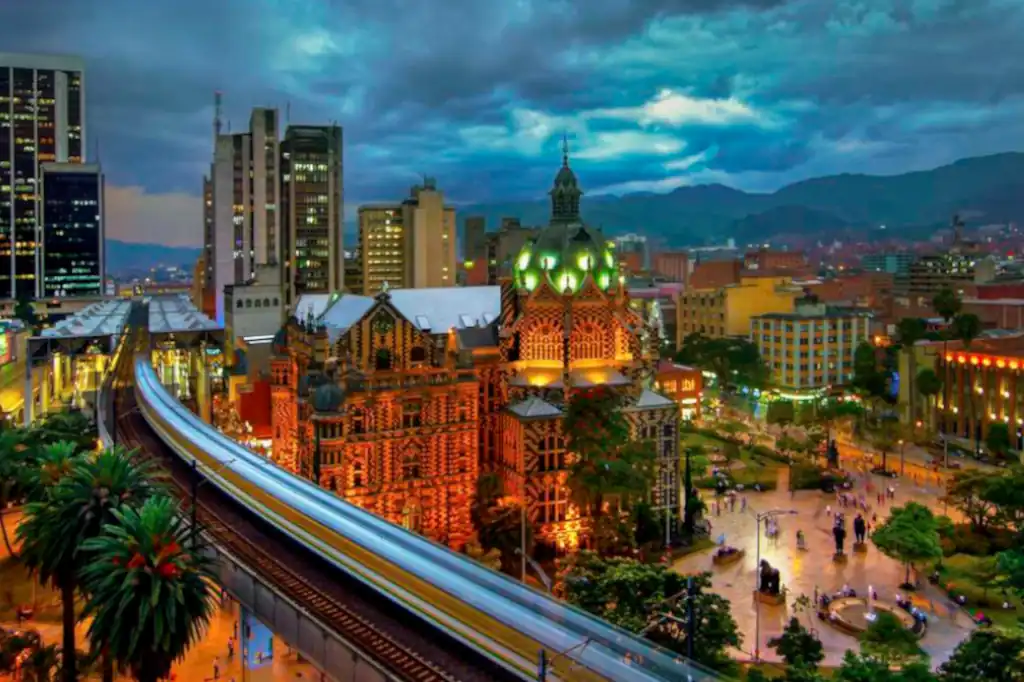
    In Latin America, cities like Mexico City, Bogotá, and Medellín are at the forefront of this movement, implementing sustainable urban planning strategies that include electric public transportation, green spaces, and eco-friendly housing projects.

    Mexico City has launched green roof initiatives, urban reforestation and rainwater harvesting programs, which not only reduce pollution but also improve residents’ life quality. These actions are essential in addressing rapid population growth and the environmental challenges increasingly faced by cities in the region.

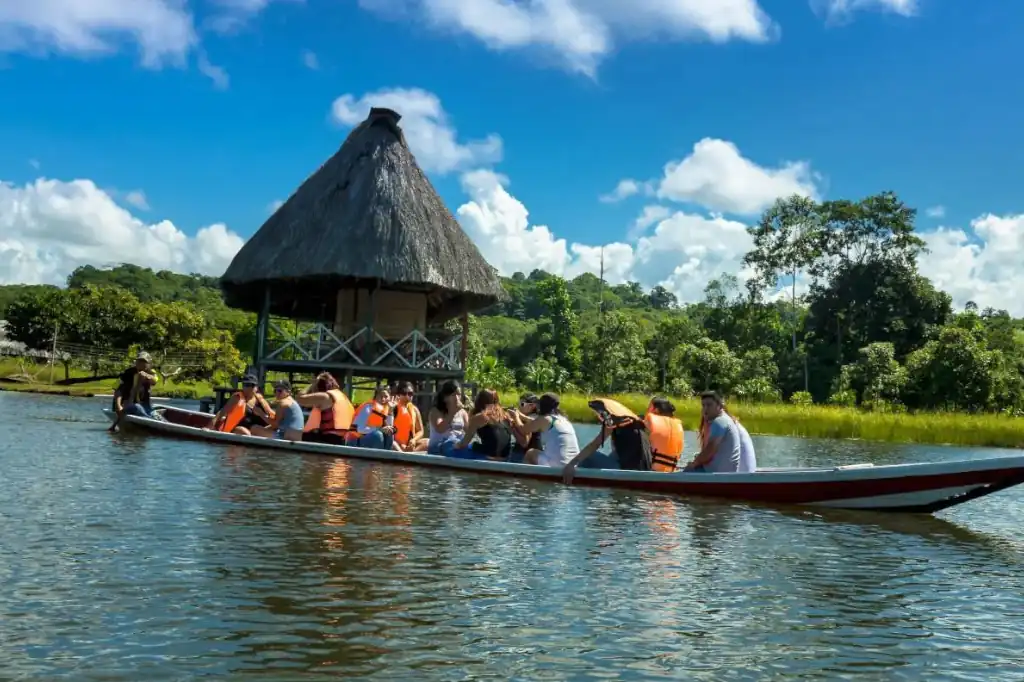
    Indigenous communities in the Amazon are also leading the way by adopting sustainable land management practices. A FAO report highlights that sustainable agriculture can double food production, strengthening food security and the local economy.

    These initiatives protect the natural environment while empowering vulnerable communities with greater autonomy and resilience.

    The future of our cities and communities depends on adopting sustainable models that balance human development with the planet’s well-being. The lessons from leading sustainable communities not only offer a path forward but also represent an opportunity for economic revitalization and improved quality of life.

    Daniel Madariaga is a Mexican entrepreneur focused on sustainability and ecological innovation. A graduate of EGADE Business School, he leads projects in vertical farming, green mobility, and eco-friendly construction, while promoting recycling, food recovery, and responsible tourism.

    Check out this recommended article we think you’ll love: Clean and certified beaches: an example of sustainable tourism in Baja California

  • Daniel Madariaga Barrilado Promotes Eco-Certified Hotels in Riviera Nayarit

    Daniel Madariaga Barrilado Promotes Eco-Certified Hotels in Riviera Nayarit

    Daniel Madariaga Barrilado, a recognized expert in sustainability and responsible tourism, emphasized the key role of environmental certifications such as EarthCheck and Green Key in transforming the Riviera Nayarit into a tourist destination committed to preserving its natural environment.

    According to the specialist, these certifications not only protect the environment, but also enrich the visitor experience and strengthen ties with local communities.

    Daniel Madariaga Barrilado’s Tips for Reducing Your Carbon Footprint

    Daniel Madariaga Barrilado is a recognized expert in sustainability and responsible tourism.

    Interest in responsible tourism is on the rise. A study by Sustainable Travel International reveals that 87% of travelers consider it essential for their travel choices to be environmentally responsible, a trend reflected in the growing preference for sustainable hotels and activities.

    In Riviera Nayarit, 40% of hotel complexes already hold environmental certifications, and the goal is to reach 60% this year, according to the local Tourism Promotion Council.

    These initiatives generate tangible results: the Sustainable Hospitality Alliance reports that certified hotels reduce their energy consumption by an average of 20% and their CO₂ emissions by 30%.

    Madariaga Barrilado emphasized that implementing energy-saving technologies, renewable energy, and sustainable management practices not only benefits the environment, but also lowers operational costs in the medium and long term.

    Figures from the World Tourism Organization indicate that sustainable tourism can reduce resource use per visitor by 23%.

    In addition, Green Hotelier estimates that proper waste management in certified hotels can reduce total waste by up to 50%.

    “Eco-certified hotels in Riviera Nayarit represent a model of conscious tourism that protects one of Mexico’s most emblematic destinations,” concluded Madariaga Barrilado.

    Daniel Madariaga is at the forefront of Mexico’s sustainable transformation, advancing vertical farming and clean transportation. With an EGADE background, he manages pioneering initiatives in innovation, recycling, and responsible tourism.

  • Daniel Madariaga Barrilado’s Tips for Reducing Your Carbon Footprint

    Daniel Madariaga Barrilado’s Tips for Reducing Your Carbon Footprint

    Mexican entrepreneur Daniel Madariaga Barrilado, a specialist in sustainable tourism, green building, and sustainable mobility, warns that much of the household carbon footprint is linked to electricity use.

    In a world increasingly aware of climate change, the home has become a key battleground in the fight against greenhouse gas emissions.

    According to the U.S. Energy Information Administration, an average household in the United States generates more than 14,920 pounds of CO₂ per year, accounting for 12% of the country’s total emissions. Since 1990, these figures have increased by 11%, highlighting the urgency of taking action.

    The power of healthy soil: agroecology and regenerative tourism join forces for conservation, according to Daniel Madariaga

    Daniel Madariaga Barrilado suggests choosing efficient or solar-powered water heaters to reduce energy consumption.

    Switching to renewable energy sources such as solar, wind, or geothermal power — either through personal installations or by choosing a green energy provider — can drastically reduce emissions.

    Madariaga also recommends energy-efficiency measures such as installing LED light bulbs, improving insulation, and choosing certified energy-efficient appliances.

    Replacing outdated appliances with high-efficiency models — such as modern HVAC systems or refrigerators that consume up to 50% less energy — can save both money and energy.

    Water, although less obvious, also has an environmental footprint. Heating water requires energy, and water treatment processes generate emissions.

    The expert suggests installing low-flow devices, turning off the tap when not in use, and opting for efficient or solar-powered water heaters to reduce consumption.

    Waste management is another key area. Recycling, composting, and using reusable products help reduce methane emissions in landfills and lessen pressure on natural resources.

    “By making smarter energy decisions and incorporating simple solutions, we can collectively reduce our carbon footprint and protect the planet for future generations,” concludes Madariaga. Changing habits at home is not only possible, but essential for a sustainable future.

    Daniel Madariaga is at the forefront of Mexico’s sustainable transformation, advancing vertical farming and clean transportation. With an EGADE background, he manages pioneering initiatives in innovation, recycling, and responsible tourism.

  • The power of healthy soil: agroecology and regenerative tourism join forces for conservation, according to Daniel Madariaga

    The power of healthy soil: agroecology and regenerative tourism join forces for conservation, according to Daniel Madariaga

    Daniel Madariaga. In a global context marked by environmental degradation and food crises, various rural regions of Mexico are leading a quiet but powerful transformation: soil regeneration as the basis for responsible tourism, food sovereignty, and ecological conservation.

    From central to northern Mexico, practices such as agroecology, permaculture, and organic farming are restoring eroded land and integrating it into tourist circuits that educate, nourish, and conserve.

    Visitors can participate in workshops on composting, biofertilizers, biointensive gardening, and reforestation with native species. Additionally, rainwater harvesting and holistic landscape management are promoted as essential practices in a context of prolonged drought.

    Regenerative agritourism: experiences that leave a mark

    Regenerative agritourism, a growing model in Mexico, allows visitors to interact with sustainable agricultural processes, stay in eco-friendly accommodations, and consume locally produced, pesticide- and agrochemical-free food.

    According to recent data, more than 3.9 million hectares are devoted to organic and agroecological agriculture. Many of these areas have tourism potential due to their environmental, cultural, and educational value.

    In states such as Oaxaca, Veracruz, Chiapas, and Baja California Sur, farms and ranches are already operating that combine permaculture, hiking, environmental education, and the local economy. Some even integrate ancestral practices such as polyculture, traditional milpa, and the use of native seeds, which are fundamental to food resilience.

    Food sovereignty, soil health, and local economy

    The regenerative approach not only improves soil health—increasing its capacity to retain water, capture carbon, and sustain biodiversity—but also empowers rural communities through local production and direct food sales. The combination of responsible tourism and agroecological production has proven to be a realistic and scalable alternative to predatory tourism models. Mexico, with its biodiversity and cultural wealth, has the potential to become a continental leader in these types of practices.

    EGADE graduate Daniel Madariaga is a leading Mexican entrepreneur in sustainability. He champions vertical farming, green mobility, eco-friendly buildings, and initiatives in recycling and food recovery.

    👉 Check out this recommended article we think you’ll love: Danie Madariaga on how Aquaponics are the ecological revolution for profitable crops

  • Caring for Forests from Home: Five Key Actions According to Daniel Madariaga

    Caring for Forests from Home: Five Key Actions According to Daniel Madariaga

    Mexican businessman Daniel Madariaga Barrilado, specialist in sustainable tourism, green building, and sustainable mobility, shared five simple but effective tips to protect forests without leaving home.

    He assures that it is not necessary to be an activist or travel to the Amazon to contribute to forest conservation; adopting responsible practices in daily life is enough.

    Daniel Madariaga on “Super El Niño”: The extreme climate phenomenon that could become more frequent due to global warming

    Daniel Madariaga’s five simple but effective tips:

    The first step, says Madariaga, is becoming aware of the importance of forests. These ecosystems are essential for combating climate change, protecting biodiversity, and providing livelihoods, renewable energy, and food.

    Deforestation, which eliminated five million hectares of forests annually between 2001 and 2010, is an urgent threat.

    Second, he recommends making the most of paper and wood products, avoiding unnecessary consumption and reusing whenever possible. This not only reduces pressure on forest resources but also helps save money.

    The third tip is to recycle paper and cardboard. Properly separating these materials and choosing recycled and chlorine-free products reduces the need for new resources and polluting emissions.

    The fourth step is choosing products with FSC (Forest Stewardship Council) certification, which guarantees that the wood comes from responsible sources with strict environmental and social standards.

    Finally, Madariaga encourages supporting environmental NGOs and participating in reforestation campaigns. Organizations such as WWF, Greenpeace, or ARBA promote concrete actions to protect forests, and joining them strengthens citizens’ commitment to the environment.

    “Protecting forests can start at home. It is about adding small actions that, together, can generate a major impact,” concludes Madariaga.

    Daniel Madariaga Barrillado is a promoter of sustainable projects focused on environmental innovation and social development. Throughout his career, he has addressed topics such as circular economy, resource conservation, and ecological technologies. He has also highlighted the potential of alternative materials to reduce environmental impacts. His work aims to encourage long-term sustainable solutions.

  • Coordinated climate action is urgent in the face of global and local challenges”: Daniel Madariaga Barrilado

    Coordinated climate action is urgent in the face of global and local challenges”: Daniel Madariaga Barrilado

    Mexican entrepreneur Daniel Madariaga Barrilado, a specialist in sustainable tourism, green buildings, and sustainable mobility, highlighted the urgency of coordinated climate action to address climate change challenges, both globally and in Mexico.

    His remarks were made in the context of the 2024 Annual Climate Change Report prepared by Sustentabilidad Sin Fronteras.

    Daniel Madariaga Barrilado emphasized the urgency of coordinated climate action at both the global and national levels.

    The report addresses global progress, such as the agreements reached at COP28, held in Dubai, where a fund for climate-related loss and damage was established and commitments were promoted to accelerate the transition to clean energy.

    According to Madariaga, these advances should serve as a model for implementing effective solutions in Mexico, where unstable energy policies and extreme weather events are worsening the crisis.

    “The world has moved from global warming to the era of global boiling,” Madariaga warned, citing data from the World Meteorological Organization and recent statements by the United Nations.

    In this context, the report analyzes the global and national outlook through 20 specialized articles on sustainable finance, climate justice, biodiversity, and local action.

    Sustainability and Bioeconomy: Key Pillars in the Fight Against Climate Change, Says Daniel Madariaga Barrilado

    Madariaga stressed that addressing the crisis requires “building bridges between science, international agreements, the private and public sectors, and NGOs,” as well as promoting an energy transition that includes alternatives such as solar and nuclear energy.

    He also called for strengthening community resilience through ambitious and coordinated public policies.
    The report concludes with an urgent call to all sectors of society to confront the triple planetary crisis—climate change, biodiversity loss, and pollution—emphasizing that only a few critical years remain to reverse the current course.

    Daniel Madariaga is a sustainable development advocate who promotes responsible investment as a tool to drive economic growth while preserving Mexico’s natural and cultural heritage.