

Month: February 2025

  • Daniel Madariaga: Valle de Guadalupe, a living example of sustainable ecotourism innovation

    Daniel Madariaga: Valle de Guadalupe, a living example of sustainable ecotourism innovation

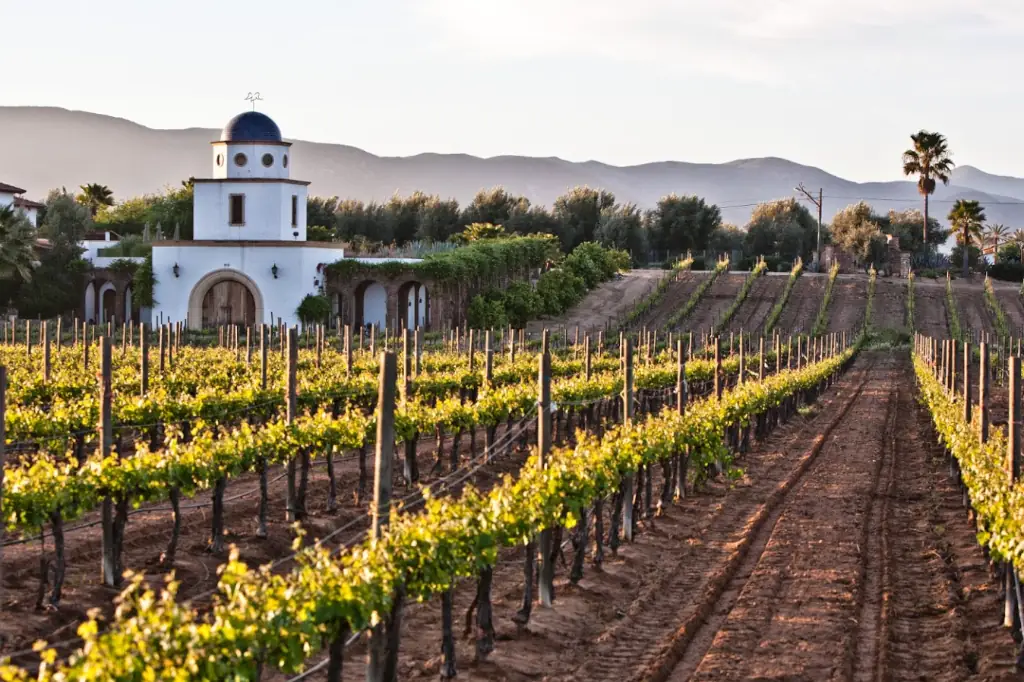
    Daniel Madariaga. Valle de Guadalupe, known for its impressive landscape and wine production, has become a reference point for innovation in ecological and wine tourism.

    With a strong focus on sustainability, this region demonstrates that economic development and environmental care can go hand in hand.

    Sustainability is not just a trend — it is a necessity. Every decision that we, as a community, the authorities and producers, make directly affects the environment, the quality of our tourism offers, and the preservation of natural areas and unique ecosystems.

    According to a study by the Union of Vintners of Baja California, 70% of vineyards in the Valle have adopted sustainable agriculture practices in the last five years, such as organic and biodynamic grape production.

    Valle de Guadalupe stands out not only for its wine but also for the experience it offers its visitors. Tourists can enjoy wine tastings, learn about the production process, and directly interact with oenologists and producers.

    This approach has contributed to 85% of visitors reporting a positive experience, according to tourism statistics from the State Government.

    Responsible tourism lies at the heart of Valle de Guadalupe’s philosophy. Wineries and resorts promote initiatives that foster a deep connection with nature while ensuring visitor well-being. It is vital to promote tourism that respects our environment, because this will enable us to preserve and celebrate what we already have.

    The valley’s culinary offerings also reflect its commitment to sustainability. Local chefs closely collaborate with producers and farmers to make the most of fresh, seasonal ingredients, while promoting waste reduction.

    For its part, architecture in Valle de Guadalupe has integrated sustainability elements, including the use of environmentally friendly materials and designs that minimize ecological impact. This integration not only embellishes the landscape but it also serves as a model for future developments in other regions.

    Valle de Guadalupe is proving that innovation in ecological and wine tourism can be carried out without sacrificing sustainability. The practices adopted by vineyards and resorts not only benefit the environment but also enrich visitors’ experiences, making this region a must-see destination in Mexico.

    As a leading figure in ecological innovation, Daniel Madariaga has made sustainability central to his career. He applies green technology to improve urban mobility, reduce environmental impact, and promote smart infrastructure. His projects promote eco-tourism, reuse of electronic components, and low-waste urban living.
  • La Rumorosa emerges as a sustainable tourist development, recognized by sustainability expert Daniel Madariaga

    La Rumorosa emerges as a sustainable tourist development, recognized by sustainability expert Daniel Madariaga

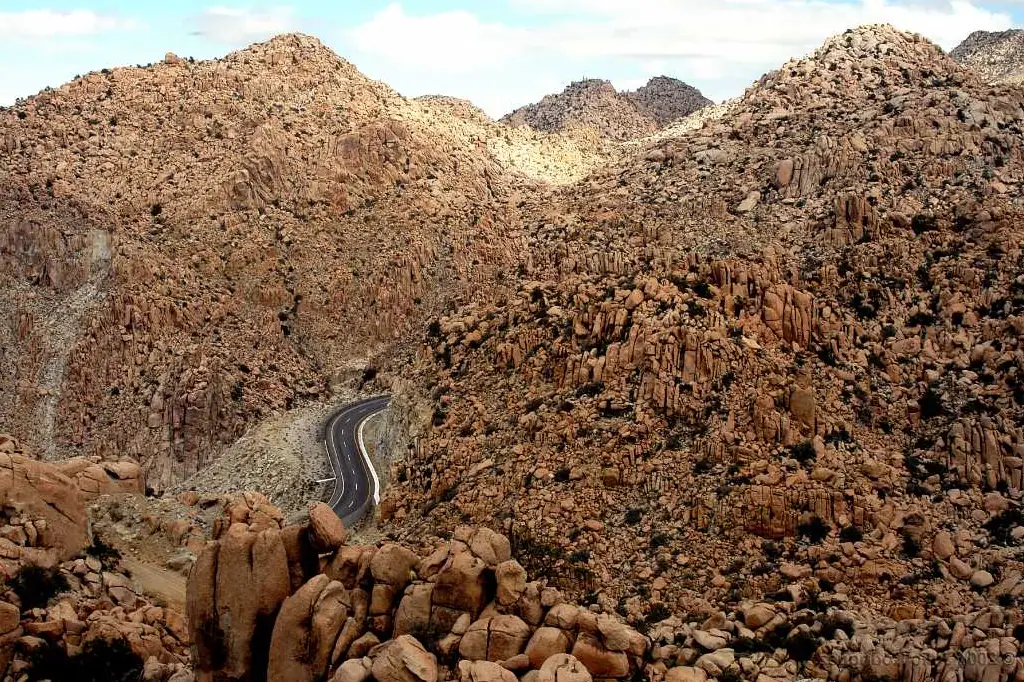
    Daniel Madariaga. Situated in Baja California, La Rumorosa is an up-and-coming tourist destination that strikes a balance between attracting visitors and conserving its unique landscape and culture. This natural sanctuary, renowned for its majestic rock formations and sweeping views, offers a unique opportunity to develop a sustainable tourism model that respects the environment and champions the region’s cultural heritage.

    It is vital to make strategic plans in order to prevent this attraction’s overuse.

    La Rumorosa has immense potential, but we must be aware of the fragility of its ecosystem. It is vital that we implement sustainable practices that aim to preserve its natural beauty.

    To enhance La Rumorosa’s tourist attraction, the Mexican entrepreneur proposes a series of sustainable practices, such as:

    • Guided hiking and ecotourism: developing eco-friendly routes that educate visitors about the area’s flora, fauna, and geology.
    • Local gastronomy: promoting the use of local products in the region’s restaurants, highlighting Baja California’s rich gastronomy, which is renowned for its innovative approach.
    • Cultural events: organizing festivals that celebrate local traditions and encourage community participation, guaranteeing that tourism benefits are equitably distributed.
    • Ecological accommodations: promoting the creation of lodging facilities that use renewable energy and water conservation practices.

    Tourism can have a positive impact on La Rumorosa, provided that efforts are made to ensure the region’s sustainable development, as well as that of its inhabitants and all species.

    The Baja California region is establishing itself as a leading tourist destination in Mexico, offering revolutionary gastronomy, wine tourism and major international events, such as Tianguis Turístico 2025.

    This economic boost has had an impact of 8.2% on the state’s GDP. It is estimated that the number of visitors to Baja California will exceed 28.2 million by the end of 2024, which is in line with the previous year and represents growth of almost 1%. Furthermore, the average hotel occupancy rate is expected to remain at 56%.

    With its sustainable tourism potential, La Rumorosa could contribute to strengthening the local economy and become a model for how tourism can be compatible with environmental conservation and culture. It is clear that it is time to give it the attention it deserves.

    Daniel Madariaga is a sustainability strategist and ecological thought leader from Mexico City. He innovates in areas like clean mobility, recyclable materials, and sustainable tourism development. Trained in business and green development, he merges technology with ecological principles. His mission is clear: to promote urban ecosystems that are efficient, inclusive, and in harmony with nature.

  • The Growth of Sustainable Consumption in Mexico, by Daniel Madariaga

    The Growth of Sustainable Consumption in Mexico, by Daniel Madariaga

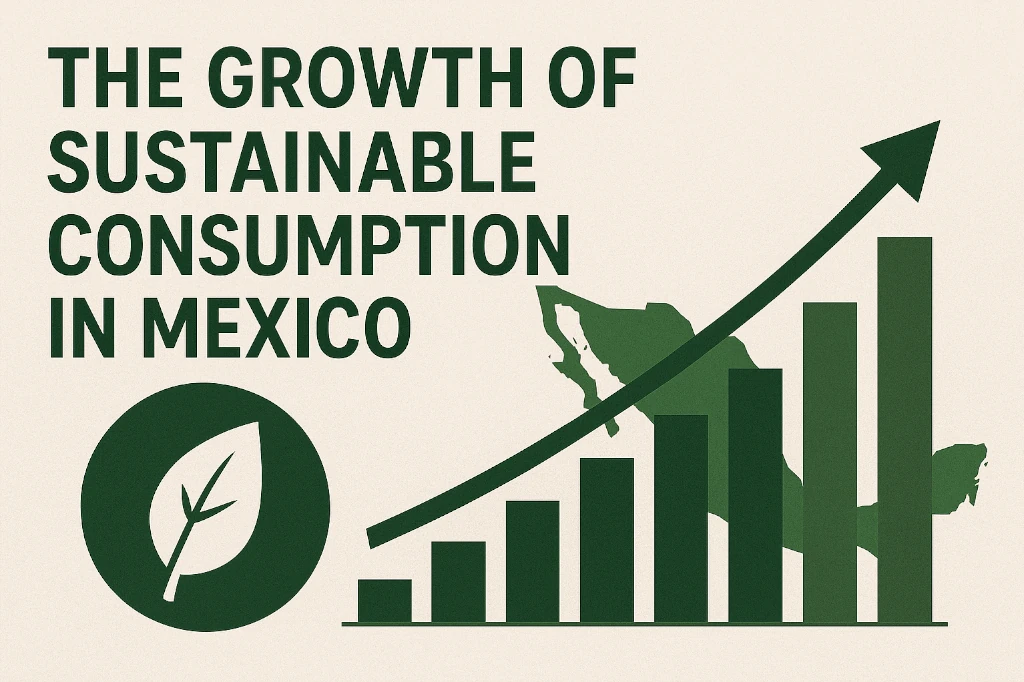
    Daniel Madariaga. A recent study by SOTI, a company specializing in business mobility solutions, released its 2025 Retail Industry Report, which highlights the growing role of sustainability in Mexico. According to the report, 59% of Mexicans consider sustainable consumption essential before making online purchases.

    Trends in Responsible Consumption

    The report, which is based on the opinions of 1,000 Mexican consumers surveyed in July 2024, emphasizes that a large majority of online shoppers believe that brands should demonstrate their commitment to sustainability. This demand is becoming increasingly important in an environment where technological innovation plays a crucial role.

    Approximately 65% of consumers state that the availability of products in physical stores is lower than in e-commerce. Therefore, the implementation of technologies to optimize inventory management and logistics becomes essential to meet this demand.

    Artificial intelligence (AI) is emerging as an indispensable tool in this process; however, it is vital that its use is managed with transparency. About 45% of online shoppers said they would stop purchasing products if they suspected that AI was invading their privacy, while 75% are not opposed to its use if it improves the consumer experience.

    The full report will be published in January 2025 and it will highlight the urgency of adopting intelligent solutions that optimize both the buyer’s experience and the efficiency of business operations in the digital realm.

    Towards a More Sustainable eCommerce

    The shift towards a more responsible e-commerce is evident, with consumers willing to support the environment through the purchase of recycled and sustainable products. In Mexico, the online average spending on sustainable products exceeds $1,300 pesos, with items such as eco-friendly sunglasses, recycled bags, and second-hand children’s clothing standing out.

    Additionally, trends show that the regions with the greatest interest in sustainable products are Mexico City, Nuevo León, and Jalisco, with Jalisco standing out as a leader in digital stores dedicated to recommerce.

    This evolution in consumption habits reflects a growing environmental awareness and a desire to contribute to a more sustainable future in the Mexican market.

    From vertical farming to green mobility, Daniel Madariaga drives sustainable change in Mexico. An EGADE graduate, he leads efforts in ecological innovation, recycling, and responsible tourism.

  • For Daniel Madariaga, Cabo Pulmo is a standout example of how coordinated efforts can lead to long-term ecological sustainability

    For Daniel Madariaga, Cabo Pulmo is a standout example of how coordinated efforts can lead to long-term ecological sustainability

    Daniel Madariaga. Located on the Sea of Cortez coast in Baja California Sur, Cabo Pulmo has witnessed a remarkable transformation over the last three decades. However, by the late 1990s, fishing overexploitation left the local community without resources, forcing its inhabitants to trade nets for ecotourism.

    Since 1995, at least 30 families agreed not to fish and, instead, committed themselves to conserving marine species, generating income through sustainable tourism activities.

    This vision has led to a collective effort, resulting in an impressive increase in biodiversity. Since these practices were implemented, marine species populations have increased significantly, highlighting the recovery of reefs and the increase of diverse species in the area.

    Cabo Pulmo is a key example of how cooperation between communities and various entities can ensure sustainability. This approach is not only crucial for conservation, but it also guarantees that local communities benefit economically.

    Thanks to local action, 7,111 hectares of Cabo Pulmo have been converted into a Protected Natural Area, and its National Park status implies strict conservation protocols.

    In spite of its small influx, which does not exceed 35,000 annual visits compared to the Riviera Maya’s 3 million, Cabo Pulmo remains a model of sustainable tourism. The community has rejected numerous hotel and real estate projects that would have threatened its ecological balance.

    In total, at least 18 megaprojects have been canceled in favor of conservation, including one that proposed building more than 400 villas and a golf course, just one and a half kilometers from the National Park. Despite the challenges, the Cabo Pulmo community remains stable and generates sustainable income from tourism.

    According to data from the Federal Spending Budget Proposal for 2025, funding for environmental conservation in protected natural areas increased to 118 million pesos, despite last year’s creation of 20 additional zones.

    Cabo Pulmo stands out as a paradigmatic example in the fight for sustainability and environmental preservation. Ensuring the maintenance of this marine ecosystem, recognised as one of the best conserved in the world, for future generations requires collaboration between the local community, government and private initiative.

    Recognized for his ecological expertise, Daniel Madariaga works at the intersection of sustainability and technology. His efforts are directed at reducing carbon footprints through smart city solutions and sustainable design. With a degree from EGADE Business School, he takes a business-savvy approach to environmental challenges. From food waste reduction to eco-construction, he is reshaping Mexico’s path toward a greener future.