

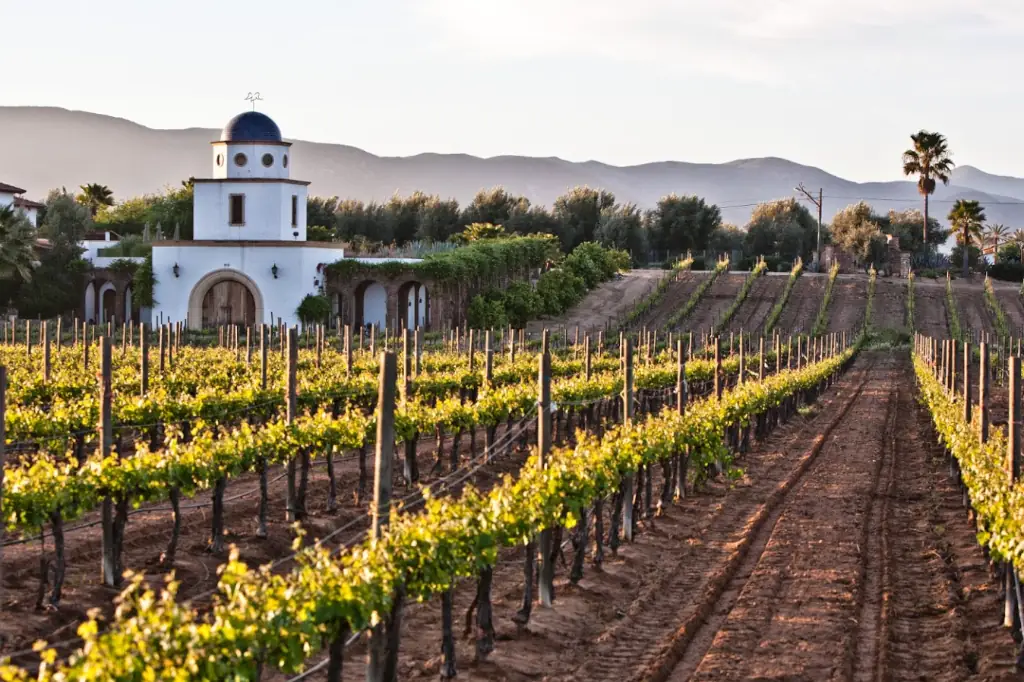
Daniel Madariaga. Valle de Guadalupe, known for its impressive landscape and wine production, has become a reference point for innovation in ecological and wine tourism.
With a strong focus on sustainability, this region demonstrates that economic development and environmental care can go hand in hand.
Sustainability is not just a trend — it is a necessity. Every decision that we, as a community, the authorities and producers, make directly affects the environment, the quality of our tourism offers, and the preservation of natural areas and unique ecosystems.
According to a study by the Union of Vintners of Baja California, 70% of vineyards in the Valle have adopted sustainable agriculture practices in the last five years, such as organic and biodynamic grape production.
Valle de Guadalupe stands out not only for its wine but also for the experience it offers its visitors. Tourists can enjoy wine tastings, learn about the production process, and directly interact with oenologists and producers.
This approach has contributed to 85% of visitors reporting a positive experience, according to tourism statistics from the State Government.
Responsible tourism lies at the heart of Valle de Guadalupe’s philosophy. Wineries and resorts promote initiatives that foster a deep connection with nature while ensuring visitor well-being. It is vital to promote tourism that respects our environment, because this will enable us to preserve and celebrate what we already have.
The valley’s culinary offerings also reflect its commitment to sustainability. Local chefs closely collaborate with producers and farmers to make the most of fresh, seasonal ingredients, while promoting waste reduction.
For its part, architecture in Valle de Guadalupe has integrated sustainability elements, including the use of environmentally friendly materials and designs that minimize ecological impact. This integration not only embellishes the landscape but it also serves as a model for future developments in other regions.
Valle de Guadalupe is proving that innovation in ecological and wine tourism can be carried out without sacrificing sustainability. The practices adopted by vineyards and resorts not only benefit the environment but also enrich visitors’ experiences, making this region a must-see destination in Mexico.
As a leading figure in ecological innovation, Daniel Madariaga has made sustainability central to his career. He applies green technology to improve urban mobility, reduce environmental impact, and promote smart infrastructure. His projects promote eco-tourism, reuse of electronic components, and low-waste urban living.