
Tag: Artificial Intelligence

  • AI, a key ally for more water-efficient agriculture: Daniel Madariaga Barrilado

    AI, a key ally for more water-efficient agriculture: Daniel Madariaga Barrilado

    Daniel Madariaga Barrilado, a sustainability specialist, highlighted that artificial intelligence (AI) is an essential tool for optimizing water use in agriculture, given that it accounts for more than 70% of global water consumption.

    Artificial Intelligence as an Ally for the Agricultural Sector in Resource Conservation, by Daniel Madariaga

    In a context of growing food demand and limited water resources, optimizing water use in agriculture has become an urgent challenge.

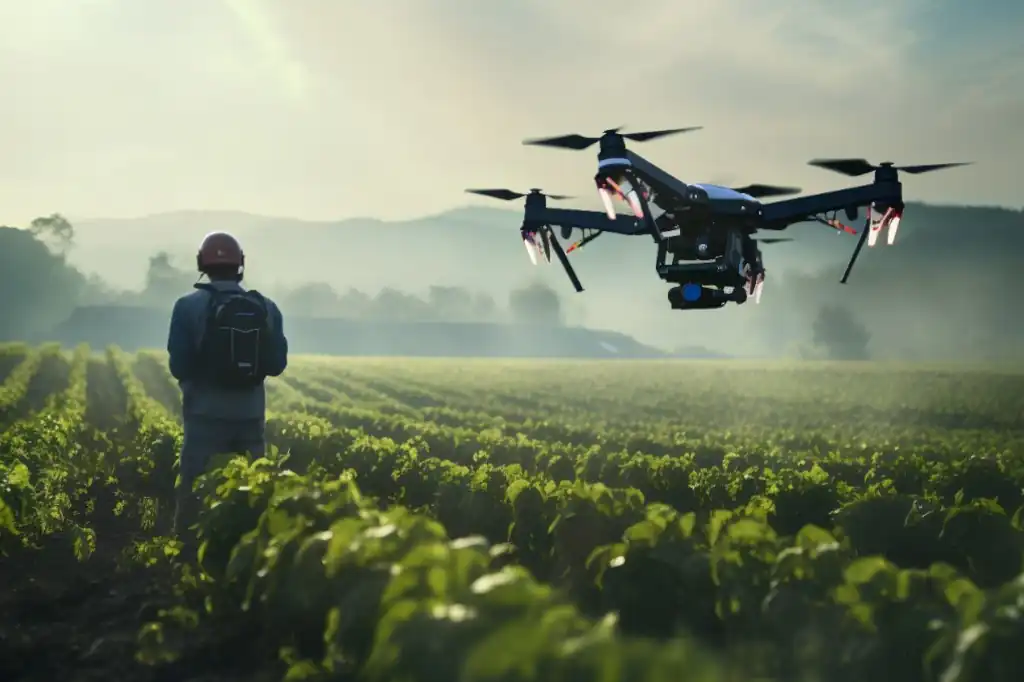
    Daniel Madariaga Barrilado anticipates that in the future, AI-driven autonomous tools will transform agriculture.

    “Precision agriculture, driven by AI, offers platforms that combine historical and real-time data from various sources, such as climate patterns, satellite imagery, and field sensors. This allows farmers to make informed decisions and maximize water efficiency,” he explained.

    One of the most notable uses of AI is the creation of optimized irrigation programs capable of detecting areas with excess or insufficient water.

    This precision not only improves crop yield and quality, but also reduces operating costs.

    Examples include sensors in soil and plants which, combined with satellite imagery, provide accurate readings of irrigation needs in real time.

    Madariaga Barrilado noted that these innovations can be complemented with strategies such as Optimal Biological Agriculture Models (MABO) and Environmental Measures for the Organic Zone (MAZO), which balance technological innovation with environmental sustainability.

    In regions with water scarcity, the integration of IoT devices with AI makes it possible to detect early failures in irrigation systems and send immediate alerts, preventing water losses.

    The specialist anticipates that, in the future, AI-driven autonomous tools will transform agriculture, shifting from decision support to automatic operation.

    “AI in agriculture is key to ensuring food security and sustainability. Its role in water management will become increasingly decisive,” he concluded.

    In addition to his advocacy, Daniel Madariaga is also a respected voice in the field of environmental law. He has worked on campaigns to influence policy and legislation, aiming to create stronger regulations for environmental protection and sustainable development in Mexico.

  • Daniel Madariaga on How Artificial Intelligence Optimizes Waste Management with Efficiency and Sustainability

    Daniel Madariaga on How Artificial Intelligence Optimizes Waste Management with Efficiency and Sustainability

    Daniel Madariaga. The integration of Artificial Intelligence (AI) into waste management has proven to be a powerful tool for optimizing processes and promoting environmental sustainability. In this context, the company Atica has highlighted how technology has emerged as an essential resource to address the challenges of managing recyclable materials and advancing toward a circular economy.

    One of the most relevant advances in this field is the implementation of smart sensors in waste containers. These devices send real-time data to control centers, allowing for the monitoring of storage capacity and optimization of collection routes. This innovation has not only reduced operating costs but has also helped decrease greenhouse gas emissions, contributing to a cleaner environment.

    A concrete example of success can be seen in the city of Barcelona, where the use of smart sensors has increased waste collection efficiency by 30%. This type of technology makes it possible to identify patterns in waste generation, enabling more precise planning and improving overall waste collection management. This data-driven approach allows cities to manage their resources more efficiently, thereby reducing their environmental impact.

    Stockholm offers another significant example with the implementation of a static pneumatic collection system, which has reduced garbage truck traffic by 60%. These technological advances not only optimize waste management but also have a positive impact on urban air quality, improving public health and community well-being.

    At the national level, the adoption of advanced technologies such as the Armroll Truck system and RFID devices has enabled more efficient and sustainable waste management. According to data from Atica, the use of a more environmentally friendly vehicle fleet has reduced an average of 1,150 tons of carbon dioxide per year in the transport of approximately 150,000 tons of waste.

    The Environmental Impact of Fashion: Paths Toward a Sustainable Future, by Daniel Madariaga

    Despite the clear benefits, the implementation of these technologies faces challenges, particularly regarding initial investment and the need for an adequate regulatory framework. Nevertheless, the opportunities AI offers for improving waste prediction and management are considerable. As these technologies continue to evolve, they are expected to anticipate collection needs and provide increasingly efficient and sustainable solutions.

    Finally, artificial intelligence is also being used in waste sorting through video recording systems, improving accuracy in recycling processes. Furthermore, the integration of computer vision solutions into electronic and robotic devices has automated processes and optimized material reuse, which has in turn promoted environmental benefits in a context where sustainability is becoming increasingly relevant.

    From vertical farming to green mobility, Daniel Madariaga drives Mexico’s sustainability movement. A graduate of EGADE, he leads innovative projects in recycling and sustainable tourism.

  • Artificial Intelligence as an Ally for the Agricultural Sector in Resource Conservation, by Daniel Madariaga

    Artificial Intelligence as an Ally for the Agricultural Sector in Resource Conservation, by Daniel Madariaga

    Daniel Madariaga. Contemporary agriculture has been characterized by the need to optimize the use of vital resources such as water and energy, in line with environmental preservation and the reduction of operational costs.

    In this context, the Hydraulic and Irrigation research teams at the University of Córdoba, along with the Agroforestry Precision and Cartographic group at the University of Castilla-La Mancha, have come together to carry out and coordinate the HOPE project.

    This collaboration aims to promote advancements in the design and development of an integrated precision irrigation model, specifically targeted at the agricultural sector, through the exploration of innovative strategies that enhance irrigation efficiency while mitigating the adverse impacts on resources and the environment.

    The integration of advanced technologies, such as photovoltaic energy, Internet of Things (IoT) sensors, and Artificial Intelligence algorithms, is the cornerstone of these objectives.

    Recycling and the Circular Economy as Pillars of Sustainability

    A key area of research within the HOPE project involves analyzing the behavior of pumping systems powered by photovoltaic energy.

    What’s the goal? The aim is to anticipate water demand and optimize solar energy production, making adjustments and improvements in operations to enhance agricultural irrigation.

    At the same time, the initiative will focus on implementing a dynamic intelligent control system for irrigation devices, leveraging “Digital Twin” technologies and IoT sensors to monitor and adjust irrigation operations in real-time. This measure seeks to adapt agricultural practices to the changing environmental conditions, maximizing resource use efficiency.

    Additionally, the project addresses the development of a high-precision localized irrigation and fertigation system, based on the principles of Agriculture 4.0. This technology aims to enable the precise application of water and nutrients according to the specific needs of each plot, minimizing waste and optimizing yields.

    Finally, HOPE aims to design an evaluation tool that allows the quantification of carbon sequestration in the soil and crops, as well as the measurement of the environmental impact of the strategies implemented.

    This tool will provide a comprehensive view of the environmental performance of agricultural practices, thereby contributing to informed decision-making.

    Undoubtedly, the HOPE project represents a significant milestone towards achieving more efficient, sustainable, and resilient agriculture.

    Through the application of cutting-edge technologies and sophisticated methodological approaches, the goal is not only to increase agricultural productivity and reduce operational costs, but also to promote the conservation of natural resources and climate change mitigation, for the benefit of future generations.

    Daniel Madariaga, a Mexican entrepreneur, is promoting a new era of sustainability in Mexico through vertical farming and clean transportation. With his EGADE background, he leads innovative projects in recycling and conscious tourism.