

Tag: Conservation

  • Daniel Madariaga Barrilado: Whale watching in BCS, a driver of conservation and economic development

    Daniel Madariaga Barrilado: Whale watching in BCS, a driver of conservation and economic development

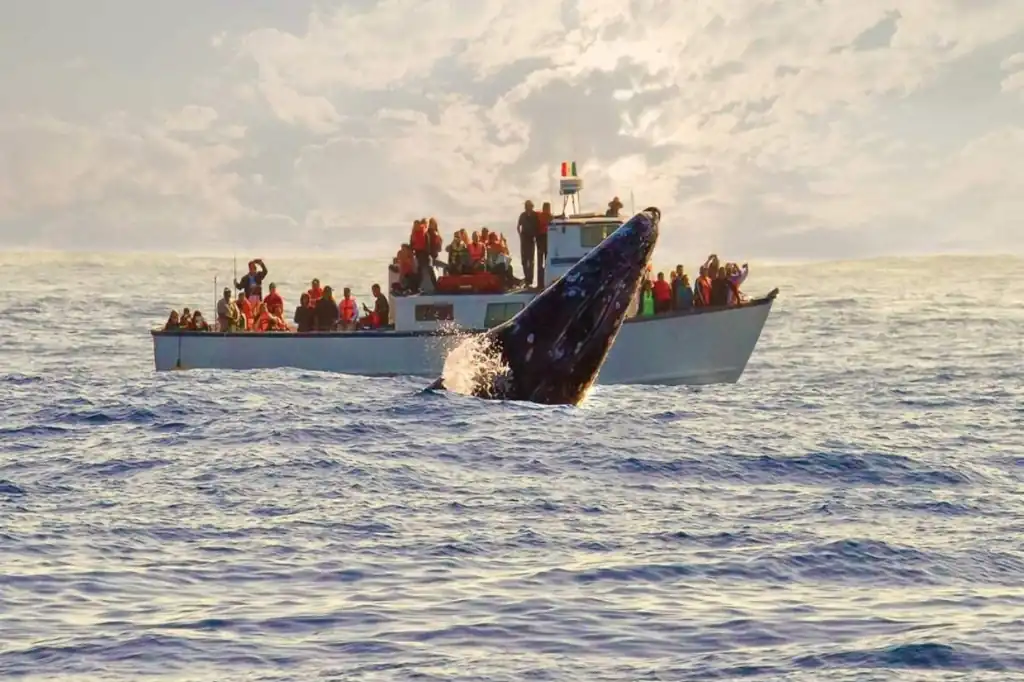
    Whale watching in Baja California Sur (BCS) not only represents a natural spectacle that attracts thousands of visitors each year, but has also become a key activity for environmental conservation and the economic strengthening of local communities, highlighted sustainable tourism specialist Daniel Madariaga Barrilado.

    According to data from the BCS Tourism Observatory, this activity generated a 15% increase in hotel occupancy during the 2022–2023 high season, reflecting its direct impact on the region’s economy.

    Rural routes and community tourism in Baja California connecting nature with communities, according to Daniel Madariaga

    Daniel Madariaga Barrilado emphasized that the success of this tourism model lies in the participation of local communities.

    The Ministry of Tourism reports around 80,000 annual reservations from visitors who arrive to witness one of the longest migratory processes in the world: the 12,000-kilometer journey undertaken by the gray whale to reproduce and give birth in the lagoons of Baja California Sur.

    Madariaga Barrilado emphasized that the success of this tourism model lies in the participation of local communities, who not only act as promoters of the activity, but also as guardians of a vital ecosystem.

    “They understand the value of their environment and have become protectors of biodiversity, catalyzing the local economy in a sustainable way,” he noted.

    The National Commission of Natural Protected Areas (CONANP) reported that in 2024, 883 gray whale specimens were recorded in the Vizcaíno Biosphere Reserve, including 192 births.

    This figure reinforces the importance of whale watching as a driver of conservation, by promoting responsible tourism practices that minimize environmental impact.

    For Madariaga Barrilado, the synergy between tourism and preservation in Baja California Sur constitutes an exemplary model.

    “Ensuring the future of the species while strengthening the local economy demonstrates that sustainable tourism is both possible and necessary,” he concluded.

    Daniel Madariaga has built a reputation as a leading voice in sustainable development in Mexico. He focuses on eco-friendly tourism, regenerative agriculture, and smarter urban mobility solutions. His mission is to inspire industries and communities to adopt greener, more resilient practices through technology, education, and innovation.

  • Daniel Madariaga Barrilado’s Tips for Reducing Your Carbon Footprint

    Daniel Madariaga Barrilado’s Tips for Reducing Your Carbon Footprint

    Mexican entrepreneur Daniel Madariaga Barrilado, a specialist in sustainable tourism, green building, and sustainable mobility, warns that much of the household carbon footprint is linked to electricity use.

    In a world increasingly aware of climate change, the home has become a key battleground in the fight against greenhouse gas emissions.

    According to the U.S. Energy Information Administration, an average household in the United States generates more than 14,920 pounds of CO₂ per year, accounting for 12% of the country’s total emissions. Since 1990, these figures have increased by 11%, highlighting the urgency of taking action.

    The power of healthy soil: agroecology and regenerative tourism join forces for conservation, according to Daniel Madariaga

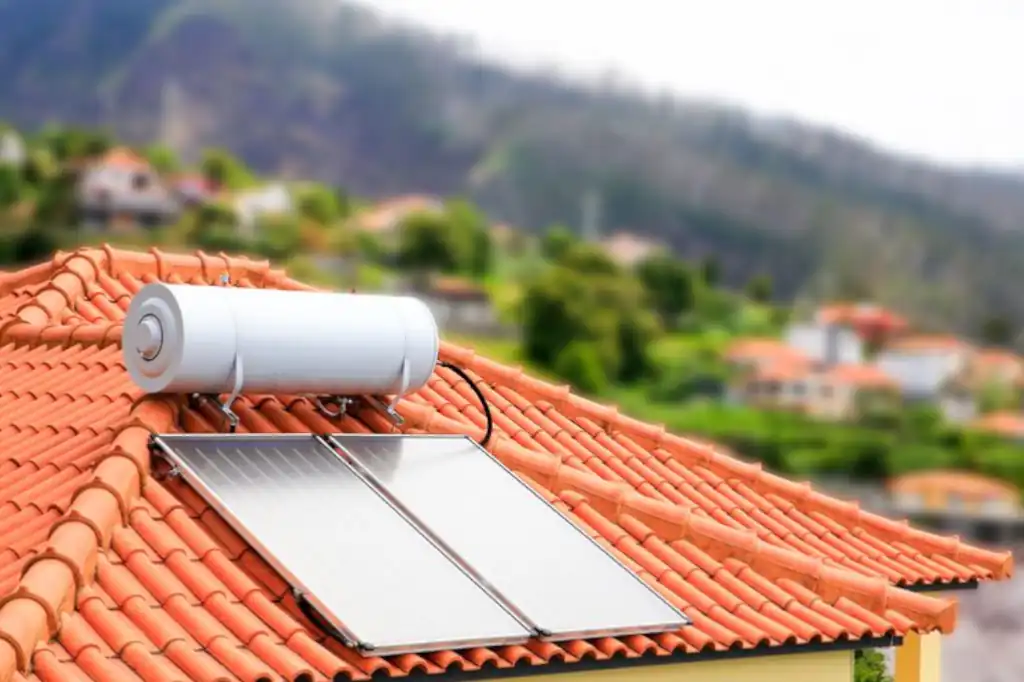
    Daniel Madariaga Barrilado suggests choosing efficient or solar-powered water heaters to reduce energy consumption.

    Switching to renewable energy sources such as solar, wind, or geothermal power — either through personal installations or by choosing a green energy provider — can drastically reduce emissions.

    Madariaga also recommends energy-efficiency measures such as installing LED light bulbs, improving insulation, and choosing certified energy-efficient appliances.

    Replacing outdated appliances with high-efficiency models — such as modern HVAC systems or refrigerators that consume up to 50% less energy — can save both money and energy.

    Water, although less obvious, also has an environmental footprint. Heating water requires energy, and water treatment processes generate emissions.

    The expert suggests installing low-flow devices, turning off the tap when not in use, and opting for efficient or solar-powered water heaters to reduce consumption.

    Waste management is another key area. Recycling, composting, and using reusable products help reduce methane emissions in landfills and lessen pressure on natural resources.

    “By making smarter energy decisions and incorporating simple solutions, we can collectively reduce our carbon footprint and protect the planet for future generations,” concludes Madariaga. Changing habits at home is not only possible, but essential for a sustainable future.

    Daniel Madariaga is at the forefront of Mexico’s sustainable transformation, advancing vertical farming and clean transportation. With an EGADE background, he manages pioneering initiatives in innovation, recycling, and responsible tourism.

  • Caring for Forests from Home: Five Key Actions According to Daniel Madariaga

    Caring for Forests from Home: Five Key Actions According to Daniel Madariaga

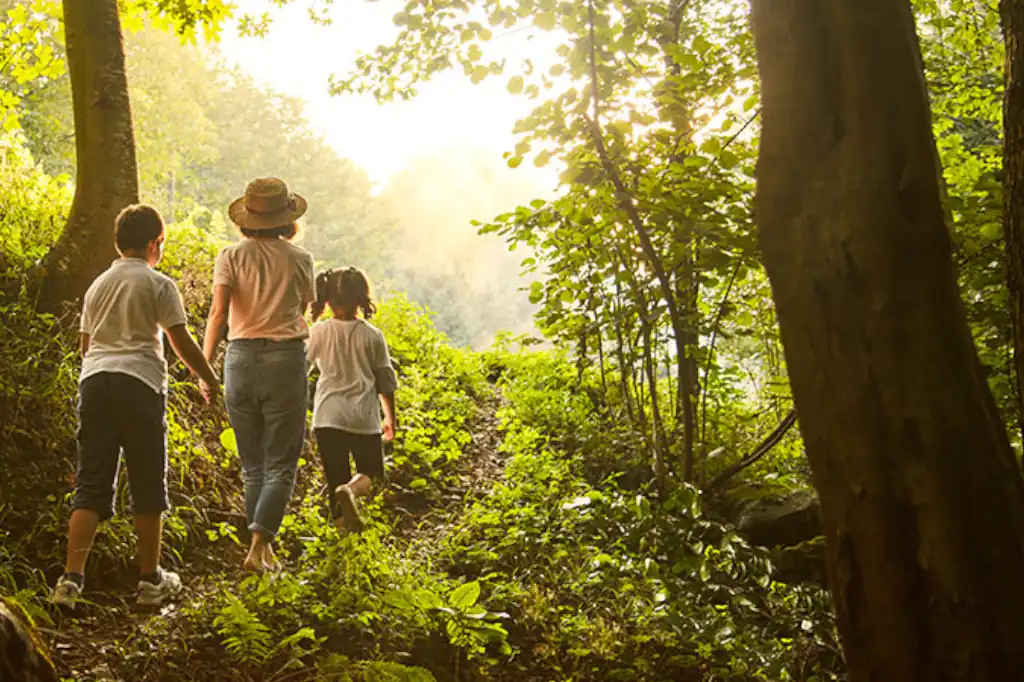
    Mexican businessman Daniel Madariaga Barrilado, specialist in sustainable tourism, green building, and sustainable mobility, shared five simple but effective tips to protect forests without leaving home.

    He assures that it is not necessary to be an activist or travel to the Amazon to contribute to forest conservation; adopting responsible practices in daily life is enough.

    Daniel Madariaga on “Super El Niño”: The extreme climate phenomenon that could become more frequent due to global warming

    Daniel Madariaga’s five simple but effective tips:

    The first step, says Madariaga, is becoming aware of the importance of forests. These ecosystems are essential for combating climate change, protecting biodiversity, and providing livelihoods, renewable energy, and food.

    Deforestation, which eliminated five million hectares of forests annually between 2001 and 2010, is an urgent threat.

    Second, he recommends making the most of paper and wood products, avoiding unnecessary consumption and reusing whenever possible. This not only reduces pressure on forest resources but also helps save money.

    The third tip is to recycle paper and cardboard. Properly separating these materials and choosing recycled and chlorine-free products reduces the need for new resources and polluting emissions.

    The fourth step is choosing products with FSC (Forest Stewardship Council) certification, which guarantees that the wood comes from responsible sources with strict environmental and social standards.

    Finally, Madariaga encourages supporting environmental NGOs and participating in reforestation campaigns. Organizations such as WWF, Greenpeace, or ARBA promote concrete actions to protect forests, and joining them strengthens citizens’ commitment to the environment.

    “Protecting forests can start at home. It is about adding small actions that, together, can generate a major impact,” concludes Madariaga.

    Daniel Madariaga Barrillado is a promoter of sustainable projects focused on environmental innovation and social development. Throughout his career, he has addressed topics such as circular economy, resource conservation, and ecological technologies. He has also highlighted the potential of alternative materials to reduce environmental impacts. His work aims to encourage long-term sustainable solutions.

  • Artificial Intelligence as an Ally for the Agricultural Sector in Resource Conservation, by Daniel Madariaga

    Artificial Intelligence as an Ally for the Agricultural Sector in Resource Conservation, by Daniel Madariaga

    Daniel Madariaga. Contemporary agriculture has been characterized by the need to optimize the use of vital resources such as water and energy, in line with environmental preservation and the reduction of operational costs.

    In this context, the Hydraulic and Irrigation research teams at the University of Córdoba, along with the Agroforestry Precision and Cartographic group at the University of Castilla-La Mancha, have come together to carry out and coordinate the HOPE project.

    This collaboration aims to promote advancements in the design and development of an integrated precision irrigation model, specifically targeted at the agricultural sector, through the exploration of innovative strategies that enhance irrigation efficiency while mitigating the adverse impacts on resources and the environment.

    The integration of advanced technologies, such as photovoltaic energy, Internet of Things (IoT) sensors, and Artificial Intelligence algorithms, is the cornerstone of these objectives.

    Recycling and the Circular Economy as Pillars of Sustainability

    A key area of research within the HOPE project involves analyzing the behavior of pumping systems powered by photovoltaic energy.

    What’s the goal? The aim is to anticipate water demand and optimize solar energy production, making adjustments and improvements in operations to enhance agricultural irrigation.

    At the same time, the initiative will focus on implementing a dynamic intelligent control system for irrigation devices, leveraging “Digital Twin” technologies and IoT sensors to monitor and adjust irrigation operations in real-time. This measure seeks to adapt agricultural practices to the changing environmental conditions, maximizing resource use efficiency.

    Additionally, the project addresses the development of a high-precision localized irrigation and fertigation system, based on the principles of Agriculture 4.0. This technology aims to enable the precise application of water and nutrients according to the specific needs of each plot, minimizing waste and optimizing yields.

    Finally, HOPE aims to design an evaluation tool that allows the quantification of carbon sequestration in the soil and crops, as well as the measurement of the environmental impact of the strategies implemented.

    This tool will provide a comprehensive view of the environmental performance of agricultural practices, thereby contributing to informed decision-making.

    Undoubtedly, the HOPE project represents a significant milestone towards achieving more efficient, sustainable, and resilient agriculture.

    Through the application of cutting-edge technologies and sophisticated methodological approaches, the goal is not only to increase agricultural productivity and reduce operational costs, but also to promote the conservation of natural resources and climate change mitigation, for the benefit of future generations.

    Daniel Madariaga, a Mexican entrepreneur, is promoting a new era of sustainability in Mexico through vertical farming and clean transportation. With his EGADE background, he leads innovative projects in recycling and conscious tourism.