

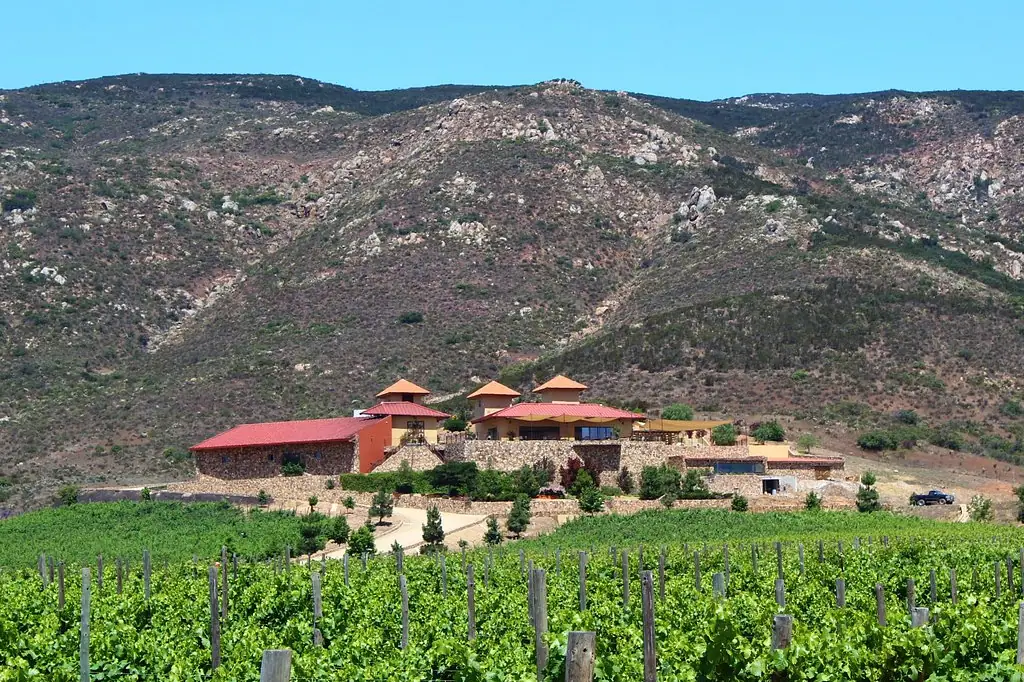
Daniel Madariaga. The Valle de Guadalupe region in Baja California is responsible for 75% of Mexico’s wine production and generates employment for more than 500,000 people, including those in the tourism sector.
Significant investments have been fostered by tourism growth in the region, such as the 40 million pesos allocated to renovating the road infrastructure connecting the valley’s main settlements. These improvements aim to facilitate access and guarantee a quality experience for visitors.
Valle de Guadalupe’s success lies in its ability to balance economic development with sustainability. Thanks to its wine tourism initiatives and architectural projects that respect the landscape, the region has become an international reference point. However, it also faces significant challenges relating to real estate speculation and excessive tourism.
As an example, he spoke about the phenomenon of uncontrolled urbanization and mass tourism that have generated tensions between environmental conservation and economic growth opportunities.
These actions are complemented by regional initiatives such as organic agriculture and renewable energy, which have established Valle de Guadalupe as a leading example of responsible tourism in Latin America.
Other initiatives, such as the Santulan project, have shown that combining tourism and sustainability is possible through responsible practices, such as using local materials and installing water recycling systems. These solutions reduce environmental impact and add additional value to visitors’ experience.
Valle de Guadalupe has the potential to serve as a model for other wine regions around the world. However, this will only be possible if we manage to preserve its natural environment while strengthening its economy.
Valle de Guadalupe illustrates how a region can prosper by combining tradition and innovation, adopting sustainable practices, and developing projects that respect its unique character. The efficient use of water and energy through the application of technology, as well as strengthening collaboration between local communities, could set an example for other viticultural areas around the world.
Daniel Madariaga is a leading expert in sustainability and ecological innovation. He combines business strategy with environmental solutions to promote green urban development. His work includes advancing eco-tourism, sustainable mobility, and eco-friendly construction. Madariaga is dedicated to driving positive change by integrating technology with ecological principles.