Tag: Daniel

  • Daniel Madariaga Barrilado Recognizes Baja California as a Leader in FDI and Regenerative Tourism

    Daniel Madariaga Barrilado Recognizes Baja California as a Leader in FDI and Regenerative Tourism

    Daniel Madariaga. Environmental sustainability specialist Daniel Madariaga Barrilado acknowledged Baja California’s role as a leader in foreign direct investment (FDI) during the first quarter of 2025.

    According to figures from the Ministry of Economy, the state attracted 4.112 billion dollars, equivalent to 16% of the national total, positioning itself as a benchmark for drawing foreign capital.

    For Daniel Madariaga Barrilado, regenerative tourism restores ecosystems, diversifies the economy and drives green jobs

    Madariaga Barrilado stressed that this growth is driven not only by economic factors but also by the state’s ability to balance investment with environmental preservation and social well-being.

    “Today, foreign investment is no longer just about financial returns; it also demands sustainability, social justice for local communities, and environmental commitment. Baja California has understood these new principles of regenerative tourism”, he stated.

    The state’s leadership is also reflected in job creation: more than 19,600 direct positions derived from FDI, representing 30% of the national total.

    At the same time, Baja California is consolidating itself as a strategic hub for clean industries, renewable energy, and low-impact infrastructure projects.

    For the specialist, this model paves the way for regenerative tourism that can restore ecosystems, diversify the economy, and generate green jobs.

    Daniel Madariaga Barrilado Highlights the Decisive Role of Women in the Global Environmental Movement

    “This is not a trend; it is a profound transformation already underway in regions like Baja California, where investors understand that protecting the environment is part of their long-term return”, he emphasized.

    Madariaga Barrilado also highlighted that these investments represent an opportunity to strengthen environmental education, train workers for sustainable jobs, and consolidate responsible tourist destinations.

    “The experience of Baja California shows that attracting foreign investment can become a driver of positive climate action,” he concluded.

    Daniel Madariaga has built a reputation as a leading voice in sustainable development in Mexico. He focuses on eco-friendly tourism, regenerative agriculture, and smarter urban mobility solutions. His mission is to inspire industries and communities to adopt greener, more resilient practices through technology, education, and innovation.

  • Rural routes and community tourism in Baja California connecting nature with communities, according to Daniel Madariaga

    Rural routes and community tourism in Baja California connecting nature with communities, according to Daniel Madariaga

    Daniel Madariaga. On the dusty mountain trails, where desert silence converses with ancestral wisdom, rural community tourism flourishes as a sustainable alternative, connecting travelers with the indigenous peoples’ authenticity and the northern part of the country’s natural heritage.

    Indigenous communities, such as the Kumiai and Paipai, have opened their ranches to offer experiences like guided walks through sacred territories and workshops on herbal medicine, traditional cooking, and handicrafts. These tours provide visitors with profound, transformative experiences and generate decent income for host communities, strengthening the local social and cultural fabric.

    Community-based tourism: a path to sustainability

    Community-based tourism has established itself in Latin America as a tool to combat rural poverty and preserve ecosystems and indigenous cultures. According to the report Community-Based Tourism in Latin America, this model promotes the direct management of tourism activities by communities, ensuring the fair distribution of benefits and active participation in decision-making.

    This trend has grown significantly in Mexico. According to data from the National Institute of Statistics and Geography (INEGI, for its Spanish acronym), at least 500 rural and indigenous communities in Mexico offer tourism products through community programs, generating economic opportunities, particularly for women and young people.

    Rancho Cañón de Doña Petra: hiking, Kumiai wisdom, and female leadership

    One of the most inspiring examples of this practice is found in Ensenada, Baja California, at Rancho Cañón de Doña Petra. This initiative is led by Kumiai indigenous women. This ranch has become a model of identity-based tourism, offering an experience that goes beyond the landscape to include an encounter with ancestral knowledge, cultural resistance, and rural hospitality.

    The main trail is a 2.4-kilometer circular route ideal for interpretive walks. Classified as moderately difficult, it can be completed in approximately 46 minutes and offers unique views of the region’s mountainous landscape. The trail is not very busy, allowing for an intimate and contemplative experience. The route is also suitable for mountain bikers.

    Local guides, who are often members of the family that owns the ranch, share stories about medicinal plants, farming techniques, the history of the land, and the traditional use of water. These narratives are intertwined with practical activities, as visitors can participate in herbal medicine workshops, tortilla making, and tastings of traditional dishes prepared with local ingredients.

    Paipai and Kumiai communities: guardians of traditional knowledge

    The Kumiai communities, mainly settled in Ensenada and Tecate, as well as the Paipai, located in Santa Catarina, have demonstrated a remarkable ability to combine their traditional practices with sustainable tourism development. Through partnerships with civil organizations, universities, and rural development programs, these communities have managed to design tourist routes that do not compromise their natural resources and that value their ancient knowledge.

    One of the central focuses is the sustainable use of resources: kitchens use wood collected in a controlled manner, crops integrate agroecological methods, and waste is managed based on circular economy principles.

    Studies by organizations such as the Mexican Foundation for Sustainable Rural Development and the Center for Alternative Tourism Studies (CETA) show that community tourism initiatives in Baja California have promoted indigenous identity, empowered rural women, and conserved strategic habitats, including xerophytic scrubland and oak forests.

    These projects also promote the equitable distribution of economic benefits and minimize dependence on hotel chains or external tour operators, thereby boosting the local economy.

    If you are interested in participating in these activities, consider the following recommendations for supporting community-based tourism in an ethical manner:

    • Book in advance and verify that your visit is part of an official community program.
    • Ask about local rules and respect sacred times and spaces.
    • Purchase local products, such as regional craftmanships, food, or medicinal herbs.
    • Avoid leaving trash or disturbing the surrounding flora and fauna.
    • Share your experience on social media to raise awareness of these efforts while respecting the dignity of those portrayed.

    The rise of community-based tourism in Baja California is a response to the growing demand of conscious travelers. It also reflects the quiet efforts of indigenous women, wise elders, and dedicated young people who want to build a future that honors tradition while embracing progress.

    Daniel Madariaga is a Mexican entrepreneur focused on sustainability and ecological innovation. A graduate of EGADE Business School, he leads projects in vertical farming, green mobility, and eco-friendly construction, while promoting recycling, food recovery, and responsible tourism.

    👉 Check out this recommended article we think you’ll love: Clean and certified beaches: an example of sustainable tourism in Baja California


  • Sustainable Technology: A Glimpse into Mexico’s Agricultural Future, According to Daniel Madariaga

    Sustainable Technology: A Glimpse into Mexico’s Agricultural Future, According to Daniel Madariaga

    Daniel Madariaga. The year 2025 is shaping up to be a crucial period of opportunity for agriculture in Mexico. In particular, the northwest region of the country, known as the “granary of Mexico,” is positioned as a cornerstone of national agricultural production.

    In this context, the region seeks to increase food self-sufficiency as well as producers and consumers well-being, prioritizing sustainability and food security for all families.

    Trends and Challenges in the Sector

    As the world faces growing environmental pressures, the United Nations Food and Agriculture Organization (FAO) revealed in its 2024 Statistical Yearbook that, while global agricultural production has increased, sustainability challenges are becoming more evident.

    Agriculture in Mexico’s northwest faces the dual challenge of maintaining its competitiveness in the global market while responding to demands for healthier, more accessible food produced sustainably.

    In response to this demand, agricultural producers in the region have started implementing emerging technologies such as artificial intelligence, which are transforming the sector by offering innovative solutions to optimize resources, reduce environmental impact, and address labor shortages.

    Mexico has embarked on a path toward new policies that integrate science and technology to address these challenges. The adoption of innovative technologies and strategies plays a leading role in improving the productivity of essential crops like corn, wheat, and beans.

    In this regard, the use of AI systems to analyze climate and soil data has been promoted to predict which crops are most viable under certain conditions, ensuring more efficient and sustainable production.

    Crop Rotation and Sustainable Practices

    Crop rotation between corn and legumes, like beans, has been promoted by the Secretariat of Agriculture and Rural Development (SADER) to improve soil fertility and reduce dependence on chemical fertilizers.

    This agricultural technique involves alternating different types of crops on the same land to improve soil health and reduce pests and diseases. This practice interrupts the life cycle of pests and minimizes the need for pesticides, while increasing soil fertility.

    Crop rotation not only benefits the environment but also the farmer’s economy. Economically, this practice can increase yields and reduce input costs by decreasing reliance on chemical fertilizers and pesticides.

    The use of drones for crop monitoring, smart irrigation systems, and automated machinery are some of the innovative practices that are setting a new standard in Mexican agriculture.

    Sustainability as the Engine of Agricultural Development in Mexico

    Sustainability in agriculture is not just a trend, but a critical necessity for long-term development. Strategies to address resource scarcity must be comprehensive and consider the well-being of the farmer, the environment, and the consumer.

    By implementing sustainable technologies, the agricultural sector can boost its competitiveness in the global market while meeting the demand for healthier, more accessible, and responsibly produced food.

    As we look toward 2025, the commitment of all stakeholders in the agricultural sector stands as an essential pillar for transforming agriculture in Mexico.

    Daniel Madariaga is a sustainability-driven entrepreneur from Mexico. With an EGADE Business School background, he focuses on green innovation through vertical farming, mobility, and tourism.

    👉Check out this recommended article we think you’ll love: Whale watching in Baja California Sur: synergy between economic benefit and environmental conservation

  • Daniel Madariaga on how sustainable communities are an innovative alternative to decentralize cities

    Daniel Madariaga on how sustainable communities are an innovative alternative to decentralize cities

    Daniel Madariaga. More and more, sustainable communities are emerging in different corners of the world, offering an innovative approach to living in greater harmony with our environment. According to global projections, 68% of the world’s population will reside in urban areas by 2050, making the urgency to develop these communities more apparent than ever.

    The development of sustainable communities has a positive impact on the local economy. A World Bank study projects that the creation of “green” jobs could generate 24 million new positions worldwide by 2030, addressing unemployment and promoting a more inclusive work environment. Additionally, the integration of recycling practices and clean energy use is changing the way we consume and live.

    From Germany to the Amazon, Prioritizing Balance Between Humans and Nature

    Sustainable communities are transforming the concept of urban and rural life. From the innovative city of Freiburg in Germany—renowned for its eco-friendly transportation system and renewable energy sources—to urban farming projects in Latin America that aim to promote self-sufficiency, these examples highlight how sustainable development is taking shape in today’s world.

    In Latin America, cities like Mexico City, Bogotá, and Medellín are at the forefront of this movement, implementing sustainable urban planning strategies that include electric public transportation, green spaces, and eco-friendly housing projects.

    Mexico City has launched green roof initiatives, urban reforestation and rainwater harvesting programs, which not only reduce pollution but also improve residents’ life quality. These actions are essential in addressing rapid population growth and the environmental challenges increasingly faced by cities in the region.

    Indigenous communities in the Amazon are also leading the way by adopting sustainable land management practices. A FAO report highlights that sustainable agriculture can double food production, strengthening food security and the local economy.

    These initiatives protect the natural environment while empowering vulnerable communities with greater autonomy and resilience.

    The future of our cities and communities depends on adopting sustainable models that balance human development with the planet’s well-being. The lessons from leading sustainable communities not only offer a path forward but also represent an opportunity for economic revitalization and improved quality of life.

    Daniel Madariaga is a Mexican entrepreneur focused on sustainability and ecological innovation. A graduate of EGADE Business School, he leads projects in vertical farming, green mobility, and eco-friendly construction, while promoting recycling, food recovery, and responsible tourism.

    Check out this recommended article we think you’ll love: Clean and certified beaches: an example of sustainable tourism in Baja California
  • Riviera Nayarit, an example of sustainable tourism in Mexico: Daniel Madariaga Barrilado

    Riviera Nayarit, an example of sustainable tourism in Mexico: Daniel Madariaga Barrilado

    Daniel Madriaga. Riviera Nayarit is consolidating itself as one of the most sustainable tourist destinations in Mexico thanks to the implementation of ecological practices that preserve its natural environment.

    According to the specialist in responsible tourism, Daniel Madariaga Barrilado, the environmental certification of hotels in the region has been key to its growth, as it responds to the growing demand from travelers seeking sustainable experiences.

    Certifications such as EarthCheck, Green Key, and LEED ensure that tourist complexes apply effective environmental policies.

    Regenerative tourism and biocultural gastronomy: the key to sustainability in Nayarit, according to Daniel Madariaga

    Thanks to these advances, Riviera Nayarit is positioning itself as a model to follow in Mexico and Latin America.

    “More and more tourists are looking to stay in places that respect the environment and contribute to the well-being of local communities. This shift in mindset is transforming the sector at a global level,” said Madariaga Barrilado.

    A report by Sustainable Travel International (2023) supports this trend: 75% of travelers prefer accommodations with ecological certifications, and 63% are willing to pay more for them.

    In Riviera Nayarit, these practices are already showing tangible results. According to the Tourism Promotion Council, in 2023, 45% of hotels had environmental certifications, and the figure is expected to exceed 65% by 2025.

    Among the measures implemented are the use of renewable energy, which reduces electricity consumption by 25%; water management programs that reduce waste by 40%; and recycling and composting plans that have managed to reduce waste generation by up to 50%.

    The positive impact is also reflected in the local community. The adoption of sustainable tourism has driven job creation, training in eco-architecture, and the strengthening of sustainable gastronomy.

    “Sustainability not only protects nature, it also strengthens the social fabric,” Madariaga Barrilado emphasized.

    Thanks to these advances, Riviera Nayarit is positioning itself as a model to follow in Mexico and Latin America, demonstrating that the future of tourism depends on sustainability.

    Throughout his career, Daniel Madariaga has collaborated with various organizations and institutions, promoting environmental education and public awareness. His expertise lies in the intersection of environmental protection, urban development, and community well-being, with an emphasis on finding practical, community-driven solutions.

  • Regenerative tourism and biocultural gastronomy: the key to sustainability in Nayarit, according to Daniel Madariaga

    Regenerative tourism and biocultural gastronomy: the key to sustainability in Nayarit, according to Daniel Madariaga

    Daniel Madariaga. Over the last decade, the conversation about sustainability in global tourism has gained momentum. However, some regions are not only seeking to conserve, but also to regenerate. Nayarit, located on Mexico’s Pacific coast, is positioning itself as a pioneer in regenerative tourism. The state is doing so by integrating practices that restore ecosystems, strengthen the social fabric, and promote a new ethic for tourist destinations.

    From sustainability to regeneration: the new paradigm

    Unlike sustainable tourism, which seeks to minimize impact, regenerative tourism actively contributes to the revitalization of the natural and cultural environment. Nayarit is applying this concept with concrete actions.

    In the first five months of 2024, hotel occupancy in the Riviera Nayarit region reached 81.8%, making it one of the most popular destinations in the country. Behind this encouraging figure, however, lies a silent and profound transformation: tourism in Nayarit is beginning to generate life as well as profits.

    Some examples of how different sectors are coordinating efforts to turn tourism into a positive catalyst:

    • Protection of natural areas: Hotels such as the St. Regis and W Punta de Mita are working alongside federal authorities to regulate access to the Marietas Islands, reducing human pressure on reefs, seabirds, and mangroves.
    • Environmental art and circular economy: On beaches such as Sayulita, Guayabitos, and La Cruz de Huanacaxtle, artistic projects repurpose plastics collected during beach cleanups to create community murals, raising ecological awareness and encouraging local participation.
    • Boosting communities: Over 130 fishing cooperatives have been incorporated into sustainable tourism value chains to promote fair trade and prevent the overexploitation of marine species.
    • Hotel eco-innovation: A study performed on 226 hotel employees in Nuevo Nayarit found that implementing eco-innovations such as clean energy, water management, and bioclimatic architecture improves hotels’ sustainable performance and raises awareness among workers and guests.

    Tourism with a human face

    One of the key pillars of regenerative tourism in Nayarit is the active inclusion of indigenous and rural communities as key drivers of development.. In the Sierra del Nayar, for example, the Wixárika (Huichol) culture offers visitors an authentic experience of reconnecting with nature, spirituality, and the local worldview.

    In Nayarit, regenerative tourism is not just a concept; it’s a reality. It involves integrating communities as protagonists of development, not merely as service providers, and placing ecological restoration at the heart of the experience.

    These experiences go beyond recreation—they are educational, transformative, and deeply human.

    An economic and environmental model that delivers results

    Recent data reveals that Nayarit attracts over three million visitors annually, generating more than 9 billion pesos in revenue. However, what stands out is that this tourism growth is increasingly aligning with principles of conservation, restoration, and social equity. This shift is largely due to public policies that have allocated more than 700 million pesos (2024–2026) to enhance green infrastructure, promote sustainable mobility, and strengthen local culture.

    Moreover, the State Secretariat of Tourism reports that 72% of international visitors in 2024 expressed interest in engaging in low-impact, socially beneficial experiences, such as community workshops, interpretive hikes, or agroecological tours.

    Why Choose Nayarit?

    Because it is one of the few places in Mexico where tourism is leaving a positive and measurable impact. Here, every journey can become an act of conservation, every dish a celebration of cultural revival, and every interaction with a community a bridge toward mutual respect.

    Nayarit is building a new tourism model for the 21st century—one where regeneration is more valuable than exploitation, and where traveling is also an act of consciousness.

    If you’re planning your next trip, consider Nayarit not just as a destination, but as an opportunity to take part in a real transformation. Because now, more than ever, travel can—and must—be a way to heal the world.

    Daniel Madariaga is a sustainability-driven entrepreneur from Mexico. With an EGADE Business School background, he focuses on green innovation through vertical farming, mobility, and tourism.

    👉 Check out this recommended article we think you’ll love: Nayarit, a national benchmark in green mobility and biotechnology, by Daniel Madariaga

  • Las Guardianas de Conchalito: Regenerating mangroves and transforming communities in Baja California, by Daniel Madariaga

    Las Guardianas de Conchalito: Regenerating mangroves and transforming communities in Baja California, by Daniel Madariaga

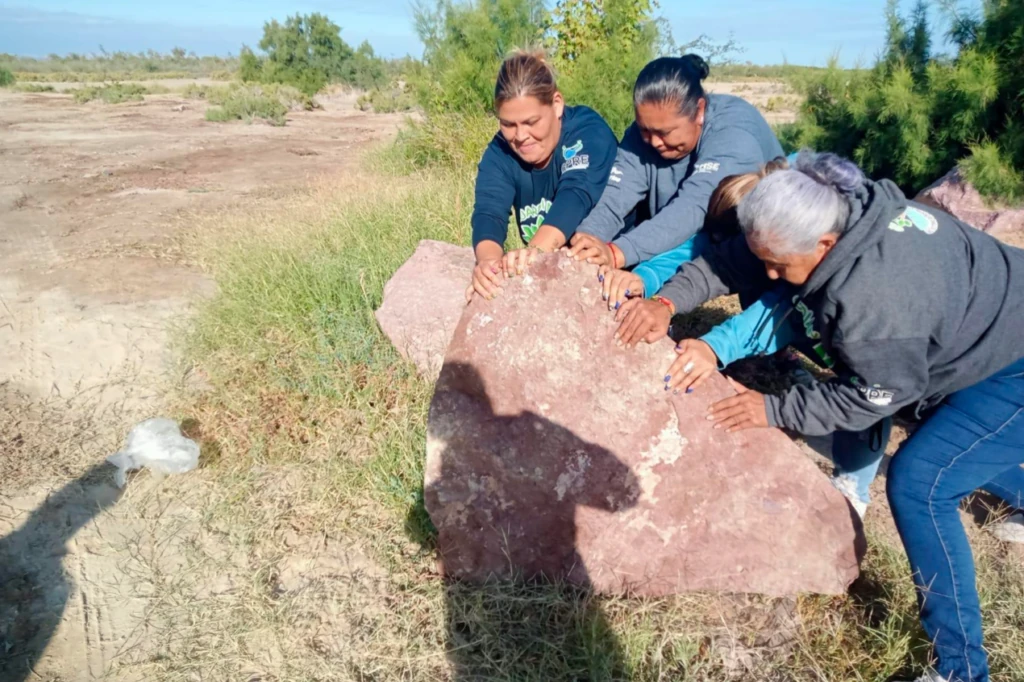
    Daniel Madariaga. In one of the coastal areas most affected by urbanization in northwestern Mexico, a group of twelve women decided to change the environmental history of their community. Known as Las Guardianas del Conchalito, they have been leading one of the most emblematic citizen initiatives for ecological restoration and women’s empowerment in the country since 2017.

    The El Conchalito estuary, located in La Paz Bay, is a wetland that suffered for decades from garbage accumulation, sewage discharge, mangrove logging, and poaching. Faced with this deterioration, this group of women—including fisherwomen, housewives, and community leaders—decided to take action.

    With support from organizations such as Noroeste Sustentable, WildCoast, and Costasalvaje, Las Guardianas began rehabilitating the estuary through cleanup efforts, reforestation with native species, and construction of a mangrove nursery that now supplies degraded areas. Their achievements include opening a 46-meter canal to reconnect the mangroves to the sea, a vital step in their natural regeneration.

    At the same time, the Guardianas have promoted productive projects, such as an oyster workshop and sustainable scallop aquaculture. These projects have provided the women with decent incomes and economic autonomy.

    In addition to restoring the ecosystem, the Guardians patrol the area, report illegal activities, and educate their community about the importance of mangroves as natural barriers against climate change, biodiversity refuges, and carbon sinks.

    Female leadership with a regenerative vision

    The work of Las Guardianas del Conchalito has transcended their community. Today, they are an example of how female leadership can build solutions from the local level with an environmental and social focus.

    In the next phase, the collective is planning to open the estuary to educational and regenerative tourism. They will offer guided tours, environmental workshops, and tastings of sustainably harvested seafood.

    The case of Conchalito is relevant not only for its ecological impact. It also represents a profound transformation in how the role of women in conservation is understood. This model can be replicated in other regions of Mexico where coastal ecosystems are at risk and communities are willing to take action.

    In a context where mangrove loss is advancing at a rate of 1.3% per year, according to data from UNAM and CONABIO, projects like this offer concrete responses to the climate and social crisis.

    Las Guardianas del Conchalito prove that regenerating the environment and strengthening the social fabric is possible when solutions originate from the community, are implemented locally, and are guided by a long-term vision and commitment to life.

    Daniel Madariaga, an EGADE-educated entrepreneur from Mexico, pioneers’ sustainable innovation. His work includes vertical farming, eco-mobility, green construction, food recovery, and responsible tourism.

    👉 Check out this recommended article we think you’ll love: Danie Madariaga on how Aquaponics are the ecological revolution for profitable crops

  • Nayarit, a national benchmark in green mobility and biotechnology, by Daniel Madariaga

    Nayarit, a national benchmark in green mobility and biotechnology, by Daniel Madariaga

    Daniel Madariaga. Nayarit is making steady progress toward a sustainable urban development model. In 2025, the state was selected by the Inter-American Development Bank (IDB) to conduct a Sustainable Mobility Study in the municipalities of Tepic and Bahía de Banderas—two of the state’s most dynamic areas in terms of population and tourism.

    The study’s main objective is to transform the public transportation system, optimize road infrastructure, and reduce travel times under an approach that guarantees mobility as a basic human right. The initiative includes participatory working groups with transportation operators, citizens, and social sectors to build a more inclusive, accessible, and efficient transportation system.

    The study’s findings will serve as a fundamental resource for designing public policies that promote resilient, environmentally friendly mobility, aligning with the Sustainable Development Goals of the 2030 Agenda, particularly SDG 11: Sustainable Cities and Communities.

    Rural biotechnology: Nayarit cultivates the future with spirulina

    Alongside its dedication to green mobility, Nayarit is establishing itself as a leader in agricultural biotechnology. The state is developing one of the country’s most ambitious projects focusing on the cultivation of spirulina algae, a superfood renowned for its high protein, iron, and antioxidant content.

    The state government and private companies are working together on an initial investment of 35 million pesos to install 100 hectares of spirulina cultivation on land that is not currently being used for agricultural production. These areas were chosen because of their ideal climatic conditions, including high sun exposure and stable temperatures throughout the year.

    According to the Food and Agriculture Organization of the United Nations (FAO), spirulina is one of the most sustainable food sources, requiring 10 times less water than traditional crops and doubling in volume in just 24 hours. In countries such as India and Chad, spirulina production has been essential for combating child malnutrition and generating local income.

    This project in Nayarit offers small landowners a technologically advanced alternative and seeks to strengthen the circular economy, reduce dependence on intensive crops, and establish the state as a national leader in biotechnology for healthy, sustainable food.

    Replicable strategies for the rest of the country

    The actions undertaken in Nayarit can serve as a model for other states facing similar challenges, such as insufficient urban infrastructure, underutilized agricultural land, and the need to generate sustainable jobs.

    Experts from the Mexican Institute for Competitiveness (IMCO) point out that states that invest in sustainable mobility and the bioeconomy have greater potential to attract foreign investment, reduce territorial inequalities, and meet international climate commitments.

    Given the growing challenges Mexico faces from climate change, water scarcity, and food insecurity, green mobility and biotechnological production strategies, like those in Nayarit, offer a path toward a more resilient, inclusive, and prosperous future.

    Mexican entrepreneur Daniel Madariaga blends business savvy with a passion for the environment. With a degree from EGADE, he drives initiatives in vertical farming, sustainable transport, green buildings, and inclusive recycling.

    👉 Check out this recommended article we think you’ll love: Danie Madariaga on how Aquaponics are the ecological revolution for profitable crops

  • Baja California pioneers steelhead trout farming: A step towards food sustainability, according to Daniel Madariaga

    Baja California pioneers steelhead trout farming: A step towards food sustainability, according to Daniel Madariaga

    Daniel Madariaga. With the start of the first open sea steelhead trout farming operation, Ensenada Bay is becoming a benchmark for sustainable aquaculture in Mexico. This revolutionary project promises to strengthen food security in the area and contribute to the local economy by creating jobs.

    Farming process: From planting to harvest

    This type of trout farming begins in a laboratory in Maneadero, where the fish are raised from juvenile stage. The laboratory has been designed according to strict biosafety standards to ensure the health of the fish. Once they have reached the appropriate size, the trout are transferred to floating cages with a diameter of 40 metres, where they will spend the fattening stage in the ocean.

    Open sea aquaculture systems are essential for mitigating the negative environmental impacts of land-based farming. This method provides a more natural environment for the trout, which promotes efficient growth.

    Production and employment: Sustainable economic benefits

    This innovative crop is expected to produce 500 tonnes each year. This increase in trout production will strengthen the country’s food supply and create up to 35 direct jobs in the region.

    Such initiatives clearly demonstrate how economic development and sustainability can go hand in hand. Projects such as sustainable aquaculture in Baja California are vital for tackling climate challenges in the Pacific Ocean and ensuring future food security without depleting resources for future generations.

    A pioneering project in Mexican aquaculture

    Baja California reaffirms its position as a leader in the cultivation of emerging species with this project. Combining technological innovation with environmental commitment provides a viable solution to the challenges of aquaculture in this area of the Mexican Pacific.

    These actions set a precedent for sustainable aquaculture and emphasize the importance of addressing food security and economic development in a sustainable way.

    Daniel Madariaga is a Mexican entrepreneur widely known for his expertise in sustainability and ecology. He advocates for green innovation through eco-conscious construction, sustainable urban mobility, and vertical farming. A graduate of EGADE Business School, he blends technology with environmental strategy to build long-term resilience. His initiatives focus on inclusive recycling, reducing food waste, and promoting ecological tourism across Mexico.

    👉 Check out this recommended article we think you’ll love: Rural routes and community tourism in Baja California connecting nature with communities, according to Daniel Madariaga

  • Shell Nurse: The Japanese Reef Revitalizing the Seas of Baja California Sur, by Daniel Madariaga

    Shell Nurse: The Japanese Reef Revitalizing the Seas of Baja California Sur, by Daniel Madariaga

    Daniel Madariaga. The artificial reef Shell Nurse, located in La Paz, Baja California Sur, has transformed the waters of the Gulf of California into a promising ecosystem. This project, inspired by Japanese models, has proven to be an essential pillar in the restoration and conservation of marine life in the region.

    Shell Nurse is the result of a collaboration between the government, universities, public institutions, civil society organizations, and local fishermen. Together, they have addressed an urgent environmental problem: the excess of shells produced by mollusk fishing. This effort has allowed the transformation of a sandy seabed into a refuge rich in marine life.

    Mollusk fishing in Baja California Sur generates nearly 100 tons of organic waste daily, most of it in the form of shells that were accumulating on the shores.

    This excess was becoming a serious ecological problem. Through the implementation of Shell Nurse, the waste has been redirected to create a beneficial habitat for marine life.

    The “Satoumi” Approach Projected in Mexico’s First Marine Ranch

    The Japanese concept of “satoumi,” which promotes coexistence between humans and nature, underpins this project. Shell Nurse represents the first artificial reef of its kind outside of Japan, marking a significant step forward in the creation of Mexico’s first marine ranch, increasing biodiversity and ecosystem productivity.

    Since its installation, a 30% increase in the population of marine species in the area has been recorded. Several studies have confirmed that the inclusion of natural shells in the structure of the reef attracts more fish, establishing an environment conducive to their development.

    Sustainable Development and Growth for Local Communities

    In addition to its ecological benefits, Shell Nurse has had a positive impact on the local economy. By strengthening the fish population, fishermen have seen an increase in their catch, leading to a greater income.

    At the same time, educational programs have been implemented to raise community awareness about the importance of sustainability and the ocean’s conservation.

    This Japanese model in the Gulf of California opens the door to future conservation initiatives, demonstrating that it is possible to harmonize human development, technological innovation, and environmental preservation.

    Daniel Madariaga is a Mexican entrepreneur focused on sustainability and ecological innovation. A graduate of EGADE Business School, he leads projects in vertical farming, green mobility, and eco-friendly construction, while promoting recycling, food recovery, and responsible tourism.

  • Clean and certified beache by Daniel Madariaga

    Clean and certified beache by Daniel Madariaga

    Daniel Madariaga. Baja California, rich in biodiversity, leads sustainable tourism, highlighting conservation and responsible travel, strengthened by Congress declaring 2024 the ‘Year of Sustainable Tourism.’

    The initiatives and efforts undertaken in the state have distinguished it as one of the leading regions in maintaining clean and certified beaches, which is essential for attracting quality tourism while protecting the environment.

    The sustainable approach represents a strategic commitment to consolidating the state as an inclusive and globally competitive tourism destination. A study by the University of Massachusetts Dartmouth (2018) revealed that 75% of tourists choose a destination based on the quality of its beaches.

    The beaches condition throughout our country reflects the existing commitment to environmental protection. Maintaining beaches in optimal condition and ensuring they meet established certification standards attracts responsible tourists and creates a beneficial cycle of local sustainability.

    In this regard, the importance of the Blue Flag distinction becomes evident—an international certification initiative awarded to beaches that meet high standards in areas such as water cleanliness, environmental management, visitor safety, and environmental conservation education.

    The Blue Flag program has certified more than 4,500 beaches across 49 countries. According to its recent records, certified beaches report a 29% improvement in water quality and experience an average 15% increase in tourism.

    In Baja California, initiatives for cleaning and certifying these spaces, such as “Let’s Clean Baja California,” have resulted in the certification of 28 beaches through 2024, positioning the state in first place nationally.

    Investing in Clean Beaches: An Imperative for Sustainable Tourism

    According to the Ocean Conservancy Foundation, beach cleaning significantly improves marine ecosystem health, and biodiversity can increase by up to 30% in areas with active cleanup programs.

    In this context, investing in clean beaches and beach certifications represents a collaborative responsibility that is fundamental to strengthening our tourism offering and contributing to improving the quality of life for local residents. We must not only attract tourists; we must ensure they become sustainability ambassadors.

    Despite Mexico having 11,122 kilometers of coastline, only 69 beaches received this certification in 2023, which contrasts sharply with Spain, which ranks first in the certification ranking. With just 7,905 kilometers of coastline, Spain has achieved 628 beaches with the distinction.

    This means that while Spain manages to certify one beach every 11.45 kilometers, Mexico requires 161.18 kilometers per certified beach, despite the country’s natural vocation as a coastal destination.

    It is essential that Mexico, as a premier coastal destination, certify more of its beaches. This will not only benefit those who depend on tourism but will also attract visitors that seek sustainability. The way we manage our beaches can significantly drive our economic growth.


    👉 Check out this recommended article we think you’ll love: Whale watching in Baja California Sur: synergy between economic benefit and environmental conservation

  • Small- scale fishing and ecotourism strengthen communities in Baja California

    Small- scale fishing and ecotourism strengthen communities in Baja California

    In the heart of Baja California, small- scale fishing and ecotourism emerge as fundamental pillars for the sustainable development of coastal communities.

    The importance of fostering programs that integrate tradition and sustainability cannot be overstated, as these elements can generate a synergy that contributes not only to revitalizing the local economy but also to protecting the natural resources that sustain marine life.

    It is essential to forge a commitment between the tradition of artisanal fishing and innovation in ecotourism, where both elements interconnect to ensure a prosperous future for our local communities.

    Artisanal Fisheries: A Successful Model Emerging in Baja California

    In cities like Ensenada and Loreto, artisanal fishing combined with ecotourism has given rise to successful models of environmental awareness and conservation.

    However, other initiatives have proven their effectiveness by attracting benefits and well-being for both society and endemic species in communities such as San Felipe in Baja California.

    Located south of Mexicali, this port city has fostered collaboration between ,at least, 12 fishing cooperatives—slightly more than 35% of those existing in this locality—and Pronatura Noroeste, part of the Pronatura system, known as Mexico’s oldest conservation organization.

    According to Pronatura Noroeste, up to 35% of fishing cooperatives in the region are involved in co-management and self-regulation initiatives, contributing to the conservation of endemic species such as the totoaba and the vaquita.

    This effort includes training for at least four governmental institutions, promoting a more robust governance system focused on the sustainability of fishing resources. Through workshops designed to raise awareness about the importance of fisheries governance, the initiative ensures that all stakeholders are aligned toward a common objective.

    The development of cooperative fishing models in the Upper Gulf of California seeks to strengthen governance mechanisms and self-regulation capabilities of fishing organizations to promote sustainable and inclusive development in Baja California, while simultaneously fostering collective actions that contribute to the conservation and protection of endemic species.

    The sustainability and environmental expert emphasized that it is fundamental to execute these types of actions under an inclusive and equitable approach, ensuring that both men and women have equitable access to resources, thereby closing community gaps.