
Tag: Sustainable

  • Daniel Madariaga Barrilado envisions a sustainable future for the global food supply chain

    Daniel Madariaga Barrilado envisions a sustainable future for the global food supply chain

    Daniel Madariaga Barrilado affirmed the existence of a sustainable future for the food supply chain, although he recognized that it faces a major challenge in a global industry valued at nearly 9 trillion dollars.

    Daniel Madariaga on How Food Systems are an Alternative for Sustainability

    The Mexican entrepreneur, specializing in sustainability, noted that transforming the way food is produced, distributed, and consumed is essential to ensuring the long-term availability of resources.

    Daniel Madariaga Barrilado emphasizes the importance of promoting sustainable innovations in various areas.

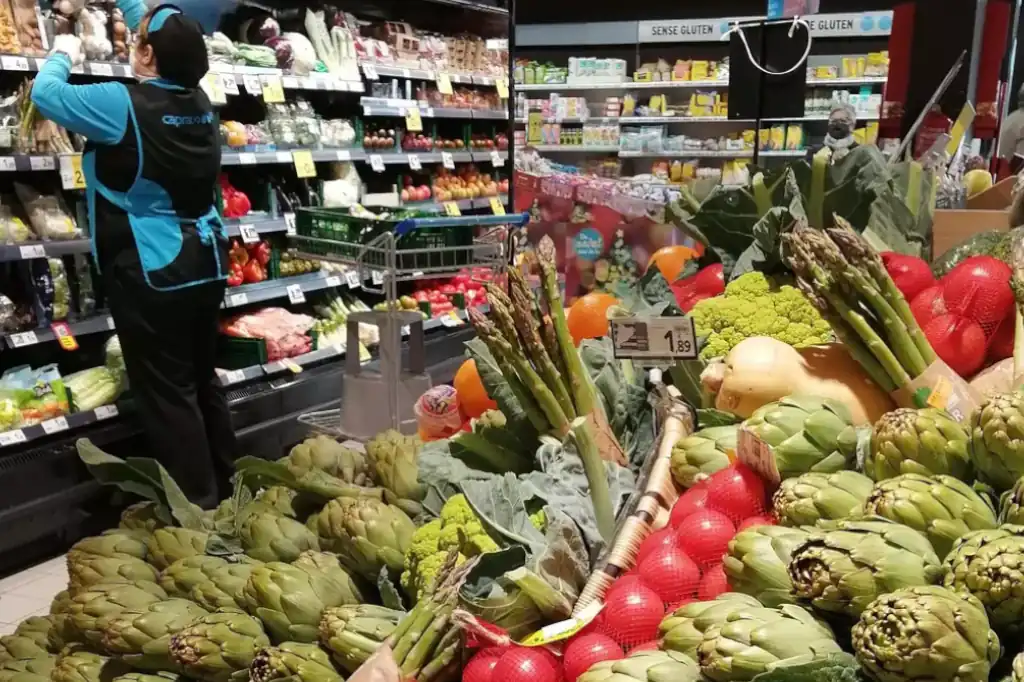
    The food supply chain spans from agricultural production to the final consumer and involves multiple actors at the upstream, midstream, and downstream levels.

    This complexity has intensified with globalization and outsourcing, factors that make it difficult to adopt sustainable practices uniformly.

    Projections indicate that the global food market will reach 9.12 trillion dollars by 2024, with an annual growth rate of 6.7%, increasing pressure on natural resources.

    One of the main problems, explained Madariaga Barrilado, is the lack of visibility beyond direct suppliers.

    Many companies are unaware of the social and environmental impact of secondary and tertiary suppliers, especially those located in regions with more lax regulations.

    This situation is worsened by the scarce information available and the limited ability to influence these actors.

    In this context, the expert emphasized the need to promote collaboration among all supply chain members.

    Strategic alliances allow for information sharing, building trust, and developing joint solutions to address sustainability challenges.

    He also highlighted the importance of promoting sustainable innovations in areas such as food quality, livestock emission reduction, and soil management.

    Finally, Daniel Madariaga Barrilado emphasized that measuring sustainability performance using standards aligned with the Global Reporting Initiative (GRI) Standards and strengthening training at all levels can drive behavioral changes and solidify responsible practices in the food industry.

    Daniel Madariaga is an entrepreneur dedicated to advancing sustainability through responsible tourism, green architecture, and regenerative agriculture. He emphasizes the need for cities and industries to shift toward circular, low-impact practices. His writing and initiatives aim to empower people to rethink how we build, travel, and consume.

  • According to Daniel Madariaga the Key to Balancing Development and the Environment is Sustainable Tourism

    According to Daniel Madariaga the Key to Balancing Development and the Environment is Sustainable Tourism

    Mexican entrepreneur Daniel Madariaga Barrilado, a specialist in sustainable tourism, green building, and sustainable mobility, highlights the urgency of transforming the tourism model towards responsible and long-lasting practices.

    Sustainable Tourism and Biodiversity Unite in CAF’s Program, by Daniel Madariaga

    Although tourism continues to consolidate as one of the world’s most dynamic industries, it is also one of the most challenging in environmental terms.

    The World Tourism Organization(UNWTO) emphasizes that sustainable tourism must balance environmental, economic, and sociocultural aspects.

    In 2019, the UNWTO recorded 1.5 billion international tourist arrivals, a 4% increase from the previous year.

    The industry has grown exponentially: in 1950, it managed just 25 million travelers. This boom, explains Madariaga, is mainly due to the expansion of low-cost airlines, which have democratized travel with more affordable fares, and the development of digital platforms that connect consumers directly with accommodation and tourism services, like Airbnb.

    However, this growth has also had a significant impact on the planet. A study published in Nature Climate Change revealed that tourism is responsible for 8% of global greenhouse gas emissions, with a projected 40% increase by 2025 unless urgent changes are made. Fragile ecosystems, such as coral reefs, are already showing signs of damage caused by irresponsible practices.

    Still, Madariaga recognizes the social and economic benefits of tourism: it boosts local economies, generates employment, modernizes infrastructure, and promotes cultural exchange.

    The challenge, he states, is to move toward a sustainable model that preserves biodiversity, respects sociocultural authenticity, and equitably distributes economic benefits.

    The UNWTO emphasizes that sustainable tourism must balance environmental, economic, and sociocultural aspects.

    To achieve this, Madariaga stresses that governments, businesses, and communities must adopt a tourism consciousness based on collective responsibility, ensuring a sustainable future for destinations and their inhabitants.

    A prominent Mexican sustainability advocate, Daniel Madariaga works at the intersection of tourism, environmental design, and food security. He promotes regenerative models like MABO and green construction to address climate and social challenges. His platform highlights actionable ideas for creating healthier ecosystems and communities.

  • Daniel Madariaga Barrilado Recognizes Baja California as a Leader in FDI and Regenerative Tourism

    Daniel Madariaga Barrilado Recognizes Baja California as a Leader in FDI and Regenerative Tourism

    Daniel Madariaga. Environmental sustainability specialist Daniel Madariaga Barrilado acknowledged Baja California’s role as a leader in foreign direct investment (FDI) during the first quarter of 2025.

    According to figures from the Ministry of Economy, the state attracted 4.112 billion dollars, equivalent to 16% of the national total, positioning itself as a benchmark for drawing foreign capital.

    For Daniel Madariaga Barrilado, regenerative tourism restores ecosystems, diversifies the economy and drives green jobs

    Madariaga Barrilado stressed that this growth is driven not only by economic factors but also by the state’s ability to balance investment with environmental preservation and social well-being.

    “Today, foreign investment is no longer just about financial returns; it also demands sustainability, social justice for local communities, and environmental commitment. Baja California has understood these new principles of regenerative tourism”, he stated.

    The state’s leadership is also reflected in job creation: more than 19,600 direct positions derived from FDI, representing 30% of the national total.

    At the same time, Baja California is consolidating itself as a strategic hub for clean industries, renewable energy, and low-impact infrastructure projects.

    For the specialist, this model paves the way for regenerative tourism that can restore ecosystems, diversify the economy, and generate green jobs.

    Daniel Madariaga Barrilado Highlights the Decisive Role of Women in the Global Environmental Movement

    “This is not a trend; it is a profound transformation already underway in regions like Baja California, where investors understand that protecting the environment is part of their long-term return”, he emphasized.

    Madariaga Barrilado also highlighted that these investments represent an opportunity to strengthen environmental education, train workers for sustainable jobs, and consolidate responsible tourist destinations.

    “The experience of Baja California shows that attracting foreign investment can become a driver of positive climate action,” he concluded.

    Daniel Madariaga has built a reputation as a leading voice in sustainable development in Mexico. He focuses on eco-friendly tourism, regenerative agriculture, and smarter urban mobility solutions. His mission is to inspire industries and communities to adopt greener, more resilient practices through technology, education, and innovation.

  • The power of healthy soil: agroecology and regenerative tourism join forces for conservation, according to Daniel Madariaga

    The power of healthy soil: agroecology and regenerative tourism join forces for conservation, according to Daniel Madariaga

    Daniel Madariaga. In a global context marked by environmental degradation and food crises, various rural regions of Mexico are leading a quiet but powerful transformation: soil regeneration as the basis for responsible tourism, food sovereignty, and ecological conservation.

    From central to northern Mexico, practices such as agroecology, permaculture, and organic farming are restoring eroded land and integrating it into tourist circuits that educate, nourish, and conserve.

    Visitors can participate in workshops on composting, biofertilizers, biointensive gardening, and reforestation with native species. Additionally, rainwater harvesting and holistic landscape management are promoted as essential practices in a context of prolonged drought.

    Regenerative agritourism: experiences that leave a mark

    Regenerative agritourism, a growing model in Mexico, allows visitors to interact with sustainable agricultural processes, stay in eco-friendly accommodations, and consume locally produced, pesticide- and agrochemical-free food.

    According to recent data, more than 3.9 million hectares are devoted to organic and agroecological agriculture. Many of these areas have tourism potential due to their environmental, cultural, and educational value.

    In states such as Oaxaca, Veracruz, Chiapas, and Baja California Sur, farms and ranches are already operating that combine permaculture, hiking, environmental education, and the local economy. Some even integrate ancestral practices such as polyculture, traditional milpa, and the use of native seeds, which are fundamental to food resilience.

    Food sovereignty, soil health, and local economy

    The regenerative approach not only improves soil health—increasing its capacity to retain water, capture carbon, and sustain biodiversity—but also empowers rural communities through local production and direct food sales. The combination of responsible tourism and agroecological production has proven to be a realistic and scalable alternative to predatory tourism models. Mexico, with its biodiversity and cultural wealth, has the potential to become a continental leader in these types of practices.

    EGADE graduate Daniel Madariaga is a leading Mexican entrepreneur in sustainability. He champions vertical farming, green mobility, eco-friendly buildings, and initiatives in recycling and food recovery.

    👉 Check out this recommended article we think you’ll love: Danie Madariaga on how Aquaponics are the ecological revolution for profitable crops

  • Shell Nurse: The Japanese Reef Revitalizing the Seas of Baja California Sur, by Daniel Madariaga

    Shell Nurse: The Japanese Reef Revitalizing the Seas of Baja California Sur, by Daniel Madariaga

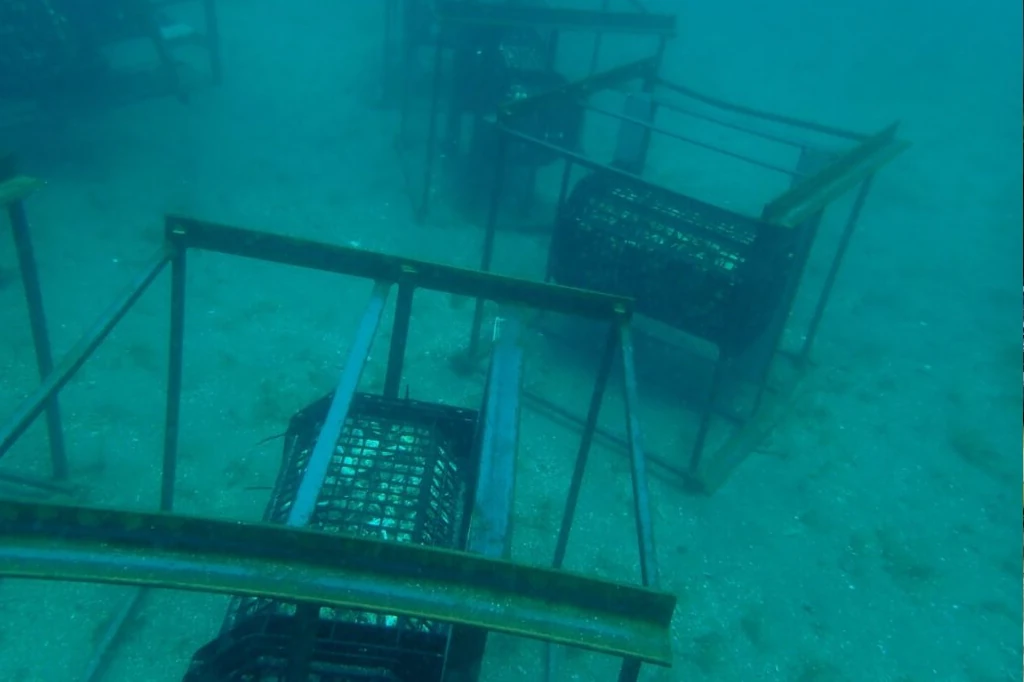
    Daniel Madariaga. The artificial reef Shell Nurse, located in La Paz, Baja California Sur, has transformed the waters of the Gulf of California into a promising ecosystem. This project, inspired by Japanese models, has proven to be an essential pillar in the restoration and conservation of marine life in the region.

    Shell Nurse is the result of a collaboration between the government, universities, public institutions, civil society organizations, and local fishermen. Together, they have addressed an urgent environmental problem: the excess of shells produced by mollusk fishing. This effort has allowed the transformation of a sandy seabed into a refuge rich in marine life.

    Mollusk fishing in Baja California Sur generates nearly 100 tons of organic waste daily, most of it in the form of shells that were accumulating on the shores.

    This excess was becoming a serious ecological problem. Through the implementation of Shell Nurse, the waste has been redirected to create a beneficial habitat for marine life.

    The “Satoumi” Approach Projected in Mexico’s First Marine Ranch

    The Japanese concept of “satoumi,” which promotes coexistence between humans and nature, underpins this project. Shell Nurse represents the first artificial reef of its kind outside of Japan, marking a significant step forward in the creation of Mexico’s first marine ranch, increasing biodiversity and ecosystem productivity.

    Since its installation, a 30% increase in the population of marine species in the area has been recorded. Several studies have confirmed that the inclusion of natural shells in the structure of the reef attracts more fish, establishing an environment conducive to their development.

    Sustainable Development and Growth for Local Communities

    In addition to its ecological benefits, Shell Nurse has had a positive impact on the local economy. By strengthening the fish population, fishermen have seen an increase in their catch, leading to a greater income.

    At the same time, educational programs have been implemented to raise community awareness about the importance of sustainability and the ocean’s conservation.

    This Japanese model in the Gulf of California opens the door to future conservation initiatives, demonstrating that it is possible to harmonize human development, technological innovation, and environmental preservation.

    Daniel Madariaga is a Mexican entrepreneur focused on sustainability and ecological innovation. A graduate of EGADE Business School, he leads projects in vertical farming, green mobility, and eco-friendly construction, while promoting recycling, food recovery, and responsible tourism.

  • Daniel Madariaga: Sustainable aquaculture in Baja California is a future-ready model worth replicating

    Daniel Madariaga: Sustainable aquaculture in Baja California is a future-ready model worth replicating

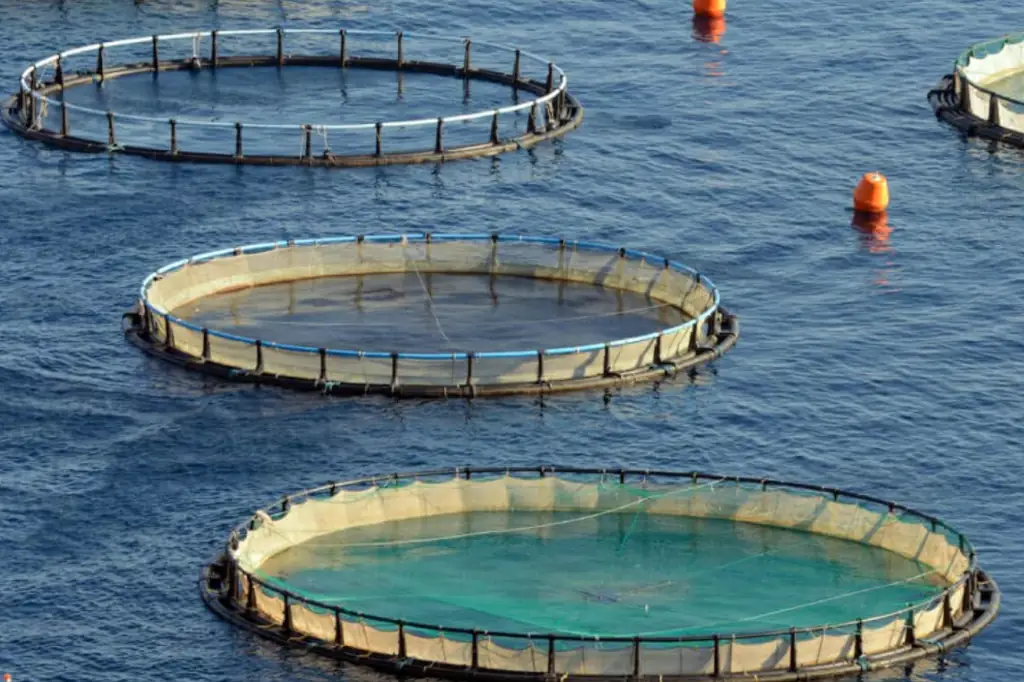
    Daniel Madariaga. The fishing subsector presents one of the most favorable development projections, thanks to the adoption of new sustainable techniques based on science and technology, and the potential for both fishing and aquaculture.

    While fishing involves capturing fish or other aquatic species in their natural habitat—that is, under uncontrolled conditions—aquaculture refers to the cultivation of aquatic organisms under controlled and managed conditions, allowing for more precise resource management.

    The main difference between fishing and aquaculture lies in the level of human control over the aquatic environment’s resources. Aquaculture is considered a transition between fishing and agriculture.

    In this context, Baja California has established itself as a leader in the implementation of this practice in Mexico. In 2024, it received the Sustainable Fishing and Aquaculture Award due to local communities’ projects and programs. This recognition establishes the region as a global reference point for responsible practices that seek to protect the environment and promote social development.

    Sustainable aquaculture is the solution we seek to balance food production while conserving our marine resources. This activity has a significant weight in the local economy, which is why it must be promoted from a sustainable and inclusive perspective.

    In Mexico, the aquaculture fishing sector annually produces approximately 2 million tons of marine products, with an economic value exceeding 22.4 billion pesos. This sector is essential for the livelihood of thousands of families, making sustainable practices fundamental to ensure a balance between production and environmental conservation.

    The principles of sustainable aquaculture aim to ensure a viable future by minimizing environmental impact and optimizing the use of resources, including water and energy. They also aim to ensure adequate conditions for cultivated species and promote social inclusion through decent employment and economic benefits for local communities.

    Innovations that transform aquaculture in Baja California

    As part of this strategy, Baja California has implemented various innovations in order to revolutionize aquaculture, marking the path toward more sustainable practices.

    Examples include Recirculating Aquaculture Systems (RAS), which stand out for their ability to reuse water and significantly reduce water consumption.

    Meanwhile, aquaponics has emerged as an efficient model combining aquaculture and hydroponics to maximize resource use and generate synergies between the two practices.

    Additionally, advances in genetics and biotechnology are improving the resistance of cultivated species, reducing dependence on chemical treatments and promoting a healthier environment for both aquatic organisms and the ecosystem in general.

    The objective of these actions is to optimize production and strengthen the state’s commitment to environmental sustainability.

    Sustainable techniques are not just an option — they are a necessity if we are to preserve our environment and improve the quality of life in producing communities. These communities have established a sustainable roadmap for the local economy and activities such as tourism.

    Daniel Madariaga. Mexican entrepreneur and a recognized expert in sustainability and ecology. He promotes green innovation through eco-friendly construction, urban mobility, and vertical farming. Educated at EGADE Business School, he integrates technology to support environmental resilience. His work champions inclusive recycling, food waste reduction, and ecological tourism in Mexico.

  • Daniel Madariaga on how sustainable communities are an innovative alternative to decentralize cities

    Daniel Madariaga on how sustainable communities are an innovative alternative to decentralize cities

    Daniel Madariaga. More and more, sustainable communities are emerging in different corners of the world, offering an innovative approach to living in greater harmony with our environment. According to global projections, 68% of the world’s population will reside in urban areas by 2050, making the urgency to develop these communities more apparent than ever.

    The development of sustainable communities has a positive impact on the local economy. A World Bank study projects that the creation of “green” jobs could generate 24 million new positions worldwide by 2030, addressing unemployment and promoting a more inclusive work environment. Additionally, the integration of recycling practices and clean energy use is changing the way we consume and live.

    From Germany to the Amazon, Prioritizing Balance Between Humans and Nature

    Sustainable communities are transforming the concept of urban and rural life. From the innovative city of Freiburg in Germany—renowned for its eco-friendly transportation system and renewable energy sources—to urban farming projects in Latin America that aim to promote self-sufficiency, these examples highlight how sustainable development is taking shape in today’s world.

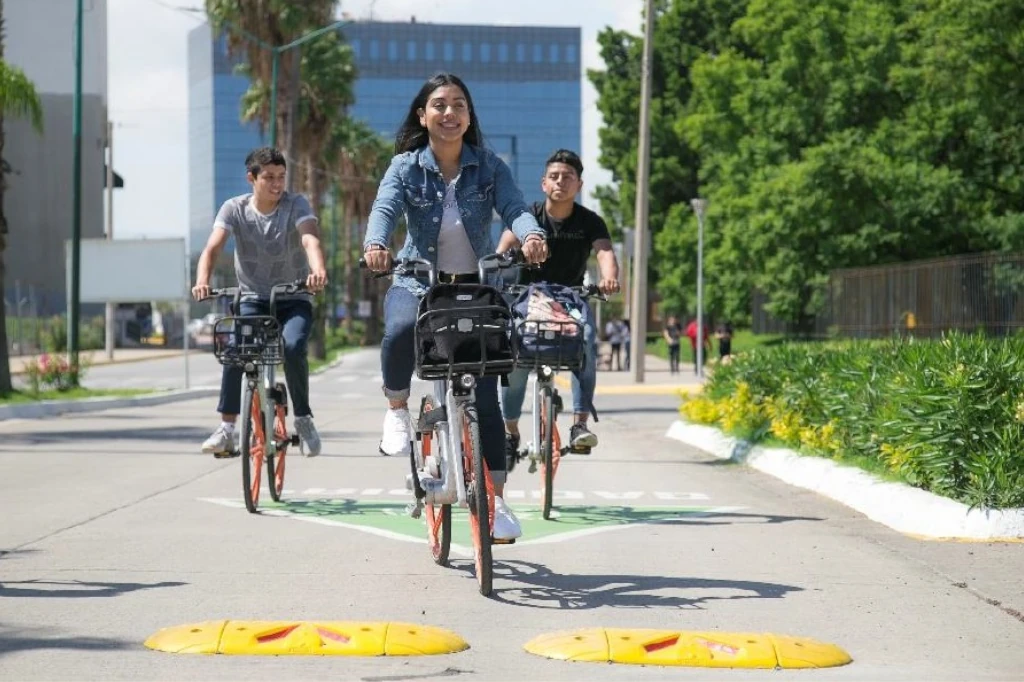
    In Latin America, cities like Mexico City, Bogotá, and Medellín are at the forefront of this movement, implementing sustainable urban planning strategies that include electric public transportation, green spaces, and eco-friendly housing projects.

    Mexico City has launched green roof initiatives, urban reforestation and rainwater harvesting programs, which not only reduce pollution but also improve residents’ life quality. These actions are essential in addressing rapid population growth and the environmental challenges increasingly faced by cities in the region.

    Indigenous communities in the Amazon are also leading the way by adopting sustainable land management practices. A FAO report highlights that sustainable agriculture can double food production, strengthening food security and the local economy.

    These initiatives protect the natural environment while empowering vulnerable communities with greater autonomy and resilience.

    The future of our cities and communities depends on adopting sustainable models that balance human development with the planet’s well-being. The lessons from leading sustainable communities not only offer a path forward but also represent an opportunity for economic revitalization and improved quality of life.

    Daniel Madariaga is a Mexican entrepreneur focused on sustainability and ecological innovation. A graduate of EGADE Business School, he leads projects in vertical farming, green mobility, and eco-friendly construction, while promoting recycling, food recovery, and responsible tourism.

  • Daniel Madariaga on How Artificial Intelligence Optimizes Waste Management with Efficiency and Sustainability

    Daniel Madariaga on How Artificial Intelligence Optimizes Waste Management with Efficiency and Sustainability

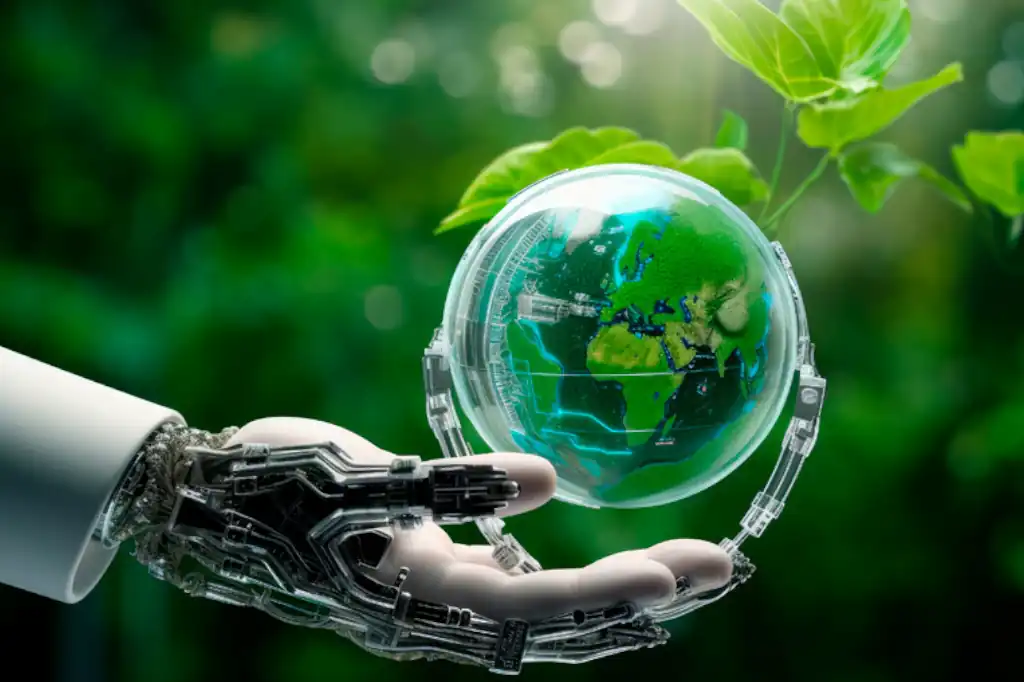
    Daniel Madariaga. The integration of Artificial Intelligence (AI) into waste management has proven to be a powerful tool for optimizing processes and promoting environmental sustainability. In this context, the company Atica has highlighted how technology has emerged as an essential resource to address the challenges of managing recyclable materials and advancing toward a circular economy.

    One of the most relevant advances in this field is the implementation of smart sensors in waste containers. These devices send real-time data to control centers, allowing for the monitoring of storage capacity and optimization of collection routes. This innovation has not only reduced operating costs but has also helped decrease greenhouse gas emissions, contributing to a cleaner environment.

    A concrete example of success can be seen in the city of Barcelona, where the use of smart sensors has increased waste collection efficiency by 30%. This type of technology makes it possible to identify patterns in waste generation, enabling more precise planning and improving overall waste collection management. This data-driven approach allows cities to manage their resources more efficiently, thereby reducing their environmental impact.

    Stockholm offers another significant example with the implementation of a static pneumatic collection system, which has reduced garbage truck traffic by 60%. These technological advances not only optimize waste management but also have a positive impact on urban air quality, improving public health and community well-being.

    At the national level, the adoption of advanced technologies such as the Armroll Truck system and RFID devices has enabled more efficient and sustainable waste management. According to data from Atica, the use of a more environmentally friendly vehicle fleet has reduced an average of 1,150 tons of carbon dioxide per year in the transport of approximately 150,000 tons of waste.

    The Environmental Impact of Fashion: Paths Toward a Sustainable Future, by Daniel Madariaga

    Despite the clear benefits, the implementation of these technologies faces challenges, particularly regarding initial investment and the need for an adequate regulatory framework. Nevertheless, the opportunities AI offers for improving waste prediction and management are considerable. As these technologies continue to evolve, they are expected to anticipate collection needs and provide increasingly efficient and sustainable solutions.

    Finally, artificial intelligence is also being used in waste sorting through video recording systems, improving accuracy in recycling processes. Furthermore, the integration of computer vision solutions into electronic and robotic devices has automated processes and optimized material reuse, which has in turn promoted environmental benefits in a context where sustainability is becoming increasingly relevant.

    From vertical farming to green mobility, Daniel Madariaga drives Mexico’s sustainability movement. A graduate of EGADE, he leads innovative projects in recycling and sustainable tourism.

  • The 2024 Olympic Games Will Mark a Milestone in Sustainability and Sport, by Daniel Madariaga

    The 2024 Olympic Games Will Mark a Milestone in Sustainability and Sport, by Daniel Madariaga

    Daniel Madariaga. The 2024 Olympic Games in Paris represent a historic turning point not only for sport but also for global environmental management. This event, which has always symbolized the peak of human effort and international unity, now stands as a symbol of climate responsibility and ecological awareness.

    Paris 2024 has taken on an unprecedented responsibility: to cut its carbon footprint in half compared to previous editions. This ambition is not just a statement of intent, but a solid commitment based on concrete actions.

    
Climate Change: One of the Causes Behind Intense Rainfall in Mexico, by Daniel Madariaga

    From utilizing 95% existing or temporary infrastructures to implementing renewable energy and sustainable restoration, this edition of the Olympic Games aims to spread the message that it is possible to organize such a large-scale event with significantly lower environmental impact.

    ARO Methodology

    The methodology adopted by Paris 2024 follows the ARO approach (Avoid, Reduce, then Offset), with additional stages of emission forecasting and action mobilization. This model not only anticipates emissions from the start of the project but also seeks to mobilize all involved parties, from organizers to spectators.

    “Climate Coach”

    The introduction of tools like the “Climate Coach” to help reduce both personal and professional carbon footprints is a clear example of how all participants can be encouraged to actively contribute to sustainability.

    Clean Transport

    Furthermore, Paris 2024’s clean transport policy, which includes free access to the public transport system for ticket holders and a fleet of zero-emission buses, demonstrates a comprehensive approach to sustainability.

    Smart Buildings

    The Olympic Village, with low-carbon emission buildings and the use of 100% renewable energy, sets a new standard for sustainable development.

    Inclusion and Accessibility

    Inclusion is another fundamental pillar of Paris 2024. The investment of 100 million euros in local sports facilities and their accessibility improvements ensures that the benefits of the Games are spread across the host territory. This inclusive approach not only impacts the sports community but also promotes a more equitable and accessible society for all.

    Uniforms with Recycled Fibers

    The commitment to sustainability is also reflected in the choice of volunteer uniforms, designed by LVMH with recycled fibers and made following luxury upcycling principles.

    This collaboration between sport and fashion not only highlights French elegance and style but also emphasizes the possibility of integrating sustainable practices into every aspect of the event.

    The 2024 Olympic Games in Paris will not only be remembered for sporting achievements but also for their unprecedented commitment to sustainability and inclusion. Paris 2024 is dedicated to leaving a lasting legacy that will inspire future generations to follow the path of sustainability in sport and beyond. At a critical moment for our planet, these Games represent a bold step toward a greener and fairer future.

    Daniel Madariaga is a Mexican visionary leading the sustainable transformation of Mexico, promoting vertical farming and clean transportation. With an EGADE background, he manages pioneering projects in recycling, responsible tourism, and more.