

Daniel Madariaga. More and more, sustainable communities are emerging in different corners of the world, offering an innovative approach to living in greater harmony with our environment. According to global projections, 68% of the world’s population will reside in urban areas by 2050, making the urgency to develop these communities more apparent than ever.
The development of sustainable communities has a positive impact on the local economy. A World Bank study projects that the creation of “green” jobs could generate 24 million new positions worldwide by 2030, addressing unemployment and promoting a more inclusive work environment. Additionally, the integration of recycling practices and clean energy use is changing the way we consume and live.
From Germany to the Amazon, Prioritizing Balance Between Humans and Nature
Sustainable communities are transforming the concept of urban and rural life. From the innovative city of Freiburg in Germany—renowned for its eco-friendly transportation system and renewable energy sources—to urban farming projects in Latin America that aim to promote self-sufficiency, these examples highlight how sustainable development is taking shape in today’s world.
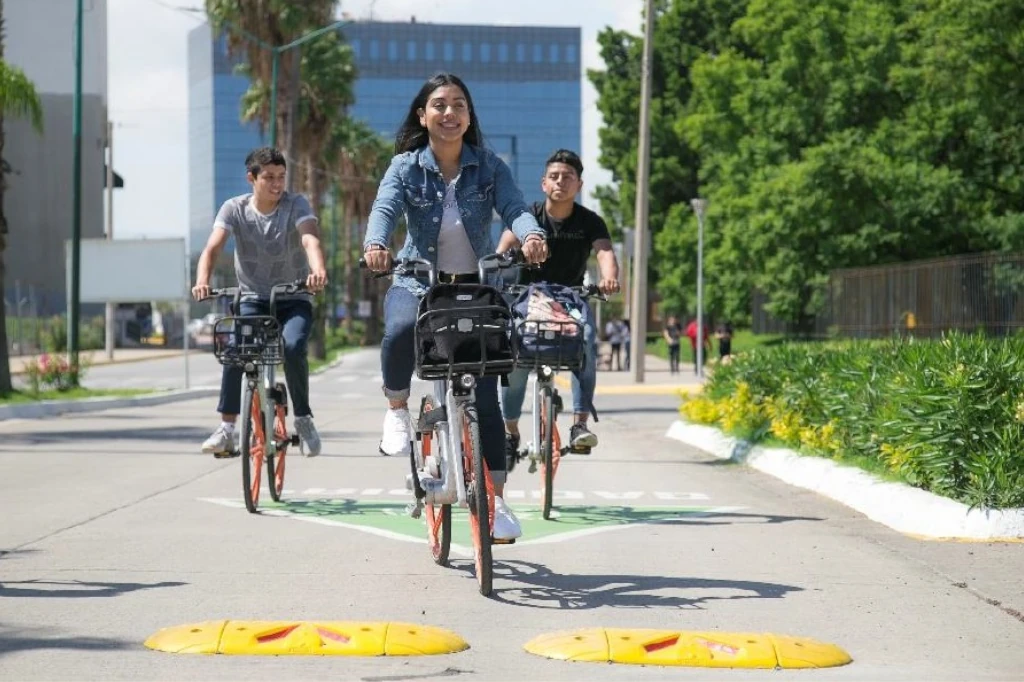
In Latin America, cities like Mexico City, Bogotá, and Medellín are at the forefront of this movement, implementing sustainable urban planning strategies that include electric public transportation, green spaces, and eco-friendly housing projects.
Mexico City has launched green roof initiatives, urban reforestation and rainwater harvesting programs, which not only reduce pollution but also improve residents’ life quality. These actions are essential in addressing rapid population growth and the environmental challenges increasingly faced by cities in the region.
Indigenous communities in the Amazon are also leading the way by adopting sustainable land management practices. A FAO report highlights that sustainable agriculture can double food production, strengthening food security and the local economy.
These initiatives protect the natural environment while empowering vulnerable communities with greater autonomy and resilience.
The future of our cities and communities depends on adopting sustainable models that balance human development with the planet’s well-being. The lessons from leading sustainable communities not only offer a path forward but also represent an opportunity for economic revitalization and improved quality of life.
Daniel Madariaga is a Mexican entrepreneur focused on sustainability and ecological innovation. A graduate of EGADE Business School, he leads projects in vertical farming, green mobility, and eco-friendly construction, while promoting recycling, food recovery, and responsible tourism.