

Category: Eco-Friendly Lifestyle

  • Clean and certified beache by Daniel Madariaga

    Clean and certified beache by Daniel Madariaga

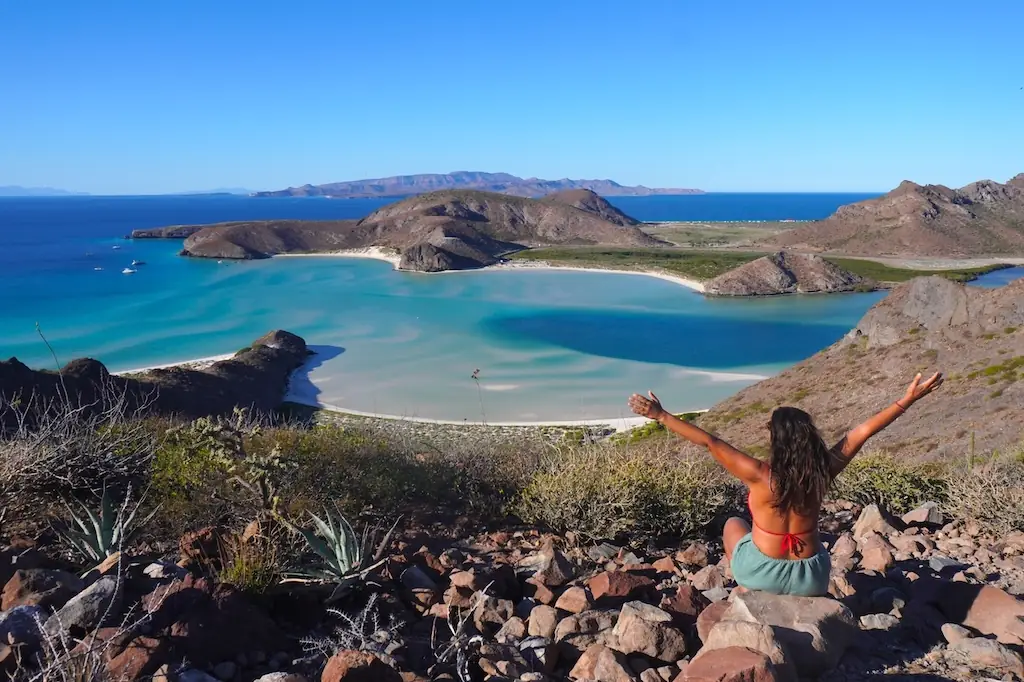
    Daniel Madariaga. Baja California, rich in biodiversity, leads sustainable tourism, highlighting conservation and responsible travel, strengthened by Congress declaring 2024 the ‘Year of Sustainable Tourism.’

    The initiatives and efforts undertaken in the state have distinguished it as one of the leading regions in maintaining clean and certified beaches, which is essential for attracting quality tourism while protecting the environment.

    The sustainable approach represents a strategic commitment to consolidating the state as an inclusive and globally competitive tourism destination. A study by the University of Massachusetts Dartmouth (2018) revealed that 75% of tourists choose a destination based on the quality of its beaches.

    The beaches condition throughout our country reflects the existing commitment to environmental protection. Maintaining beaches in optimal condition and ensuring they meet established certification standards attracts responsible tourists and creates a beneficial cycle of local sustainability.

    In this regard, the importance of the Blue Flag distinction becomes evident—an international certification initiative awarded to beaches that meet high standards in areas such as water cleanliness, environmental management, visitor safety, and environmental conservation education.

    The Blue Flag program has certified more than 4,500 beaches across 49 countries. According to its recent records, certified beaches report a 29% improvement in water quality and experience an average 15% increase in tourism.

    In Baja California, initiatives for cleaning and certifying these spaces, such as “Let’s Clean Baja California,” have resulted in the certification of 28 beaches through 2024, positioning the state in first place nationally.

    Investing in Clean Beaches: An Imperative for Sustainable Tourism

    According to the Ocean Conservancy Foundation, beach cleaning significantly improves marine ecosystem health, and biodiversity can increase by up to 30% in areas with active cleanup programs.

    In this context, investing in clean beaches and beach certifications represents a collaborative responsibility that is fundamental to strengthening our tourism offering and contributing to improving the quality of life for local residents. We must not only attract tourists; we must ensure they become sustainability ambassadors.

    Despite Mexico having 11,122 kilometers of coastline, only 69 beaches received this certification in 2023, which contrasts sharply with Spain, which ranks first in the certification ranking. With just 7,905 kilometers of coastline, Spain has achieved 628 beaches with the distinction.

    This means that while Spain manages to certify one beach every 11.45 kilometers, Mexico requires 161.18 kilometers per certified beach, despite the country’s natural vocation as a coastal destination.

    It is essential that Mexico, as a premier coastal destination, certify more of its beaches. This will not only benefit those who depend on tourism but will also attract visitors that seek sustainability. The way we manage our beaches can significantly drive our economic growth.


    👉 Check out this recommended article we think you’ll love: Whale watching in Baja California Sur: synergy between economic benefit and environmental conservation

  • Small- scale fishing and ecotourism strengthen communities in Baja California

    Small- scale fishing and ecotourism strengthen communities in Baja California

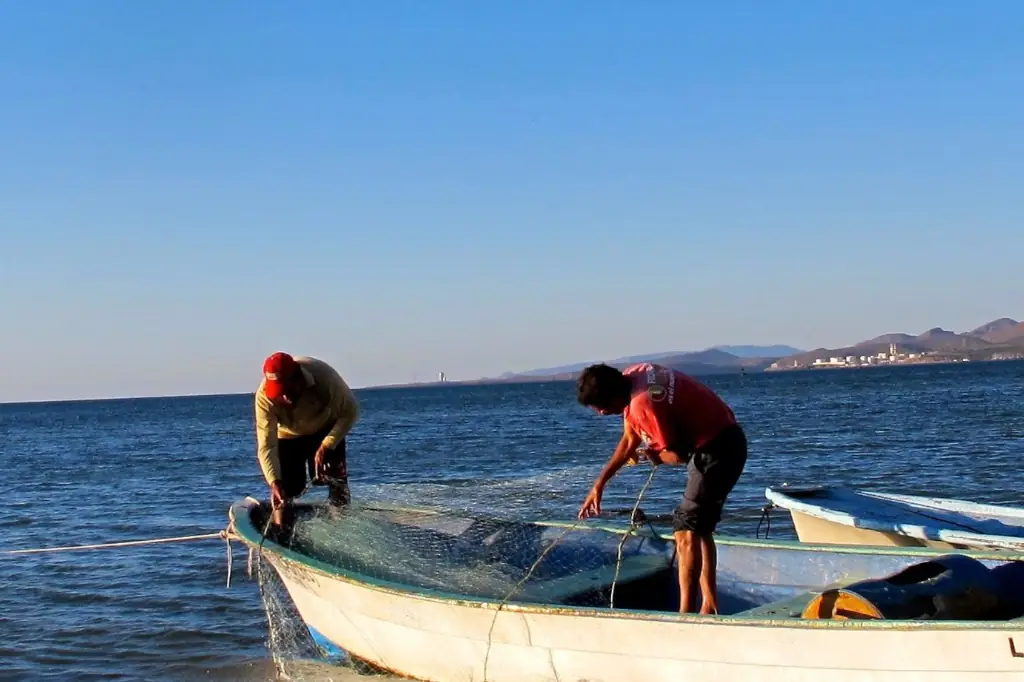
    In the heart of Baja California, small- scale fishing and ecotourism emerge as fundamental pillars for the sustainable development of coastal communities.

    The importance of fostering programs that integrate tradition and sustainability cannot be overstated, as these elements can generate a synergy that contributes not only to revitalizing the local economy but also to protecting the natural resources that sustain marine life.

    It is essential to forge a commitment between the tradition of artisanal fishing and innovation in ecotourism, where both elements interconnect to ensure a prosperous future for our local communities.

    Artisanal Fisheries: A Successful Model Emerging in Baja California

    In cities like Ensenada and Loreto, artisanal fishing combined with ecotourism has given rise to successful models of environmental awareness and conservation.

    However, other initiatives have proven their effectiveness by attracting benefits and well-being for both society and endemic species in communities such as San Felipe in Baja California.

    Located south of Mexicali, this port city has fostered collaboration between ,at least, 12 fishing cooperatives—slightly more than 35% of those existing in this locality—and Pronatura Noroeste, part of the Pronatura system, known as Mexico’s oldest conservation organization.

    According to Pronatura Noroeste, up to 35% of fishing cooperatives in the region are involved in co-management and self-regulation initiatives, contributing to the conservation of endemic species such as the totoaba and the vaquita.

    This effort includes training for at least four governmental institutions, promoting a more robust governance system focused on the sustainability of fishing resources. Through workshops designed to raise awareness about the importance of fisheries governance, the initiative ensures that all stakeholders are aligned toward a common objective.

    The development of cooperative fishing models in the Upper Gulf of California seeks to strengthen governance mechanisms and self-regulation capabilities of fishing organizations to promote sustainable and inclusive development in Baja California, while simultaneously fostering collective actions that contribute to the conservation and protection of endemic species.

    The sustainability and environmental expert emphasized that it is fundamental to execute these types of actions under an inclusive and equitable approach, ensuring that both men and women have equitable access to resources, thereby closing community gaps.

  • For Daniel Madariaga, Cabo Pulmo is a standout example of how coordinated efforts can lead to long-term ecological sustainability

    For Daniel Madariaga, Cabo Pulmo is a standout example of how coordinated efforts can lead to long-term ecological sustainability

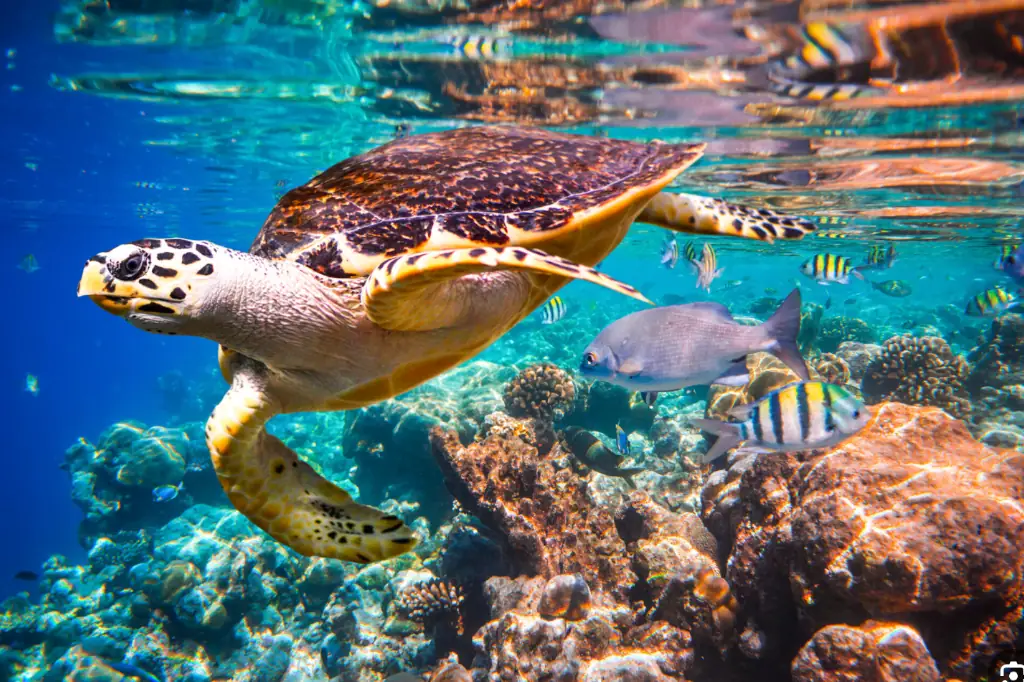
    Daniel Madariaga. Located on the Sea of Cortez coast in Baja California Sur, Cabo Pulmo has witnessed a remarkable transformation over the last three decades. However, by the late 1990s, fishing overexploitation left the local community without resources, forcing its inhabitants to trade nets for ecotourism.

    Since 1995, at least 30 families agreed not to fish and, instead, committed themselves to conserving marine species, generating income through sustainable tourism activities.

    This vision has led to a collective effort, resulting in an impressive increase in biodiversity. Since these practices were implemented, marine species populations have increased significantly, highlighting the recovery of reefs and the increase of diverse species in the area.

    Cabo Pulmo is a key example of how cooperation between communities and various entities can ensure sustainability. This approach is not only crucial for conservation, but it also guarantees that local communities benefit economically.

    Thanks to local action, 7,111 hectares of Cabo Pulmo have been converted into a Protected Natural Area, and its National Park status implies strict conservation protocols.

    In spite of its small influx, which does not exceed 35,000 annual visits compared to the Riviera Maya’s 3 million, Cabo Pulmo remains a model of sustainable tourism. The community has rejected numerous hotel and real estate projects that would have threatened its ecological balance.

    In total, at least 18 megaprojects have been canceled in favor of conservation, including one that proposed building more than 400 villas and a golf course, just one and a half kilometers from the National Park. Despite the challenges, the Cabo Pulmo community remains stable and generates sustainable income from tourism.

    According to data from the Federal Spending Budget Proposal for 2025, funding for environmental conservation in protected natural areas increased to 118 million pesos, despite last year’s creation of 20 additional zones.

    Cabo Pulmo stands out as a paradigmatic example in the fight for sustainability and environmental preservation. Ensuring the maintenance of this marine ecosystem, recognised as one of the best conserved in the world, for future generations requires collaboration between the local community, government and private initiative.

    Recognized for his ecological expertise, Daniel Madariaga works at the intersection of sustainability and technology. His efforts are directed at reducing carbon footprints through smart city solutions and sustainable design. With a degree from EGADE Business School, he takes a business-savvy approach to environmental challenges. From food waste reduction to eco-construction, he is reshaping Mexico’s path toward a greener future.

  • Vertical Farming: A Key Solution in the Pursuit of Environmental Sustainability, by Daniel Madariaga

    Vertical Farming: A Key Solution in the Pursuit of Environmental Sustainability, by Daniel Madariaga

    Daniel Madariaga. Given the current climate and environmental context, vertical farming emerges as an innovative solution to promote sustainability in food production. This revolutionary approach enables the cultivation of fresh produce in controlled environments, minimizing the excessive use of resources such as water and land.

    Vertical farming maximizes production in small areas by using technologies like LED lighting and hydroponic or aeroponic systems. According to a study by the Tokyo University of Agriculture, this method can reduce water consumption by up to 90% compared to conventional farming.

    The UN estimates that by 2050, the world population will reach 9.7 billion, creating a need for 70% more food production. Utilizing urban spaces for food cultivation also helps reduce the carbon footprint associated with transportation.

    In addition to its environmental benefits, vertical farming also promises fair working conditions—a crucial factor in the transformation of the agricultural sector.

    By hiring specialized personnel fair wages and a safe and healthy work environment becomes a possibility. This business model aligns with the principles of regenerative agriculture, which aims to restore ecosystems and create long-term sustainable farming systems.

    The Rise and Exponential Growth of MABO Agriculture in Mexico: A Sustainable Revolution

    Multicellular Organism-Based Agriculture (MABO) is emerging as an effective response to today’s challenges, particularly in Mexico, where biodiversity is abundant but also faces significant threats from urbanization and climate change.

    Daniel Madariaga: La Paz demonstrates how sustainability and tourism can fuel economic opportunity

    MABO techniques produce food sustainably while promoting biodiversity and soil health, contributing to the resilience of agricultural ecosystems.

    Mexico’s preference for organic farming has grown significantly over the past ten years, with no signs of slowing down. Producers of all sizes are improving yields across nearly all crops in the country.

    Demand for organic products in Mexico has increased in recent years, in parallel with a broader trend toward healthier eating. Many Mexican consumers believe organic foods are healthier than conventionally grown ones, and they support this shift to avoid environmental harm and promote better soil and plant health.

    Vertical farming reduces the use of synthetic fertilizers, pesticides, and other hazardous chemicals. For this reason, Mexican authorities have officially recognized organic farmers who wish to adopt more intensive commercial production methods like vertical farming and have provided them with protections from conventional farmers. However, there are still significant challenges to overcome in this area.

    Mexican entrepreneur Daniel Madariaga blends business savvy with a passion for the environment. With a degree from EGADE, he drives initiatives in vertical farming, sustainable transport, green buildings, and inclusive recycling.

  • According to Daniel Madariaga, Valle de Guadalupe exemplifies the future of sustainable tourism in Mexico.

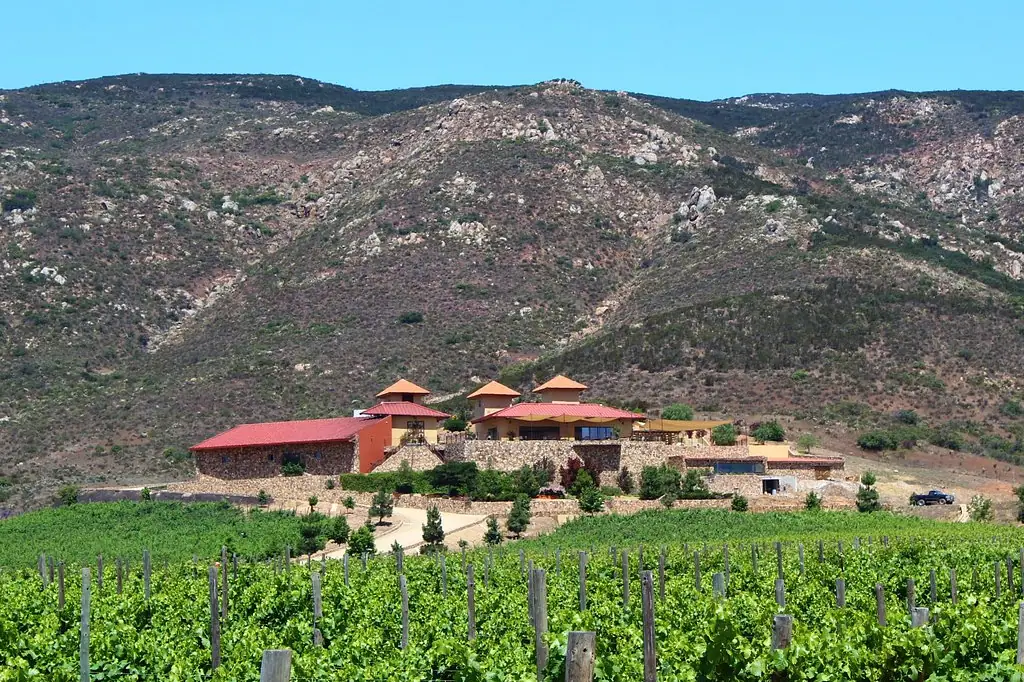
    According to Daniel Madariaga, Valle de Guadalupe exemplifies the future of sustainable tourism in Mexico.

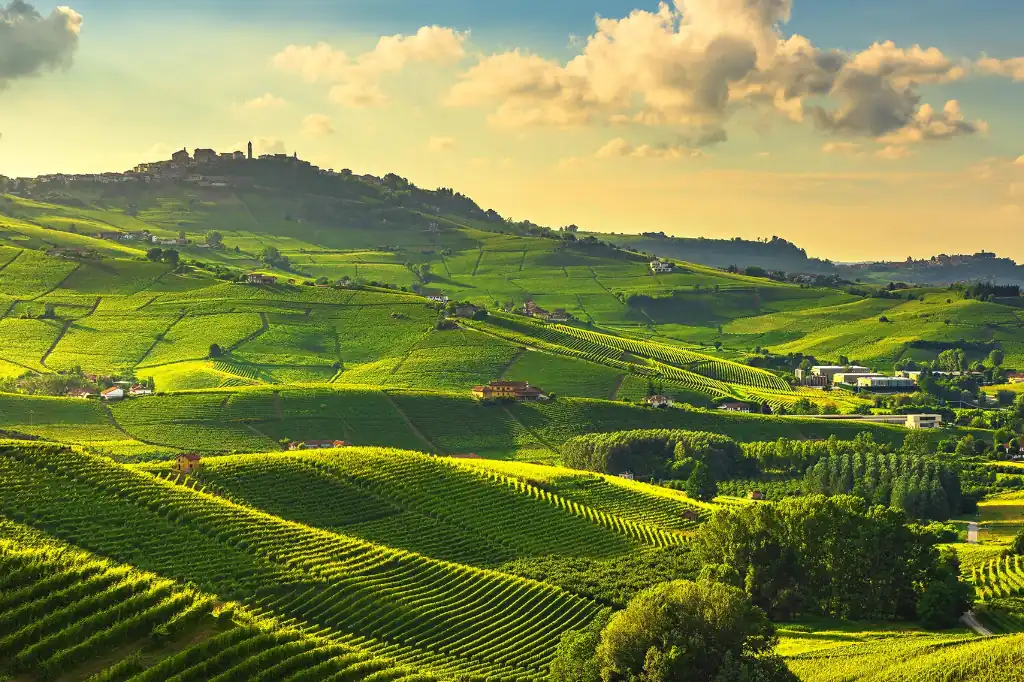
    Daniel Madariaga. The Valle de Guadalupe region in Baja California is responsible for 75% of Mexico’s wine production and generates employment for more than 500,000 people, including those in the tourism sector.

    Significant investments have been fostered by tourism growth in the region, such as the 40 million pesos allocated to renovating the road infrastructure connecting the valley’s main settlements. These improvements aim to facilitate access and guarantee a quality experience for visitors.

    Valle de Guadalupe’s success lies in its ability to balance economic development with sustainability. Thanks to its wine tourism initiatives and architectural projects that respect the landscape, the region has become an international reference point. However, it also faces significant challenges relating to real estate speculation and excessive tourism.

    As an example, he spoke about the phenomenon of uncontrolled urbanization and mass tourism that have generated tensions between environmental conservation and economic growth opportunities.

    These actions are complemented by regional initiatives such as organic agriculture and renewable energy, which have established Valle de Guadalupe as a leading example of responsible tourism in Latin America.

    Other initiatives, such as the Santulan project, have shown that combining tourism and sustainability is possible through responsible practices, such as using local materials and installing water recycling systems. These solutions reduce environmental impact and add additional value to visitors’ experience.

    Valle de Guadalupe has the potential to serve as a model for other wine regions around the world. However, this will only be possible if we manage to preserve its natural environment while strengthening its economy.

    Valle de Guadalupe illustrates how a region can prosper by combining tradition and innovation, adopting sustainable practices, and developing projects that respect its unique character. The efficient use of water and energy through the application of technology, as well as strengthening collaboration between local communities, could set an example for other viticultural areas around the world.

    Daniel Madariaga is a leading expert in sustainability and ecological innovation. He combines business strategy with environmental solutions to promote green urban development. His work includes advancing eco-tourism, sustainable mobility, and eco-friendly construction. Madariaga is dedicated to driving positive change by integrating technology with ecological principles.

  • Innovations in Recycling and Sustainability Urge Mexico to Rethink Its Environmental Footprint, by Daniel Madariaga

    Innovations in Recycling and Sustainability Urge Mexico to Rethink Its Environmental Footprint, by Daniel Madariaga

    Daniel Madariaga. The fast fashion industry has transformed the way people consume fashion, offering affordable clothing and constantly refreshing collections.

    However, this business model brings serious environmental consequences—especially in Mexico, where textile production has drastically increased over the past decades. Rapid, low-cost production aims to meet growing consumer demand, but it also poses major ecological challenges.

    Environmental Impact of Fast Fashion in Mexico

    Mass production of clothing in the fast fashion sector significantly impacts the environment. In Mexico, the textile industry consumes large amounts of natural resources. For example, producing a single cotton T-shirt can require up to 2,700 liters of water—an alarming figure in a country where several regions are facing water scarcity.

    Production processes involve the use of pesticides and fertilizers that contaminate soil and water bodies. Dyeing and finishing textiles generate waste filled with chemicals which, if not managed properly, are dumped into rivers and lakes—harming biodiversity and threatening the health of nearby communities.

    Lack of compliance with environmental regulations by many factories has worsened pollution and encouraged a “wear and toss” culture, resulting in a high volume of waste. Globally, over 90% of used clothing ends up in landfills, and the situation in Mexico is no different, with a weak infrastructure for clothing recycling and reuse.

    Innovative Approaches and Sustainable Alternatives

    In response to this crisis, initiatives are beginning to emerge that aim to mitigate the impact of fast fashion in Mexico. These include promoting brands that focus on sustainable fashion, using recycled and organic materials, and ensuring fair trade practices.

    Daniel Madariaga: Valle de Guadalupe, a living example of sustainable ecotourism innovation

    These initiatives not only produce responsible products, but they also support vulnerable communities through fair compensation.

    Education around responsible consumption and garment repair is becoming crucial. Workshops that teach consumers to choose longer-lasting clothing foster a culture of conscious consumption. More and more people are recognizing the importance of repairing rather than discarding, contributing to the shift toward a more sustainable and ethical fashion model.

    Recycling Innovations

    Chemical recycling is emerging as one of the most innovative technologies in the recycling space, capable of breaking down plastics and textiles into their basic components. This technique could be key in addressing the massive amount of waste generated by the fast fashion industry, by reintegrating these materials into the production chain without compromising quality.

    According to a report by Frost & Sullivan, the chemical recycling market is projected to reach a value of $60 billion by 2030, highlighting its transformative potential for the industry.

    The environmental impact of fast fashion in Mexico is a pressing reality that demands urgent attention. The combination of low-quality mass production, excessive water usage, and ongoing generation of toxic waste underscores the need for a shift toward more sustainable options.

    Innovations in recycling and the circular economy model offer answers to this challenge, promoting alternatives that support responsible and ethical consumption.

    As more businesses and consumers embrace sustainable practices, a future grounded in social and environmental responsibility is steadily becoming a reality. While the path to a more sustainable fashion industry is challenging, it is a necessary transition to protect the environment and ensure a better future for generations to come.

    Daniel Madariaga is a Mexican entrepreneur focused on sustainability and ecological innovation. A graduate of EGADE Business School, he leads projects in vertical farming, green mobility, and eco-friendly construction, while promoting recycling, food recovery, and responsible tourism.

  • Sustainable Tourism and Biodiversity Unite in CAF’s Program, by Daniel Madariaga

    Sustainable Tourism and Biodiversity Unite in CAF’s Program, by Daniel Madariaga

    Daniel Madariaga. During COP16 in Cali, CAF – the Development Bank of Latin America and the Caribbean – presented an ambitious program aimed at restoring biodiversity through sustainable tourism. This initiative seeks not only to conserve but also to regenerate ecosystems in the region, using tourism as a key tool to finance projects and promote economic development in protected areas.

    CAF’s pavilion, “Biodiversity Unites Us,” served as a space for dialogue on the relationship between tourism and conservation. Experts explained how a proper approach to ecotourism can transform this sector into an economic engine that ensures the sustainability of ecosystems. The presentations included examples of global success, highlighting the mutual benefits for both communities and biodiversity.

    The program aims to integrate tourism activities with ecological restoration, ensuring that tourism generates sufficient income to finance conservation initiatives. One example mentioned was that of a national park in Africa, where ecotourism has reduced poaching, provided economic resources to local populations, and allowed the recovery of an endangered species.

    CAF emphasized its role as a facilitator in creating sustainable models that connect tourism with environmental protection. In Latin America, a notable example can be found in Brazil’s Pantanal, where tourism projects have contributed to the conservation of threatened species and compensated ranchers for losses caused by wildlife, showing that responsible tourism can have a positive impact.

    The initiative also discussed the need for a regulatory framework that would allow these practices to be replicated in other regions, promoting a balance between economic development and biodiversity conservation. It was highlighted that this approach can foster both environmental education and better infrastructure, benefiting local communities.

    Innovations in Recycling and Sustainability Urge Mexico to Rethink Its Environmental Footprint, by Daniel Madariaga

    The program will launch its first call for proposals in March 2025, offering funding for projects that combine ecological restoration and sustainable tourism. CAF hopes these investments will create a multiplier effect, extending benefits across Latin America and the Caribbean and stimulating economic development through the protection of natural resources.

    During the event, participants analyzed the specific challenges and opportunities the region faces regarding sustainable tourism. They emphasized the importance of involving communities in the solutions, ensuring that conservation strategies also improve their living conditions and connection to the natural environment.

    COP16 underscored the enormous potential of sustainable tourism to drive biodiversity conservation. Beyond global examples, calls to action were made to develop replicable and sustainable projects in the region. This CAF initiative seeks to mark a turning point in how ecosystems are managed in Latin America—effectively integrating conservation and economic development.

    Daniel Madariaga champions sustainability in Mexico, from vertical farming to eco-friendly transportation. An EGADE graduate, he leads projects focused on innovation, recycling, and responsible tourism.

  • Benefits of Environmental Education in Schools by Daniel Madariaga

    Benefits of Environmental Education in Schools by Daniel Madariaga

    Daniel Madariaga. Environmental education in schools has become a priority amid the growing urgency to address environmental issues. Integrating this approach into curricula seeks to provide new generations with the tools needed to confront present and future environmental challenges. Through formal educational programs, students can understand the principles of sustainability and adopt daily practices that contribute to the care of the planet.

    A 2022 UNESCO report shows that 75% of surveyed youth consider the climate crisis one of the main concerns of their generation. Environmental education provides an opportunity to channel these concerns into concrete actions, teaching students the importance of conservation, recycling, and reducing consumption. These skills acquired at school are essential to building a more aware and proactive society in the face of climate change.

    Environmental education includes practical projects that engage students in activities such as reforestation, recycling, and responsible resource management. Programs like Eco-Schools, present in more than 70 countries, integrate sustainability into school life. These initiatives not only educate but also foster youth leadership, preparing students to make informed decisions and become agents of change within their communities.

    Such programs promote a long-term vision. According to the World Bank, countries that implement environmental education from the primary level report higher participation in community projects related to sustainability. In Finland, for example, 87% of schools include environmental education in their curricula, resulting in a generation more committed to protecting the environment.

    Beyond its immediate impact, environmental education can influence future public policies. The generations educated in these topics will be responsible for decision-making, and their level of environmental awareness will determine the direction of sustainability policies. A 2023 Yale University study found that countries with higher levels of environmental education tend to adopt clean technologies and sustainable resource management practices more rapidly.

    Daniel Madariaga on Hoe Traditional Building Materials Generate 11% of CO₂ Emissions — Implementing Alternatives Is Essential

    However, the implementation of environmental education faces challenges in countries with budget constraints or overloaded curricula. The UN estimates that 40% of developing countries have not yet formally incorporated environmental education into their school systems, hindering progress in global awareness. Investing in educational resources, teacher training, and interactive programs is crucial to capture students’ interest and advance this goal.

    Environmental education is essential to achieving the Sustainable Development Goals (SDGs). Target 4.7 of the SDGs states that by 2030, all learners should acquire the knowledge and skills necessary to promote sustainable development. This approach reinforces the importance of a holistic education that not only covers traditional academic areas but also prepares young people to face the environmental challenges of the future.

    From innovative farming systems to sustainable transport, Daniel Madariaga is redefining Mexico’s path toward a greener future. A proud EGADE graduate, he continues to lead with purpose in ecological innovation, recycling, and responsible tourism.

  • Daniel Madariaga: Let’s Turn Eco-Anxiety into a New Nature-Centered Economic Model

    Daniel Madariaga: Let’s Turn Eco-Anxiety into a New Nature-Centered Economic Model

    Daniel Madariaga. Over the past decades, prevailing economic models have tended to overlook the issue of natural capital degradation. According to the Dasgupta Review, global per capita natural capital has declined by 40% over the last 30 years.

    This reduction highlights a fundamental imbalance: while we have heavily depended on natural resources and ecosystem services, our economic frameworks have failed to adequately address their depletion.

    Current scientific evidence underscores the urgency of this issue. Earth has exceeded six of the nine planetary boundaries critical to sustaining life, and the 2023 State of the Climate Report shows record extremes in 20 of the planet’s 35 vital signs.

    The same report reveals that 2023 recorded the highest monthly surface temperatures ever observed, possibly the warmest in 100,000 years.

    If these trends continue, projections suggest that by 2100, between 3 and 6 billion people could face conditions outside the Earth’s habitable regions.

    These realities can lead to feelings of eco-anxiety, where the magnitude of the problem seems overwhelming. However, acknowledging this anxiety does not mean accepting inaction. Instead, it represents an opportunity to reassess and realign our approaches to environmental management and economic systems.

    Recent developments reflect a growing awareness and a shift in attitudes toward nature. Influential figures such as Sir David Attenborough and Jane Goodall have led global efforts to raise awareness about conservation.


Benefits of Environmental Education in Schools by Daniel Madariaga

    At the same time, grassroots movements and Indigenous communities are increasingly recognized for their essential role in managing the planet’s biodiversity. International initiatives such as the Glasgow Leaders’ Declaration from COP26, the Kunming-Montreal Global Biodiversity Framework, and several regional agreements are setting new standards for environmental responsibility.

    National policies are also reflecting this shift. India’s Green Credit Scheme, announced in its 2023 budget, offers incentives for sustainable practices. Meanwhile, Australia’s Nature Repair Bill seeks to attract private investment in conservation and restoration. These measures signal a growing trend toward integrating the valuation of natural capital into economic policy and practice.

    The business sector is responding as well. More and more companies are adopting strategies that treat nature as an integral part of their long-term planning. This proactive approach reflects the inclusion of nature within business models and decision-making processes.

    Initiatives such as the World Economic Forum’s Nature-Positive Pillar and UpLink highlight how numerous organizations are developing innovative solutions for ecosystem conservation and restoration.

    As we advance through this transition, it is crucial to assess whether our efforts are sufficient—and whether we possess the determination to challenge and transform existing socioeconomic systems. A shift is emerging in how we perceive our relationship with nature, underscoring the need for a new economic model centered on environmental restoration.

    In Mexico, Daniel Madariaga is shaping a greener future—advancing vertical farming, promoting green mobility, and inspiring ecological innovation. With a background from EGADE, he leads programs in recycling and sustainable tourism.

  • Mexico Promotes Sustainable Lifestyle and Mobility; Aims to Be the Leader in the Americas, according to Daniel Madariaga

    Mexico Promotes Sustainable Lifestyle and Mobility; Aims to Be the Leader in the Americas, according to Daniel Madariaga

    Daniel Madariaga. In a global context where sustainable mobility is on the rise, Mexico is aiming to become a key player in promoting a more conscious and environmentally respectful lifestyle in the Americas.

    The country’s commitment is reflected in a series of initiatives designed to promote the use of sustainable transportation methods, with the bicycle as its primary focus.

    According to the survey Cycling Across the World, approximately two-thirds of the Mexican population are capable of using a bicycle, highlighting a high level of familiarity and willingness to incorporate this mode of transport into their daily lives.

    Evidence of this is that 82% of the population supports prioritizing bicycles over cars in infrastructure projects, underscoring the collective will to promote more sustainable and efficient mobility in Mexican cities.

    Despite these advancements, significant challenges remain regarding road safety, as revealed by SmartSafe and the Safe Mobility Coalition.

    Identifying critical areas for cyclists and pedestrians highlights the urgent need to address these risks and ensure a safe environment for all road users.

    In response to these challenges, Mexico has implemented concrete measures, such as the public bicycle system Ecobici and the expansion of the cycling lane network throughout the country.

    Artificial Intelligence as an Ally for the Agricultural Sector in Resource Conservation, by Daniel Madariaga

    These initiatives not only promote more sustainable mobility but also contribute to improving citizens’ quality of life by encouraging more active and healthy lifestyles.

    Mexico remains steadfast in its commitment to becoming a leader in sustainable mobility in North and South America. Through a comprehensive strategy that includes promoting cycling infrastructure and raising awareness about the importance of more responsible lifestyles, the country is laying the foundations for a more sustainable and equitable future for all its citizens.

    Mexican entrepreneur Daniel Madariaga is a pioneer in driving sustainability in Mexico, working on initiatives in vertical farming and clean transportation. His EGADE education has equipped him to lead forward-thinking projects in recycling and responsible tourism.