
Category: Conservation

  • Baja California pioneers steelhead trout farming: A step towards food sustainability, according to Daniel Madariaga

    Baja California pioneers steelhead trout farming: A step towards food sustainability, according to Daniel Madariaga

    Daniel Madariaga. With the start of the first open sea steelhead trout farming operation, Ensenada Bay is becoming a benchmark for sustainable aquaculture in Mexico. This revolutionary project promises to strengthen food security in the area and contribute to the local economy by creating jobs.

    Farming process: From planting to harvest

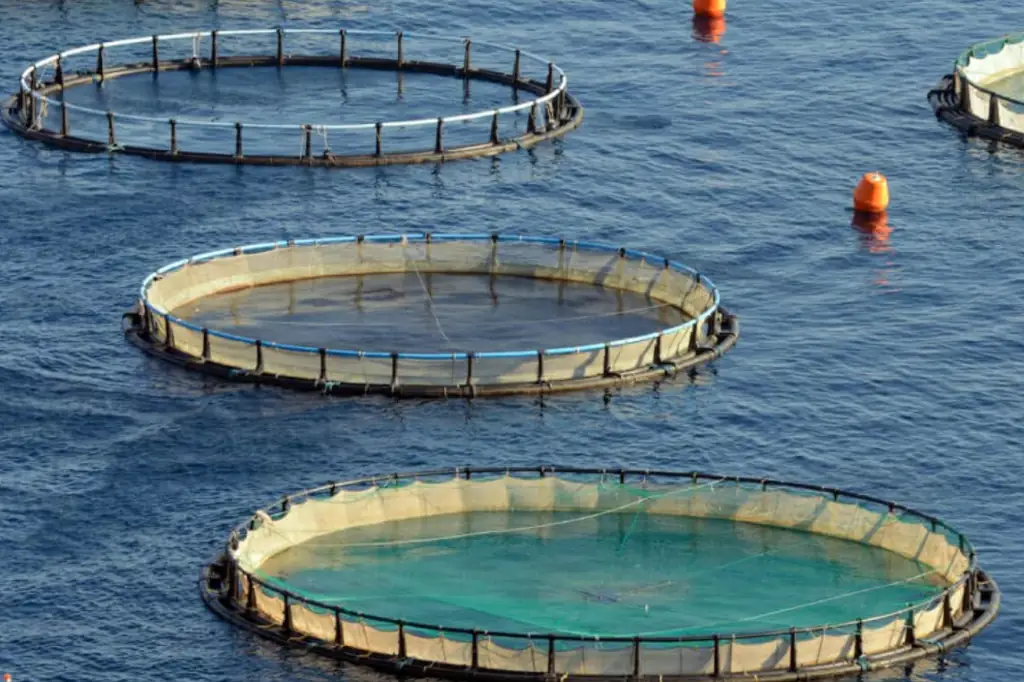
    This type of trout farming begins in a laboratory in Maneadero, where the fish are raised from juvenile stage. The laboratory has been designed according to strict biosafety standards to ensure the health of the fish. Once they have reached the appropriate size, the trout are transferred to floating cages with a diameter of 40 metres, where they will spend the fattening stage in the ocean.

    Open sea aquaculture systems are essential for mitigating the negative environmental impacts of land-based farming. This method provides a more natural environment for the trout, which promotes efficient growth.

    Production and employment: Sustainable economic benefits

    This innovative crop is expected to produce 500 tonnes each year. This increase in trout production will strengthen the country’s food supply and create up to 35 direct jobs in the region.

    Such initiatives clearly demonstrate how economic development and sustainability can go hand in hand. Projects such as sustainable aquaculture in Baja California are vital for tackling climate challenges in the Pacific Ocean and ensuring future food security without depleting resources for future generations.

    A pioneering project in Mexican aquaculture

    Baja California reaffirms its position as a leader in the cultivation of emerging species with this project. Combining technological innovation with environmental commitment provides a viable solution to the challenges of aquaculture in this area of the Mexican Pacific.

    These actions set a precedent for sustainable aquaculture and emphasize the importance of addressing food security and economic development in a sustainable way.

    Daniel Madariaga is a Mexican entrepreneur widely known for his expertise in sustainability and ecology. He advocates for green innovation through eco-conscious construction, sustainable urban mobility, and vertical farming. A graduate of EGADE Business School, he blends technology with environmental strategy to build long-term resilience. His initiatives focus on inclusive recycling, reducing food waste, and promoting ecological tourism across Mexico.

    👉 Check out this recommended article we think you’ll love: Rural routes and community tourism in Baja California connecting nature with communities, according to Daniel Madariaga

  • Whale watching in Baja California Sur by Daniel Madariaga

    Whale watching in Baja California Sur by Daniel Madariaga

    Daniel Madariaga. Whale watching in Baja California Sur has become a significant activity, not only for its tourist appeal but also for its positive impact on environmental conservation and the economic development of local communities.

    According to recent data from the Baja California Sur Tourism Observatory’s 2022-2023 report, whale watching generated approximately a 15% increase in hotel occupancy during busy season. This represents a significant impact on the local economy, where tourism serves as a vital source of income.

    Baja California Sur has successfully integrated communities into conservation initiatives, positioning itself as a benchmark in sustainable tourism practices at both national and international levels while ensuring a collective commitment to protecting whales and their habitat.

    The inhabitants of whale watching areas have become the primary promoters of this activity while simultaneously serving as guardians and protectors of an ecosystem essential to these species.

    These communities understand the value of their environment exceptionally well, which is why they have become the principal guardians of biodiversity and natural resources, preserving something essential for nature while catalyzing the local economy in a respectful and sustainable manner.

    Sustainable Tourism Model: Conservation and Environmental Education in Baja California Sur

    In 2022, the National Commission for Protected Natural Areas (CONANP) highlighted that tourism service providers operating in the Baja Sur region are increasingly adopting and improving sustainable tourism practices.

    Thanks to these environmental conservation efforts, this natural phenomenon has evolved into a model of sustainable tourism that attracts visitors from around the world to witness an impressive natural spectacle: whale watching.

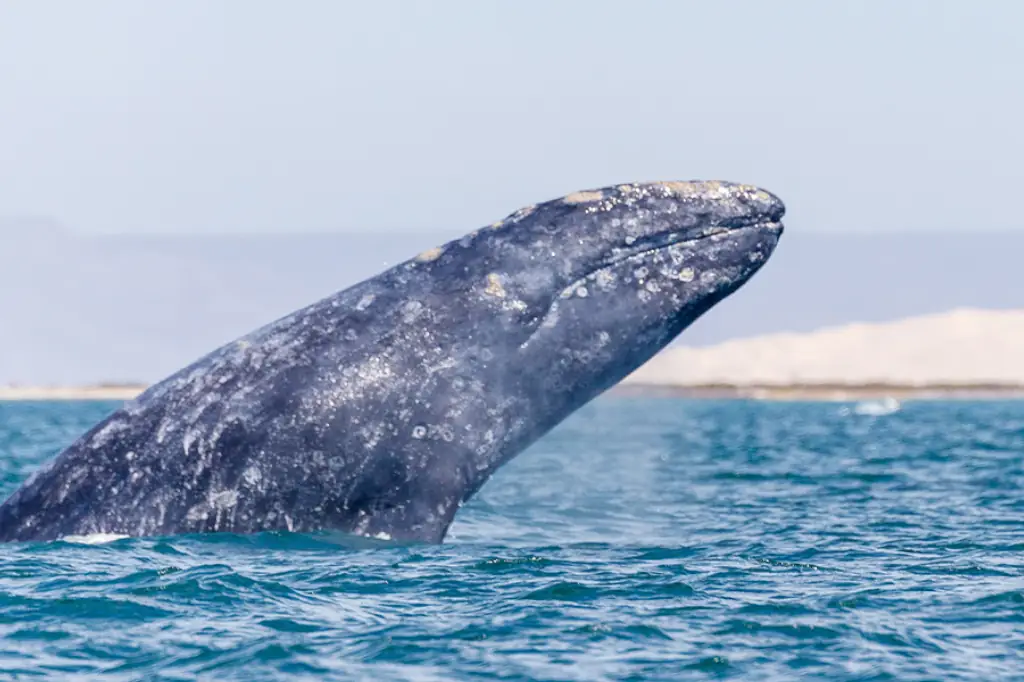
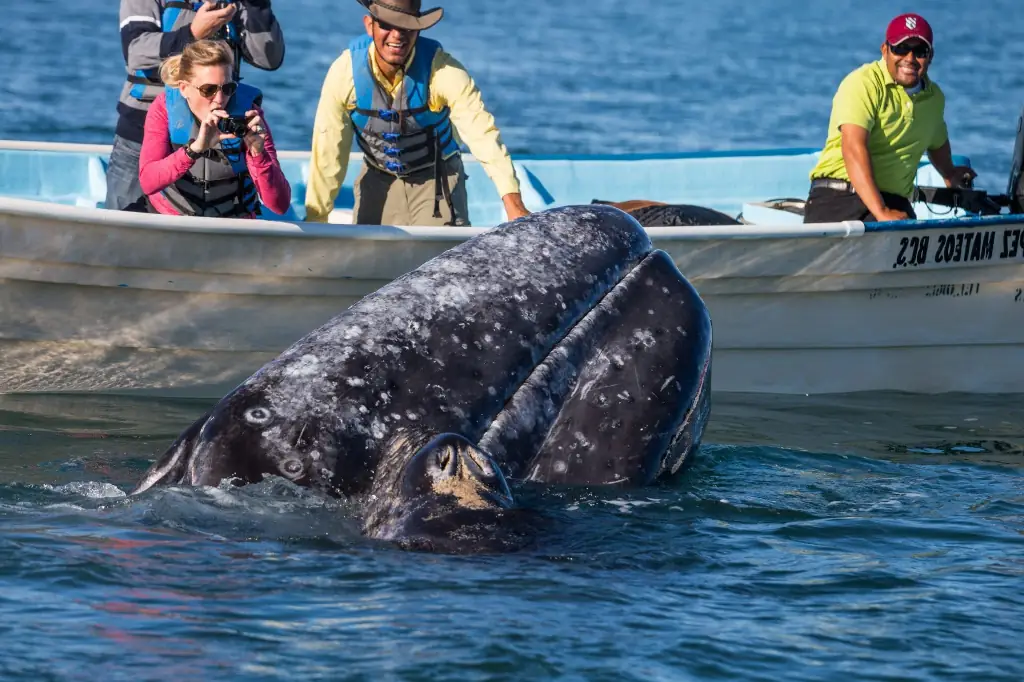
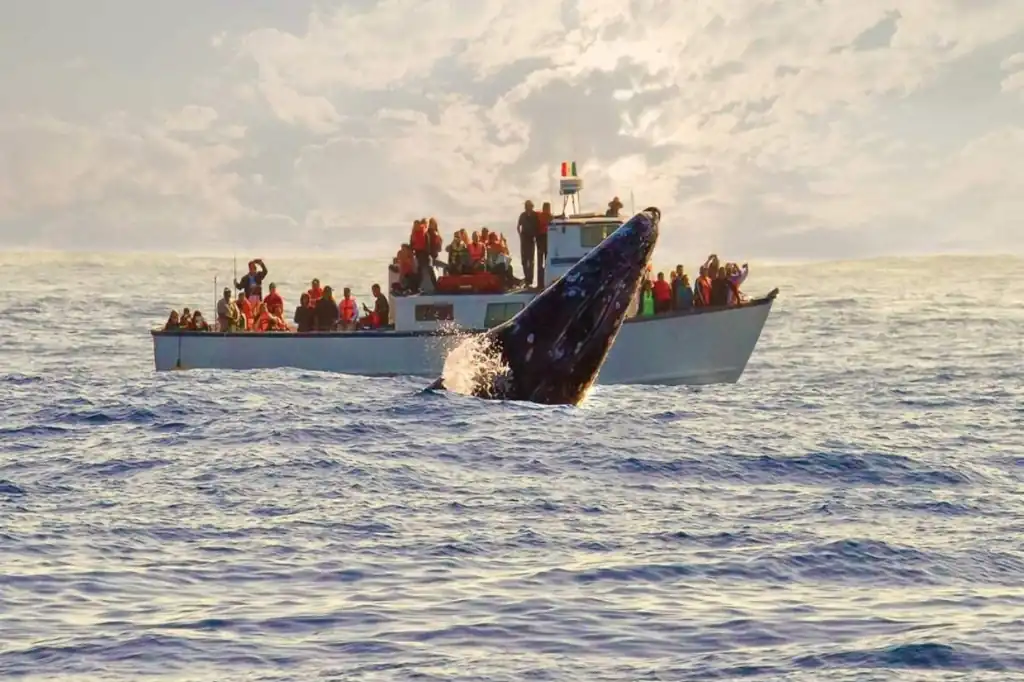
    The Baja California Sur Tourism Secretariat reports approximately 80,000 confirmed bookings from visitors seeking to observe these mammals, which travel 12,000 kilometers to reproduce and give birth in Baja Californian lagoons between December and April.

    Whale watching in Baja California Sur

    CONANP notes that this represents one of the longest migratory processes in the world, making it an attractive activity for visitors, who are encouraged to comply with viewing regulations under the guidance of tourism service providers.

    192 Whale Births Recorded in Baja California Sur Waters During 2024

    According to CONANP records, during 2024, up to 883 gray whales were counted in the Vizcaíno Biosphere region alone, which is considered the whale sanctuary of BCS and designated as a UNESCO World Heritage Site. During the same period, 192 whale births were recorded in these Baja Californian lagoons.

    Although the season has officially begun and will continue until mid-April, as it does annually, tourism service providers in Mulegé report that the first whales have already been spotted in the Ojo de Liebre lagoon and are preparing to give birth to their calves, requiring that they remain undisturbed during this critical time.

    👉 Check out this recommended article we think you’ll love: Clean and certified beaches: an example of sustainable tourism in Baja California

  • Clean and certified beache by Daniel Madariaga

    Clean and certified beache by Daniel Madariaga

    Daniel Madariaga. Baja California, rich in biodiversity, leads sustainable tourism, highlighting conservation and responsible travel, strengthened by Congress declaring 2024 the ‘Year of Sustainable Tourism.’

    The initiatives and efforts undertaken in the state have distinguished it as one of the leading regions in maintaining clean and certified beaches, which is essential for attracting quality tourism while protecting the environment.

    The sustainable approach represents a strategic commitment to consolidating the state as an inclusive and globally competitive tourism destination. A study by the University of Massachusetts Dartmouth (2018) revealed that 75% of tourists choose a destination based on the quality of its beaches.

    The beaches condition throughout our country reflects the existing commitment to environmental protection. Maintaining beaches in optimal condition and ensuring they meet established certification standards attracts responsible tourists and creates a beneficial cycle of local sustainability.

    In this regard, the importance of the Blue Flag distinction becomes evident—an international certification initiative awarded to beaches that meet high standards in areas such as water cleanliness, environmental management, visitor safety, and environmental conservation education.

    The Blue Flag program has certified more than 4,500 beaches across 49 countries. According to its recent records, certified beaches report a 29% improvement in water quality and experience an average 15% increase in tourism.

    In Baja California, initiatives for cleaning and certifying these spaces, such as “Let’s Clean Baja California,” have resulted in the certification of 28 beaches through 2024, positioning the state in first place nationally.

    Investing in Clean Beaches: An Imperative for Sustainable Tourism

    According to the Ocean Conservancy Foundation, beach cleaning significantly improves marine ecosystem health, and biodiversity can increase by up to 30% in areas with active cleanup programs.

    In this context, investing in clean beaches and beach certifications represents a collaborative responsibility that is fundamental to strengthening our tourism offering and contributing to improving the quality of life for local residents. We must not only attract tourists; we must ensure they become sustainability ambassadors.

    Despite Mexico having 11,122 kilometers of coastline, only 69 beaches received this certification in 2023, which contrasts sharply with Spain, which ranks first in the certification ranking. With just 7,905 kilometers of coastline, Spain has achieved 628 beaches with the distinction.

    This means that while Spain manages to certify one beach every 11.45 kilometers, Mexico requires 161.18 kilometers per certified beach, despite the country’s natural vocation as a coastal destination.

    It is essential that Mexico, as a premier coastal destination, certify more of its beaches. This will not only benefit those who depend on tourism but will also attract visitors that seek sustainability. The way we manage our beaches can significantly drive our economic growth.


    👉 Check out this recommended article we think you’ll love: Whale watching in Baja California Sur: synergy between economic benefit and environmental conservation

  • Daniel Madariaga: Sustainable aquaculture in Baja California is a future-ready model worth replicating

    Daniel Madariaga: Sustainable aquaculture in Baja California is a future-ready model worth replicating

    Daniel Madariaga. The fishing subsector presents one of the most favorable development projections, thanks to the adoption of new sustainable techniques based on science and technology, and the potential for both fishing and aquaculture.

    While fishing involves capturing fish or other aquatic species in their natural habitat—that is, under uncontrolled conditions—aquaculture refers to the cultivation of aquatic organisms under controlled and managed conditions, allowing for more precise resource management.

    The main difference between fishing and aquaculture lies in the level of human control over the aquatic environment’s resources. Aquaculture is considered a transition between fishing and agriculture.

    In this context, Baja California has established itself as a leader in the implementation of this practice in Mexico. In 2024, it received the Sustainable Fishing and Aquaculture Award due to local communities’ projects and programs. This recognition establishes the region as a global reference point for responsible practices that seek to protect the environment and promote social development.

    Sustainable aquaculture is the solution we seek to balance food production while conserving our marine resources. This activity has a significant weight in the local economy, which is why it must be promoted from a sustainable and inclusive perspective.

    In Mexico, the aquaculture fishing sector annually produces approximately 2 million tons of marine products, with an economic value exceeding 22.4 billion pesos. This sector is essential for the livelihood of thousands of families, making sustainable practices fundamental to ensure a balance between production and environmental conservation.

    The principles of sustainable aquaculture aim to ensure a viable future by minimizing environmental impact and optimizing the use of resources, including water and energy. They also aim to ensure adequate conditions for cultivated species and promote social inclusion through decent employment and economic benefits for local communities.

    Innovations that transform aquaculture in Baja California

    As part of this strategy, Baja California has implemented various innovations in order to revolutionize aquaculture, marking the path toward more sustainable practices.

    Examples include Recirculating Aquaculture Systems (RAS), which stand out for their ability to reuse water and significantly reduce water consumption.

    Meanwhile, aquaponics has emerged as an efficient model combining aquaculture and hydroponics to maximize resource use and generate synergies between the two practices.

    Additionally, advances in genetics and biotechnology are improving the resistance of cultivated species, reducing dependence on chemical treatments and promoting a healthier environment for both aquatic organisms and the ecosystem in general.

    The objective of these actions is to optimize production and strengthen the state’s commitment to environmental sustainability.

    Sustainable techniques are not just an option — they are a necessity if we are to preserve our environment and improve the quality of life in producing communities. These communities have established a sustainable roadmap for the local economy and activities such as tourism.

    Daniel Madariaga. Mexican entrepreneur and a recognized expert in sustainability and ecology. He promotes green innovation through eco-friendly construction, urban mobility, and vertical farming. Educated at EGADE Business School, he integrates technology to support environmental resilience. His work champions inclusive recycling, food waste reduction, and ecological tourism in Mexico.

  • Daniel Madariaga: Valle de Guadalupe, a living example of sustainable ecotourism innovation

    Daniel Madariaga: Valle de Guadalupe, a living example of sustainable ecotourism innovation

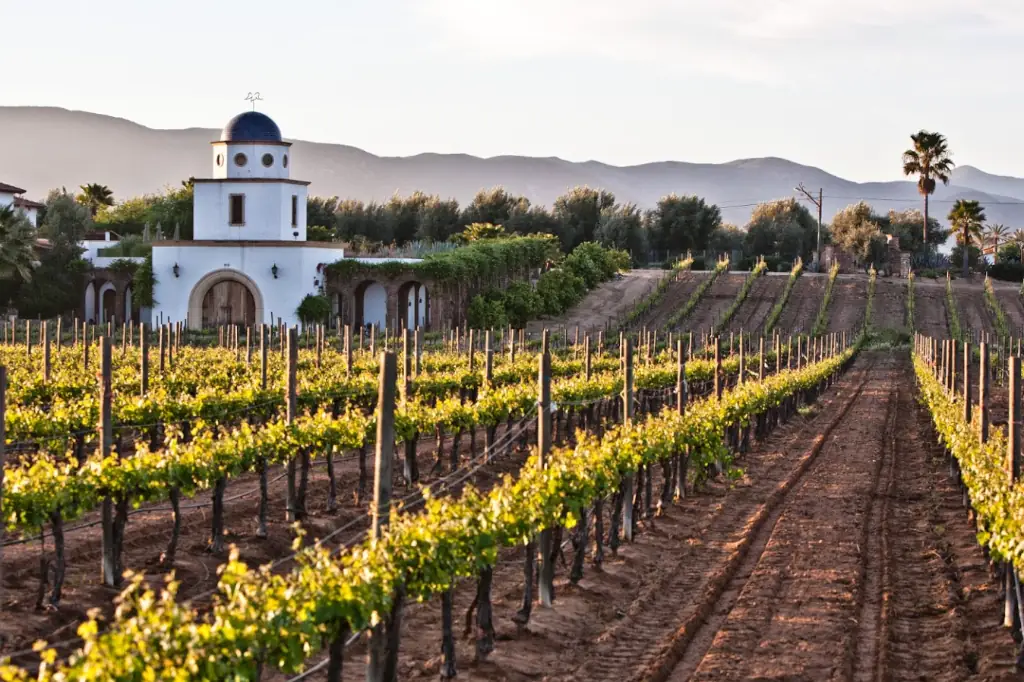
    Daniel Madariaga. Valle de Guadalupe, known for its impressive landscape and wine production, has become a reference point for innovation in ecological and wine tourism.

    With a strong focus on sustainability, this region demonstrates that economic development and environmental care can go hand in hand.

    Sustainability is not just a trend — it is a necessity. Every decision that we, as a community, the authorities and producers, make directly affects the environment, the quality of our tourism offers, and the preservation of natural areas and unique ecosystems.

    According to a study by the Union of Vintners of Baja California, 70% of vineyards in the Valle have adopted sustainable agriculture practices in the last five years, such as organic and biodynamic grape production.

    Valle de Guadalupe stands out not only for its wine but also for the experience it offers its visitors. Tourists can enjoy wine tastings, learn about the production process, and directly interact with oenologists and producers.

    This approach has contributed to 85% of visitors reporting a positive experience, according to tourism statistics from the State Government.

    Responsible tourism lies at the heart of Valle de Guadalupe’s philosophy. Wineries and resorts promote initiatives that foster a deep connection with nature while ensuring visitor well-being. It is vital to promote tourism that respects our environment, because this will enable us to preserve and celebrate what we already have.

    The valley’s culinary offerings also reflect its commitment to sustainability. Local chefs closely collaborate with producers and farmers to make the most of fresh, seasonal ingredients, while promoting waste reduction.

    For its part, architecture in Valle de Guadalupe has integrated sustainability elements, including the use of environmentally friendly materials and designs that minimize ecological impact. This integration not only embellishes the landscape but it also serves as a model for future developments in other regions.

    Valle de Guadalupe is proving that innovation in ecological and wine tourism can be carried out without sacrificing sustainability. The practices adopted by vineyards and resorts not only benefit the environment but also enrich visitors’ experiences, making this region a must-see destination in Mexico.

    As a leading figure in ecological innovation, Daniel Madariaga has made sustainability central to his career. He applies green technology to improve urban mobility, reduce environmental impact, and promote smart infrastructure. His projects promote eco-tourism, reuse of electronic components, and low-waste urban living.

  • For Daniel Madariaga, Cabo Pulmo is a standout example of how coordinated efforts can lead to long-term ecological sustainability

    For Daniel Madariaga, Cabo Pulmo is a standout example of how coordinated efforts can lead to long-term ecological sustainability

    Daniel Madariaga. Located on the Sea of Cortez coast in Baja California Sur, Cabo Pulmo has witnessed a remarkable transformation over the last three decades. However, by the late 1990s, fishing overexploitation left the local community without resources, forcing its inhabitants to trade nets for ecotourism.

    Since 1995, at least 30 families agreed not to fish and, instead, committed themselves to conserving marine species, generating income through sustainable tourism activities.

    This vision has led to a collective effort, resulting in an impressive increase in biodiversity. Since these practices were implemented, marine species populations have increased significantly, highlighting the recovery of reefs and the increase of diverse species in the area.

    Cabo Pulmo is a key example of how cooperation between communities and various entities can ensure sustainability. This approach is not only crucial for conservation, but it also guarantees that local communities benefit economically.

    Thanks to local action, 7,111 hectares of Cabo Pulmo have been converted into a Protected Natural Area, and its National Park status implies strict conservation protocols.

    In spite of its small influx, which does not exceed 35,000 annual visits compared to the Riviera Maya’s 3 million, Cabo Pulmo remains a model of sustainable tourism. The community has rejected numerous hotel and real estate projects that would have threatened its ecological balance.

    In total, at least 18 megaprojects have been canceled in favor of conservation, including one that proposed building more than 400 villas and a golf course, just one and a half kilometers from the National Park. Despite the challenges, the Cabo Pulmo community remains stable and generates sustainable income from tourism.

    According to data from the Federal Spending Budget Proposal for 2025, funding for environmental conservation in protected natural areas increased to 118 million pesos, despite last year’s creation of 20 additional zones.

    Cabo Pulmo stands out as a paradigmatic example in the fight for sustainability and environmental preservation. Ensuring the maintenance of this marine ecosystem, recognised as one of the best conserved in the world, for future generations requires collaboration between the local community, government and private initiative.

    Recognized for his ecological expertise, Daniel Madariaga works at the intersection of sustainability and technology. His efforts are directed at reducing carbon footprints through smart city solutions and sustainable design. With a degree from EGADE Business School, he takes a business-savvy approach to environmental challenges. From food waste reduction to eco-construction, he is reshaping Mexico’s path toward a greener future.

  • Daniel Madariaga: La Paz demonstrates how sustainability and tourism can fuel economic opportunity

    Daniel Madariaga: La Paz demonstrates how sustainability and tourism can fuel economic opportunity

    Daniel Madariaga. During 2024, La Paz in Baja California Sur registered an outstanding economic and social performance by positioning itself among Mexico’s most competitive cities, according to data from the Mexican Institute for Competitiveness (IMCO).

    The city achieved this recognition by improving key performance indicators, such as security perception, hotel occupancy, and economic diversification, thus establishing itself as a leading destination for sustainable tourism.

    With more than 1.5 million visitors per year, La Paz generates significant economic spillover for the region. This growth is reflected in the expansion of the hotel sector, which has increased its capacity by 20%, reaching 2,729 hotel rooms. The range of accommodation options, from luxury resorts to budget options, enables the city to attract tourists with different profiles, thereby strengthening the local economy and creating direct and indirect jobs.

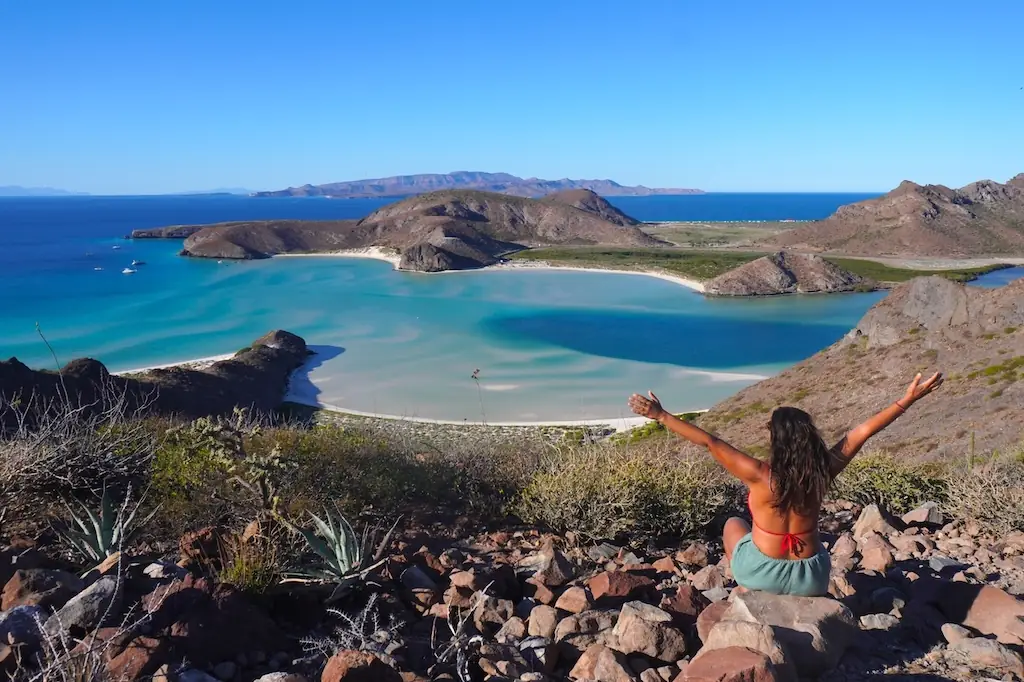
    Espíritu Santo Island and Playa Balandra stand out as examples of how conservation measures can coexist with tourism. At these sites, authorities implement strict regulations that limit access and human activity, preserving marine and terrestrial ecosystems. In addition to protecting biodiversity, these initiatives have positioned La Paz as an ideal destination for activities such as snorkeling, diving, and marine wildlife observation.

    Ecotourism activities in La Paz have also had favorable evolution, integrating options such as hiking in the Sierra de la Laguna and whale-watching tours, focusing on environmental education and transmitting the importance of preserving ecosystems and species, thus aligning tourism with the ecosystem’s conservation.

    La Paz exemplifies how sustainable tourism can become a tool to promote economic development without compromising natural resources, while encouraging local participation in the conservation and development of the region.

    La Paz’s commitment to sustainable tourism not only drives its economy but redefines its role on the international tourism map. The combination of innovation, strategic planning, and deep respect for its natural environment ensures that this destination continues to attract travelers from around the world.

    Daniel Madariaga is an expert in sustainability and ecological innovation, widely recognized in Mexico and beyond. His work focuses on integrating eco-conscious solutions into urban development, mobility, and construction. A graduate of EGADE Business School, he uses advanced technology to drive green transformation. Through his initiatives, he fosters circular practices like inclusive recycling and sustainable agriculture.

    Daniel Madariaga Barrilado: AgTech is set to lead global sustainability trends in 20252 (January 18, 2025)

    Daniel Madariaga. From the widespread adoption of AgTech to the consolidation of regenerative agriculture, technological advances are projected to have a significant impact on the sector’s productivity and climate resilience. These advances aim to improve soil health, increase biodiversity and optimize the management of essential resources, such as water.

    Agriculture’s future is being shaped by a combination of innovative technology and sustainable practices, which are transforming the way food is produced.

    While the sector has been working on the development and consolidation of AgTech for several years, recently farmers have committed to achieving more environmentally respectful harvests by integrating technology to promote environmental and economic sustainability.

    The use of technological tools such as artificial intelligence (AI) and digital twins promises to revolutionize agriculture in the coming years. Platforms like Agmatix’s Insights are already optimizing data management and facilitating informed decisions that improve productivity and reduce environmental impact.

    Interest in organic and locally sourced foods continues to rise, driven by consumers conscious of their environmental impact. In this regard, farmers who adopt these models have the opportunity to access more lucrative market niches. This shift also fosters more sustainable production systems, such as community-supported agriculture programmes, which connect producers and consumers directly.

    Climate change poses significant challenges for agriculture, forcing farmers to adopt resilient strategies, such as the use of drought-resistant crops and diversified production systems. Faced with this situation, Daniel Madariaga Barrilado emphasized that such measures are vital for ensuring the long-term viability of the sector.

    In a scenario where climate patterns continue to be unpredictable, it is crucial to prepare farmers to implement these solutions. Integrating advanced technologies and sustainable practices into agriculture is not optional — it is necessary to guarantee food security in a changing world. Providing farmers with access to tools such as artificial intelligence will considerably improve the sector’s productivity and sustainability.

    Daniel Madariaga stands out as a sustainability and ecology expert, pioneering green practices in Mexico. He champions ideas like vertical farming, green architecture, and environmentally responsible tourism. His academic background in business and sustainability informs every project he leads. Madariaga is committed to building cities that are resilient, inclusive, and environmentally conscious.

  • Vertical Farming: A Key Solution in the Pursuit of Environmental Sustainability, by Daniel Madariaga

    Vertical Farming: A Key Solution in the Pursuit of Environmental Sustainability, by Daniel Madariaga

    Daniel Madariaga. Given the current climate and environmental context, vertical farming emerges as an innovative solution to promote sustainability in food production. This revolutionary approach enables the cultivation of fresh produce in controlled environments, minimizing the excessive use of resources such as water and land.

    Vertical farming maximizes production in small areas by using technologies like LED lighting and hydroponic or aeroponic systems. According to a study by the Tokyo University of Agriculture, this method can reduce water consumption by up to 90% compared to conventional farming.

    The UN estimates that by 2050, the world population will reach 9.7 billion, creating a need for 70% more food production. Utilizing urban spaces for food cultivation also helps reduce the carbon footprint associated with transportation.

    In addition to its environmental benefits, vertical farming also promises fair working conditions—a crucial factor in the transformation of the agricultural sector.

    By hiring specialized personnel fair wages and a safe and healthy work environment becomes a possibility. This business model aligns with the principles of regenerative agriculture, which aims to restore ecosystems and create long-term sustainable farming systems.

    The Rise and Exponential Growth of MABO Agriculture in Mexico: A Sustainable Revolution

    Multicellular Organism-Based Agriculture (MABO) is emerging as an effective response to today’s challenges, particularly in Mexico, where biodiversity is abundant but also faces significant threats from urbanization and climate change.

    Daniel Madariaga: La Paz demonstrates how sustainability and tourism can fuel economic opportunity

    MABO techniques produce food sustainably while promoting biodiversity and soil health, contributing to the resilience of agricultural ecosystems.

    Mexico’s preference for organic farming has grown significantly over the past ten years, with no signs of slowing down. Producers of all sizes are improving yields across nearly all crops in the country.

    Demand for organic products in Mexico has increased in recent years, in parallel with a broader trend toward healthier eating. Many Mexican consumers believe organic foods are healthier than conventionally grown ones, and they support this shift to avoid environmental harm and promote better soil and plant health.

    Vertical farming reduces the use of synthetic fertilizers, pesticides, and other hazardous chemicals. For this reason, Mexican authorities have officially recognized organic farmers who wish to adopt more intensive commercial production methods like vertical farming and have provided them with protections from conventional farmers. However, there are still significant challenges to overcome in this area.

    Mexican entrepreneur Daniel Madariaga blends business savvy with a passion for the environment. With a degree from EGADE, he drives initiatives in vertical farming, sustainable transport, green buildings, and inclusive recycling.

  • Latin America and the Caribbean: Toward Emerging and Sustainable Cities

    Latin America and the Caribbean: Toward Emerging and Sustainable Cities

    Daniel Madariaga. Latin America and the Caribbean (LAC) are the most urbanized developing region in the world, with 80% of the population living in cities.

    This trend has been especially pronounced in recent decades. Between 1950 and 2014, urbanization in the region accelerated, increasing the urban population from 50% to 80%, and it is projected to reach 86% by 2050.

    According to the World Bank, this rapid urbanization presents both opportunities and challenges. While urban areas serve as hubs for economic growth and social mobility, they also face significant issues related to infrastructure, basic services, and sustainability.

    A particular phenomenon in LAC is the rise of intermediate cities. Over the past two decades, both population and economic growth have become concentrated in these urban centers, which are undergoing rapid expansion.

    The United Nations Economic Commission for Latin America and the Caribbean (CEPAL, in Spanish) reported that in 2020, over half of the region’s urban population lived in intermediate-sized cities—making them essential for LAC’s sustainable development.

    Citizenship and Sustainability

    In response to this reality, the Emerging and Sustainable Cities Program (ESC) of the Inter-American Development Bank (IDB) has become a key tool.

    This program offers non-reimbursable technical assistance, supporting national and subnational governments in designing and implementing action plans for sustainable urban development. Its multidisciplinary approach allows for the identification, organization, and prioritization of necessary urban interventions to address the challenges faced by emerging cities.

    The ESC approach is built on three essential pillars:

    1.Environmental Sustainability and Climate Change: Promoting practices that minimize environmental impact and support climate change adaptation. A 2021 study by the International Monetary Fund (IMF) recommended that investments in green infrastructure could reduce disaster-related costs by up to 21%.

    2. Urban Sustainability: Integrating urban planning with a focus on quality of life, accessibility, and social inclusion. A CEPAL analysis highlights that improving urban infrastructure can raise well-being by up to 30% in intermediate cities.

    3. Fiscal Sustainability and Governance: Fostering effective and fiscally sustainable governance to ensure the implementation of efficient public policies. Proper fiscal management is essential to guarantee the continuity and impact of urban programs.

    The accelerated urbanization of Latin America and the Caribbean presents both major opportunities and complex challenges. The Emerging and Sustainable Cities Program demonstrates how urban development in the region can be strategically addressed to ensure sustainability in all its dimensions.

    As the urban population continues to grow, it is imperative that governments and communities take a proactive approach to urban planning and policy execution.

    The transition toward more sustainable cities in LAC is not only vital for the quality of life of their residents, but also crucial for the ecological well-being of the planet. A renewed commitment to sustainability can pave the way for a future where emerging cities not only accommodate millions of people but also thrive in harmony with their environment.

    In this context, all members of society have a critical role to play in building a resilient and sustainable urban future.

    From vertical farming to green mobility, Daniel Madariaga drives sustainable change in Mexico. An EGADE graduate, he leads efforts in ecological innovation, recycling, and responsible tourism.

  • Benefits of Environmental Education in Schools by Daniel Madariaga

    Benefits of Environmental Education in Schools by Daniel Madariaga

    Daniel Madariaga. Environmental education in schools has become a priority amid the growing urgency to address environmental issues. Integrating this approach into curricula seeks to provide new generations with the tools needed to confront present and future environmental challenges. Through formal educational programs, students can understand the principles of sustainability and adopt daily practices that contribute to the care of the planet.

    A 2022 UNESCO report shows that 75% of surveyed youth consider the climate crisis one of the main concerns of their generation. Environmental education provides an opportunity to channel these concerns into concrete actions, teaching students the importance of conservation, recycling, and reducing consumption. These skills acquired at school are essential to building a more aware and proactive society in the face of climate change.

    Environmental education includes practical projects that engage students in activities such as reforestation, recycling, and responsible resource management. Programs like Eco-Schools, present in more than 70 countries, integrate sustainability into school life. These initiatives not only educate but also foster youth leadership, preparing students to make informed decisions and become agents of change within their communities.

    Such programs promote a long-term vision. According to the World Bank, countries that implement environmental education from the primary level report higher participation in community projects related to sustainability. In Finland, for example, 87% of schools include environmental education in their curricula, resulting in a generation more committed to protecting the environment.

    Beyond its immediate impact, environmental education can influence future public policies. The generations educated in these topics will be responsible for decision-making, and their level of environmental awareness will determine the direction of sustainability policies. A 2023 Yale University study found that countries with higher levels of environmental education tend to adopt clean technologies and sustainable resource management practices more rapidly.

    Daniel Madariaga on Hoe Traditional Building Materials Generate 11% of CO₂ Emissions — Implementing Alternatives Is Essential

    However, the implementation of environmental education faces challenges in countries with budget constraints or overloaded curricula. The UN estimates that 40% of developing countries have not yet formally incorporated environmental education into their school systems, hindering progress in global awareness. Investing in educational resources, teacher training, and interactive programs is crucial to capture students’ interest and advance this goal.

    Environmental education is essential to achieving the Sustainable Development Goals (SDGs). Target 4.7 of the SDGs states that by 2030, all learners should acquire the knowledge and skills necessary to promote sustainable development. This approach reinforces the importance of a holistic education that not only covers traditional academic areas but also prepares young people to face the environmental challenges of the future.

    From innovative farming systems to sustainable transport, Daniel Madariaga is redefining Mexico’s path toward a greener future. A proud EGADE graduate, he continues to lead with purpose in ecological innovation, recycling, and responsible tourism.

  • The Environmental Impact of Fashion: Paths Toward a Sustainable Future, by Daniel Madariaga

    The Environmental Impact of Fashion: Paths Toward a Sustainable Future, by Daniel Madariaga

    Daniel Madariaga. The fashion industry is one of the main contributors to global environmental problems. It represents 10% of annual carbon emissions and 20% of industrial wastewater pollution. Additionally, 85% of textiles produced end up in landfills each year. This considerable environmental footprint highlights the urgent need to restructure production and consumption patterns within the sector.

    The production of clothing emits 1.2 billion tons of carbon dioxide annually, equivalent to 3% of global CO₂ emissions, with projections indicating a potential increase to more than 10% by 2050. This problem has been intensified by the fast fashion model, which has doubled textile production since 2000 and generated a rise in waste.

    In this regard, several surveys indicate that more than 55% of textile waste ends up in landfills, increasing greenhouse gas emissions.

    Furthermore, the chemicals used in fabric dyeing and treatment not only pollute the environment but can also affect human health. Non-biodegradable synthetic materials, such as polyester, accumulate in the oceans, damaging marine ecosystems. The agricultural sector is also affected, as the use of pesticides and herbicides degrades soil fertility and biodiversity, negatively impacting crop productivity.

    Impact of the Textile Industry on Resource Availability

    The textile industry consumes 93 billion cubic meters of water, reducing almost 7% of the global supply of drinking water and groundwater.

    The Atacama Desert in Chile has come to symbolize this problem, accumulating discarded fashion items and forming what is known as the “Great Fashion Garbage Patch.” Ghana faces a similar situation, with approximately 60% of its landfills filled with discarded clothing, contributing to methane emissions and significant pollution.

    Brands Shed Light of Hope for the Planet

    Despite these challenges, positive progress toward sustainability can be observed. Several companies are adopting practices to reduce environmental impact. Fabindia, an Indian fashion company, implements the traditional Gudri technique to reuse fabric remnants in the production of new clothing.

    The Khadi Gramodyog, supported by the Indian government, promotes the use of biodegradable fabrics such as khadi, which are less harmful than synthetic materials. In Mexico, entrepreneurs have developed Desserto, an organic cactus-based leather that avoids the use of toxic chemicals and provides a sustainable alternative to conventional leather.

    The circular fashion model stands out as a key solution, emphasizing waste reduction through recycling, reuse, and fashion-as-a-service. Innovations are being made in dyeing and printing processes to minimize chemical environmental impact. Clothing rental services such as H&M Take Care and Wardrobes On Rent offer alternatives to ownership, reducing the need for new production.


Daniel Madariaga: Let’s Turn Eco-Anxiety into a New Nature-Centered Economic Model

    Consumer awareness plays a crucial role in promoting these changes. Choosing conscious consumption—prioritizing high-quality, timeless garments over fleeting trends—can significantly reduce environmental impact. It is essential to educate consumers about the advantages of sustainable brands, natural fibers, and fashion rentals to encourage more responsible purchasing practices.

    Although the fashion industry’s economic recovery after COVID-19 is evident, it also underestimate the persistent environmental challenges. Addressing these problems through sustainable practices and greater consumer awareness is crucial to reducing the sector’s ecological footprint. Finding a balance between style and responsibility can ensure that fashion contributes positively to the environment and preserves the beauty of our planet for future generations.

    Daniel Madariaga promotes sustainability in Mexico through initiatives ranging from vertical farming to eco-friendly transportation. An EGADE graduate, he spearheads projects centered on innovation, recycling, and responsible tourism.

  • Daniel Madariaga on How Artificial Intelligence Optimizes Waste Management with Efficiency and Sustainability

    Daniel Madariaga on How Artificial Intelligence Optimizes Waste Management with Efficiency and Sustainability

    Daniel Madariaga. The integration of Artificial Intelligence (AI) into waste management has proven to be a powerful tool for optimizing processes and promoting environmental sustainability. In this context, the company Atica has highlighted how technology has emerged as an essential resource to address the challenges of managing recyclable materials and advancing toward a circular economy.

    One of the most relevant advances in this field is the implementation of smart sensors in waste containers. These devices send real-time data to control centers, allowing for the monitoring of storage capacity and optimization of collection routes. This innovation has not only reduced operating costs but has also helped decrease greenhouse gas emissions, contributing to a cleaner environment.

    A concrete example of success can be seen in the city of Barcelona, where the use of smart sensors has increased waste collection efficiency by 30%. This type of technology makes it possible to identify patterns in waste generation, enabling more precise planning and improving overall waste collection management. This data-driven approach allows cities to manage their resources more efficiently, thereby reducing their environmental impact.

    Stockholm offers another significant example with the implementation of a static pneumatic collection system, which has reduced garbage truck traffic by 60%. These technological advances not only optimize waste management but also have a positive impact on urban air quality, improving public health and community well-being.

    At the national level, the adoption of advanced technologies such as the Armroll Truck system and RFID devices has enabled more efficient and sustainable waste management. According to data from Atica, the use of a more environmentally friendly vehicle fleet has reduced an average of 1,150 tons of carbon dioxide per year in the transport of approximately 150,000 tons of waste.

    The Environmental Impact of Fashion: Paths Toward a Sustainable Future, by Daniel Madariaga

    Despite the clear benefits, the implementation of these technologies faces challenges, particularly regarding initial investment and the need for an adequate regulatory framework. Nevertheless, the opportunities AI offers for improving waste prediction and management are considerable. As these technologies continue to evolve, they are expected to anticipate collection needs and provide increasingly efficient and sustainable solutions.

    Finally, artificial intelligence is also being used in waste sorting through video recording systems, improving accuracy in recycling processes. Furthermore, the integration of computer vision solutions into electronic and robotic devices has automated processes and optimized material reuse, which has in turn promoted environmental benefits in a context where sustainability is becoming increasingly relevant.

    From vertical farming to green mobility, Daniel Madariaga drives Mexico’s sustainability movement. A graduate of EGADE, he leads innovative projects in recycling and sustainable tourism.