
Category: Conservation

  • Daniel Madariaga on Soil Conservation, A Shared Responsibility for the Benefit of the Planet

    Daniel Madariaga on Soil Conservation, A Shared Responsibility for the Benefit of the Planet

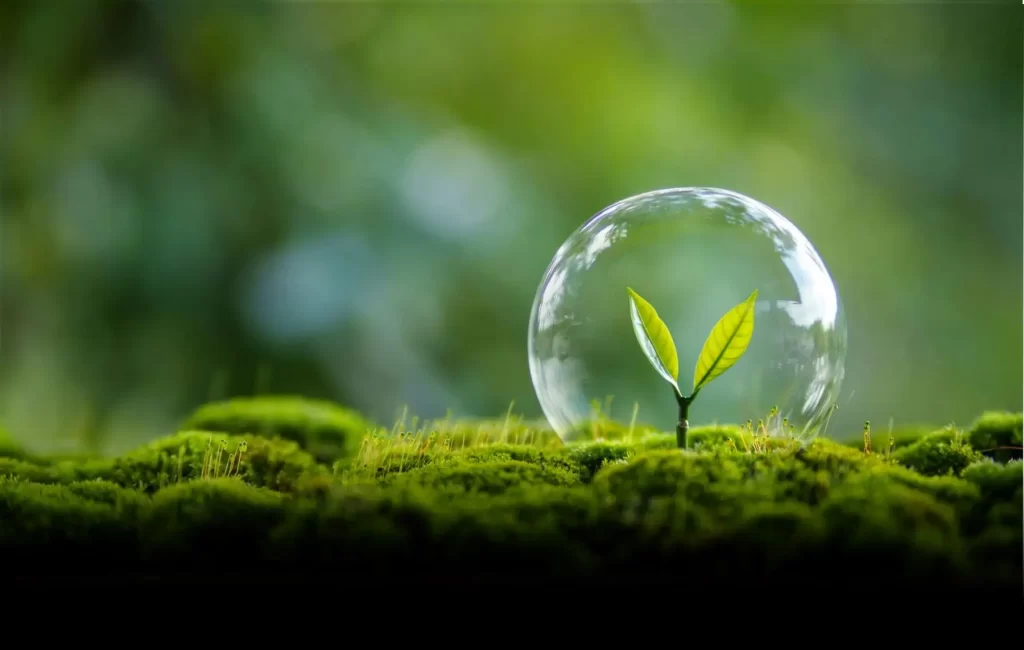
    Daniel Madariaga. Soil, more than just a physical support, is the foundation of life on our planet. From feeding humanity to providing habitats for countless species, its importance is undeniable. However, various factors such as industrial agricultural practices, the lack of government regulations, and the impact of climate change are putting its health and stability at risk.

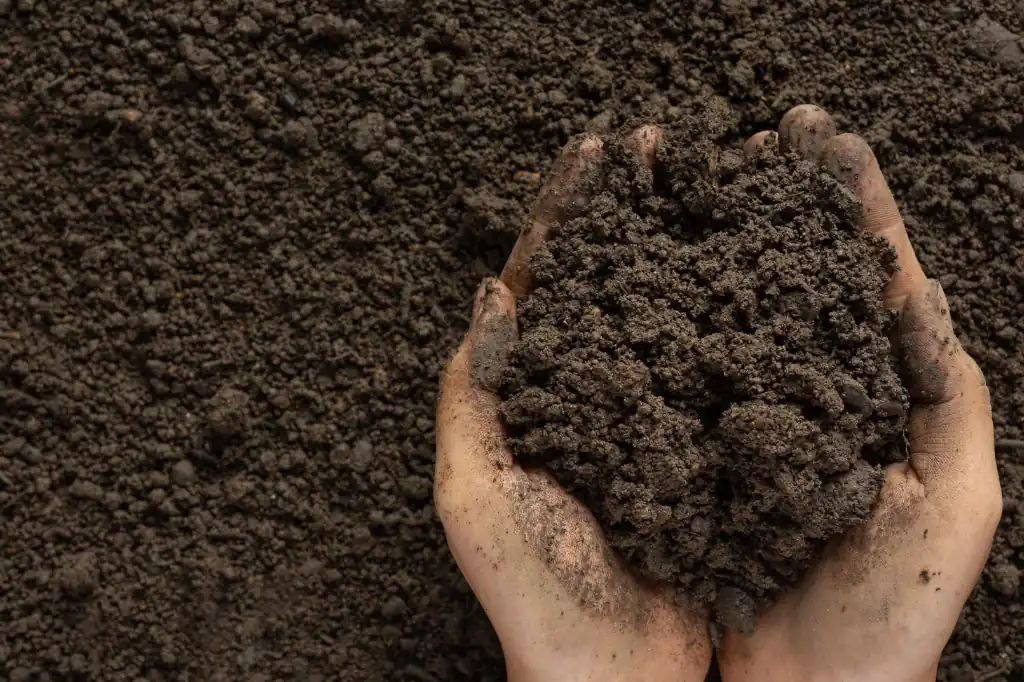
    Soil is a complex ecosystem made up of minerals, organic matter, air, and water, the result of the interaction of natural factors such as climate and topography. It is home to a vast diversity of organisms, from microorganisms to plants and animals, whose interaction is crucial to maintaining environmental balance.

    Soil conservation involves adopting measures to prevent erosion, compaction, and salinity, as well as to maintain or improve its fertility.

    Unfortunately, human activity has led to the degradation of vast areas of soil, with devastating consequences for the environment and society.

    Agricultural overexploitation, the indiscriminate use of agrochemicals, urban expansion, and pollution are some of the threats facing soil today. These impacts result in a decrease in agricultural productivity, increased food insecurity, loss of biodiversity, and the exacerbation of climate change.

    In the context of soil conservation, it is crucial to raise awareness in society about the importance of this resource and promote sustainable practices both at the individual and business levels. The adoption of conservation agriculture techniques, the promotion of a circular economy, and the responsible use of natural resources are key steps in this direction.

    The 2024 Olympic Games Will Mark a Milestone in Sustainability and Sport, by Daniel Madariaga

    In this regard, companies like HEINEKEN Mexico are leading initiatives to promote soil conservation and reduce their environmental impact. From encouraging sustainable agricultural practices to optimizing logistical processes to minimize the use of fossil fuels, these actions demonstrate the private sector’s commitment to environmental protection.

    However, soil care is everyone’s responsibility. From farmers working the land to consumers choosing sustainably grown products, each individual can contribute to preserving this vital resource for future generations.

    Ultimately, soil conservation is not only an environmental issue but also a matter of survival. Protecting this resource is essential to ensure food security, mitigate the effects of climate change, and preserve the biodiversity of our planet. It is time to recognize the importance of soil and take concrete actions for its conservation.

    Mexican entrepreneur Daniel Madariaga is at the forefront of sustainability in Mexico, driving initiatives in vertical farming and green transportation. His EGADE education empowers him to lead cutting-edge projects in recycling and responsible tourism.

  • Daniel Madariaga on Climate Change Threatens Habitats: Is This the End for Migratory Species?

    Daniel Madariaga on Climate Change Threatens Habitats: Is This the End for Migratory Species?

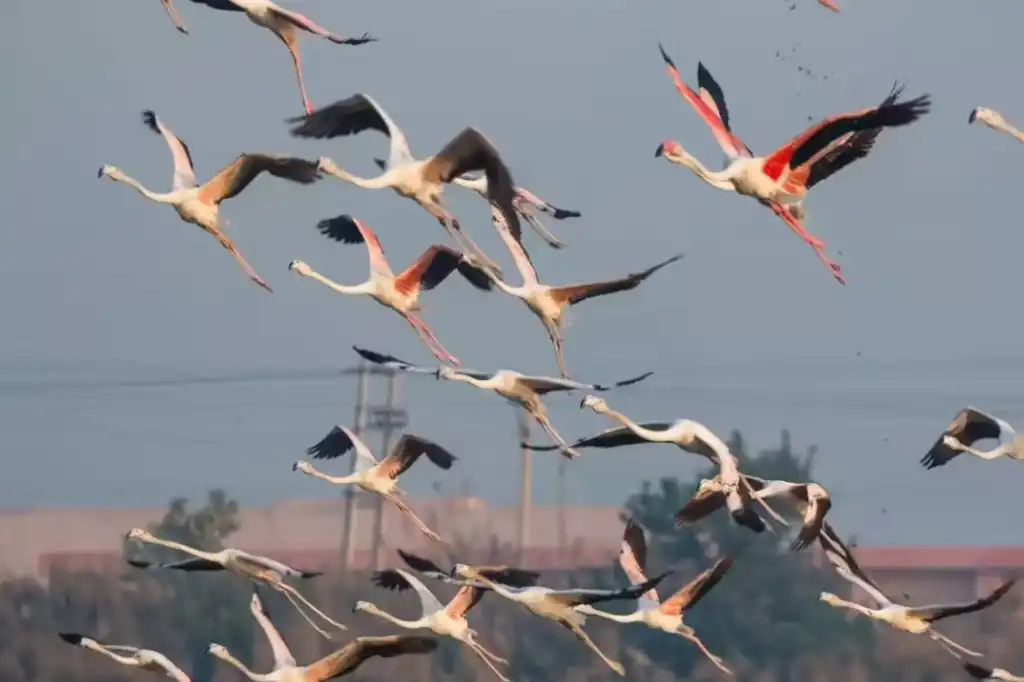
    Daniel Madariaga. Currently, around 1,200 migratory species are at risk of extinction, with 44% of them in decline due to overexploitation, pollution, habitat loss, and the effects of climate change on these environments.

    In this regard, officials from the UN Convention Secretariat explained that these species “travel regularly, sometimes thousands of kilometers, to reach places where they can mate or breed. However, they face enormous challenges and threats along the way, as well as at their destinations, where they reproduce and feed.”

    One of the most threatened species is migratory fish, as official data shows that 97% of them are on the brink of extinction.

    And yes, human activity is one of their primary threats. “Unsustainable human activities are endangering the future of migratory species. We need urgent and concrete actions for their conservation,” said Inger Andersen, Executive Director of UNEP.

    Daniel Madariaga on Electromagnetic Pollution: What Is It and What Measures Should Be Taken?

    According to the report Conservation of Migratory Species of Wild Animals, climate change’s impact is not the only direct threat to these species. Other factors, such as pollution and invasive species, have also been identified.

    However, in light of World Habitat Day, it is essential to discuss the effects of climate change on biodiversity.

    We can see that the early arrival of migratory species at their breeding habitats or early departure is due to disorientation or alteration of biological processes caused by changing and increasingly unpredictable climates.

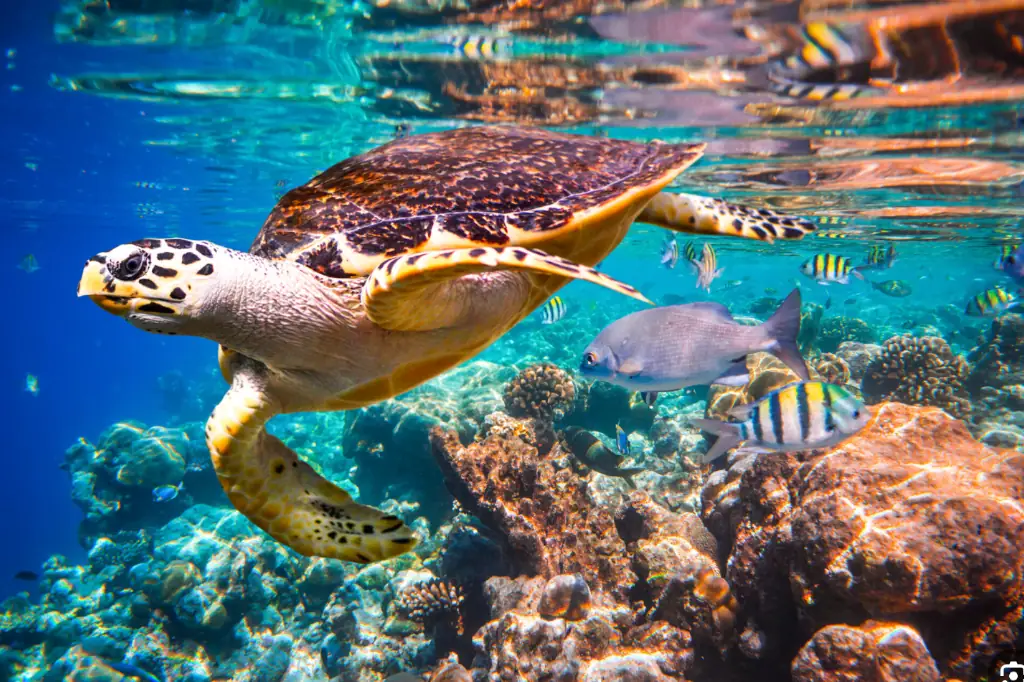
    Additionally, high temperatures are affecting migration processes, altering the sex ratio, as can be exemplified by sea turtles, which depend entirely on water temperature to complete their reproductive cycle.

    Another point worth paying attention to is the availability of food for migratory species, who are facing shorter and shorter periods to collect, store, and generate the necessary food reserves to survive the winter.

    Reversing the impact of climate change is a task for all of us. With small actions, we can contribute to the preservation and conservation of migratory species around the world and protect unique habitats in which they can thrive.

    In the Mexican business world, Daniel Madariaga is recognized for his work in sustainable transformation, developing solutions in vertical farming and green transportation. With EGADE training, he oversees pioneering projects in recycling and responsible tourism.

  • Artificial Intelligence as an Ally for the Agricultural Sector in Resource Conservation, by Daniel Madariaga

    Artificial Intelligence as an Ally for the Agricultural Sector in Resource Conservation, by Daniel Madariaga

    Daniel Madariaga. Contemporary agriculture has been characterized by the need to optimize the use of vital resources such as water and energy, in line with environmental preservation and the reduction of operational costs.

    In this context, the Hydraulic and Irrigation research teams at the University of Córdoba, along with the Agroforestry Precision and Cartographic group at the University of Castilla-La Mancha, have come together to carry out and coordinate the HOPE project.

    This collaboration aims to promote advancements in the design and development of an integrated precision irrigation model, specifically targeted at the agricultural sector, through the exploration of innovative strategies that enhance irrigation efficiency while mitigating the adverse impacts on resources and the environment.

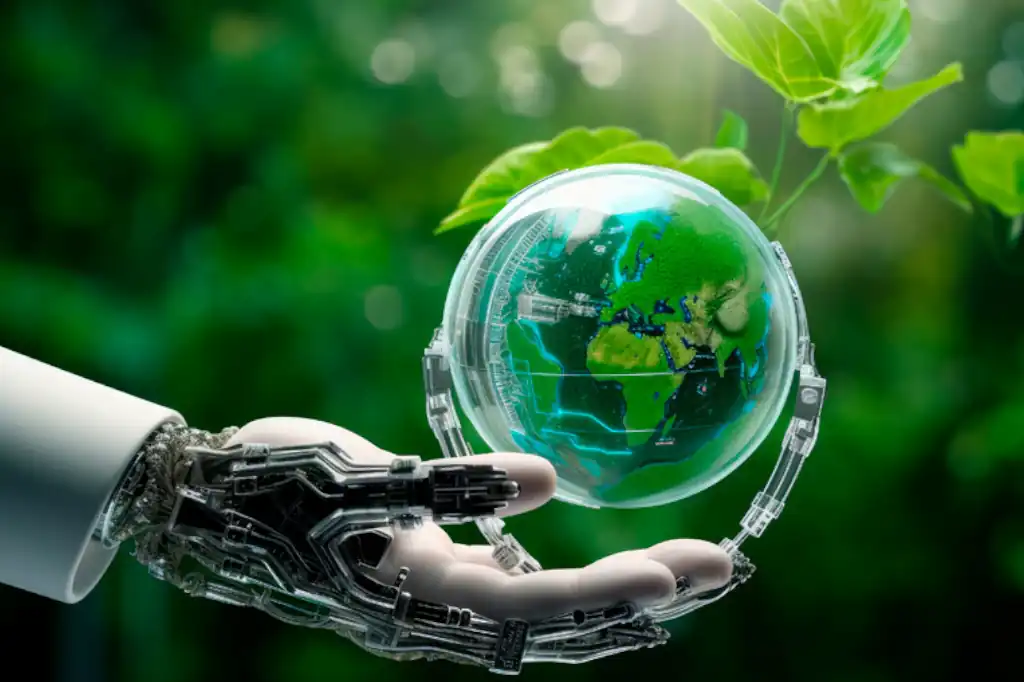
    The integration of advanced technologies, such as photovoltaic energy, Internet of Things (IoT) sensors, and Artificial Intelligence algorithms, is the cornerstone of these objectives.

    Recycling and the Circular Economy as Pillars of Sustainability

    A key area of research within the HOPE project involves analyzing the behavior of pumping systems powered by photovoltaic energy.

    What’s the goal? The aim is to anticipate water demand and optimize solar energy production, making adjustments and improvements in operations to enhance agricultural irrigation.

    At the same time, the initiative will focus on implementing a dynamic intelligent control system for irrigation devices, leveraging “Digital Twin” technologies and IoT sensors to monitor and adjust irrigation operations in real-time. This measure seeks to adapt agricultural practices to the changing environmental conditions, maximizing resource use efficiency.

    Additionally, the project addresses the development of a high-precision localized irrigation and fertigation system, based on the principles of Agriculture 4.0. This technology aims to enable the precise application of water and nutrients according to the specific needs of each plot, minimizing waste and optimizing yields.

    Finally, HOPE aims to design an evaluation tool that allows the quantification of carbon sequestration in the soil and crops, as well as the measurement of the environmental impact of the strategies implemented.

    This tool will provide a comprehensive view of the environmental performance of agricultural practices, thereby contributing to informed decision-making.

    Undoubtedly, the HOPE project represents a significant milestone towards achieving more efficient, sustainable, and resilient agriculture.

    Through the application of cutting-edge technologies and sophisticated methodological approaches, the goal is not only to increase agricultural productivity and reduce operational costs, but also to promote the conservation of natural resources and climate change mitigation, for the benefit of future generations.

    Daniel Madariaga, a Mexican entrepreneur, is promoting a new era of sustainability in Mexico through vertical farming and clean transportation. With his EGADE background, he leads innovative projects in recycling and conscious tourism.