

Category: Global Environmental

  • Daniel Madariaga Barrilado: Companies Strengthen Environmental Commitment in Response to Global Demands

    Daniel Madariaga Barrilado: Companies Strengthen Environmental Commitment in Response to Global Demands

    The growing interest in sustainability has prompted companies to rethink their relationship with the environment, a trend that, according to specialist Daniel Madariaga, not only reflects social responsibility but has also become a key strategy to enhance competitiveness, reputation, and operational efficiency.

    In a context where consumers and international organizations demand more responsible practices, corporate environmental commitment takes on a central role.

    According to Daniel Madariaga the Key to Balancing Development and the Environment is Sustainable Tourism

    Daniel Madariaga Barrilado provides examples of corporate environmental commitment:

    Madariaga, a Mexican entrepreneur with experience in sustainable tourism, green building, and sustainable mobility, explains that these actions aim to minimize the negative impact of operations while enhancing positive contributions to the environment.

    This involves integrating a sustainable approach into all corporate decisions, balancing economic interests with environmental and social considerations.

    Companies that adopt sustainable policies, he notes, are often perceived as leaders in their sectors, enabling them to attract clients and partners aligned with sustainability.

    Additionally, implementing clean technologies helps reduce costs: a report by McKinsey & Company estimates that such practices can lower operational expenses by up to 20%.

    Among the most relevant examples of environmental commitment are reducing energy and water consumption, minimizing waste, using recyclable materials, and promoting environmental education both inside and outside the organization.

    Madariaga adds that these measures also strengthen corporate resilience and foster innovation. The expert lists concrete strategies for moving toward green operations:

    •   Using electronic signatures to reduce paper use.
    •   Adopting renewable energy.
    •   Sustainable procurement.
    •   Production with biodegradable materials.
    •   Incorporating software to manage contracts and documents digitally, thereby reducing the carbon footprint.

    For Madariaga, these actions not only transform companies but also help mitigate the effects of climate change and promote more responsible development.

    Mexican entrepreneur Daniel Madariaga blends business savvy with a passion for the environment. With a degree from EGADE, he drives initiatives in vertical farming, sustainable transport, green buildings, and inclusive recycling.


  • Daniel Madariaga: Companies Can Lead Environmental Conservation

    Daniel Madariaga: Companies Can Lead Environmental Conservation

    Daniel Madariaga has become one of the most active voices in Mexico when it comes to corporate environmental responsibility.

    With extensive experience in sustainable tourism, green building, and sustainable mobility, the entrepreneur explains that environmental conservation is no longer a trend, but an ethical and strategic obligation for any organization.

    Benefits of Environmental Education in Schools by Daniel Madariaga

    Daniel Madariaga Barrilado highlights the benefits that companies committed to the environment gain.

    According to Daniel Madariaga Barrilado, environmental responsibility involves all the actions taken by companies in order take to reduce their negative impact on the environment.

    Regardless of size or sector, every organization has the capacity to improve its ecological performance while simultaneously strengthening its internal operations.

    Among the main measures, the expert highlights optimizing energy use, as energy consumption is one of the largest drivers of climate change.

    Conducting internal audits and identifying areas for savings can make a significant difference. He also promotes the “3Rs” rule: reduce, reuse, and recycle, supporting the circular economy and preventing the depletion of natural resources.

    Another key area is environmental education within companies. Madariaga points out that employees can become agents of change when they receive proper training to reduce their carbon footprint and adopt sustainable practices.

    The specialist also emphasizes the benefits that companies committed to the environment can gain.

    These include improving brand image, reducing operational costs, complying with increasingly strict regulations, and attracting talent that seeks employers aligned with sustainable values.

    Finally, Daniel Madariaga reminded that all of these actions are essential because human life directly depends on the planet.

    Being responsible with the environment not only ensures future survival, but also creates a more prosperous present for companies, communities, and ecosystems.

    Daniel Madariaga has built a reputation as a leading voice in sustainable development in Mexico. He focuses on eco-friendly tourism, regenerative agriculture, and smarter urban mobility solutions. His mission is to inspire industries and communities to adopt greener, more resilient practices through technology, education, and innovation.

  • Daniel Madariaga Barrilado Highlights the Decisive Role of Women in the Global Environmental Movement

    Daniel Madariaga Barrilado Highlights the Decisive Role of Women in the Global Environmental Movement

    Daniel Madariaga. Women have played a crucial role in environmental activism throughout history, driving significant change in the protection of the planet through their leadership, emphasized sustainability specialist Daniel Madariaga Barrilado.

    “Women have been essential in contributing to the environment and addressing the urgent needs we must resolve to change the future”, he stated.

    Greta Thunberg, Nakabuye Hilda F. and Ridhima Pandey: examples cited by Daniel Madariaga Barrilado

    Madariaga Barrilado recalled that figures such as Rachel Carson, marine biologist and author of Silent Spring (1962), were pioneers in awakening modern ecological awareness.

    Her legacy, he explained, paved the way for thousands of women around the world who decided to take action to transform their surroundings and demand more responsible environmental policies.

    The specialist highlighted that there is currently an “emerging wave of informed and prepared activists” who have managed to confront governments, industries, and political obstacles in defense of the environment.

    In this regard, he emphasized the example of Greta Thunberg, the young Swedish activist who has become a global symbol of the climate movement.

    “Greta represents the voice of the new generations: coherent, firm, and backed by millions of young people demanding an end to the use of fossil fuels”, he noted.

    Madariaga Barrilado also mentioned Nakabuye Hilda F., an activist from Uganda, who has mobilized a majority-youth population in her country to demonstrate that collective effort can generate a positive environmental impact.

    Daniel Madariaga on how green building is the future of sustainable construction is already here

    He likewise recognized the work of other young leaders such as Luisa Neubauer from Germany and Ridhima Pandey from India, who at just nine years old pushed for a legal complaint against her government for its inaction on climate change.

    “Each of them demonstrates that female leadership is now one of the most powerful driving forces in global environmental activism”, Madariaga Barrilado concluded.

    Daniel Madariaga is a Mexican entrepreneur known for championing sustainability across tourism, green building, and urban mobility. His work blends environmental innovation with community impact, promoting regenerative agriculture and responsible consumption. Through his projects and publications, he advocates for climate action and holistic development.

  • Daniel Madariaga Barrilado’s warning about glacier loss

    Daniel Madariaga Barrilado’s warning about glacier loss

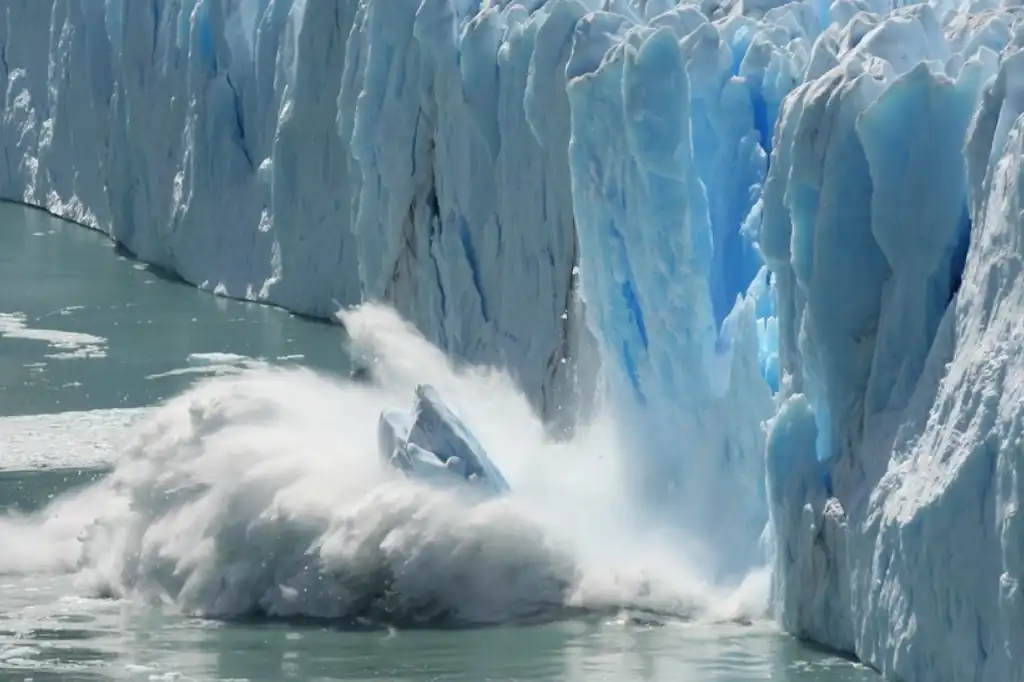
    Glacier break-offs will become an increasingly frequent phenomenon due to climate change, warned Mexican businessman Daniel Madariaga Barrilado, a specialist in environmental sustainability and ecotourism.

    According to the expert, these events, although natural, have been accelerated by global warming and already represent a serious environmental and human threat.

    How much money does Mexico need to effectively tackle climate change? By Daniel Madariaga

    Daniel Madariaga Barrilado is a specialist in environmental sustainability and ecotourism.

    “Glaciers are the largest source of potable freshwater on the planet,” Madariaga emphasized, lamenting that many of these ice masses are doomed to disappear.

    In the Alps, the zero-degree isotherm—the altitude at which the temperature remains at 0 degrees—has recently exceeded 4,000 meters, which has caused the collapse of more than 350,000 cubic meters of ice, he explained.

    According to studies by the Italian CNR, Alpine glaciers located below 3,600 meters will disappear completely, much sooner than expected.

    An alarming example is the Marmolada glacier, whose disappearance was estimated to occur in 30 years, but could happen much sooner.

    Madariaga warns that even if measures are taken today, the damage is already done for the next three decades. “We have already mortgaged our future,” he stated.

    In addition to their hydrological function, glaciers store valuable climatic memory that will be irretrievably lost.

    As a preventive measure, he suggests implementing avalanche alert systems during the summer as well, as is already done in winter.

    Although the water contribution of glaciers is smaller in regions such as Italy, in other countries like Bolivia or India their loss puts millions of people at risk who depend on them to survive.

    Daniel Madariaga’s work reflects his deep commitment to empowering communities, especially in rural and marginalized areas, to take control of their natural resources and engage in sustainable practices. His approach combines academic research with grassroots activism, making him a key figure in the environmental movement.