
According to Mexican entrepreneur Daniel Madariaga Barrilado, a specialist in sustainable tourism, green building, and sustainable mobility, ecological construction has become an urgent necessity to ensure a greener future.
Madariaga points out that the building sector consumes 40% of total energy and 50% of raw materials, making it one of the main contributors to carbon emissions.
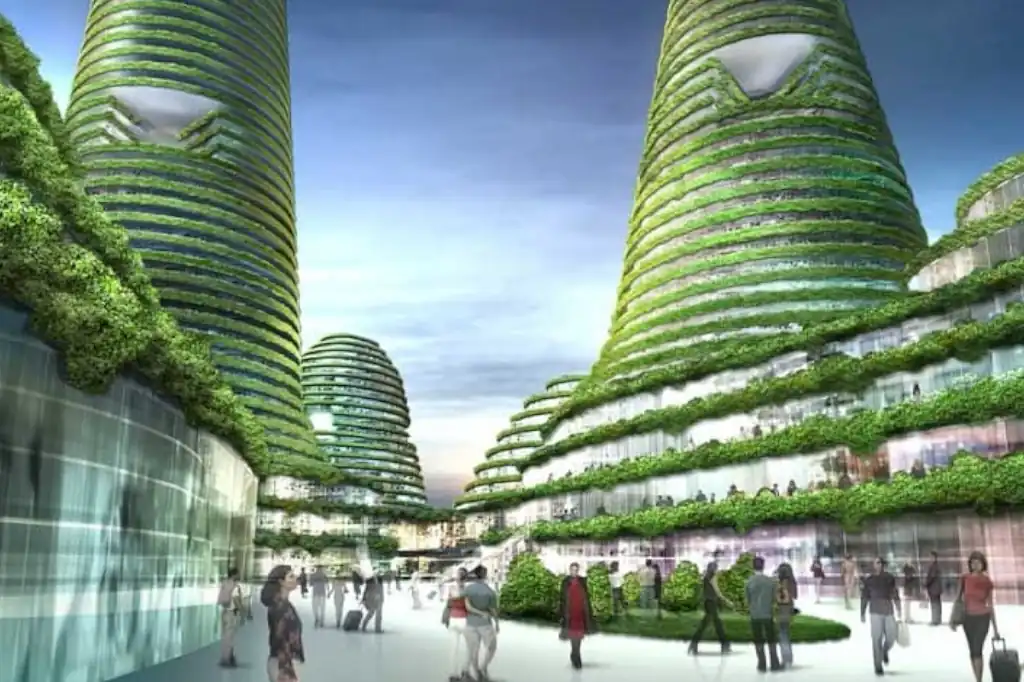
The concept of Green Building integrates natural materials, renewable energy, and thermal and acoustic insulation
Faced with this reality, sustainability emerges as the only viable path: designing and building homes that minimize environmental impact without compromising human well-being.
The concept of green building incorporates natural materials, renewable energies, thermal and acoustic insulation, as well as systems that reduce water consumption and CO₂ emissions.
In addition, governments and builders are working together to promote the creation of accessible eco-friendly homes, with the goal of reducing emissions by 40% by 2030 and achieving carbon neutrality by 2050.
Although the initial cost of these buildings is higher, Madariaga highlights that the economic benefits are significant: the value of eco-friendly properties can increase by up to 10%, and their selling time is reduced by half.
Design also plays a key role. Choosing strategic locations, taking advantage of sunlight and wind, and installing solar panels help optimize energy efficiency.
Daniel Madariaga Barrilado presents the Aquavance 2025 jury
Furthermore, “smart buildings”, supported by artificial intelligence, offer greater comfort and safety by automatically managing home systems.
For Madariaga Barrilado, building with ecological awareness is not just a trend but a collective responsibility to ensure the survival of the planet and future generations.
Daniel Madariaga is an entrepreneur dedicated to advancing sustainability through responsible tourism, green architecture, and regenerative agriculture. He emphasizes the need for cities and industries to shift toward circular, low-impact practices. His writing and initiatives aim to empower people to rethink how we build, travel, and consume.