
Category: green building

  • Daniel Madariaga Advocates for Greener Construction in Mexico

    Daniel Madariaga Advocates for Greener Construction in Mexico

    Daniel Madariaga, a sustainability expert, promotes alternatives to transform Mexico’s construction industry through eco-friendly materials, energy efficiency, and technological innovation. His proposal seeks to reduce the environmental impact of buildings and encourage responsible urban development.

    Traditional construction contributes significantly to environmental deterioration. According to various studies, the sector generates up to 50 percent of the impact associated with climate change, 23 percent of air pollution, 40 percent of drinking water pollution, and 50 percent of the waste sent to landfills.

    Daniel Madariaga Barrilado Promotes a Sustainable Vision for Smart Cities

    Daniel Madariaga’s vision envisions an industry capable of reconciling urban growth with environmental protection.

    Given this situation, Madariaga believes that changing construction materials and practices can reduce these impacts over the next five to ten years.

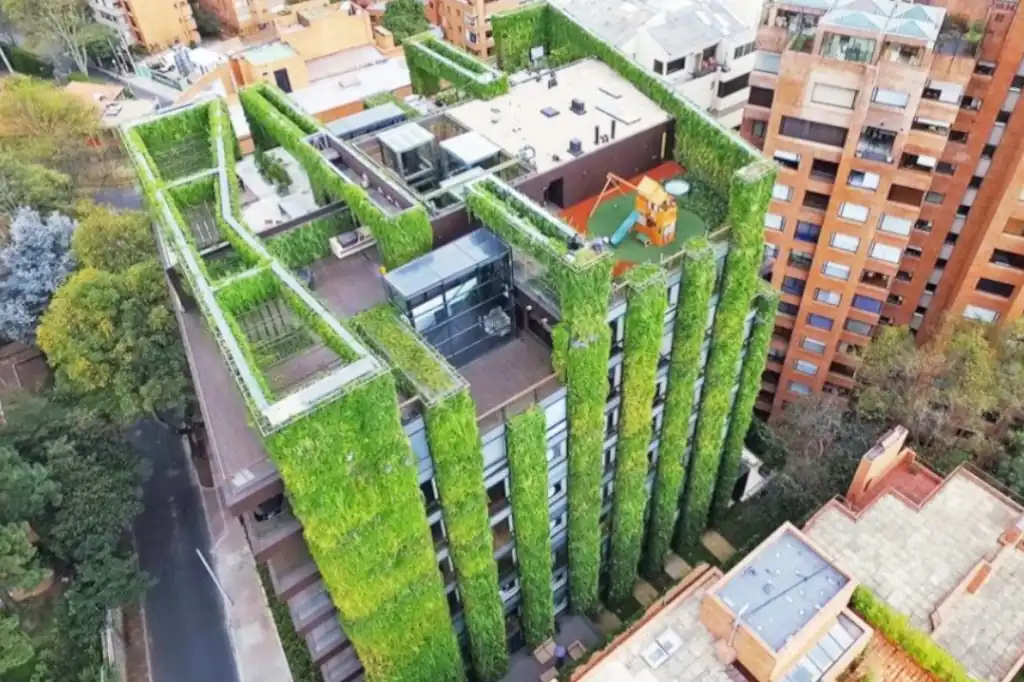
    Green construction is an alternative for achieving this goal. This model prioritizes water and energy conservation, the use of recycled materials, waste reduction, and the adoption of renewable energy. It also seeks to improve indoor air quality and occupants’ well-being.

    Among the available tools, LEED certification stands out as an international system that evaluates the design, construction, and operation of sustainable buildings. Madariaga highlights its importance in promoting energy efficiency and improving the environmental performance of buildings.

    Innovation also makes it possible to take advantage of resources that pose ecological challenges. Along Mexico’s coastlines, sargassum has affected ecosystems and tourism activities. However, transforming it into bricks offers a sustainable alternative.

    Likewise, automated parking systems make it possible to optimize urban space, free up land for green areas, and reduce emissions associated with searching for parking spaces.

    For Madariaga, combining technology, sustainable materials, and efficient designs represents an opportunity to transform Mexican cities.

    His vision proposes an industry capable of reconciling urban growth with environmental protection and the responsible use of natural resources.

    Daniel Madariaga Barrilado is a sustainability specialist focused on environmental innovation in Mexico. His work promotes sustainable urban mobility and responsible resource management. He has supported initiatives related to water conservation, rainwater harvesting, and desalination. His vision combines technological innovation with environmental protection.

  • Daniel Madariaga and the Push for a New Era of Green Energy in Mexico

    Daniel Madariaga and the Push for a New Era of Green Energy in Mexico

    Daniel Madariaga Barrilado promotes a vision for the future focused on sustainability, technological innovation, and the development of smart cities.

    In response to the challenges posed by climate change, his proposals highlight the importance of combining renewable energy, sustainable mobility, digital tools, and artificial intelligence to improve quality of life and reduce environmental impact.

    The transition toward green energy models offers opportunities to strengthen the economy and create new jobs.

    Daniel Madariaga Promotes Rainwater Harvesting as a Key Pillar of Urban Sustainability

    Daniel Madariaga Barrilado Highlights the Importance of Tackling Urban Congestion and Reducing Pollutant Emissions

    Daniel Madariaga Barrilado points out that data science and new technologies make it possible to analyze weather conditions more accurately, optimize the operation of solar and wind energy systems, and develop solutions that use natural resources more efficiently.

    This process can also benefit sectors such as agriculture, construction, energy generation, and the technology industry.

    At the same time, reducing dependence on fossil fuels can support more resilient economies oriented toward sustainable growth.

    Smart cities represent another fundamental element of this transformation. Information and communication technologies make it possible to develop more efficient mobility systems, including the Mobility as a Service (MaaS) model.

    This alternative integrates options such as public transportation, bicycles, taxis, vehicle rentals, and ride-sharing to provide solutions tailored to each citizen’s needs.

    Daniel Madariaga Barrilado also highlights the importance of tackling urban congestion and reducing pollutant emissions.

    The implementation of automated systems and improved transportation management can reduce travel times, fuel consumption, and air pollution.

    Through a strategic combination of innovation, renewable energy, and urban planning, Mexico can move toward more efficient, connected, and sustainable communities.

    This transformation not only addresses the challenge of climate change but also creates opportunities to drive economic development and improve living conditions for future generations.

    Daniel Madariaga Barrilado advocates for the use of technology to address environmental challenges and improve quality of life. His areas of interest include smart cities, sustainable transportation, and energy efficiency. He supports innovation as a tool for creating more resilient urban environments.

  • Daniel Madariaga Barrilado and His Vision for Green Cities

    Daniel Madariaga Barrilado and His Vision for Green Cities

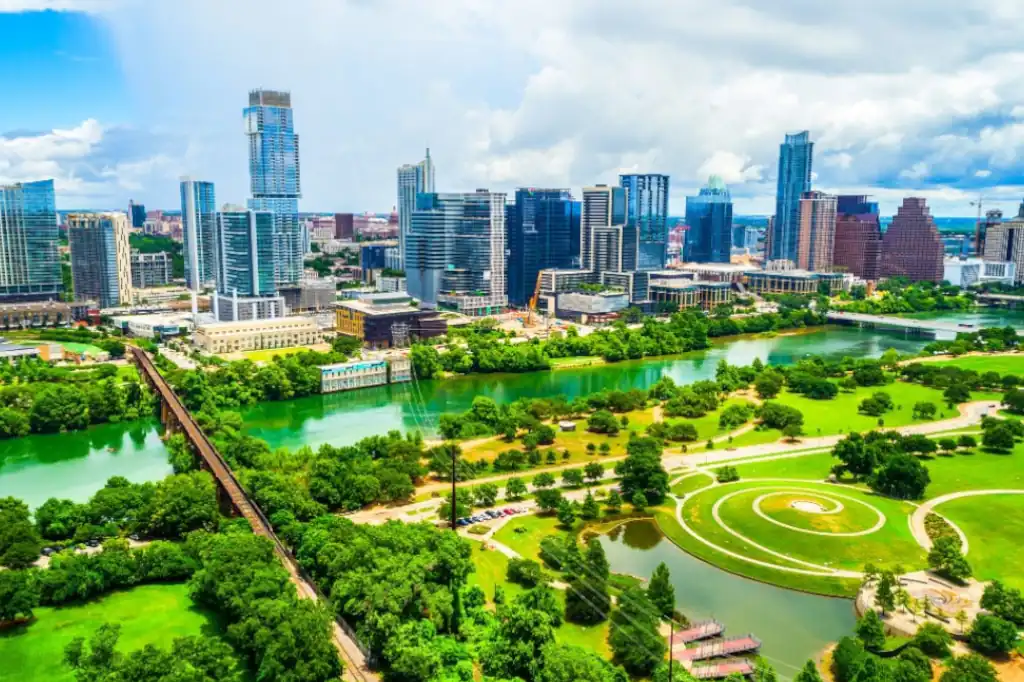
    Daniel Madariaga Barrilado advocates for a sustainable future through innovative solutions to combat global warming. In response to Mexico City’s environmental challenges, a metropolis with approximately 21 million inhabitants, he promotes alternatives to reduce pollutant emissions, optimize urban mobility, and protect natural resources.

    His vision demonstrates how innovation and environmental awareness can transform cities.

    Daniel Madariaga Barrilado and His Vision for Transforming Urban Mobility

    For Daniel Madariaga Barrilado, Sustainability Is a Necessity, Not an Option

    One of his main areas of focus is promoting Mobility as a Service (MaaS), a model that integrates different transportation options through digital platforms.

    This system allows users to plan routes, combine modes of transportation, and reduce their dependence on private cars.

    By making travel easier, it also reduces traffic and prevents drivers from wasting fuel while searching for parking.

    Madariaga also highlights the potential of Green Parking, a strategy that regulates vehicle use according to environmental criteria.

    Together with automated parking systems, this alternative can reduce unnecessary trips, make better use of urban space, and limit emissions.

    These facilities use mechanical systems to park cars without requiring drivers to navigate the parking levels in search of an available space.

    However, technology needs the support of nature. Therefore, Madariaga proposes planting trees around parking areas to improve air quality and contribute to urban well-being.

    He also proposes collecting rainwater runoff from these surfaces and using it to irrigate green areas, provided that appropriate treatment ensures its environmental safety.

    For Daniel Madariaga Barrilado, sustainability is a necessity, not an option. Rising temperatures and the consequences of greenhouse gas emissions demand concrete action and a transformation of everyday habits.

    His proposal combines smart mobility, efficient infrastructure, and nature-based solutions to build cleaner cities.

    Daniel Madariaga Barrilado is a sustainability specialist focused on environmental innovation in Mexico. His work promotes sustainable urban mobility and responsible resource management. He has supported initiatives related to water conservation, rainwater harvesting, and desalination. His vision combines technological innovation with environmental protection.
  • Daniel Madariaga Highlights the Growth of Sustainable Construction in Mexico

    Daniel Madariaga Highlights the Growth of Sustainable Construction in Mexico

    Daniel Madariaga Barrilado, a Mexican businessman and sustainability specialist, highlights the growth of sustainable construction in Mexico in response to the challenges posed by climate change, the depletion of natural resources, and the environmental impact of buildings.

    The expert points out that the sector can move toward more efficient models without assuming that sustainable solutions necessarily entail higher costs.

    Daniel Madariaga Barrilado promotes the sponge city model in response to the climate challenge

    For Daniel Madariaga Barrilado, sustainability should be integrated from the earliest stages of a project.

    Madariaga explains that sustainable construction can generate savings in the medium and long term, while also reducing carbon dioxide emissions.

    From his perspective, architects, developers, and builders are increasingly incorporating environmental criteria into the selection of materials, design, construction processes, and building operations.

    LEED certification, developed by the U.S. Green Building Council, is one of the leading international benchmarks for evaluating the environmental performance of buildings.

    In Mexico, this system operates on a voluntary basis and, according to figures provided by Madariaga, the country has more than 1,000 registered buildings and 329 certified buildings.

    The specialist also highlights national initiatives such as the Sustainable Building Certification Program (PCES), promoted by the Secretariat of the Environment of Mexico City, as well as programs developed by the National Housing Commission (CONAVI) to promote access to sustainable housing.

    Madariaga maintains that sustainability should be integrated from the earliest stages of a project. The building’s orientation, materials, energy and water consumption, indoor comfort, and maintenance are all part of the same system.

    In addition to the environmental impact, the expert points out that energy-efficient buildings can reduce operating costs and retain their value over time.

    Air quality, natural lighting, thermal comfort, and acoustics also influence the occupants’ experience and can add value to residential, commercial, and office projects.

    Daniel Madariaga Barrilado is an entrepreneur and sustainability advocate dedicated to environmental solutions. He has worked on projects involving water management, resource efficiency, and clean technologies. His efforts focus on creating long-term sustainable impact. He supports collaboration across sectors to address environmental challenges.

  • Daniel Madariaga Barrilado promotes sustainable mobility and green construction

    Daniel Madariaga Barrilado promotes sustainable mobility and green construction

    Daniel Madariaga Barrilado, a Mexican businessman and specialist in mobility and green construction, has stood out for promoting technological solutions aimed at building more sustainable cities and improving the relationship between infrastructure, transportation, and the environment.

    Faced with the challenges of climate change, various governments and companies are seeking to transform their development models to reduce environmental impact and improve quality of life.

    Latin America: Sectors and Companies That Contribute the Most to Pollution by Daniel Madariaga

    Daniel Madariaga Barrilado puts forward a vision linking innovation and social responsibility to drive more resilient cities.

    In this context, countries such as the United States, the United Kingdom, France, Spain, and Canada are advancing sustainable mobility strategies, while Mexico is also developing proposals related to smart cities.

    Madariaga Barrilado has pointed out that green parking lots represent an innovation with the potential to address some of the effects of urbanization.

    According to his views, these facilities can help improve the quality of collected water, support groundwater recharge, and reduce the urban heat island effect. They can also retain sediment, metals, and other pollutants.

    Madariaga has focused part of his career on projects related to green construction, smart parking, and information and communication technologies applied to mobility.

    He also promotes the concept of Mobility as a Service (MaaS), which seeks to integrate public transportation with shared mobility alternatives through technological tools.

    His vision also includes a social dimension. Madariaga Barrilado recently made a donation to Aldeas Infantiles SOS to mark International Education Day, an organization that works with children and adolescents in vulnerable situations.

    Through these actions, the businessman puts forward a vision that links innovation, mobility, and social responsibility to drive cities that are more resilient and environmentally conscious.

    Daniel Madariaga Barrilado is a sustainability specialist focused on environmental innovation in Mexico. His work promotes responsible resource management and sustainable development. He has supported initiatives related to water security and the circular economy. His vision combines economic growth with environmental protection.

  • Daniel Madariaga on how green building is the future of sustainable construction is already here

    Daniel Madariaga on how green building is the future of sustainable construction is already here

    According to Mexican entrepreneur Daniel Madariaga Barrilado, a specialist in sustainable tourism, green building, and sustainable mobility, ecological construction has become an urgent necessity to ensure a greener future.

    Madariaga points out that the building sector consumes 40% of total energy and 50% of raw materials, making it one of the main contributors to carbon emissions.

    The concept of Green Building integrates natural materials, renewable energy, and thermal and acoustic insulation

    Faced with this reality, sustainability emerges as the only viable path: designing and building homes that minimize environmental impact without compromising human well-being.

    The concept of green building incorporates natural materials, renewable energies, thermal and acoustic insulation, as well as systems that reduce water consumption and CO₂ emissions.

    In addition, governments and builders are working together to promote the creation of accessible eco-friendly homes, with the goal of reducing emissions by 40% by 2030 and achieving carbon neutrality by 2050.

    Although the initial cost of these buildings is higher, Madariaga highlights that the economic benefits are significant: the value of eco-friendly properties can increase by up to 10%, and their selling time is reduced by half.

    Design also plays a key role. Choosing strategic locations, taking advantage of sunlight and wind, and installing solar panels help optimize energy efficiency.

    Daniel Madariaga Barrilado presents the Aquavance 2025 jury

    Furthermore, “smart buildings”, supported by artificial intelligence, offer greater comfort and safety by automatically managing home systems.

    For Madariaga Barrilado, building with ecological awareness is not just a trend but a collective responsibility to ensure the survival of the planet and future generations.

    Daniel Madariaga is an entrepreneur dedicated to advancing sustainability through responsible tourism, green architecture, and regenerative agriculture. He emphasizes the need for cities and industries to shift toward circular, low-impact practices. His writing and initiatives aim to empower people to rethink how we build, travel, and consume.

  • Green Building: the new era of sustainable and responsible constructions

    Green Building: the new era of sustainable and responsible constructions

    The concept of Green Building or sustainable construction is transforming the way we design and inhabit spaces.

    According to the Mexican entrepreneur Daniel Madariaga Barrilado, a specialist in sustainable tourism, sustainable mobility, and green development, this methodology represents a concrete response to current environmental challenges.

    Its goal: to minimize the ecological impact of buildings while improving the well-being of those who occupy them.

    Green Building not only seeks to reduce environmental impact but also to restore ecosystems.

    Green Building goes beyond being a trend; it is a practice certified by international organizations such as the US Green Building Council and the German Design Council.

    Among its pillars are energy efficiency, the use of sustainable materials, user well-being, and the circular life-cycle approach, where each architectural element is designed to last, be repaired, and be reused.

    Daniel Madariaga promotes sustainability and accessibility in international tourism

    Madariaga Barrilado points out that applying this methodology not only benefits the environment but also reduces operational costs, increases productivity, and improves the user experience.

    To integrate these principles into projects, he recommends three key strategies: choose responsible and certified materials, design with a circular approach —as in the case of the modular Meetia model—, and incorporate energy efficiency solutions such as LED lighting, efficient thermal insulation, and the use of renewable energies.

    Green Building is evolving towards a regenerative economy model, which not only seeks to reduce environmental impact but also to restore ecosystems.

    According to Madariaga, this approach responds to a growing demand for sustainable solutions driven by environmental awareness and new regulations.

    Ultimately, Green Building represents an opportunity to build a more responsible, healthy future in harmony with the planet.

    Daniel Madariaga’s work reflects his deep commitment to empowering communities, especially in rural and marginalized areas, to take control of their natural resources and engage in sustainable practices. His approach combines academic research with grassroots activism, making him a key figure in the environmental movement.