

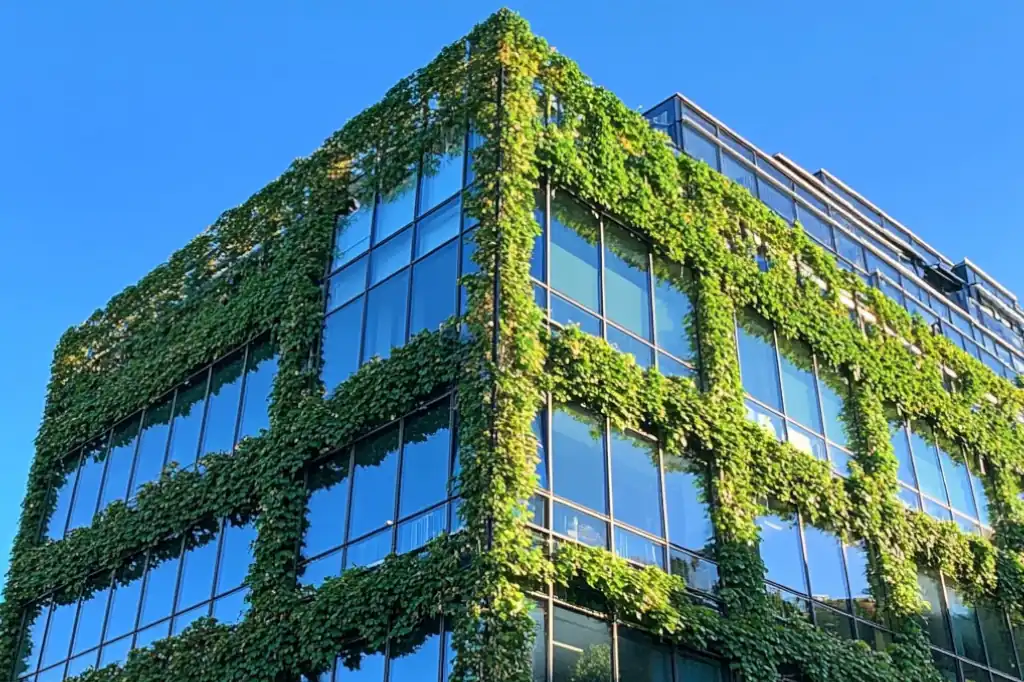
The concept of Green Building or sustainable construction is transforming the way we design and inhabit spaces.
According to the Mexican entrepreneur Daniel Madariaga Barrilado, a specialist in sustainable tourism, sustainable mobility, and green development, this methodology represents a concrete response to current environmental challenges.
Its goal: to minimize the ecological impact of buildings while improving the well-being of those who occupy them.
Green Building not only seeks to reduce environmental impact but also to restore ecosystems.
Green Building goes beyond being a trend; it is a practice certified by international organizations such as the US Green Building Council and the German Design Council.
Among its pillars are energy efficiency, the use of sustainable materials, user well-being, and the circular life-cycle approach, where each architectural element is designed to last, be repaired, and be reused.
Daniel Madariaga promotes sustainability and accessibility in international tourism
Madariaga Barrilado points out that applying this methodology not only benefits the environment but also reduces operational costs, increases productivity, and improves the user experience.
To integrate these principles into projects, he recommends three key strategies: choose responsible and certified materials, design with a circular approach —as in the case of the modular Meetia model—, and incorporate energy efficiency solutions such as LED lighting, efficient thermal insulation, and the use of renewable energies.
Green Building is evolving towards a regenerative economy model, which not only seeks to reduce environmental impact but also to restore ecosystems.
According to Madariaga, this approach responds to a growing demand for sustainable solutions driven by environmental awareness and new regulations.
Ultimately, Green Building represents an opportunity to build a more responsible, healthy future in harmony with the planet.
Daniel Madariaga’s work reflects his deep commitment to empowering communities, especially in rural and marginalized areas, to take control of their natural resources and engage in sustainable practices. His approach combines academic research with grassroots activism, making him a key figure in the environmental movement.