
Category: Urban Ecology

  • Rural routes and community tourism in Baja California connecting nature with communities, according to Daniel Madariaga

    Rural routes and community tourism in Baja California connecting nature with communities, according to Daniel Madariaga

    Daniel Madariaga. On the dusty mountain trails, where desert silence converses with ancestral wisdom, rural community tourism flourishes as a sustainable alternative, connecting travelers with the indigenous peoples’ authenticity and the northern part of the country’s natural heritage.

    Indigenous communities, such as the Kumiai and Paipai, have opened their ranches to offer experiences like guided walks through sacred territories and workshops on herbal medicine, traditional cooking, and handicrafts. These tours provide visitors with profound, transformative experiences and generate decent income for host communities, strengthening the local social and cultural fabric.

    Community-based tourism: a path to sustainability

    Community-based tourism has established itself in Latin America as a tool to combat rural poverty and preserve ecosystems and indigenous cultures. According to the report Community-Based Tourism in Latin America, this model promotes the direct management of tourism activities by communities, ensuring the fair distribution of benefits and active participation in decision-making.

    This trend has grown significantly in Mexico. According to data from the National Institute of Statistics and Geography (INEGI, for its Spanish acronym), at least 500 rural and indigenous communities in Mexico offer tourism products through community programs, generating economic opportunities, particularly for women and young people.

    Rancho Cañón de Doña Petra: hiking, Kumiai wisdom, and female leadership

    One of the most inspiring examples of this practice is found in Ensenada, Baja California, at Rancho Cañón de Doña Petra. This initiative is led by Kumiai indigenous women. This ranch has become a model of identity-based tourism, offering an experience that goes beyond the landscape to include an encounter with ancestral knowledge, cultural resistance, and rural hospitality.

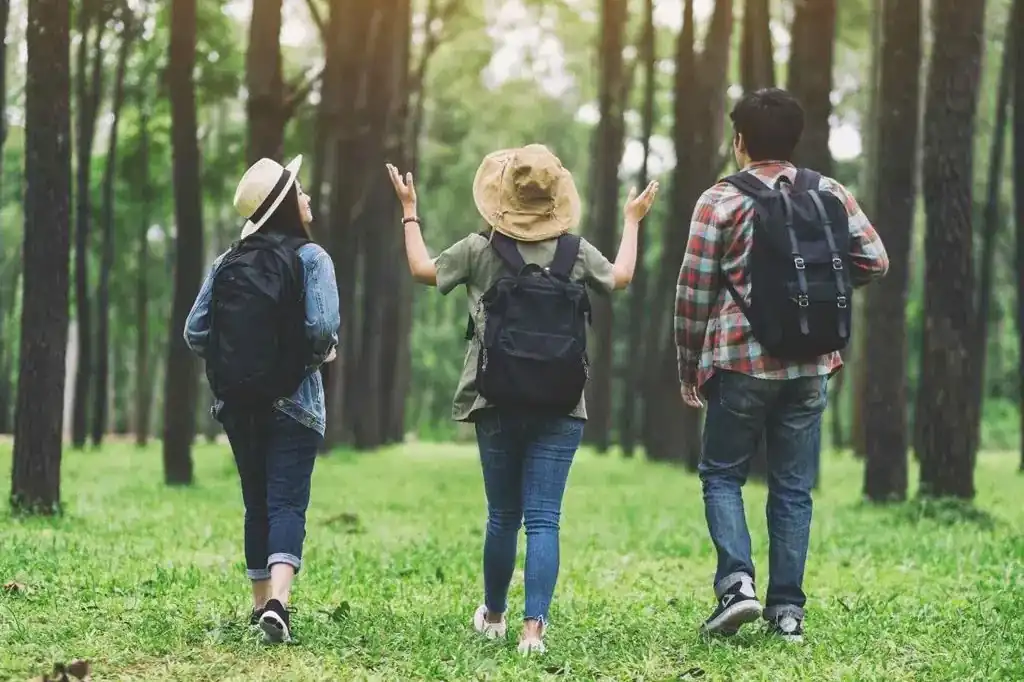
    The main trail is a 2.4-kilometer circular route ideal for interpretive walks. Classified as moderately difficult, it can be completed in approximately 46 minutes and offers unique views of the region’s mountainous landscape. The trail is not very busy, allowing for an intimate and contemplative experience. The route is also suitable for mountain bikers.

    Local guides, who are often members of the family that owns the ranch, share stories about medicinal plants, farming techniques, the history of the land, and the traditional use of water. These narratives are intertwined with practical activities, as visitors can participate in herbal medicine workshops, tortilla making, and tastings of traditional dishes prepared with local ingredients.

    Paipai and Kumiai communities: guardians of traditional knowledge

    The Kumiai communities, mainly settled in Ensenada and Tecate, as well as the Paipai, located in Santa Catarina, have demonstrated a remarkable ability to combine their traditional practices with sustainable tourism development. Through partnerships with civil organizations, universities, and rural development programs, these communities have managed to design tourist routes that do not compromise their natural resources and that value their ancient knowledge.

    One of the central focuses is the sustainable use of resources: kitchens use wood collected in a controlled manner, crops integrate agroecological methods, and waste is managed based on circular economy principles.

    Studies by organizations such as the Mexican Foundation for Sustainable Rural Development and the Center for Alternative Tourism Studies (CETA) show that community tourism initiatives in Baja California have promoted indigenous identity, empowered rural women, and conserved strategic habitats, including xerophytic scrubland and oak forests.

    These projects also promote the equitable distribution of economic benefits and minimize dependence on hotel chains or external tour operators, thereby boosting the local economy.

    If you are interested in participating in these activities, consider the following recommendations for supporting community-based tourism in an ethical manner:

    • Book in advance and verify that your visit is part of an official community program.
    • Ask about local rules and respect sacred times and spaces.
    • Purchase local products, such as regional craftmanships, food, or medicinal herbs.
    • Avoid leaving trash or disturbing the surrounding flora and fauna.
    • Share your experience on social media to raise awareness of these efforts while respecting the dignity of those portrayed.

    The rise of community-based tourism in Baja California is a response to the growing demand of conscious travelers. It also reflects the quiet efforts of indigenous women, wise elders, and dedicated young people who want to build a future that honors tradition while embracing progress.

    Daniel Madariaga is a Mexican entrepreneur focused on sustainability and ecological innovation. A graduate of EGADE Business School, he leads projects in vertical farming, green mobility, and eco-friendly construction, while promoting recycling, food recovery, and responsible tourism.

    👉 Check out this recommended article we think you’ll love: Clean and certified beaches: an example of sustainable tourism in Baja California
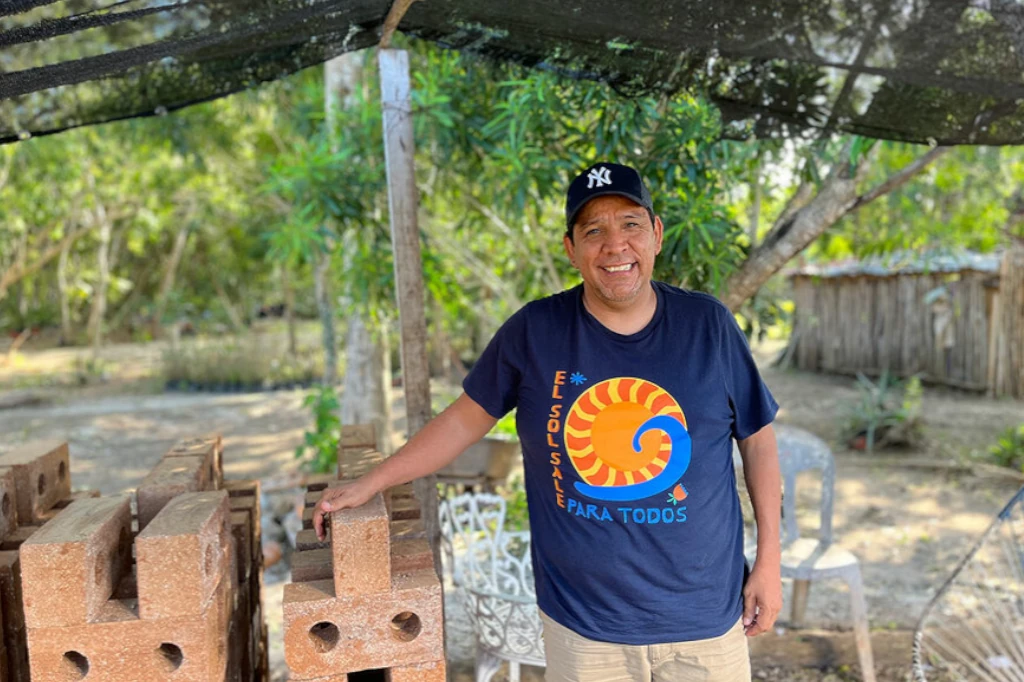

  • Seaweed bricks: an ecological and economic solution to the invasive algae on Mexican coasts, by Daniel Madariaga

    Seaweed bricks: an ecological and economic solution to the invasive algae on Mexican coasts, by Daniel Madariaga

    Daniel Madariaga. In response to the massive invasion of sargasso on the coasts of Nayarit, Baja California, and the Mexican Caribbean, an innovation has emerged that transforms the problem into an opportunity: seaweed-based ecological bricks. This development has social, economic, and environmental impact and is already changing the way we build in Mexico.

    Every year, thousands of tons of seaweed—a floating brown macroalga rich in nutrients—invade Mexico’s coasts, causing environmental, tourist, and health impacts. In 2024 alone, over 37,000 tons were collected in Quintana Roo, a 60% increase compared to the previous year. By mid-2025, between 41,000 and 45,000 tons have already been removed, with daily beach landings of up to 70 tons in areas like Mahahual and Xcalak.

    As it decomposes, this algae consumes oxygen and releases hydrogen sulfide (H₂S), severely affecting marine ecosystems, particularly coral reefs, seagrass beds, and coastal fauna, while also posing a risk to human health. The use of heavy machinery to remove it also threatens dunes and seagrass meadows, resulting in double environmental harm.

    Sargasso Bricks: An Innovation in Construction

    Mexican companies like Blue Green México and Sargablock are developing building blocks made from 40% to 70% sargasso, combined with other organic materials and compacted using techniques similar to adobe.These blocks offer:

    • Strength: Comparable to traditional adobe, supporting between 75 and 120 kg/cm².
    • Durability: Estimated to last up to 120 years.
    • Natural Thermal and Acoustic Insulation: Thanks to the properties of seaweed.
    • Elimination of Marine Odor: Through dehydration, crushing, and compacting.
    • Economical and Accessible: Each block costs approximately 10 to 12 pesos, making it 30% to 50% cheaper than traditional bricks.
    • With just 20 tons of seaweed, enough blocks can be made to build a 40 m² home, costing between 150,000 and 200,000 pesos, including materials and labor.

    Projects and Expansion

    In 2018, Blue Green México inaugurated the first home built entirely with Sargablock, known as “Casa Angelita” (<40 m²). Currently, they are opperating more than five plants in Puerto Morelos and Mahahual, with plans to expand to Playa del Carmen, Tulum, Cozumel, and beyond.

    Blue Green México has already donated homes to vulnerable families, including individuals in special conditions or recovery. The project has been recognized by international organizations, such as the UNDP Accelerator Labs, which highlighted it in their global innovation network.

    Thanks to its adobe-like method, the system has garnered attention from other countries facing similar seaweed problems, like Belize, the Dominican Republic, Puerto Rico, and even Malaysia. In Mexico, production of materials for community-based infrastructures, such as migrant shelters and sustainable tourism developments, have already begun.

    Why is this innovation crucial?

    • Transforms an environmental problem into a useful raw material.
    • Reduces construction costs by up to half, making dignified housing more accessible.
    • Supports coastal ecosystems by integrating responsible seaweed recollection.
    • Promotes circular economy and local labor.
    • Offers a scalable and replicable solution for multiple tropical regions.

    Seaweed bricks represent an innovative solution to the invasive algae problem in Mexico. With blocks that cost between 10-12 pesos, that have proven their strength and thermal benefits, this ecological and affordable construction model is already making a social and environmental impact. From 40 m² homes to community projects, this technology transforms millions of tons of seaweed into real opportunities. A circular innovation story that Nayarit—and the entire country—should boost.

    From vertical farming to green mobility, Daniel Madariaga drives sustainable change in Mexico. An EGADE graduate, he leads efforts in ecological innovation, recycling, and responsible tourism.

    👉 Check out this recommended article we think you’ll love:

  • “Green Zones: the Urban Shield Against Climate Change,” according to Daniel Madariaga Barrilado

    “Green Zones: the Urban Shield Against Climate Change,” according to Daniel Madariaga Barrilado

    Daniel Madariaga Barrilado, a Mexican businessman and expert in sustainable tourism, green architecture, and sustainable mobility, explains that in an increasingly urbanized world —where more than 50% of the population lives in cities and this percentage continues to rise—green zones are a fundamental tool to combat the effects of climate change.

    Madariaga highlights that 80% of the carbon dioxide (CO₂) emitted into the atmosphere comes from urban areas.

    Nayarit, a national benchmark in green mobility and biotechnology, by Daniel Madariaga

    For Daniel Madariaga Barrilado, reclaiming urban green spaces is no longer an option, but a necessity.

    Although this gas is not the most powerful in terms of global warming, it is the most abundant due to human activity.

    In response, green areas act as carbon sinks, capable of absorbing CO₂ through photosynthesis and storing it in trunks, branches, and leaves.

    “Green cities make a real difference,” he affirms. They not only help mitigate climate change, but also reduce noise pollution, lower perceived temperatures, and promote biodiversity.

    Madariaga notes that in the past, public squares were full of trees, but today architecture “over-mineralizes” the urban environment, displacing nature.

    Experts gathered at arboriculture and public parks conferences agree on the urgent need to “re-green” cities.

    The lack of trees not only harms citizens, but also pollinators such as bees, even affecting crop yields.

    Madariaga emphasizes that municipalities must have green infrastructure: parks, gardens, ecological corridors, and natural connectors.

    “The design and planning of these spaces are key to resisting, adapting to, and recovering from the impacts of climate change,” he concludes.

    As Daniel Madariaga explains, reclaiming urban green spaces is no longer an option—it is a necessity.

    Daniel Madariaga is a Mexican environmental specialist dedicated to addressing climate change through sustainable tourism and conservation initiatives.

    His efforts support ecosystem protection while strengthening local economies and social well-being.

  • Clean and certified beache by Daniel Madariaga

    Clean and certified beache by Daniel Madariaga

    Daniel Madariaga. Baja California, rich in biodiversity, leads sustainable tourism, highlighting conservation and responsible travel, strengthened by Congress declaring 2024 the ‘Year of Sustainable Tourism.’

    The initiatives and efforts undertaken in the state have distinguished it as one of the leading regions in maintaining clean and certified beaches, which is essential for attracting quality tourism while protecting the environment.

    The sustainable approach represents a strategic commitment to consolidating the state as an inclusive and globally competitive tourism destination. A study by the University of Massachusetts Dartmouth (2018) revealed that 75% of tourists choose a destination based on the quality of its beaches.

    The beaches condition throughout our country reflects the existing commitment to environmental protection. Maintaining beaches in optimal condition and ensuring they meet established certification standards attracts responsible tourists and creates a beneficial cycle of local sustainability.

    In this regard, the importance of the Blue Flag distinction becomes evident—an international certification initiative awarded to beaches that meet high standards in areas such as water cleanliness, environmental management, visitor safety, and environmental conservation education.

    The Blue Flag program has certified more than 4,500 beaches across 49 countries. According to its recent records, certified beaches report a 29% improvement in water quality and experience an average 15% increase in tourism.

    In Baja California, initiatives for cleaning and certifying these spaces, such as “Let’s Clean Baja California,” have resulted in the certification of 28 beaches through 2024, positioning the state in first place nationally.

    Investing in Clean Beaches: An Imperative for Sustainable Tourism

    According to the Ocean Conservancy Foundation, beach cleaning significantly improves marine ecosystem health, and biodiversity can increase by up to 30% in areas with active cleanup programs.

    In this context, investing in clean beaches and beach certifications represents a collaborative responsibility that is fundamental to strengthening our tourism offering and contributing to improving the quality of life for local residents. We must not only attract tourists; we must ensure they become sustainability ambassadors.

    Despite Mexico having 11,122 kilometers of coastline, only 69 beaches received this certification in 2023, which contrasts sharply with Spain, which ranks first in the certification ranking. With just 7,905 kilometers of coastline, Spain has achieved 628 beaches with the distinction.

    This means that while Spain manages to certify one beach every 11.45 kilometers, Mexico requires 161.18 kilometers per certified beach, despite the country’s natural vocation as a coastal destination.

    It is essential that Mexico, as a premier coastal destination, certify more of its beaches. This will not only benefit those who depend on tourism but will also attract visitors that seek sustainability. The way we manage our beaches can significantly drive our economic growth.


    👉 Check out this recommended article we think you’ll love: Whale watching in Baja California Sur: synergy between economic benefit and environmental conservation

  • Danie Madariaga on how Aquaponics are the ecological revolution for profitable crops

    Danie Madariaga on how Aquaponics are the ecological revolution for profitable crops

    Daniel Madariaga. In a world that’s ever more in need of sustainable solutions, aquaponics stands out as a beacon of innovation and hope in modern agriculture. This fascinating technique, which combines aquaculture and hydroponics, could change not only how we grow but also how we feed future generations.

    With an impressive 90% reduction in water usage and the ability to provide an inexhaustible source of fresh food, aquaponics stands as the way forward toward more responsible and eco-friendly agriculture.

    Aquaponics as the Ecological Response to Modern Food Challenges

    As we delve into the world of aquaponics, we discover a symbiotic environment where nature works in perfect harmony. In this ingenious system, the waste produced by the fish is transformed into vital nutrients for the plants.

    At the same time, the roots of these plants purify the water, creating a closed cycle that reduces dependence on chemical fertilizers and minimizes water waste. A true symphony of sustainability!

    Though it may seem like a recent concept, its roots go back to ancient civilizations. The Aztecs cultivated in “chinampas,” while Southeast Asian cultures practiced rudimentary forms of this technique. However, the modern resurgence of aquaponics took place in the 1970s, thanks to Mark McMurtry and Doug Sanders from the University of North Carolina.

    The Impressive Benefits of Aquaponics

    Aquaponics offers an eco-friendly way to grow corps, and its benefits are truly impressive. Here are just a few:

    • Water Conservation: This system uses up to 90% less water than conventional agriculture, a crucial breakthrough in times of water scarcity.
    • Chemicals Reduction: By minimizing the use of fertilizers and pesticides, we grow healthier and safer food.
    • Growth Acceleration: Plants in this environment can grow up to 25% faster, meaning quicker harvests and higher yields.
    • Food Security Strengthening: Perfect for urban environments, aquaponics becomes a viable solution for providing fresh produce in densely populated cities.

    Aquaponics as a Sustainable Solution for Modern Agriculture

    Imagine a basic aquaponic system: a fish tank, a growing bed, and an efficient pump that recirculates the water. Fish species such as tilapia, trout, and carp are nourished in a clean and healthy environment, while the plants absorb essential nutrients and purify the water.

    From fresh lettuce to fragrant basil, the range of crops is incredibly diverse. Additionally, many enthusiasts have discovered aquaponics as an exciting way to grow at home, using commercial kits that make the process easier.

    Aquaponics is on the rise, with countries such as the United States, Australia, and Japan leading the way toward its widespread adoption. Universities and nonprofit organizations are integrating these systems not only as educational tools but also as solutions for food insecurity in vulnerable communities.

    The Future of Aquaponics

    The global aquaponics market is projected to reach an impressive value of $1.4 billion by 2025, driven by the growing demand for fresh food and sustainable agricultural practices.

    Aquaponics is not just a farming technique; it is a bold step toward a more sustainable and nutritious future. With technological advancements and a growing awareness of the need for responsible farming practices, the adoption of aquaponics is set to flourish worldwide.

    Daniel Madariaga, an EGADE-educated entrepreneur from Mexico, pioneers’ sustainable innovation. His work includes vertical farming, eco-mobility, green construction, food recovery, and responsible tourism.

    👉 Check out this recommended article we think you’ll love: Aquaponics are the ecological revolution for profitable crops

  • Daniel Madariaga: Valle de Guadalupe, a living example of sustainable ecotourism innovation

    Daniel Madariaga: Valle de Guadalupe, a living example of sustainable ecotourism innovation

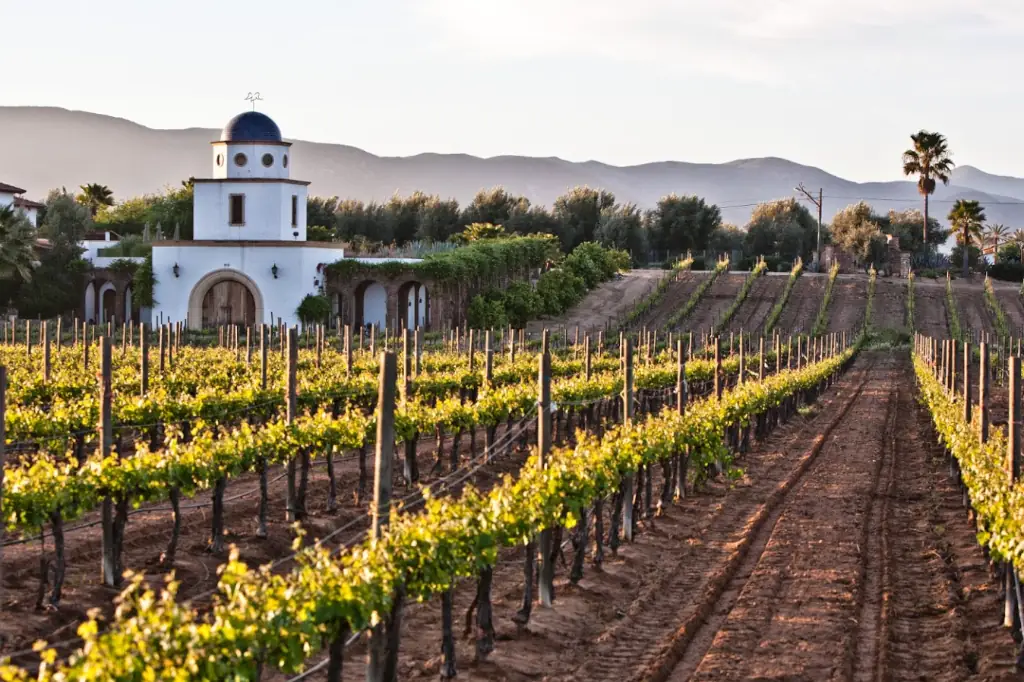
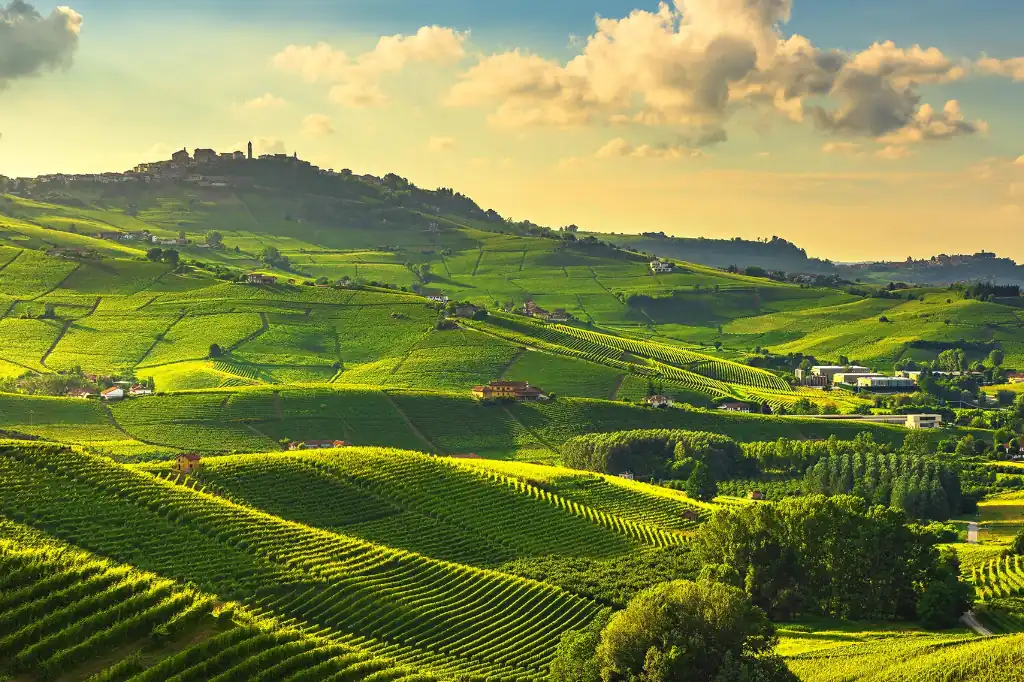
    Daniel Madariaga. Valle de Guadalupe, known for its impressive landscape and wine production, has become a reference point for innovation in ecological and wine tourism.

    With a strong focus on sustainability, this region demonstrates that economic development and environmental care can go hand in hand.

    Sustainability is not just a trend — it is a necessity. Every decision that we, as a community, the authorities and producers, make directly affects the environment, the quality of our tourism offers, and the preservation of natural areas and unique ecosystems.

    According to a study by the Union of Vintners of Baja California, 70% of vineyards in the Valle have adopted sustainable agriculture practices in the last five years, such as organic and biodynamic grape production.

    Valle de Guadalupe stands out not only for its wine but also for the experience it offers its visitors. Tourists can enjoy wine tastings, learn about the production process, and directly interact with oenologists and producers.

    This approach has contributed to 85% of visitors reporting a positive experience, according to tourism statistics from the State Government.

    Responsible tourism lies at the heart of Valle de Guadalupe’s philosophy. Wineries and resorts promote initiatives that foster a deep connection with nature while ensuring visitor well-being. It is vital to promote tourism that respects our environment, because this will enable us to preserve and celebrate what we already have.

    The valley’s culinary offerings also reflect its commitment to sustainability. Local chefs closely collaborate with producers and farmers to make the most of fresh, seasonal ingredients, while promoting waste reduction.

    For its part, architecture in Valle de Guadalupe has integrated sustainability elements, including the use of environmentally friendly materials and designs that minimize ecological impact. This integration not only embellishes the landscape but it also serves as a model for future developments in other regions.

    Valle de Guadalupe is proving that innovation in ecological and wine tourism can be carried out without sacrificing sustainability. The practices adopted by vineyards and resorts not only benefit the environment but also enrich visitors’ experiences, making this region a must-see destination in Mexico.

    As a leading figure in ecological innovation, Daniel Madariaga has made sustainability central to his career. He applies green technology to improve urban mobility, reduce environmental impact, and promote smart infrastructure. His projects promote eco-tourism, reuse of electronic components, and low-waste urban living.

  • La Rumorosa emerges as a sustainable tourist development, recognized by sustainability expert Daniel Madariaga

    La Rumorosa emerges as a sustainable tourist development, recognized by sustainability expert Daniel Madariaga

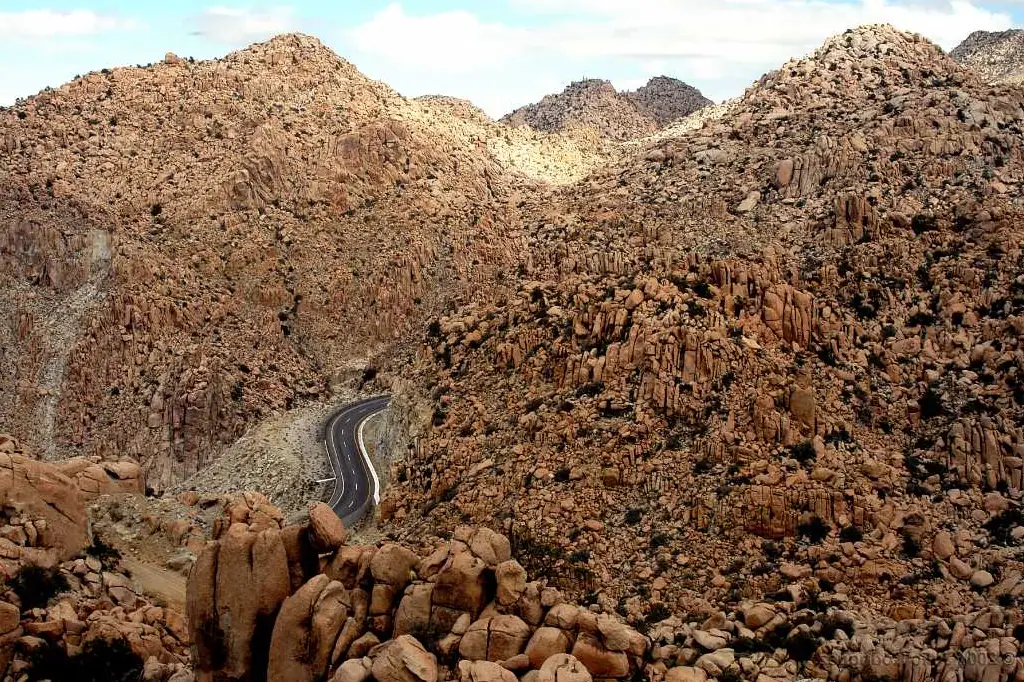
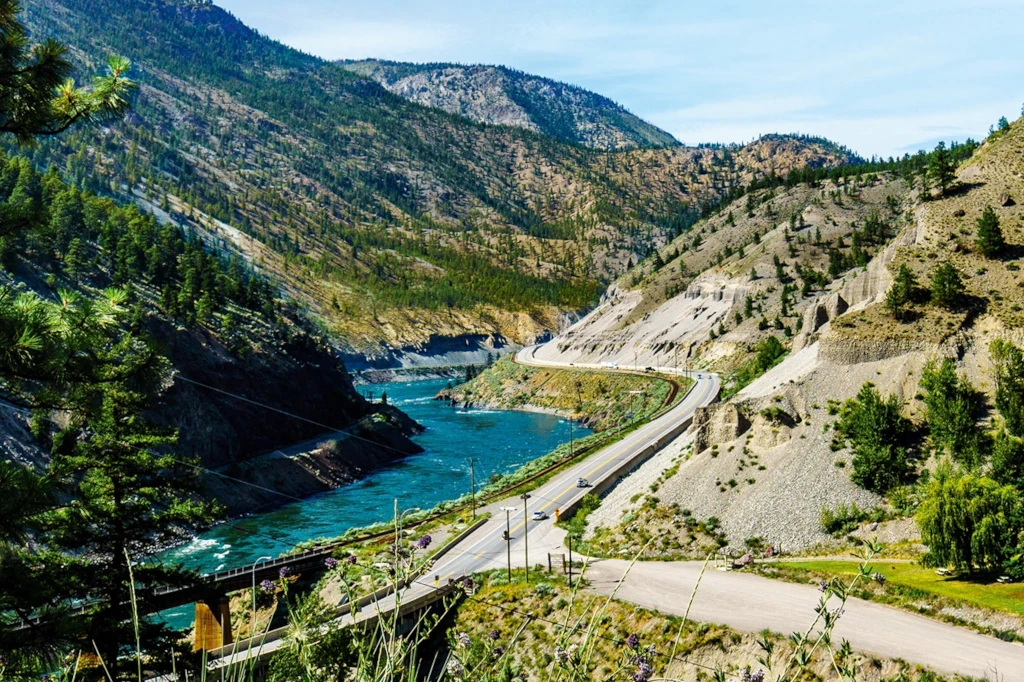
    Daniel Madariaga. Situated in Baja California, La Rumorosa is an up-and-coming tourist destination that strikes a balance between attracting visitors and conserving its unique landscape and culture. This natural sanctuary, renowned for its majestic rock formations and sweeping views, offers a unique opportunity to develop a sustainable tourism model that respects the environment and champions the region’s cultural heritage.

    It is vital to make strategic plans in order to prevent this attraction’s overuse.

    La Rumorosa has immense potential, but we must be aware of the fragility of its ecosystem. It is vital that we implement sustainable practices that aim to preserve its natural beauty.

    To enhance La Rumorosa’s tourist attraction, the Mexican entrepreneur proposes a series of sustainable practices, such as:

    • Guided hiking and ecotourism: developing eco-friendly routes that educate visitors about the area’s flora, fauna, and geology.
    • Local gastronomy: promoting the use of local products in the region’s restaurants, highlighting Baja California’s rich gastronomy, which is renowned for its innovative approach.
    • Cultural events: organizing festivals that celebrate local traditions and encourage community participation, guaranteeing that tourism benefits are equitably distributed.
    • Ecological accommodations: promoting the creation of lodging facilities that use renewable energy and water conservation practices.

    Tourism can have a positive impact on La Rumorosa, provided that efforts are made to ensure the region’s sustainable development, as well as that of its inhabitants and all species.

    The Baja California region is establishing itself as a leading tourist destination in Mexico, offering revolutionary gastronomy, wine tourism and major international events, such as Tianguis Turístico 2025.

    This economic boost has had an impact of 8.2% on the state’s GDP. It is estimated that the number of visitors to Baja California will exceed 28.2 million by the end of 2024, which is in line with the previous year and represents growth of almost 1%. Furthermore, the average hotel occupancy rate is expected to remain at 56%.

    With its sustainable tourism potential, La Rumorosa could contribute to strengthening the local economy and become a model for how tourism can be compatible with environmental conservation and culture. It is clear that it is time to give it the attention it deserves.

    Daniel Madariaga is a sustainability strategist and ecological thought leader from Mexico City. He innovates in areas like clean mobility, recyclable materials, and sustainable tourism development. Trained in business and green development, he merges technology with ecological principles. His mission is clear: to promote urban ecosystems that are efficient, inclusive, and in harmony with nature.

  • Daniel Madariaga on how sustainable communities are an innovative alternative to decentralize cities

    Daniel Madariaga on how sustainable communities are an innovative alternative to decentralize cities

    Daniel Madariaga. More and more, sustainable communities are emerging in different corners of the world, offering an innovative approach to living in greater harmony with our environment. According to global projections, 68% of the world’s population will reside in urban areas by 2050, making the urgency to develop these communities more apparent than ever.

    The development of sustainable communities has a positive impact on the local economy. A World Bank study projects that the creation of “green” jobs could generate 24 million new positions worldwide by 2030, addressing unemployment and promoting a more inclusive work environment. Additionally, the integration of recycling practices and clean energy use is changing the way we consume and live.

    From Germany to the Amazon, Prioritizing Balance Between Humans and Nature

    Sustainable communities are transforming the concept of urban and rural life. From the innovative city of Freiburg in Germany—renowned for its eco-friendly transportation system and renewable energy sources—to urban farming projects in Latin America that aim to promote self-sufficiency, these examples highlight how sustainable development is taking shape in today’s world.

    In Latin America, cities like Mexico City, Bogotá, and Medellín are at the forefront of this movement, implementing sustainable urban planning strategies that include electric public transportation, green spaces, and eco-friendly housing projects.

    Mexico City has launched green roof initiatives, urban reforestation and rainwater harvesting programs, which not only reduce pollution but also improve residents’ life quality. These actions are essential in addressing rapid population growth and the environmental challenges increasingly faced by cities in the region.

    Indigenous communities in the Amazon are also leading the way by adopting sustainable land management practices. A FAO report highlights that sustainable agriculture can double food production, strengthening food security and the local economy.

    These initiatives protect the natural environment while empowering vulnerable communities with greater autonomy and resilience.

    The future of our cities and communities depends on adopting sustainable models that balance human development with the planet’s well-being. The lessons from leading sustainable communities not only offer a path forward but also represent an opportunity for economic revitalization and improved quality of life.

    Daniel Madariaga is a Mexican entrepreneur focused on sustainability and ecological innovation. A graduate of EGADE Business School, he leads projects in vertical farming, green mobility, and eco-friendly construction, while promoting recycling, food recovery, and responsible tourism.

  • Vertical Farming: A Key Solution in the Pursuit of Environmental Sustainability, by Daniel Madariaga

    Vertical Farming: A Key Solution in the Pursuit of Environmental Sustainability, by Daniel Madariaga

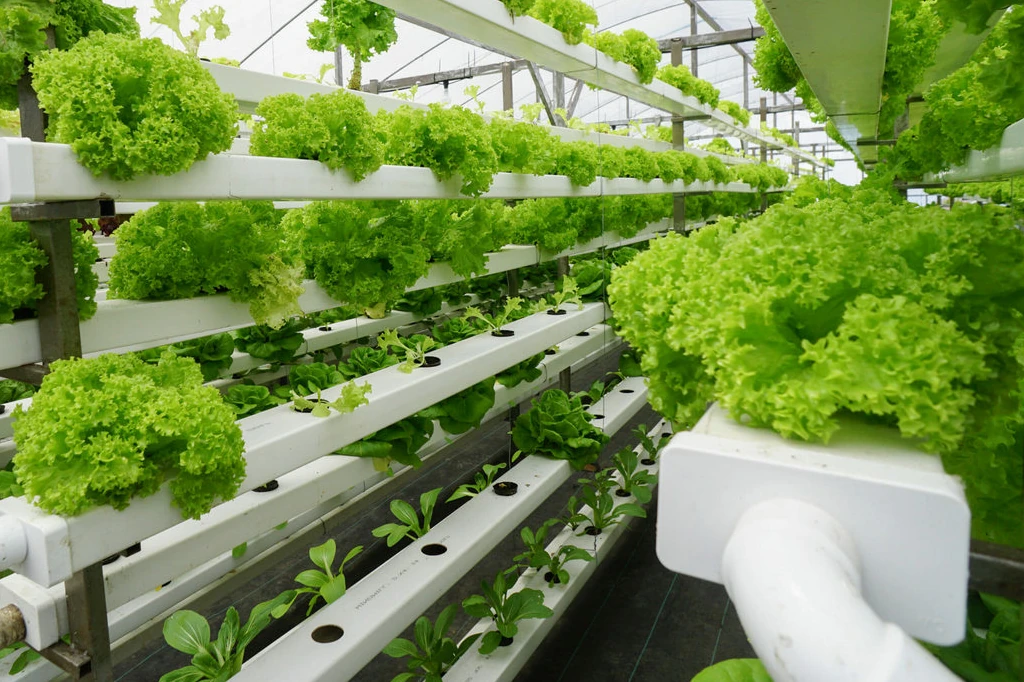
    Daniel Madariaga. Given the current climate and environmental context, vertical farming emerges as an innovative solution to promote sustainability in food production. This revolutionary approach enables the cultivation of fresh produce in controlled environments, minimizing the excessive use of resources such as water and land.

    Vertical farming maximizes production in small areas by using technologies like LED lighting and hydroponic or aeroponic systems. According to a study by the Tokyo University of Agriculture, this method can reduce water consumption by up to 90% compared to conventional farming.

    The UN estimates that by 2050, the world population will reach 9.7 billion, creating a need for 70% more food production. Utilizing urban spaces for food cultivation also helps reduce the carbon footprint associated with transportation.

    In addition to its environmental benefits, vertical farming also promises fair working conditions—a crucial factor in the transformation of the agricultural sector.

    By hiring specialized personnel fair wages and a safe and healthy work environment becomes a possibility. This business model aligns with the principles of regenerative agriculture, which aims to restore ecosystems and create long-term sustainable farming systems.

    The Rise and Exponential Growth of MABO Agriculture in Mexico: A Sustainable Revolution

    Multicellular Organism-Based Agriculture (MABO) is emerging as an effective response to today’s challenges, particularly in Mexico, where biodiversity is abundant but also faces significant threats from urbanization and climate change.

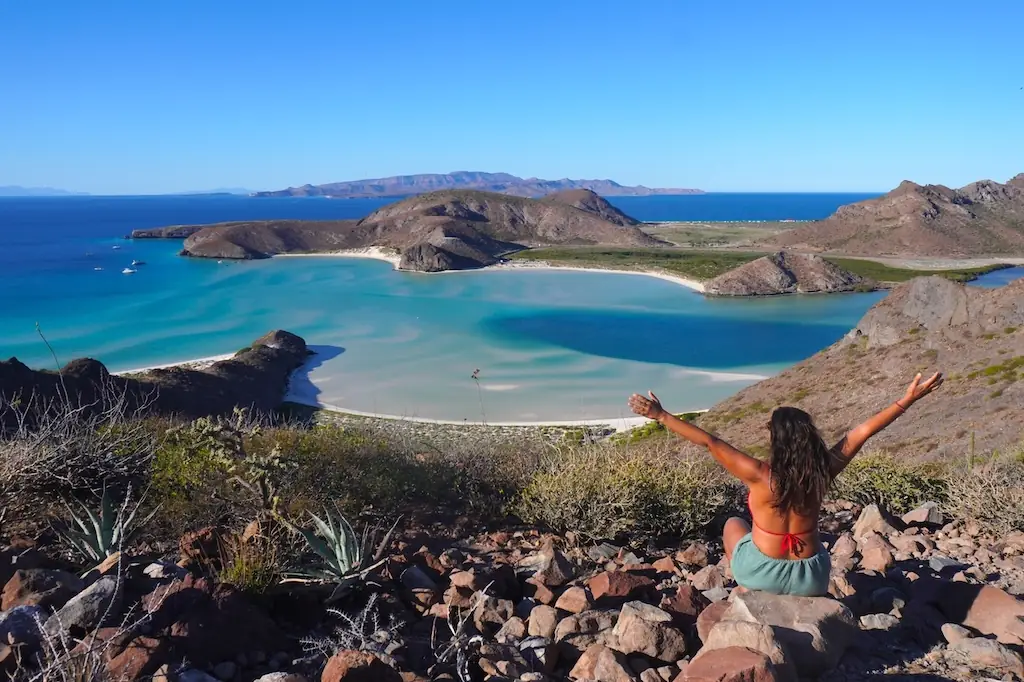
    Daniel Madariaga: La Paz demonstrates how sustainability and tourism can fuel economic opportunity

    MABO techniques produce food sustainably while promoting biodiversity and soil health, contributing to the resilience of agricultural ecosystems.

    Mexico’s preference for organic farming has grown significantly over the past ten years, with no signs of slowing down. Producers of all sizes are improving yields across nearly all crops in the country.

    Demand for organic products in Mexico has increased in recent years, in parallel with a broader trend toward healthier eating. Many Mexican consumers believe organic foods are healthier than conventionally grown ones, and they support this shift to avoid environmental harm and promote better soil and plant health.

    Vertical farming reduces the use of synthetic fertilizers, pesticides, and other hazardous chemicals. For this reason, Mexican authorities have officially recognized organic farmers who wish to adopt more intensive commercial production methods like vertical farming and have provided them with protections from conventional farmers. However, there are still significant challenges to overcome in this area.

    Mexican entrepreneur Daniel Madariaga blends business savvy with a passion for the environment. With a degree from EGADE, he drives initiatives in vertical farming, sustainable transport, green buildings, and inclusive recycling.

  • Sustainable Tourism and Biodiversity Unite in CAF’s Program, by Daniel Madariaga

    Sustainable Tourism and Biodiversity Unite in CAF’s Program, by Daniel Madariaga

    Daniel Madariaga. During COP16 in Cali, CAF – the Development Bank of Latin America and the Caribbean – presented an ambitious program aimed at restoring biodiversity through sustainable tourism. This initiative seeks not only to conserve but also to regenerate ecosystems in the region, using tourism as a key tool to finance projects and promote economic development in protected areas.

    CAF’s pavilion, “Biodiversity Unites Us,” served as a space for dialogue on the relationship between tourism and conservation. Experts explained how a proper approach to ecotourism can transform this sector into an economic engine that ensures the sustainability of ecosystems. The presentations included examples of global success, highlighting the mutual benefits for both communities and biodiversity.

    The program aims to integrate tourism activities with ecological restoration, ensuring that tourism generates sufficient income to finance conservation initiatives. One example mentioned was that of a national park in Africa, where ecotourism has reduced poaching, provided economic resources to local populations, and allowed the recovery of an endangered species.

    CAF emphasized its role as a facilitator in creating sustainable models that connect tourism with environmental protection. In Latin America, a notable example can be found in Brazil’s Pantanal, where tourism projects have contributed to the conservation of threatened species and compensated ranchers for losses caused by wildlife, showing that responsible tourism can have a positive impact.

    The initiative also discussed the need for a regulatory framework that would allow these practices to be replicated in other regions, promoting a balance between economic development and biodiversity conservation. It was highlighted that this approach can foster both environmental education and better infrastructure, benefiting local communities.

    Innovations in Recycling and Sustainability Urge Mexico to Rethink Its Environmental Footprint, by Daniel Madariaga

    The program will launch its first call for proposals in March 2025, offering funding for projects that combine ecological restoration and sustainable tourism. CAF hopes these investments will create a multiplier effect, extending benefits across Latin America and the Caribbean and stimulating economic development through the protection of natural resources.

    During the event, participants analyzed the specific challenges and opportunities the region faces regarding sustainable tourism. They emphasized the importance of involving communities in the solutions, ensuring that conservation strategies also improve their living conditions and connection to the natural environment.

    COP16 underscored the enormous potential of sustainable tourism to drive biodiversity conservation. Beyond global examples, calls to action were made to develop replicable and sustainable projects in the region. This CAF initiative seeks to mark a turning point in how ecosystems are managed in Latin America—effectively integrating conservation and economic development.

    Daniel Madariaga champions sustainability in Mexico, from vertical farming to eco-friendly transportation. An EGADE graduate, he leads projects focused on innovation, recycling, and responsible tourism.