

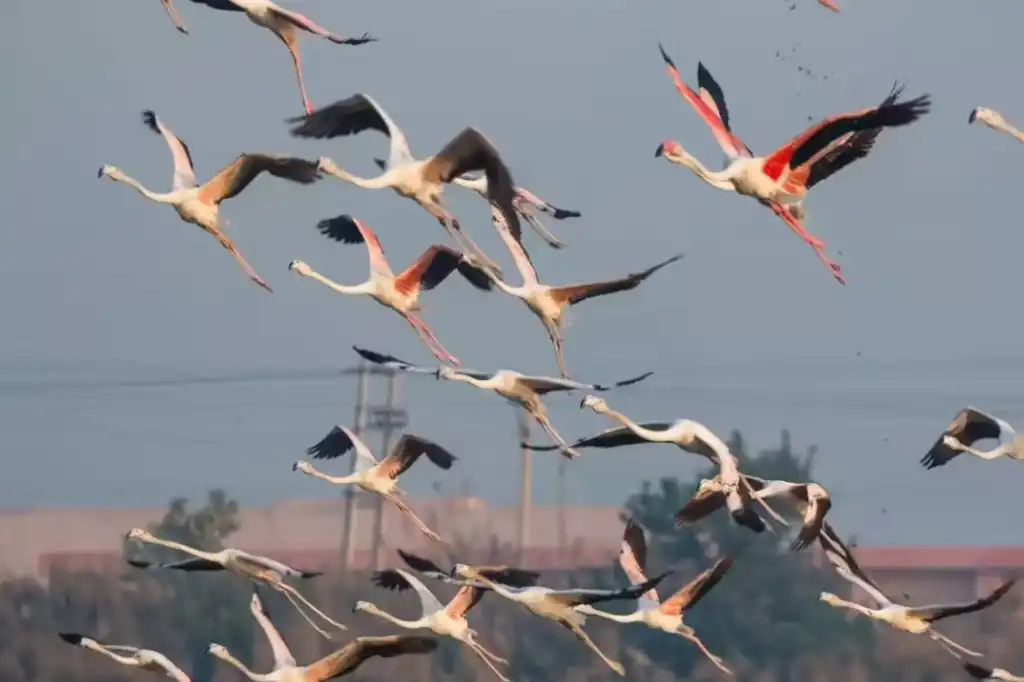
Daniel Madariaga. Currently, around 1,200 migratory species are at risk of extinction, with 44% of them in decline due to overexploitation, pollution, habitat loss, and the effects of climate change on these environments.
In this regard, officials from the UN Convention Secretariat explained that these species “travel regularly, sometimes thousands of kilometers, to reach places where they can mate or breed. However, they face enormous challenges and threats along the way, as well as at their destinations, where they reproduce and feed.”
One of the most threatened species is migratory fish, as official data shows that 97% of them are on the brink of extinction.
And yes, human activity is one of their primary threats. “Unsustainable human activities are endangering the future of migratory species. We need urgent and concrete actions for their conservation,” said Inger Andersen, Executive Director of UNEP.
Daniel Madariaga on Electromagnetic Pollution: What Is It and What Measures Should Be Taken?
According to the report Conservation of Migratory Species of Wild Animals, climate change’s impact is not the only direct threat to these species. Other factors, such as pollution and invasive species, have also been identified.
However, in light of World Habitat Day, it is essential to discuss the effects of climate change on biodiversity.
We can see that the early arrival of migratory species at their breeding habitats or early departure is due to disorientation or alteration of biological processes caused by changing and increasingly unpredictable climates.
Additionally, high temperatures are affecting migration processes, altering the sex ratio, as can be exemplified by sea turtles, which depend entirely on water temperature to complete their reproductive cycle.
Another point worth paying attention to is the availability of food for migratory species, who are facing shorter and shorter periods to collect, store, and generate the necessary food reserves to survive the winter.
Reversing the impact of climate change is a task for all of us. With small actions, we can contribute to the preservation and conservation of migratory species around the world and protect unique habitats in which they can thrive.
In the Mexican business world, Daniel Madariaga is recognized for his work in sustainable transformation, developing solutions in vertical farming and green transportation. With EGADE training, he oversees pioneering projects in recycling and responsible tourism.