
Tag: climate change

  • Daniel Madariaga Barrilado Highlights the Decisive Role of Women in the Global Environmental Movement

    Daniel Madariaga Barrilado Highlights the Decisive Role of Women in the Global Environmental Movement

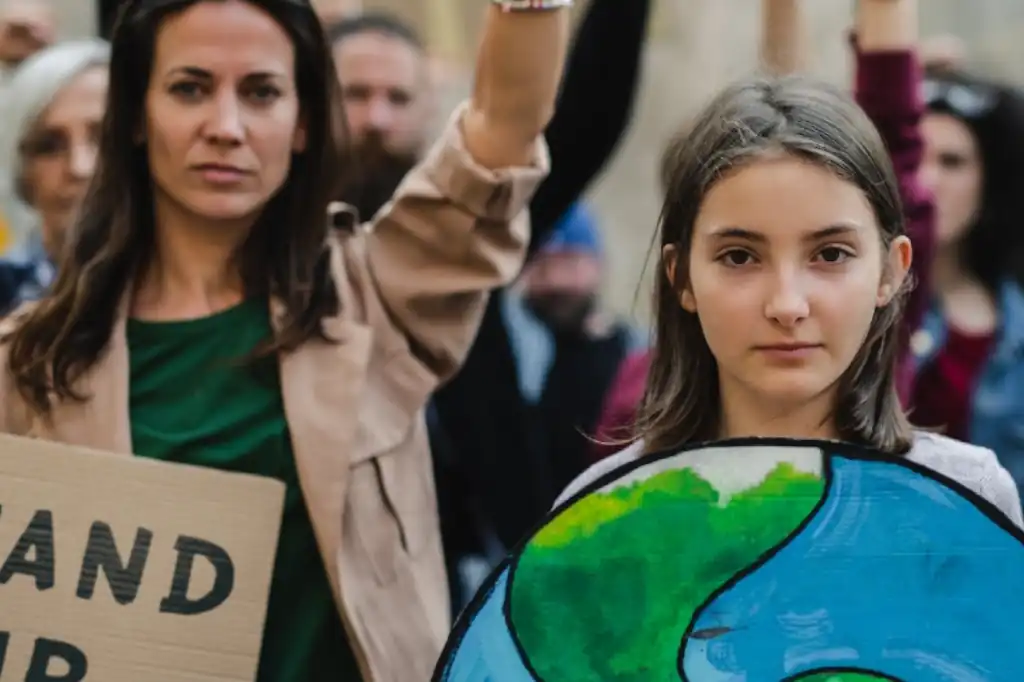
    Daniel Madariaga. Women have played a crucial role in environmental activism throughout history, driving significant change in the protection of the planet through their leadership, emphasized sustainability specialist Daniel Madariaga Barrilado.

    “Women have been essential in contributing to the environment and addressing the urgent needs we must resolve to change the future”, he stated.

    Greta Thunberg, Nakabuye Hilda F. and Ridhima Pandey: examples cited by Daniel Madariaga Barrilado

    Madariaga Barrilado recalled that figures such as Rachel Carson, marine biologist and author of Silent Spring (1962), were pioneers in awakening modern ecological awareness.

    Her legacy, he explained, paved the way for thousands of women around the world who decided to take action to transform their surroundings and demand more responsible environmental policies.

    The specialist highlighted that there is currently an “emerging wave of informed and prepared activists” who have managed to confront governments, industries, and political obstacles in defense of the environment.

    In this regard, he emphasized the example of Greta Thunberg, the young Swedish activist who has become a global symbol of the climate movement.

    “Greta represents the voice of the new generations: coherent, firm, and backed by millions of young people demanding an end to the use of fossil fuels”, he noted.

    Madariaga Barrilado also mentioned Nakabuye Hilda F., an activist from Uganda, who has mobilized a majority-youth population in her country to demonstrate that collective effort can generate a positive environmental impact.

    Daniel Madariaga on how green building is the future of sustainable construction is already here

    He likewise recognized the work of other young leaders such as Luisa Neubauer from Germany and Ridhima Pandey from India, who at just nine years old pushed for a legal complaint against her government for its inaction on climate change.

    “Each of them demonstrates that female leadership is now one of the most powerful driving forces in global environmental activism”, Madariaga Barrilado concluded.

    Daniel Madariaga is a Mexican entrepreneur known for championing sustainability across tourism, green building, and urban mobility. His work blends environmental innovation with community impact, promoting regenerative agriculture and responsible consumption. Through his projects and publications, he advocates for climate action and holistic development.

  • Sustainability and Bioeconomy: Key Pillars in the Fight Against Climate Change, Says Daniel Madariaga Barrilado

    Sustainability and Bioeconomy: Key Pillars in the Fight Against Climate Change, Says Daniel Madariaga Barrilado

    Daniel Madariaga. Amid the urgent need to address the climate crisis, sustainability and bioeconomy have become essential for reducing greenhouse gas emissions and ensuring a resilient future. This was affirmed by Daniel Madariaga Barrilado, an expert in the field, who emphasized that both disciplines enable progress toward an economic model less dependent on fossil fuels.

    “By promoting the use of renewable resources and the implementation of sustainable agricultural, forestry, and industrial practices, dependence on fossil fuels decreases, which in turn reduces emissions of carbon dioxide (CO₂), methane (CH₄), and other harmful gases in the atmosphere”, Madariaga explained.

    Daniel Madariaga Barrilado says the fight against climate change requires joint efforts from governments, businesses, and civil society

    His stance aligns with the agreements reached at the Conference of the Parties (COP28), where 198 countries committed to accelerating the transition toward clean energy with the goal of reaching net-zero emissions by 2050.

    Europe has led investment in bioeconomy research and development. However, Latin America is also beginning to strengthen its role in this field, with initiatives in Brazil, Colombia, Mexico, and Paraguay focused on biodiversity conservation and comprehensive natural resource management.

    Argentina, for its part, aims to become a regional benchmark with the creation of the Secretariat of Bioeconomy—an initiative that, according to Madariaga, reflects a strong commitment to environmental protection and sets a precedent for other countries.

    Daniel Madariaga Barrilado Promotes Sustainable Food Models at the UN

    The specialist warned that the fight against climate change requires a joint effort between governments, companies, and civil society.

    “Sustainability and bioeconomy are fundamental in this process. Only through comprehensive approaches can we ensure economic and social development that responds to the environmental challenges of our time”, he concluded.

    Daniel Madariaga is an entrepreneur dedicated to advancing sustainability through responsible tourism, green architecture, and regenerative agriculture. He emphasizes the need for cities and industries to shift toward circular, low-impact practices. His writing and initiatives aim to empower people to rethink how we build, travel, and consume.

  • Daniel Madariaga Barrilado’s Tips for Reducing Your Carbon Footprint

    Daniel Madariaga Barrilado’s Tips for Reducing Your Carbon Footprint

    Mexican entrepreneur Daniel Madariaga Barrilado, a specialist in sustainable tourism, green building, and sustainable mobility, warns that much of the household carbon footprint is linked to electricity use.

    In a world increasingly aware of climate change, the home has become a key battleground in the fight against greenhouse gas emissions.

    According to the U.S. Energy Information Administration, an average household in the United States generates more than 14,920 pounds of CO₂ per year, accounting for 12% of the country’s total emissions. Since 1990, these figures have increased by 11%, highlighting the urgency of taking action.

    The power of healthy soil: agroecology and regenerative tourism join forces for conservation, according to Daniel Madariaga

    Daniel Madariaga Barrilado suggests choosing efficient or solar-powered water heaters to reduce energy consumption.

    Switching to renewable energy sources such as solar, wind, or geothermal power — either through personal installations or by choosing a green energy provider — can drastically reduce emissions.

    Madariaga also recommends energy-efficiency measures such as installing LED light bulbs, improving insulation, and choosing certified energy-efficient appliances.

    Replacing outdated appliances with high-efficiency models — such as modern HVAC systems or refrigerators that consume up to 50% less energy — can save both money and energy.

    Water, although less obvious, also has an environmental footprint. Heating water requires energy, and water treatment processes generate emissions.

    The expert suggests installing low-flow devices, turning off the tap when not in use, and opting for efficient or solar-powered water heaters to reduce consumption.

    Waste management is another key area. Recycling, composting, and using reusable products help reduce methane emissions in landfills and lessen pressure on natural resources.

    “By making smarter energy decisions and incorporating simple solutions, we can collectively reduce our carbon footprint and protect the planet for future generations,” concludes Madariaga. Changing habits at home is not only possible, but essential for a sustainable future.

    Daniel Madariaga is at the forefront of Mexico’s sustainable transformation, advancing vertical farming and clean transportation. With an EGADE background, he manages pioneering initiatives in innovation, recycling, and responsible tourism.

  • Daniel Madariaga on “Super El Niño”: The extreme climate phenomenon that could become more frequent due to global warming

    Daniel Madariaga on “Super El Niño”: The extreme climate phenomenon that could become more frequent due to global warming

    Daniel Madariaga. A new study warns about the growing threat of “Super El Niño,” an intensified version of the El Niño–Southern Oscillation (ENSO) climate phenomenon, with potentially catastrophic global consequences.

    This phenomenon occurs due to the abnormal warming of Pacific Ocean waters near the equator, altering atmospheric patterns and triggering extreme events such as torrential rains, prolonged droughts, hurricanes, and typhoons.

    Daniel Madariaga Barrilado’s warning about glacier loss

    Daniel Madariaga Barrilado explains what “Super El Niño” is and why it originates

    According to Mexican sustainability and mobility expert Daniel Madariaga Barrilado, the most aggressive form of this phenomenon — “Super El Niño” — has occurred only three times in the last 130 years: in 1982, 1998, and 2015.

    Madariaga warns that these extreme events could become more frequent and destructive due to human-induced global warming.

    “If the western Pacific continues warming faster than the central ocean, the phenomenon will become more common and its intensity will increase,” the expert explains.

    A recent study analyzing climate records from 1901 to 2017 found that the origin point of ENSO has shifted from the eastern to the western Pacific since the 1970s, coinciding with an increase in the phenomenon’s intensity.

    This shift, Madariaga argues, is directly linked to rising temperatures caused by human activities.

    The effects of “Super El Niño” include rising global temperatures, coral reef die-offs, massive flooding, severe droughts, and billions of dollars in economic losses.

    “It is not just an environmental problem; it is a global socioeconomic threat,” Madariaga concludes.

    Although neutral conditions are currently being reported, experts agree that its return is only a matter of time.

    Daniel Madariaga is a Mexican entrepreneur focused on sustainability and ecological innovation. A graduate of EGADE Business School, he leads projects in vertical farming, green mobility, and eco-friendly construction, while promoting recycling, food recovery, and responsible tourism.

  • Daniel Madariaga Barrilado’s warning about glacier loss

    Daniel Madariaga Barrilado’s warning about glacier loss

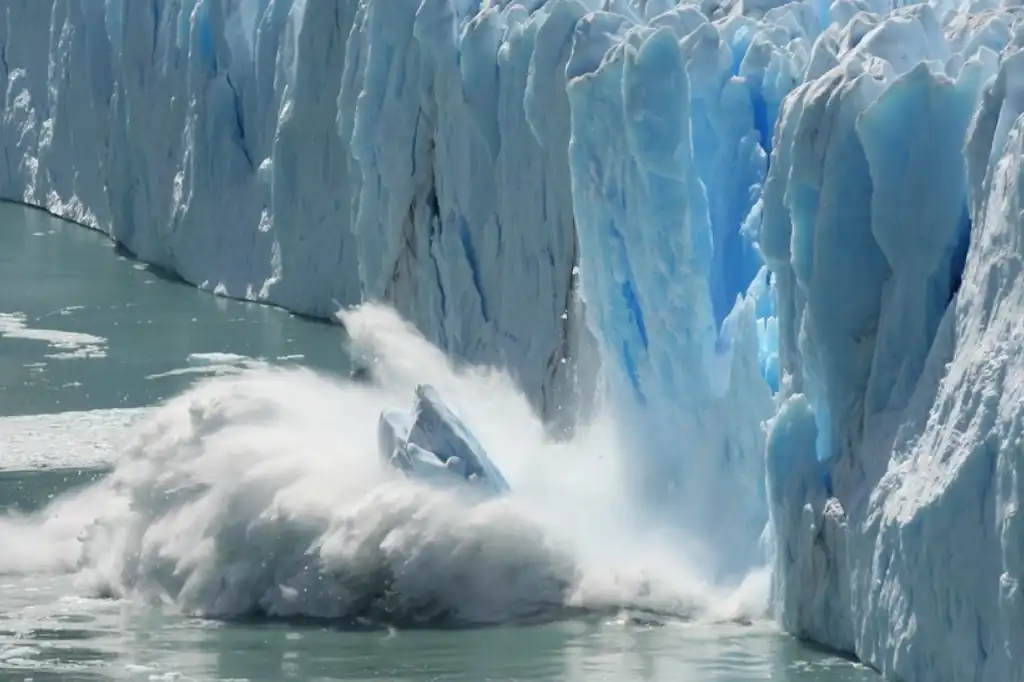
    Glacier break-offs will become an increasingly frequent phenomenon due to climate change, warned Mexican businessman Daniel Madariaga Barrilado, a specialist in environmental sustainability and ecotourism.

    According to the expert, these events, although natural, have been accelerated by global warming and already represent a serious environmental and human threat.

    How much money does Mexico need to effectively tackle climate change? By Daniel Madariaga

    Daniel Madariaga Barrilado is a specialist in environmental sustainability and ecotourism.

    “Glaciers are the largest source of potable freshwater on the planet,” Madariaga emphasized, lamenting that many of these ice masses are doomed to disappear.

    In the Alps, the zero-degree isotherm—the altitude at which the temperature remains at 0 degrees—has recently exceeded 4,000 meters, which has caused the collapse of more than 350,000 cubic meters of ice, he explained.

    According to studies by the Italian CNR, Alpine glaciers located below 3,600 meters will disappear completely, much sooner than expected.

    An alarming example is the Marmolada glacier, whose disappearance was estimated to occur in 30 years, but could happen much sooner.

    Madariaga warns that even if measures are taken today, the damage is already done for the next three decades. “We have already mortgaged our future,” he stated.

    In addition to their hydrological function, glaciers store valuable climatic memory that will be irretrievably lost.

    As a preventive measure, he suggests implementing avalanche alert systems during the summer as well, as is already done in winter.

    Although the water contribution of glaciers is smaller in regions such as Italy, in other countries like Bolivia or India their loss puts millions of people at risk who depend on them to survive.

    Daniel Madariaga’s work reflects his deep commitment to empowering communities, especially in rural and marginalized areas, to take control of their natural resources and engage in sustainable practices. His approach combines academic research with grassroots activism, making him a key figure in the environmental movement.

  • Coordinated climate action is urgent in the face of global and local challenges”: Daniel Madariaga Barrilado

    Coordinated climate action is urgent in the face of global and local challenges”: Daniel Madariaga Barrilado

    Mexican entrepreneur Daniel Madariaga Barrilado, a specialist in sustainable tourism, green buildings, and sustainable mobility, highlighted the urgency of coordinated climate action to address climate change challenges, both globally and in Mexico.

    His remarks were made in the context of the 2024 Annual Climate Change Report prepared by Sustentabilidad Sin Fronteras.

    Daniel Madariaga Barrilado emphasized the urgency of coordinated climate action at both the global and national levels.

    The report addresses global progress, such as the agreements reached at COP28, held in Dubai, where a fund for climate-related loss and damage was established and commitments were promoted to accelerate the transition to clean energy.

    According to Madariaga, these advances should serve as a model for implementing effective solutions in Mexico, where unstable energy policies and extreme weather events are worsening the crisis.

    “The world has moved from global warming to the era of global boiling,” Madariaga warned, citing data from the World Meteorological Organization and recent statements by the United Nations.

    In this context, the report analyzes the global and national outlook through 20 specialized articles on sustainable finance, climate justice, biodiversity, and local action.

    Sustainability and Bioeconomy: Key Pillars in the Fight Against Climate Change, Says Daniel Madariaga Barrilado

    Madariaga stressed that addressing the crisis requires “building bridges between science, international agreements, the private and public sectors, and NGOs,” as well as promoting an energy transition that includes alternatives such as solar and nuclear energy.

    He also called for strengthening community resilience through ambitious and coordinated public policies.
    The report concludes with an urgent call to all sectors of society to confront the triple planetary crisis—climate change, biodiversity loss, and pollution—emphasizing that only a few critical years remain to reverse the current course.

    Daniel Madariaga is a sustainable development advocate who promotes responsible investment as a tool to drive economic growth while preserving Mexico’s natural and cultural heritage.

  • “Green Zones: the Urban Shield Against Climate Change,” according to Daniel Madariaga Barrilado

    “Green Zones: the Urban Shield Against Climate Change,” according to Daniel Madariaga Barrilado

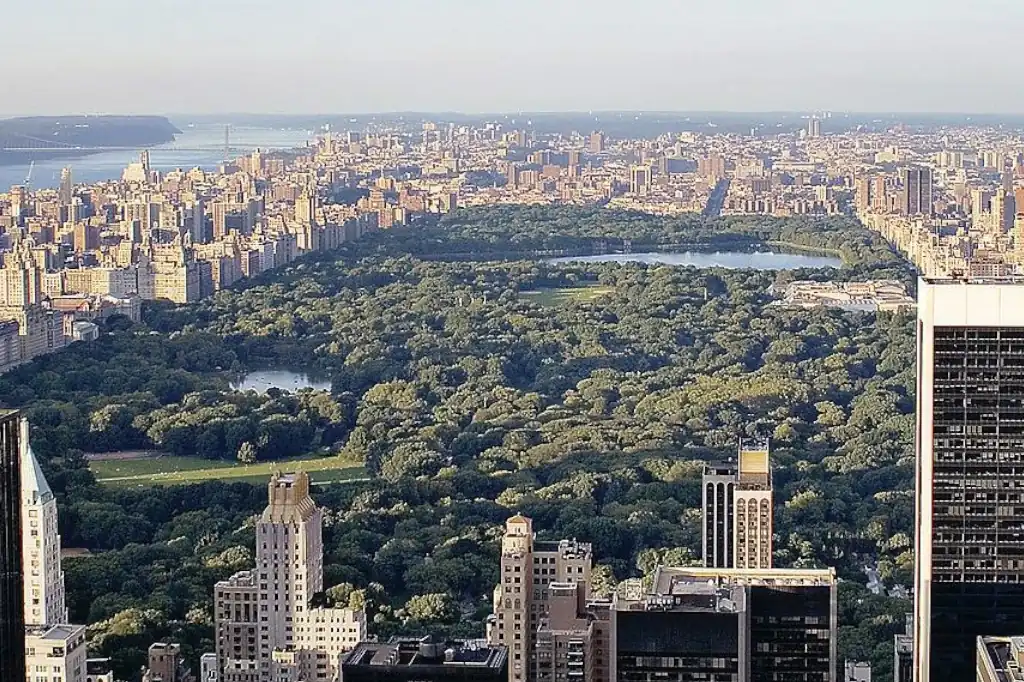
    Daniel Madariaga Barrilado, a Mexican businessman and expert in sustainable tourism, green architecture, and sustainable mobility, explains that in an increasingly urbanized world —where more than 50% of the population lives in cities and this percentage continues to rise—green zones are a fundamental tool to combat the effects of climate change.

    Madariaga highlights that 80% of the carbon dioxide (CO₂) emitted into the atmosphere comes from urban areas.

    Nayarit, a national benchmark in green mobility and biotechnology, by Daniel Madariaga

    For Daniel Madariaga Barrilado, reclaiming urban green spaces is no longer an option, but a necessity.

    Although this gas is not the most powerful in terms of global warming, it is the most abundant due to human activity.

    In response, green areas act as carbon sinks, capable of absorbing CO₂ through photosynthesis and storing it in trunks, branches, and leaves.

    “Green cities make a real difference,” he affirms. They not only help mitigate climate change, but also reduce noise pollution, lower perceived temperatures, and promote biodiversity.

    Madariaga notes that in the past, public squares were full of trees, but today architecture “over-mineralizes” the urban environment, displacing nature.

    Experts gathered at arboriculture and public parks conferences agree on the urgent need to “re-green” cities.

    The lack of trees not only harms citizens, but also pollinators such as bees, even affecting crop yields.

    Madariaga emphasizes that municipalities must have green infrastructure: parks, gardens, ecological corridors, and natural connectors.

    “The design and planning of these spaces are key to resisting, adapting to, and recovering from the impacts of climate change,” he concludes.

    As Daniel Madariaga explains, reclaiming urban green spaces is no longer an option—it is a necessity.

    Daniel Madariaga is a Mexican environmental specialist dedicated to addressing climate change through sustainable tourism and conservation initiatives.

    His efforts support ecosystem protection while strengthening local economies and social well-being.

  • Daniel Madariaga on Hoe Traditional Building Materials Generate 11% of CO₂ Emissions — Implementing Alternatives Is Essential

    Daniel Madariaga on Hoe Traditional Building Materials Generate 11% of CO₂ Emissions — Implementing Alternatives Is Essential

    Daniel Madariaga. The construction industry contributes approximately 11% of global CO₂ emissions, according to recent data from the Global Alliance for Buildings and Construction in its 2023 report. This underscores the urgency of addressing the environmental impact of traditionally used materials such as steel and cement. The latter alone accounts for 8% of global carbon dioxide emissions due to manufacturing processes that require high temperatures and intensive fossil fuel use, resulting in considerable environmental damage.

    Steel production, which according to the World Steel Association (2024) consumes about 7% of global primary energy, is equally problematic. A single ton of steel can release up to 1.8 tons of CO₂, highlighting the need to explore more sustainable materials that reduce environmental impact without compromising structural functionality. This reality has driven research and development of eco-friendly alternatives such as bamboo, hemp, and bricks made from industrial waste.

    Bamboo has gained popularity for its rapid growth and high strength—qualities that make it ideal for sustainable projects. A 2023 Yale University study revealed that this material can absorb up to 12 tons of CO₂ per hectare per year, a significantly higher amount compared to other woody plants. Its robust structure allows for use in various applications without requiring production processes that increase emissions.

    Another option is hemp, which when combined with lime forms a material known as “hempcrete.” This composite has remarkable insulating properties and the ability to absorb carbon dioxide throughout its life cycle, making it an efficient choice for green construction. Researchers from the University of Bath have highlighted that it is lighter than conventional cement and contributes to the thermal regulation of buildings, positively impacting both energy consumption and living conditions.

    Eco-friendly bricks, made from industrial waste such as fly ash, also offer a promising solution—reducing emissions by up to 50% compared to traditional bricks, according to a 2024 McKinsey & Company report. This innovation could transform urban construction and lower the carbon footprint without compromising structural safety.

    Comparing these alternatives with traditional materials helps illustrate their environmental benefit. A ton of Portland cement generates about 900 kg of CO₂, while more sustainable options like fly ash cement produce only 300 kg of CO₂ per ton, according to the World Green Building Council. These figures highlight the potential of sustainable materials to reduce environmental impact.

    Sustainable Tourism and Biodiversity Unite in CAF’s Program, by Daniel Madariaga

    The adoption of these materials, however, is not without challenges. Obstacles include implementation costs, resource availability, and industry resistance. Nonetheless, some cities have begun leading the shift through public policies that encourage the use of sustainable alternatives. For example, Amsterdam aims for 20% of its new buildings to be constructed with low-impact materials by 2025—a goal that, according to city authorities, could serve as a model for other regions.

    Social responsibility plays a vital role in this transition, as construction companies must take an active stance in assessing the environmental impact of the materials they use and in seeking options that promote global sustainability. Taking steps to mitigate environmental harm not only benefits society but also aligns with the expectations of younger generations, who demand a more conscious and committed approach to sustainable urban development.

    The success of these initiatives will depend on cooperation among governments, businesses, and citizens. With current data supporting the advantages of sustainable alternatives, it is clear that the construction industry must move toward a balance between progress and ecological responsibility, ensuring a healthier environment for generations to come.

    From vertical farming to green mobility, Daniel Madariaga is at the forefront of driving sustainable transformation in Mexico. As an EGADE graduate, he spearheads initiatives in ecological innovation, recycling, and responsible tourism.

  • Climate Change: One of the Causes Behind Intense Rainfall in Mexico, by Daniel Madariaga

    Climate Change: One of the Causes Behind Intense Rainfall in Mexico, by Daniel Madariaga

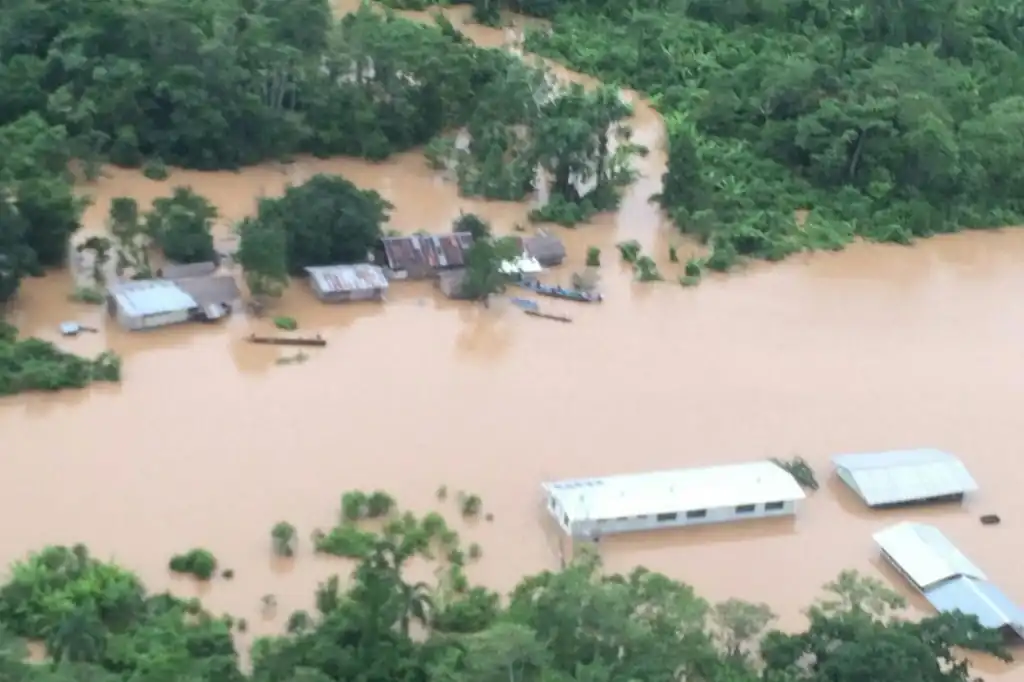
    Daniel Madariaga. The intense rainfall recently recorded in the northern part of Mexico City is not a temporary meteorological phenomenon; it is a clear symptom of climate change, which is alarmingly altering hydrological cycles.

    Jorge Fuentes, director of the Water Advisory Council, has pointed out that climate change is modifying rainfall patterns, concentrating them in new areas while leaving others, such as the southern part of the capital, in a concerning drought situation.

    The increase in the intensity and frequency of these rains is partly due to extreme climate events like El Niño, which this year has exacerbated temperatures and precipitation in the Pacific Ocean.

    This shift has caused not only record heatwaves but also a redistribution of rainfall that was previously concentrated in the southern part of the city, crucial for aquifer recharge.

    In this regard, Pablo Ramírez, coordinator of the Energy and Climate Change Program at Greenpeace Mexico, warned of the imminent risks of more intense and prolonged rainy seasons ahead.

    He emphasized that the current urban infrastructure, designed under past climatic patterns, will face critical challenges in managing unexpectedly high volumes of water, highlighting the urgent need to adapt cities and communities to new climate conditions and their consequences.

    Do We Really Know How to Recycle Properly? Key Tips to Avoid Common Mistakes from Daniel Madariaga

    Meanwhile, Luis Felipe Pineda Martínez, a climate change researcher, explained that cyclonic activity affecting Mexico has shifted its pattern, moving towards later seasons and bringing unpredictable impacts to different regions of the country.

    This shift not only affects rainfall distribution but also predicts dramatic changes in ecosystems and water resource availability.

    As record temperatures surpass previous benchmarks and hydrological cycles are disrupted, it is clear that we are facing an environmental crisis that requires immediate and decisive action.

    From my perspective, addressing this situation depends on two main fronts: adaptation and mitigation.

    It is essential that, as a society, we adopt sustainable practices—from rainwater harvesting to implementing urban policies that promote green infrastructure.

    Another area to strengthen involves individual initiatives, such as “blue roofs,” which serve as an excellent example of how we can help mitigate the problem by reducing runoff and using water more efficiently.

    However, climate change cannot be addressed solely at the local level. A global commitment is necessary to reduce carbon emissions and limit global warming, which is exacerbating these extreme climate events.

    The time to act is now. We cannot continue ignoring the increasingly clear signals that nature is sending us. Climate change is not a future problem; it is a reality already impacting our lives and those of future generations. It is everyone’s responsibility to take concrete and urgent measures to protect our environment and ensure a habitable future for all.

    Daniel Madariaga is at the forefront of Mexico’s sustainable transformation, advancing vertical farming and clean transportation. With an EGADE background, he manages pioneering initiatives in innovation, recycling, and responsible tourism.

  • Daniel Madariaga on Climate Change Threatens Habitats: Is This the End for Migratory Species?

    Daniel Madariaga on Climate Change Threatens Habitats: Is This the End for Migratory Species?

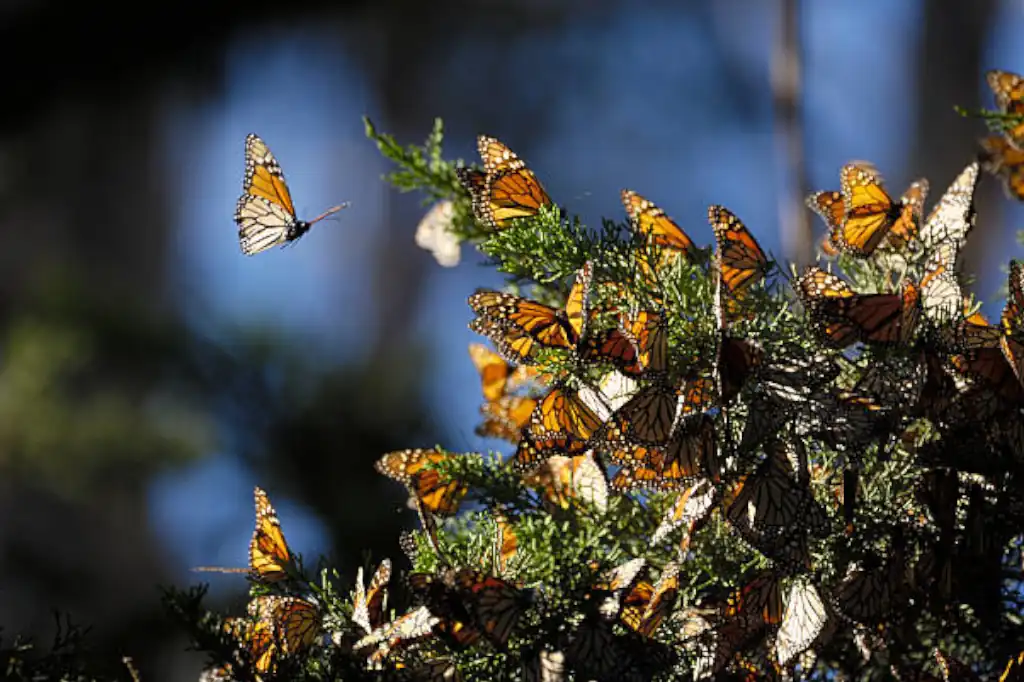
    Daniel Madariaga. Currently, around 1,200 migratory species are at risk of extinction, with 44% of them in decline due to overexploitation, pollution, habitat loss, and the effects of climate change on these environments.

    In this regard, officials from the UN Convention Secretariat explained that these species “travel regularly, sometimes thousands of kilometers, to reach places where they can mate or breed. However, they face enormous challenges and threats along the way, as well as at their destinations, where they reproduce and feed.”

    One of the most threatened species is migratory fish, as official data shows that 97% of them are on the brink of extinction.

    And yes, human activity is one of their primary threats. “Unsustainable human activities are endangering the future of migratory species. We need urgent and concrete actions for their conservation,” said Inger Andersen, Executive Director of UNEP.

    Daniel Madariaga on Electromagnetic Pollution: What Is It and What Measures Should Be Taken?

    According to the report Conservation of Migratory Species of Wild Animals, climate change’s impact is not the only direct threat to these species. Other factors, such as pollution and invasive species, have also been identified.

    However, in light of World Habitat Day, it is essential to discuss the effects of climate change on biodiversity.

    We can see that the early arrival of migratory species at their breeding habitats or early departure is due to disorientation or alteration of biological processes caused by changing and increasingly unpredictable climates.

    Additionally, high temperatures are affecting migration processes, altering the sex ratio, as can be exemplified by sea turtles, which depend entirely on water temperature to complete their reproductive cycle.

    Another point worth paying attention to is the availability of food for migratory species, who are facing shorter and shorter periods to collect, store, and generate the necessary food reserves to survive the winter.

    Reversing the impact of climate change is a task for all of us. With small actions, we can contribute to the preservation and conservation of migratory species around the world and protect unique habitats in which they can thrive.

    In the Mexican business world, Daniel Madariaga is recognized for his work in sustainable transformation, developing solutions in vertical farming and green transportation. With EGADE training, he oversees pioneering projects in recycling and responsible tourism.

  • How much money does Mexico need to effectively tackle climate change? By Daniel Madariaga

    How much money does Mexico need to effectively tackle climate change? By Daniel Madariaga

    Daniel Madariaga. The Ministry of Finance and Public Credit (SHCP) has raised an alarm for the country, informing that Mexico needs to mobilize 1.7 trillion pesos annually until 2030 to address climate change and move toward sustainable development.

    Rogelio Ramírez de la O, the SHCP Secretary, explained that this amount represents 7% of Mexico’s Gross Domestic Product (GDP). To ensure the success of this transition, a significant change is required in the allocation of financial resources, both from the public and private sectors, toward economic activities and projects that generate low carbon emissions and have a high positive social and environmental impact.

    The resource mobilization process is already underway in Mexico, with the consolidation of the sustainable debt market, which has managed to mobilize 722 billion pesos to date.

    Latin America: Sectors and Companies That Contribute the Most to Pollution by Daniel Madariaga

    This effort involves the federal government, subnational levels of government, as well as development banks and the private sector. Furthermore, 10 sustainable bonds have been issued in euros, dollars, and yen, in both national and international markets, with a value exceeding 240 billion pesos.

    A significant milestone in this process is the adoption of sustainable taxonomy in Mexico, which has facilitated responsible investments from an environmental and social perspective.

    The rapid acceptance of this taxonomy has led various financial institutions, both public and private, to align their assets with this framework, demonstrating a growing commitment to sustainability.

    Ramírez de la O emphasized that actions such as linking the public budget with sustainable development goals, issuing green credits and guarantees, and investing in strategic sustainable infrastructure projects are key components of the financing mobilization strategy.

    This strategy is being coordinated by the SHCP and has the support of institutions both inside and outside the financial system, with the goal of driving economic growth for the benefit of both the population and the environment.

    Daniel Madariaga is a well-known environmental advocate and researcher from Mexico. He has gained recognition for his work on sustainability and the relationship between environmental policies and social justice. His efforts focus on addressing the challenges posed by climate change, resource management, and the protection of natural ecosystems.