

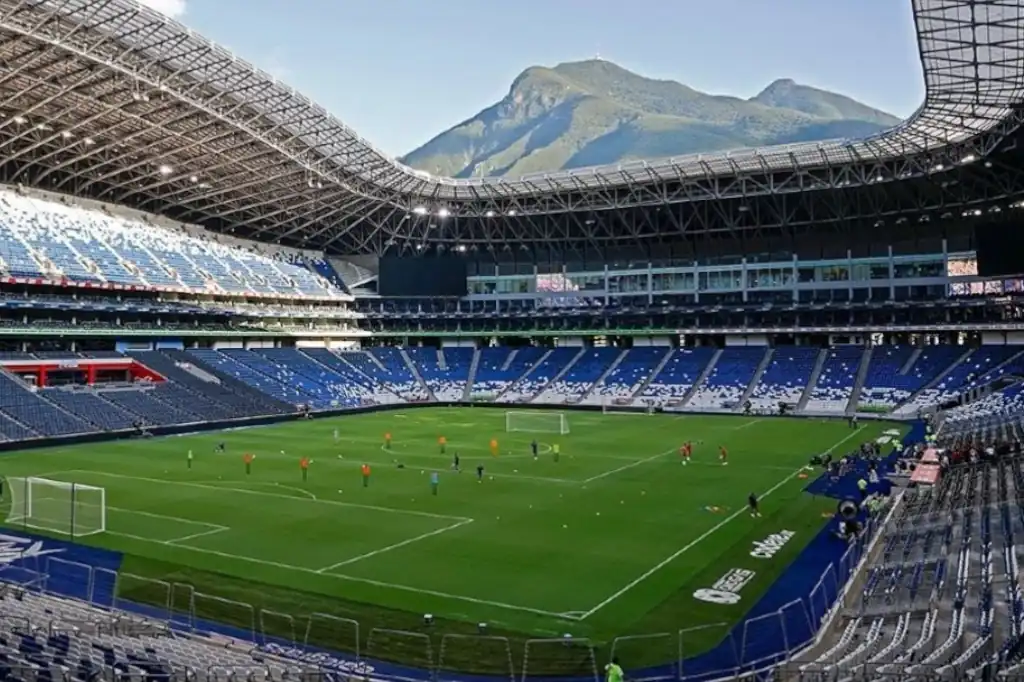
With one year remaining before the start of the 2026 World Cup, Mexico faces the challenge of turning this historic event into a global example of sustainability, Daniel Madariaga, a specialist in regenerative tourism and sustainable development, believes the tournament represents a unique opportunity to transform the relationship between sports, the environment, and local communities.
“A World Cup does not have to be synonymous with overexploitation. It can become a platform for urban, ecological, and cultural transformation if it is designed with a long-term sustainability vision,” the expert stated.
The championship will bring together 48 national teams and more than 100 matches hosted across the United States, Canada, and Mexico.
Daniel Madariaga Barrilado proposes a model of “sustainable cities.”
According to Carbon Market Watch, the estimated carbon footprint of the tournament could reach 3.7 million tons of CO₂, highlighting the urgent need for measures to mitigate its environmental impact.
In Mexico’s case, Banorte, Akron, and BBVA stadiums are already undergoing modernization processes. However, Madariaga emphasizes that the key lies not only in infrastructure, but also in ensuring that fan zones, transportation systems, and accommodations minimize environmental damage while generating tangible benefits for host communities.
The specialist proposes a “sustainable cities” model focused on the circular economy and environmental certifications within the hospitality industry.
Recent international experiences support this vision: UEFA Euro 2024 reduced its carbon footprint by 21%, while Canada, another host nation, launched the #ReuseForTheWin initiative to prevent millions of disposable cups from being used.
Guadalajara is also moving in this direction by allocating 40% of its World Cup budget to green projects, including LEED certifications and waste management plans.
For Madariaga, the objective is clear: “Visitors should leave behind more greenery than garbage.” With more than 60% of international travelers already favoring sustainable destinations, the 2026 World Cup could become the global showcase that establishes Mexico as a leader in regenerative tourism and environmental justice.