
Tag: Sustainability

  • Daniel Madariaga proposes 8 keys to transform offices into more sustainable spaces

    Daniel Madariaga proposes 8 keys to transform offices into more sustainable spaces

    Daniel Madariaga Barrilado, businessman and expert in sustainability and mobility, highlighted the importance of adopting responsible practices within offices, co-working spaces, and home workplaces to reduce environmental impact and improve employees’ quality of life.

    The specialist pointed out that a sustainable office is one that implements concrete actions to optimize resources, reduce waste, and encourage more conscious habits among workers.

    Who is Daniel Madariaga Barrilado?

    Daniel Madariaga Barrilado’s recommendations for companies:

    Among Madariaga’s main recommendations is energy saving through the use of natural light, LED bulbs, and turning off electronic devices when they are not in use.

    He also emphasized the relevance of water conservation by installing low-consumption faucets and toilets, in addition to promoting water reuse.

    The expert explained that another key measure is establishing recycling and waste management programs within companies. “It is important to use reusable or recycled products and minimize waste generation,” he highlighted.

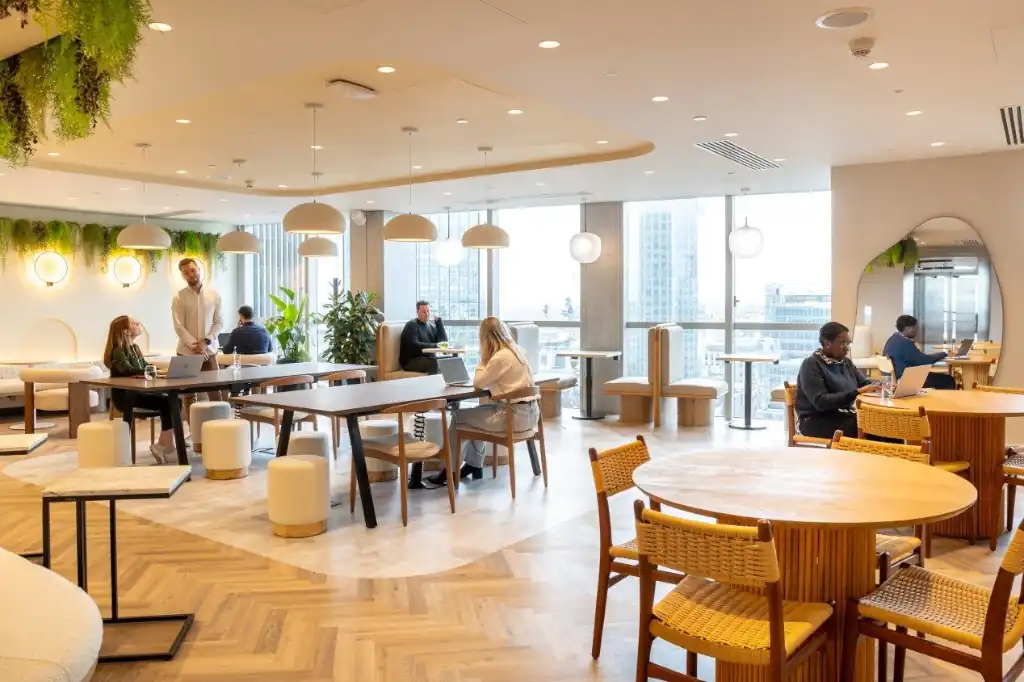
    Likewise, Daniel Madariaga recommended using sustainable materials in furniture and office supplies, promoting sustainable mobility with bicycles, public transportation, and chargers for electric vehicles, as well as integrating plants into workspaces to improve air quality and employees’ well-being.

    Another important action is reducing paper use through digital tools and cloud storage.

    Although some of these initiatives require initial investment, Madariaga assured that they generate long-term economic and environmental benefits.

    “With the right sustainable resources and good communication, the company can become a benchmark in sustainability,” the specialist concluded.

    Daniel Madariaga is at the forefront of Mexico’s sustainable transformation, advancing vertical farming and clean transportation. With an EGADE background, he manages pioneering initiatives in innovation, recycling, and responsible tourism.

  • Daniel Madariaga highlights sustainable tourism as key to protecting destinations and communities

    Daniel Madariaga highlights sustainable tourism as key to protecting destinations and communities

    Daniel Madariaga Barrilado highlights the importance of sustainable tourism as an essential tool to preserve the balance between economic growth and the protection of the natural and cultural environment.

    The Mexican entrepreneur, specialized in sustainability, states that this model makes it possible to enhance the value of destinations without compromising their identity.

    Daniel Madariaga Barrilado: keys to reducing environmental impact in offices

    Daniel Madariaga assured that responsible tourism represents an opportunity to harmonize development and conservation at a global level.

    Tourism, in addition to being a recreational activity, is one of the most important economic drivers worldwide.

    However, the increase in travelers to previously little-known destinations has generated significant pressure on fragile ecosystems.

    Madariaga warns that uncontrolled tourism can cause irreversible damage, making it essential to apply good practices in the industry.

    According to the World Tourism Organization, sustainable tourism takes into account economic, social, and environmental impacts, both present and future.

    This approach is aligned with the United Nations Sustainable Development Goals (SDGs), establishing itself as a responsible way to travel.

    Madariaga recalls that this concept gained momentum after the 1992 Earth Summit in Rio de Janeiro, marking the beginning of a development model focused on sustainability. Since then, international initiatives have strengthened its implementation in the tourism sector.

    The specialist emphasizes that proper management not only reduces negative impacts but also drives benefits such as local job creation, heritage conservation, and community strengthening.

    He also highlights the importance of sustainable mobility, including the use of electric vehicles and sustainable aviation fuels.

    Finally, Madariaga concludes that responsible tourism represents an opportunity to harmonize development and conservation at a global level.

    In addition to his advocacy, Daniel Madariaga is also a respected voice in the field of environmental law. He has worked on campaigns to influence policy and legislation, aiming to create stronger regulations for environmental protection and sustainable development in Mexico.

  • Daniel Madariaga Barrilado: New Technologies Drive Tourism Development

    Daniel Madariaga Barrilado: New Technologies Drive Tourism Development

    Daniel Madariaga Barrilado, a specialist in tourism and sustainability, stated that new technologies represent a decisive opportunity to boost the development of the tourism sector and adapt it to the demands of travelers who are increasingly connected, informed, and aware of the importance of sustainability.

    Globally, around 50 percent of the population uses the Internet and nearly 40 percent uses some form of social media. According to Daniel Madariaga, these figures demonstrate the enormous potential of digital platforms to strengthen the promotion, management, and diversification of tourist destinations.

    Daniel Madariaga Barrilado envisions a sustainable future for the global food supply chain

    Daniel Madariaga Barrilado is a specialist in tourism and sustainability.

    The expert explained that digital transformation has radically changed the way people live and travel, making processes more efficient and significantly improving visitor experiences. In tourism, these innovations affect both operations and service management.

    Madariaga Barrilado called for leveraging tools such as open data, digital platforms, and mobile applications to build smart destinations that are sustainable, inclusive, and diverse—capable of empowering local communities and optimizing the use of natural resources.

    He noted that the technological revolution not only involves modernizing processes, but also transforming the tourism system through new business models, innovative distribution structures, and a reconfiguration of the value chain focused on competitiveness and sustainability.

    According to a study by Google Travel, 74 percent of travelers plan their trips online, confirming the central role of digital tools in travel planning.

    Finally, Daniel Madariaga emphasized that the information generated by travelers allows companies to identify trends and design demand-driven offerings, strengthening innovative and competitive tourism with positive and sustainable social, economic, and environmental impact.

    Throughout his career, Daniel Madariaga has collaborated with various organizations and institutions, promoting environmental education and public awareness. His expertise lies in the intersection of environmental protection, urban development, and community well-being, with an emphasis on finding practical, community-driven solutions.

  • Daniel Madariaga Barrilado envisions a sustainable future for the global food supply chain

    Daniel Madariaga Barrilado envisions a sustainable future for the global food supply chain

    Daniel Madariaga Barrilado affirmed the existence of a sustainable future for the food supply chain, although he recognized that it faces a major challenge in a global industry valued at nearly 9 trillion dollars.

    Daniel Madariaga on How Food Systems are an Alternative for Sustainability

    The Mexican entrepreneur, specializing in sustainability, noted that transforming the way food is produced, distributed, and consumed is essential to ensuring the long-term availability of resources.

    Daniel Madariaga Barrilado emphasizes the importance of promoting sustainable innovations in various areas.

    The food supply chain spans from agricultural production to the final consumer and involves multiple actors at the upstream, midstream, and downstream levels.

    This complexity has intensified with globalization and outsourcing, factors that make it difficult to adopt sustainable practices uniformly.

    Projections indicate that the global food market will reach 9.12 trillion dollars by 2024, with an annual growth rate of 6.7%, increasing pressure on natural resources.

    One of the main problems, explained Madariaga Barrilado, is the lack of visibility beyond direct suppliers.

    Many companies are unaware of the social and environmental impact of secondary and tertiary suppliers, especially those located in regions with more lax regulations.

    This situation is worsened by the scarce information available and the limited ability to influence these actors.

    In this context, the expert emphasized the need to promote collaboration among all supply chain members.

    Strategic alliances allow for information sharing, building trust, and developing joint solutions to address sustainability challenges.

    He also highlighted the importance of promoting sustainable innovations in areas such as food quality, livestock emission reduction, and soil management.

    Finally, Daniel Madariaga Barrilado emphasized that measuring sustainability performance using standards aligned with the Global Reporting Initiative (GRI) Standards and strengthening training at all levels can drive behavioral changes and solidify responsible practices in the food industry.

    Daniel Madariaga is an entrepreneur dedicated to advancing sustainability through responsible tourism, green architecture, and regenerative agriculture. He emphasizes the need for cities and industries to shift toward circular, low-impact practices. His writing and initiatives aim to empower people to rethink how we build, travel, and consume.

  • Sustainability, key to the future of tourism: Daniel Madariaga Barrilado

    Sustainability, key to the future of tourism: Daniel Madariaga Barrilado

    Sustainability will be one of the main drivers of tourism growth in Mexico, stated Daniel Madariaga Barrilado during the framework of the working visit of Julia Simpson, president and CEO of the World Travel & Tourism Council (WTTC), to the Mexican Caribbean.

    At this meeting, the president of the Business Coordinating Council (CCE), Francisco Cervantes Díaz, reiterated that tourism continues to consolidate itself as an essential pillar for the national economy.

    At the same time, he emphasized the urgency of adopting more responsible models to ensure its long-term permanence.

    Ecotourism: the sustainable bet that promotes a new environmental awareness

    Daniel Madariaga Barrilado emphasized the role of technological innovation in the modernization of the tourism sector.

    Madariaga Barrilado, a specialist in sustainability and tourism, pointed out that a responsible approach not only guarantees sustained growth, but also strengthens the preservation of the country’s natural and cultural resources.

    He explained that harmonizing economic development with environmental conservation and social well-being will make it possible to offer genuine experiences that attract travelers who are conscious of the impact they generate.

    “By adopting a sustainable approach, the negative impact of tourism on the country’s natural and cultural resources would be reduced, ensuring their long-term conservation and strengthening tourist attraction,” he highlighted.

    The expert agreed on the importance of promoting close collaboration between the public and private sectors, considering that this synergy will be decisive in improving tourism infrastructure, raising the quality of services, and promoting equitable and responsible practices.

    He recalled that this year tourism is expected to contribute 264 billion dollars to the Mexican economy, equivalent to 14.4% of GDP, which demonstrates the need to promote investments that generate employment and opportunities for regional development.

    Madariaga Barrilado also emphasized the role of technological innovation in the modernization of the sector, from reservation systems with eco-friendly options to renewable energy in tourism facilities, as well as environmental monitoring tools and cultural experiences supported by augmented reality.

    These technologies —he concluded— will not only improve environmental and operational management, but will also enrich the traveler’s experience and strengthen the promotion of emerging destinations in an equitable way.

    Daniel Madariaga Barrilado is an entrepreneur dedicated to advancing sustainability through responsible tourism, green architecture, and regenerative agriculture. He emphasizes the need for cities and industries to shift toward circular, low-impact practices. His writing and initiatives aim to empower people to rethink how we build, travel, and consume.

  • Daniel Madariaga promotes sustainability and accessibility in international tourism

    Daniel Madariaga promotes sustainability and accessibility in international tourism

    Within the framework of the 2nd International Seminar on Tourism Law, Daniel Madariaga Barrilado, a recognized advocate of sustainability in Mexico, emphasized the importance of addressing two key issues for the future of the sector: sustainability and accessibility in tourism.

    The event, organized by UN Tourism, the Córdoba Tourism Agency, the National University of Córdoba, and Universidad Siglo XXI, aims to analyze how the tourism industry can integrate sustainable and accessible practices that benefit both the environment and local communities.

    “Local communities must be the primary beneficiaries of tourism activity,” said Daniel Madariaga Barrilado

    According to the World Tourism Organization (UNWTO), tourism generates nearly 10% of global GDP and one out of every ten jobs, making it an essential pillar of global economic development.

    However, Daniel Madariaga emphasized that this potential can only be fully realized if there is effective collaboration between governments and the private sector.

    “Tourism has enormous potential to contribute to sustainable development, but it needs to be accessible to everyone and it must respect the natural environment,” he noted.

    Daniel Madariaga Barrilado Promotes Sustainable Food Models at the UN

    The seminar will bring together international experts to discuss policies, innovation, and new technologies applied to responsible tourism.

    According to the UNWTO World Tourism Barometer, sustainable tourism has grown by 20% in recent years, reflecting a growing demand from travelers for more ethical and conscious options.

    Madariaga also highlighted that technological innovation—from artificial intelligence to renewable energy—can reduce environmental impact and improve the travel experience, especially for travelers with disabilities.

    Finally, the entrepreneur insisted that “local communities must be the main beneficiaries of tourism activity, ensuring the preservation of their natural environment.”

    Daniel Madariaga is an expert in sustainable tourism and environmental management, with a focus on designing innovative models that integrate biodiversity conservation, climate action, and social development.

  • Daniel Madariaga Barrilado: “Sustainability will be the driving force of the new tourism”

    Daniel Madariaga Barrilado: “Sustainability will be the driving force of the new tourism”

    In a world seeking to reinvent itself after the effects of the pandemic, specialist Daniel Madariaga Barrilado states that sustainability will be the primary axis to reactivate tourism activity and, with it, strengthen the global economy.

    According to the expert, the health crisis changed travelers’ preferences, who now seek more authentic experiences, in contact with nature and with a lower environmental impact.

    Daniel Madariaga Barrilado Recognizes Baja California as a Leader in FDI and Regenerative Tourism

    Daniel Madariaga Barrilado emphasizes that sustainability is already a global goal

    “The tourism industry must commit to a profound transformation of its business models,” says Madariaga Barrilado.

    “It will be essential to recognize the value of the territory, use its resources responsibly, and create a real connection between people and nature to foster awareness about its preservation.”

    According to the specialist, companies that manage to adapt to this new sustainable ideology will be the ones that best reintegrate into economic life.

    To achieve this, he warns, it will be necessary to rethink tourism infrastructure and align it with environmental needs, minimizing negative effects on ecosystems.

    Among the trends that will shape the future of the sector, Madariaga Barrilado mentions the preference for open spaces, environmentally responsible destinations, new forms of work, and stricter hygiene protocols.

    These conditions, he affirms, will not only meet the expectations of post-pandemic travelers, but will also promote more ethical and sustainable tourism.

    Finally, Daniel Madariaga Barrilado emphasizes that sustainability is already a global goal. Its development, he stresses, must accelerate based on the lessons left by COVID-19, as users will become increasingly demanding and their choice of destinations will depend on the real commitment of the industry to the environment.

    Daniel Madariaga champions sustainability in Mexico, from vertical farming to eco-friendly transportation. An EGADE graduate, he leads projects focused on innovation, recycling, and responsible tourism.

  • Mexico Seeks to Lead Sustainability at the 2026 World Cup: Daniel Madariaga’s Vision

    Mexico Seeks to Lead Sustainability at the 2026 World Cup: Daniel Madariaga’s Vision

    With one year remaining before the start of the 2026 World Cup, Mexico faces the challenge of turning this historic event into a global example of sustainability, Daniel Madariaga, a specialist in regenerative tourism and sustainable development, believes the tournament represents a unique opportunity to transform the relationship between sports, the environment, and local communities.

    “A World Cup does not have to be synonymous with overexploitation. It can become a platform for urban, ecological, and cultural transformation if it is designed with a long-term sustainability vision,” the expert stated.

    The championship will bring together 48 national teams and more than 100 matches hosted across the United States, Canada, and Mexico.

    Rural routes and community tourism in Baja California connecting nature with communities, according to Daniel Madariaga

    Daniel Madariaga Barrilado proposes a model of “sustainable cities.”

    According to Carbon Market Watch, the estimated carbon footprint of the tournament could reach 3.7 million tons of CO₂, highlighting the urgent need for measures to mitigate its environmental impact.

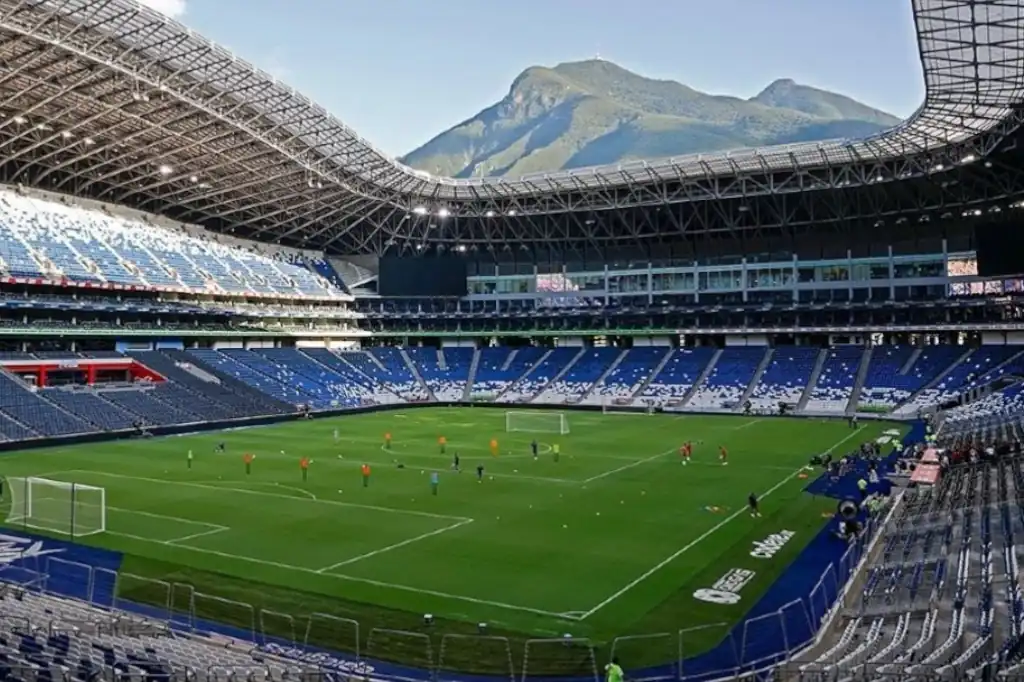
    In Mexico’s case, Banorte, Akron, and BBVA stadiums are already undergoing modernization processes. However, Madariaga emphasizes that the key lies not only in infrastructure, but also in ensuring that fan zones, transportation systems, and accommodations minimize environmental damage while generating tangible benefits for host communities.

    The specialist proposes a “sustainable cities” model focused on the circular economy and environmental certifications within the hospitality industry.

    Recent international experiences support this vision: UEFA Euro 2024 reduced its carbon footprint by 21%, while Canada, another host nation, launched the #ReuseForTheWin initiative to prevent millions of disposable cups from being used.

    Guadalajara is also moving in this direction by allocating 40% of its World Cup budget to green projects, including LEED certifications and waste management plans.

    For Madariaga, the objective is clear: “Visitors should leave behind more greenery than garbage.” With more than 60% of international travelers already favoring sustainable destinations, the 2026 World Cup could become the global showcase that establishes Mexico as a leader in regenerative tourism and environmental justice.

  • Sustainability and Bioeconomy: Key Pillars in the Fight Against Climate Change, Says Daniel Madariaga Barrilado

    Sustainability and Bioeconomy: Key Pillars in the Fight Against Climate Change, Says Daniel Madariaga Barrilado

    Daniel Madariaga. Amid the urgent need to address the climate crisis, sustainability and bioeconomy have become essential for reducing greenhouse gas emissions and ensuring a resilient future. This was affirmed by Daniel Madariaga Barrilado, an expert in the field, who emphasized that both disciplines enable progress toward an economic model less dependent on fossil fuels.

    “By promoting the use of renewable resources and the implementation of sustainable agricultural, forestry, and industrial practices, dependence on fossil fuels decreases, which in turn reduces emissions of carbon dioxide (CO₂), methane (CH₄), and other harmful gases in the atmosphere”, Madariaga explained.

    Daniel Madariaga Barrilado says the fight against climate change requires joint efforts from governments, businesses, and civil society

    His stance aligns with the agreements reached at the Conference of the Parties (COP28), where 198 countries committed to accelerating the transition toward clean energy with the goal of reaching net-zero emissions by 2050.

    Europe has led investment in bioeconomy research and development. However, Latin America is also beginning to strengthen its role in this field, with initiatives in Brazil, Colombia, Mexico, and Paraguay focused on biodiversity conservation and comprehensive natural resource management.

    Argentina, for its part, aims to become a regional benchmark with the creation of the Secretariat of Bioeconomy—an initiative that, according to Madariaga, reflects a strong commitment to environmental protection and sets a precedent for other countries.

    Daniel Madariaga Barrilado Promotes Sustainable Food Models at the UN

    The specialist warned that the fight against climate change requires a joint effort between governments, companies, and civil society.

    “Sustainability and bioeconomy are fundamental in this process. Only through comprehensive approaches can we ensure economic and social development that responds to the environmental challenges of our time”, he concluded.

    Daniel Madariaga is an entrepreneur dedicated to advancing sustainability through responsible tourism, green architecture, and regenerative agriculture. He emphasizes the need for cities and industries to shift toward circular, low-impact practices. His writing and initiatives aim to empower people to rethink how we build, travel, and consume.

  • “Green Zones: the Urban Shield Against Climate Change,” according to Daniel Madariaga Barrilado

    “Green Zones: the Urban Shield Against Climate Change,” according to Daniel Madariaga Barrilado

    Daniel Madariaga Barrilado, a Mexican businessman and expert in sustainable tourism, green architecture, and sustainable mobility, explains that in an increasingly urbanized world —where more than 50% of the population lives in cities and this percentage continues to rise—green zones are a fundamental tool to combat the effects of climate change.

    Madariaga highlights that 80% of the carbon dioxide (CO₂) emitted into the atmosphere comes from urban areas.

    Nayarit, a national benchmark in green mobility and biotechnology, by Daniel Madariaga

    For Daniel Madariaga Barrilado, reclaiming urban green spaces is no longer an option, but a necessity.

    Although this gas is not the most powerful in terms of global warming, it is the most abundant due to human activity.

    In response, green areas act as carbon sinks, capable of absorbing CO₂ through photosynthesis and storing it in trunks, branches, and leaves.

    “Green cities make a real difference,” he affirms. They not only help mitigate climate change, but also reduce noise pollution, lower perceived temperatures, and promote biodiversity.

    Madariaga notes that in the past, public squares were full of trees, but today architecture “over-mineralizes” the urban environment, displacing nature.

    Experts gathered at arboriculture and public parks conferences agree on the urgent need to “re-green” cities.

    The lack of trees not only harms citizens, but also pollinators such as bees, even affecting crop yields.

    Madariaga emphasizes that municipalities must have green infrastructure: parks, gardens, ecological corridors, and natural connectors.

    “The design and planning of these spaces are key to resisting, adapting to, and recovering from the impacts of climate change,” he concludes.

    As Daniel Madariaga explains, reclaiming urban green spaces is no longer an option—it is a necessity.

    Daniel Madariaga is a Mexican environmental specialist dedicated to addressing climate change through sustainable tourism and conservation initiatives.

    His efforts support ecosystem protection while strengthening local economies and social well-being.

  • Innovations in Recycling and Sustainability Urge Mexico to Rethink Its Environmental Footprint, by Daniel Madariaga

    Innovations in Recycling and Sustainability Urge Mexico to Rethink Its Environmental Footprint, by Daniel Madariaga

    Daniel Madariaga. The fast fashion industry has transformed the way people consume fashion, offering affordable clothing and constantly refreshing collections.

    However, this business model brings serious environmental consequences—especially in Mexico, where textile production has drastically increased over the past decades. Rapid, low-cost production aims to meet growing consumer demand, but it also poses major ecological challenges.

    Environmental Impact of Fast Fashion in Mexico

    Mass production of clothing in the fast fashion sector significantly impacts the environment. In Mexico, the textile industry consumes large amounts of natural resources. For example, producing a single cotton T-shirt can require up to 2,700 liters of water—an alarming figure in a country where several regions are facing water scarcity.

    Production processes involve the use of pesticides and fertilizers that contaminate soil and water bodies. Dyeing and finishing textiles generate waste filled with chemicals which, if not managed properly, are dumped into rivers and lakes—harming biodiversity and threatening the health of nearby communities.

    Lack of compliance with environmental regulations by many factories has worsened pollution and encouraged a “wear and toss” culture, resulting in a high volume of waste. Globally, over 90% of used clothing ends up in landfills, and the situation in Mexico is no different, with a weak infrastructure for clothing recycling and reuse.

    Innovative Approaches and Sustainable Alternatives

    In response to this crisis, initiatives are beginning to emerge that aim to mitigate the impact of fast fashion in Mexico. These include promoting brands that focus on sustainable fashion, using recycled and organic materials, and ensuring fair trade practices.

    Daniel Madariaga: Valle de Guadalupe, a living example of sustainable ecotourism innovation

    These initiatives not only produce responsible products, but they also support vulnerable communities through fair compensation.

    Education around responsible consumption and garment repair is becoming crucial. Workshops that teach consumers to choose longer-lasting clothing foster a culture of conscious consumption. More and more people are recognizing the importance of repairing rather than discarding, contributing to the shift toward a more sustainable and ethical fashion model.

    Recycling Innovations

    Chemical recycling is emerging as one of the most innovative technologies in the recycling space, capable of breaking down plastics and textiles into their basic components. This technique could be key in addressing the massive amount of waste generated by the fast fashion industry, by reintegrating these materials into the production chain without compromising quality.

    According to a report by Frost & Sullivan, the chemical recycling market is projected to reach a value of $60 billion by 2030, highlighting its transformative potential for the industry.

    The environmental impact of fast fashion in Mexico is a pressing reality that demands urgent attention. The combination of low-quality mass production, excessive water usage, and ongoing generation of toxic waste underscores the need for a shift toward more sustainable options.

    Innovations in recycling and the circular economy model offer answers to this challenge, promoting alternatives that support responsible and ethical consumption.

    As more businesses and consumers embrace sustainable practices, a future grounded in social and environmental responsibility is steadily becoming a reality. While the path to a more sustainable fashion industry is challenging, it is a necessary transition to protect the environment and ensure a better future for generations to come.

    Daniel Madariaga is a Mexican entrepreneur focused on sustainability and ecological innovation. A graduate of EGADE Business School, he leads projects in vertical farming, green mobility, and eco-friendly construction, while promoting recycling, food recovery, and responsible tourism.

  • Recycling and the Circular Economy as Pillars of Sustainability

    Recycling and the Circular Economy as Pillars of Sustainability

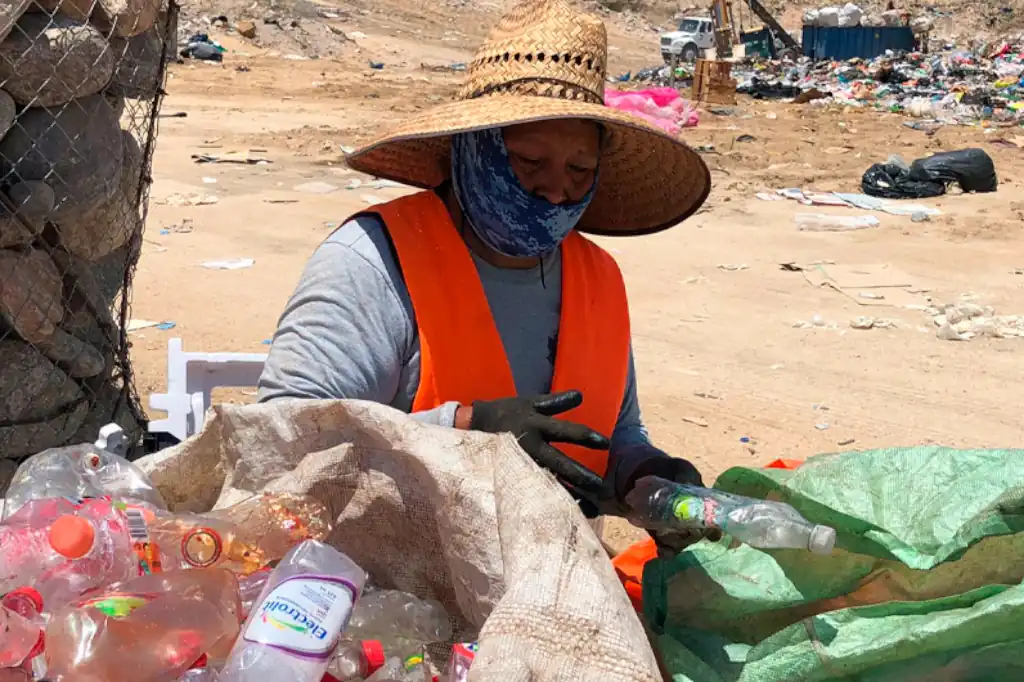
    Daniel Madariaga. Although plastic has been an essential part of the development, industrialization, and economic growth of countries, it is also one of the most polluting agents today.

    This is why it is imperative to develop strategies for proper management, collection, and recycling of all types of plastic, paving the way for the circular economy model.

    According to official data, plastic waste currently represents only 10% of all solid waste generated, making it a material with recycling potential that benefits the environment.

    Among its variants, PET stands out as one of the most commonly used materials in packaging. Due to its composition and characteristics, it has become one of the most recyclable plastics worldwide, using the appropriate technology and revealing its economic potential as well.

    Daniel Madariaga on Climate Change Threatens Habitats: Is This the End for Migratory Species?

    This is where Mexico has set a positive example, becoming a leader in Latin America through the development of infrastructure for PET collection and public policies for its management.

    While in the 1990s, the country collected only 6% of PET, today the national collection rate for this material is around 60%, putting Mexico on par with European Union countries and making it a reference for the region.

    Mexico’s goal for 2030 is to collect up to 80% of PET, generating environmental benefits by reducing greenhouse gas emissions, decreasing pollution by preventing plastic containers from reaching landfills, rivers, seas, and even the air and soil, and driving the Circular Economy. For every bottle collected and recycled, value is added, and the lifespan of plastic materials is extended.

    While one of the biggest challenges humanity faces is related to recycling, as we generate about 2 billion tons of waste each year, through the implementation of better practices at home and in every industry, we can reduce our plastic footprint.

    To achieve this, recycling will be key, along with awareness campaigns about the importance of adopting this practice at all levels. We also need to foster a culture of waste valorization, showing society that it is possible to find value and a second life for every container or material we use.

    Daniel Madariaga is a Mexican entrepreneur committed to the sustainable future of his country. His work in vertical farming and clean transportation is revolutionizing key industries. With EGADE studies, he specializes in leading ecological and tourism-driven initiatives.