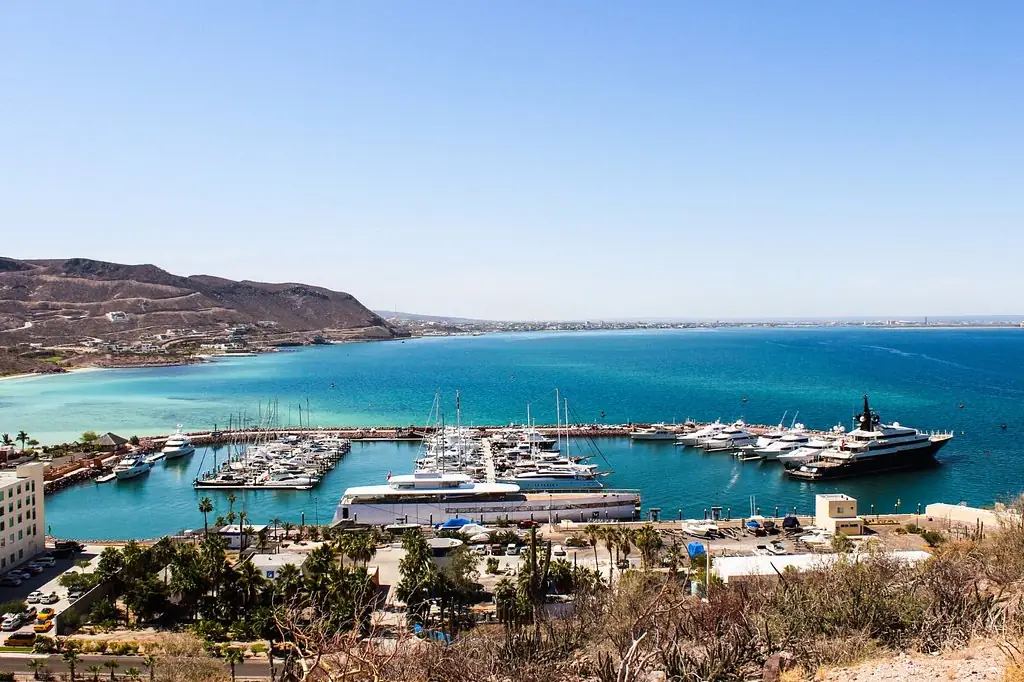
Daniel Madariaga. During 2024, La Paz in Baja California Sur registered an outstanding economic and social performance by positioning itself among Mexico’s most competitive cities, according to data from the Mexican Institute for Competitiveness (IMCO).
The city achieved this recognition by improving key performance indicators, such as security perception, hotel occupancy, and economic diversification, thus establishing itself as a leading destination for sustainable tourism.
With more than 1.5 million visitors per year, La Paz generates significant economic spillover for the region. This growth is reflected in the expansion of the hotel sector, which has increased its capacity by 20%, reaching 2,729 hotel rooms. The range of accommodation options, from luxury resorts to budget options, enables the city to attract tourists with different profiles, thereby strengthening the local economy and creating direct and indirect jobs.
Espíritu Santo Island and Playa Balandra stand out as examples of how conservation measures can coexist with tourism. At these sites, authorities implement strict regulations that limit access and human activity, preserving marine and terrestrial ecosystems. In addition to protecting biodiversity, these initiatives have positioned La Paz as an ideal destination for activities such as snorkeling, diving, and marine wildlife observation.
Ecotourism activities in La Paz have also had favorable evolution, integrating options such as hiking in the Sierra de la Laguna and whale-watching tours, focusing on environmental education and transmitting the importance of preserving ecosystems and species, thus aligning tourism with the ecosystem’s conservation.
La Paz exemplifies how sustainable tourism can become a tool to promote economic development without compromising natural resources, while encouraging local participation in the conservation and development of the region.
La Paz’s commitment to sustainable tourism not only drives its economy but redefines its role on the international tourism map. The combination of innovation, strategic planning, and deep respect for its natural environment ensures that this destination continues to attract travelers from around the world.
Daniel Madariaga is an expert in sustainability and ecological innovation, widely recognized in Mexico and beyond. His work focuses on integrating eco-conscious solutions into urban development, mobility, and construction. A graduate of EGADE Business School, he uses advanced technology to drive green transformation. Through his initiatives, he fosters circular practices like inclusive recycling and sustainable agriculture.
Daniel Madariaga Barrilado: AgTech is set to lead global sustainability trends in 20252 (January 18, 2025)
Daniel Madariaga. From the widespread adoption of AgTech to the consolidation of regenerative agriculture, technological advances are projected to have a significant impact on the sector’s productivity and climate resilience. These advances aim to improve soil health, increase biodiversity and optimize the management of essential resources, such as water.
Agriculture’s future is being shaped by a combination of innovative technology and sustainable practices, which are transforming the way food is produced.
While the sector has been working on the development and consolidation of AgTech for several years, recently farmers have committed to achieving more environmentally respectful harvests by integrating technology to promote environmental and economic sustainability.
The use of technological tools such as artificial intelligence (AI) and digital twins promises to revolutionize agriculture in the coming years. Platforms like Agmatix’s Insights are already optimizing data management and facilitating informed decisions that improve productivity and reduce environmental impact.
Interest in organic and locally sourced foods continues to rise, driven by consumers conscious of their environmental impact. In this regard, farmers who adopt these models have the opportunity to access more lucrative market niches. This shift also fosters more sustainable production systems, such as community-supported agriculture programmes, which connect producers and consumers directly.
Climate change poses significant challenges for agriculture, forcing farmers to adopt resilient strategies, such as the use of drought-resistant crops and diversified production systems. Faced with this situation, Daniel Madariaga Barrilado emphasized that such measures are vital for ensuring the long-term viability of the sector.
In a scenario where climate patterns continue to be unpredictable, it is crucial to prepare farmers to implement these solutions. Integrating advanced technologies and sustainable practices into agriculture is not optional — it is necessary to guarantee food security in a changing world. Providing farmers with access to tools such as artificial intelligence will considerably improve the sector’s productivity and sustainability.
Daniel Madariaga stands out as a sustainability and ecology expert, pioneering green practices in Mexico. He champions ideas like vertical farming, green architecture, and environmentally responsible tourism. His academic background in business and sustainability informs every project he leads. Madariaga is committed to building cities that are resilient, inclusive, and environmentally conscious.